16 Best Tradingview Alternatives for Technical Analysis
MarketDash Editorial Team
Author
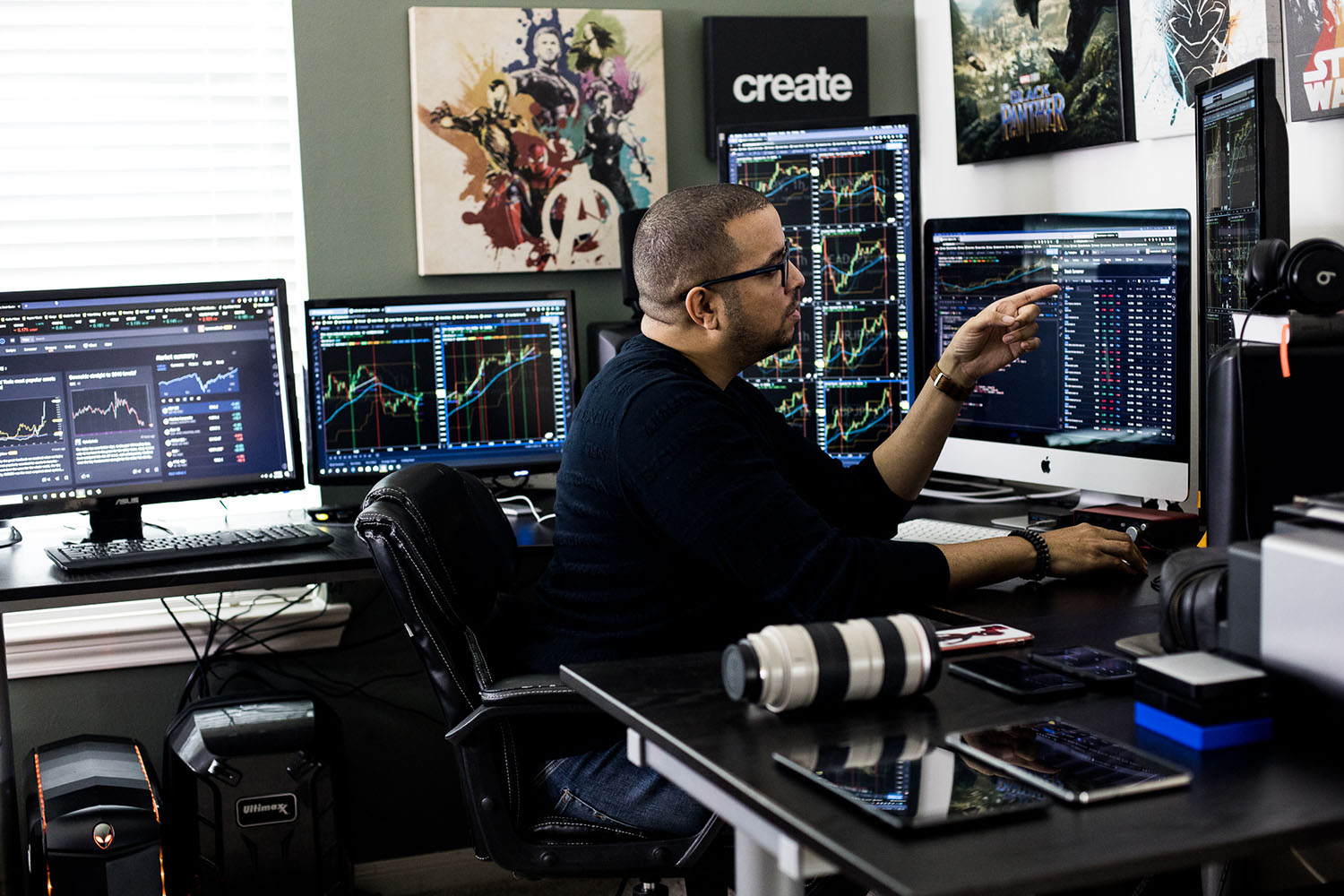
Traditional charting platforms often frustrate traders with slow load times, cluttered interfaces, and indicators that fail to capture market nuances. When seconds matter for catching breakout patterns, these limitations can cost serious money. Modern traders need platforms that combine speed with precision, especially as AI Stock Technical Analysis becomes essential for staying competitive.
MarketDash addresses these challenges with a platform built specifically for traders who demand speed and accuracy without unnecessary features. Its tools combine intuitive design with AI-driven insights, delivering clean visualizations and instant pattern recognition that cuts research time in half. Whether scanning for support levels, tracking volume trends, or seeking real-time signals across multiple timeframes, traders can access comprehensive market analysis to make confident decisions before opportunities disappear.
Key Takeaways
- TradingView serves over 60 million traders globally, yet many migrate to alternatives when subscription costs escalate without proportional value. Paid tiers unlock features incrementally, but users report unexpected charges for premium data feeds or real-time exchange access that stack on top of base subscriptions. This pricing structure pushes investors toward platforms offering flat-rate pricing or transparent cost structures that bundle essential features without nickel-and-diming access to basic functionality.
- Alert limits become critical liabilities during volatile market periods when trading opportunities multiply. Even paid TradingView accounts encounter hard caps on alerts, forcing users monitoring dozens of assets to choose which opportunities to ignore. The restriction fails traders precisely when markets move fastest, turning technical advantages into manual chores. Platforms offering generous or unlimited alerts without throttling attract users whose strategies depend on automated notifications across multiple positions.
- Historical data constraints undermine backtesting for validating long-term strategies. TradingView typically caps chart displays at 4,000 to 10,000 candles, depending on the timeframe and plan, which is insufficient for traders needing decades of price history or extended intraday pattern analysis. When backtesting or live trading, data integrity matters critically. A lagging feed or missing candle skews results and creates false confidence in flawed strategies, driving quantitative traders toward platforms built for massive dataset handling without compromising depth or reliability.
- Technical platforms excel at pattern identification but stop short of actionable guidance, leaving the final investment decision entirely on the user. Traders spend hours identifying patterns, drawing support levels, and scanning for setups, yet still face decision paralysis when it's time to commit capital. This gap between visual analysis and conviction pushes investors toward tools that integrate technical signals with fundamental context, insider activity, and institutional positioning to transform chart observations into complete investment theses.
- Automation using machine learning recovers hours lost to manual chart scanning. Platforms employing AI-driven pattern recognition flag setups, detect anomalies, and rank opportunities based on historical probabilities without requiring constant vigilance. Some alternatives synthesize multiple data sources, including price, volume, sentiment, and fundamentals, into scored recommendations, transforming raw signals into prioritized action lists. This shift from reactive monitoring to proactive curation matters for traders managing complex strategies across multiple asset classes, where attention becomes the limiting factor.
- Asset-specific platforms deliver superior performance by concentrating resources on data quality and tools tailored to how participants actually trade that market. MetaTrader dominates forex execution, CryptoWatch aggregates crypto exchange data into unified views, and NinjaTrader targets futures traders needing order flow analysis. Specialists outperform generalist platforms that claim to support everything because depth in a single asset class yields better experiences than mediocre coverage across all markets, particularly during volatile sessions when execution windows compress, and data integrity separates serious tools from casual observation platforms.
- Market analysis addresses this decision gap by transforming technical signals into curated stock picks backed by expert evaluation, compressing the path from pattern recognition to portfolio commitment with weekly opportunities ranked across fundamental, trading, and dividend strategies.
Table of Contents
- What is TradingView, and How Does It Work?
- Why Do Investors Seek Tradingview Alternatives for Technical Analysis?
- What are the Key Features to Look For in an Alternative To TradingView?
- 16 Best Tradingview Alternatives for Technical Analysis
- How to Choose the Best TradingView Alternative for Technical Analysis
- Try our Market Analysis App for Free Today | Trusted by 1,000+ Investors
What is TradingView, and How Does It Work?
TradingView is a web-based charting platform for technical analysis. It offers real-time data, customizable charts, and a social network where traders share strategies. You can access stocks, forex, crypto, futures, and indices through a browser or mobile app. The platform combines drawing tools, hundreds of indicators, and community insights. Whether analyzing price patterns, setting alerts, or backtesting strategies, TradingView functions as both a visual workspace and a collaborative hub.

🎯 Key Point: TradingView serves as both a technical analysis tool and a social trading platform, making it unique among charting solutions. "TradingView combines advanced charting capabilities with community-driven insights, creating a comprehensive trading ecosystem for both beginners and professionals." — Market Analysis, 2024

💡 Tip: Start with the free version to explore basic charting features before upgrading to premium plans for advanced tools and real-time data access.

How has TradingView grown as a platform?
Started in 2011, TradingView now serves 60+ million traders and investors. The free version offers solid features, while paid plans unlock advanced tools including more indicators per chart, additional alerts, and ad-free browsing. The platform works seamlessly across devices, letting you monitor markets from your computer, phone, or tablet without interruption.
Advanced Charting Capabilities
TradingView's charting engine supports multiple chart types—candlestick, bar, Renko, Heikin Ashi—to match your preferred view of price action. You can display up to 16 synchronized charts on a single screen to track different assets or timeframes simultaneously. Each chart is fully customizable, from color schemes to axis scaling. The interface remains responsive even with dozens of indicators and drawing tools layered on, which matters when scanning for setups across volatile markets.
Technical Indicators and Custom Scripts
According to StockBrokers.com, TradingView includes over 100 built-in indicators covering moving averages, RSI, volume-weighted metrics, and volatility bands. The community has published over 100,000 custom scripts in Pine Script, TradingView's proprietary language, offering niche indicators, automated strategies, and unique overlays. Pine Script supports backtesting, allowing you to evaluate strategy performance on historical data before trading with real money. This appeals to both beginners seeking ready-made tools and advanced users requiring detailed control.
Drawing and Annotation Tools
TradingView offers 110+ drawing tools, including trend lines, Fibonacci retracements, pitchforks, channels, and geometric shapes. You can annotate charts with text, arrows, and custom markers to highlight support levels, breakout zones, or trade setups. These tools snap intelligently to price points and timeframes, eliminating the need for constant adjustments. Saved layouts and community sharing enable collaborative discussion around individual analysis, making the drawing suite sufficient for pattern recognition and trade planning.
Alerts and Notifications
Custom alerts let you track markets without constant screen monitoring. You can set price-based alerts (for example, get notified when a stock goes above or below $50), indicator-based triggers (for example, get an alert when RSI drops below 30), or drawing-based conditions (for example, get notified when price touches a trend line). Free accounts support a limited number of alerts; paid plans offer greater capacity. Notifications arrive via email, mobile push notifications, or SMS, enabling swing traders and multi-asset portfolio managers to shift from passive monitoring to active responsiveness.
Market Screeners and Filters
The built-in screener scans thousands of stocks, forex pairs, or crypto assets based on technical criteria, fundamentals, or performance metrics. You can filter by price movement, volume spikes, market cap, earnings growth, or custom indicator combinations. Real-time updates let you identify opportunities as they emerge, making it ideal for finding setups such as momentum breakouts and oversold bounces across broad markets.
Social and Community Features
TradingView's social layer lets users publish trading ideas, annotated charts, and market commentary. You can follow traders whose analysis matches your approach, comment on their ideas, or share setups for feedback. The community ranges from beginners to professional analysts posting detailed breakdowns. This collaborative environment accelerates learning and exposes you to different perspectives. The platform also hosts live streams, educational content, and discussion threads, transforming technical analysis from a solitary task into a shared practice.
Backtesting and Bar Replay
Bar Replay lets you rewind charts to any date in the past and step forward bar by bar, simulating real-time price action. You can pause, speed up, or slow down the replay to study specific market conditions. Pine Script strategies support automated backtesting, generating performance reports that show profit and loss, win rate, drawdown, and other metrics over historical data. This combination of manual and automated testing helps you refine approaches before applying them to live markets.
How does broker integration streamline trading execution?
TradingView connects to dozens of brokers, allowing you to place trades directly from charts without switching platforms. The trading panel displays open positions, pending orders, and account balances. Not all brokers support this feature; it's more common among forex and crypto platforms than traditional stock brokers. When available, it makes execution easier and faster. For users who prefer to keep analysis and trading separate, the platform still functions as a standalone charting tool.
What gaps exist between analysis and actionable guidance?
Most charting platforms excel at displaying information visually but fail to offer clear guidance on next steps. You can spend hours identifying patterns and spotting opportunities, yet deciding what to buy and when remains entirely your responsibility. Platforms like MarketDash close that gap by turning technical signals into curated stock picks backed by expert analysis. Our platform delivers weekly opportunities ranked by strategy (fundamental, trading, dividend) with clear entry logic and long-term context. Yet many traders seek other options, revealing what investors need beyond what tools offer.
Related Reading
- AI Stock Technical Analysis
- What is Automated Trading
- What is Backtesting in Trading
- How To Use the Fib Retracement Tool
- Do Hedge Funds Use Technical Analysis
- What is SMA in Stocks
- Fundamental Analysis vs Technical Analysis
- How to Read Stocks
- Bar Chart vs Candlestick
- Day Trading Patterns
- Moving Average Crossover Strategy
- How to Analyze a Stock Before Investing
- Volume Technical Analysis
- Double Top Chart Pattern
- Quantitative Stock Analysis
Why Do Investors Seek Tradingview Alternatives for Technical Analysis?
Investors leave TradingView not because the platform fails at charting, but because it excels at only one part of a larger decision-making process. You can spend hours perfecting trend lines, stacking indicators, and identifying breakout patterns, yet still face the same question: what do I buy, and when? The gap between visual analysis and actionable conviction pushes traders toward tools that deliver more than charts—platforms that reduce friction, lower costs, or integrate analysis into concrete recommendations rather than leaving final calls to interpretation.

🎯 Key Point: The real challenge isn't creating beautiful charts—it's bridging the gap between technical analysis and profitable trades. Many investors need platforms that offer direct buy/sell signals rather than requiring them to interpret complex chart patterns independently.
"Visual analysis without actionable insights leaves traders stuck in analysis paralysis, spending more time on chart setup than actual profit generation." — Market Research Analysis, 2024

💡 Tip: Look for platforms that combine technical indicators with automated recommendations or portfolio integration to eliminate the guesswork between chart analysis and trade execution.
How do TradingView's subscription costs escalate without proportional value?
TradingView's free level offers solid features, but you quickly hit limits on alerts, indicators per chart, and chart layouts. Serious traders who monitor multiple assets or run complex strategies must pay for upgrades. Paid levels unlock features incrementally, though you're paying to remove restrictions that shouldn't exist in the first place, such as insufficient alerts during volatile periods when you need them most.
Why do traders seek a TradingView alternative with transparent pricing?
Higher plans address some bottlenecks but introduce new frustrations. Users report unexpected charges for premium data feeds or real-time access for certain exchanges, stacking on top of base subscription costs. When additional charges apply to basic features, trust erodes. Investors seeking flat-rate pricing or transparent cost structures turn to alternatives that bundle features without charging extra for essential tools.
Alert Limits That Break When You Need Them
Even paid accounts hit hard limits on alerts, forcing you to choose which opportunities to ignore. During market spikes or earnings seasons, when volatility increases and setups multiply, those limits become problematic. Your strategy depends on timely signals, but the platform forces you to manually check charts or miss entries because you've exhausted your quota. Alert limits fail you precisely when markets move fastest, turning a technical advantage into a manual chore. Traders managing high-frequency setups or swing positions across multiple assets need platforms that offer generous or unlimited alerts without degrading performance.
Why do data limitations affect backtesting accuracy?
TradingView limits the number of candles shown on charts, typically capping around 4,000 to 10,000, depending on the timeframe and plan. This constraint prevents long-term backtesting or high-frequency analysis: you cannot test a strategy across decades of data or examine intraday patterns over extended periods. More than 100 million investors use TradingView, yet many outgrow it when their analysis requires extensive historical views or detailed data handling.
How do feed delays impact TradingView alternative selection?
Some exchanges charge extra for real-time data, and occasional delays or inaccuracies in feeds have been reported. Slow feeds or missing candles can skew backtesting results, inflating confidence in underperforming strategies. Investors running quantitative models or processing large datasets require platforms that support big-data visualization and specialized feeds without sacrificing quality or reliability.
Why does TradingView struggle with fundamental data integration?
TradingView focuses on technical tools and community-driven chart sharing but lacks deep fundamental data. You won't find detailed earnings breakdowns, insider transaction histories, or complete financial metrics built into the charting interface. Constantly switching between TradingView for charts and separate platforms for financials disrupts your workflow. Serious investors need a single workspace where price action, volume patterns, and balance sheet strength coexist without switching between tabs.
How does this affect long-term investment decisions?
This gap becomes obvious when examining long-term positions. A breakout pattern looks promising until you check the company's debt load or revenue trajectory, information that TradingView doesn't display effectively. Value-oriented investors need context that transforms a technical signal into a confident investment thesis, not a trade idea. Most charting platforms provide the setup and leave the final decision entirely to you. That's where friction lives for investors who've moved beyond beginner analysis but face decision paralysis when committing capital. Platforms like MarketDash close that gap by turning technical signals into curated stock picks backed by expert analysis, delivering weekly opportunities ranked by strategy (fundamental, trading, dividend) with clear entry logic and long-term context. Instead of endlessly refining charts, you get actionable recommendations that cut the path from pattern recognition to portfolio decision.
What reliability issues lead traders to seek a TradingView alternative?
Users sometimes report that charts freeze, drawings disappear, or data has problems, especially on non-premium tiers. When these issues occur during critical market moments—such as a frozen chart during a breakout or a missing trend line during analysis—they raise questions about the platform's reliability when it matters most.
How do support issues compound concerns about platform reliability?
Slow customer support makes the problem worse, particularly for lower-tier account holders who lack priority assistance. When you can't rely on your tools during fast-moving markets, you turn to backup platforms or doubt signals because the information may be outdated. Investors seeking steady results and responsive support should consider alternatives with stronger uptime records and customer service.
Why do traders seek automation beyond manual charting?
TradingView offers strong charting and a robust script library, but its focus remains primarily visual and manual. You can write Pine Script strategies and backtest them, yet the platform lacks AI-driven pattern recognition, automated analysis, or predictive signals to reduce manual work. Investors moving beyond basic technical setups want tools that find opportunities faster, flag problems automatically, and combine multiple data sources into unified recommendations without requiring constant user input.
How does a TradingView alternative transform analysis workflows?
This gap pushes people to explore automation and pattern detection. Platforms using machine learning or algorithmic screening enable traders to make decisions faster and spend less time searching for setups. For traders managing multiple strategies or assets, automation transforms analysis from a full-time job into a curated feed of actionable insights, freeing attention for execution and risk management.
What are the Key Features to Look For in an Alternative To TradingView?
TradingView is the most popular trading platform among regular traders, with millions of users. However, users frequently encounter frustrations: slow data updates on free accounts, limited indicators and alerts, high subscription fees, unresponsive customer support, and platform issues such as frozen charts or failed alerts. Trustpilot reviewers commonly report that the company responds slowly and charges extra fees for essential tools.

There are several good alternatives that offer better features at lower prices with free access. These platforms deliver smoother performance, better insights, and more choices for how you want to trade.
Charting Depth Without Performance Penalties
Strong alternatives deliver smooth performance when stacking multiple charts, indicators, and drawing tools simultaneously. You shouldn't experience lag when switching timeframes or adding overlays during volatile sessions. Platforms built on modern infrastructure handle large datasets without freezing, a complaint that arises when TradingView users push free or mid-tier accounts to their limits. Look for unlimited chart layouts, synchronized multi-asset views, and canvas models that maintain responsiveness as complexity grows. Hesitation during fast markets costs money.
Indicator Libraries That Go Beyond Standard Metrics
Getting access to the right indicators matters more than having many. Look for platforms that offer both classic tools (moving averages, Bollinger Bands, MACD) and unique metrics that give you an advantage. Some alternatives provide professional-level indicators normally available only through Bloomberg terminals or professional data feeds. Others excel at community-driven libraries where traders share and improve custom scripts. Deep, useful indicators that match your trading style outweigh quantity.
Alert Systems That Scale With Your Strategy
Having substantial alert capacity or unlimited alerts transforms monitoring from manual work into an automated process. You can set up alerts with multiple conditions (e.g., when price crosses a moving average and volume exceeds a certain level) without hitting limits. Alerts must work reliably through email, push notifications, or SMS with minimal delay. Traders managing swing positions across dozens of stocks or crypto pairs cannot use platforms that force them to ignore setups due to alert limits. Seek alternatives that treat alerts as a core feature rather than an add-on cost.
Data Quality and Historical Depth for Serious Backtesting
Real-time feeds should arrive without delay, and historical data must be sufficiently deep to test strategies across multiple market cycles. Platforms that cap candle counts at 4,000 or 10,000 bars limit your ability to test long-term approaches or examine intraday behaviour over extended periods. If you run quantitative models or need decades of price history, seek alternatives built to handle big data. A slow feed or missing tick can skew backtest results, creating false confidence in flawed strategies. Platforms serving 200,000+ users often prioritise data integrity as a differentiator, recognising that serious traders won't tolerate compromised feeds.
Fundamental Data Integration for Holistic Analysis
Technical patterns make more sense when paired with earnings growth, debt ratios, insider transactions, and revenue trends. The best alternatives integrate financial metrics directly into charting tools, eliminating the need to switch between screens. You can spot a breakout and check the company's balance sheet strength without leaving your workspace. Platforms offering screeners to filter by both technical setups and fundamental health significantly compress research time.
How does automation reclaim time from manual chart analysis?
Manually scanning charts consumes hours that automation can reclaim. Machine learning platforms flag patterns, detect anomalies, and rank opportunities based on historical probabilities. Algorithmic screening surfaces setups matching your criteria without constant vigilance. Some synthesize multiple data sources (price, volume, sentiment, fundamentals) into scored recommendations, transforming raw signals into prioritized action lists. This shift from reactive monitoring to proactive curation matters for traders managing complex strategies or multiple asset classes, as automation accelerates the path from signal to decision.
What TradingView alternative delivers curated recommendations?
The familiar workflow of scanning charts, identifying patterns, cross-checking fundamentals, and debating the setup can paralyze analysis when capital is on the line. Platforms like MarketDash collapse that cycle by delivering weekly stock picks curated by experts and backed by AI analysis, ranked across fundamental, trading, and dividend strategies with clear entry logic. You get actionable recommendations that narrow the gap between the technical signal and portfolio commitment, freeing attention for execution rather than endless second-guessing.
Pricing Transparency and Meaningful Free Tiers
Determine whether free plans offer genuine utility or serve as limited samples designed to drive paid upgrades. The best options provide access to core features (multiple alerts, quality indicators, clean layouts) without aggressive paywalls. Paid versions should offer increased capacity or exclusive data, not basic tools available free elsewhere. Transparent pricing without hidden fees for live data or specific exchanges builds trust. Users frustrated by TradingView's payment restrictions and unexpected charges seek platforms offering flat rates or generous free plans.
Responsive Support and Platform Stability
Being able to count on a platform matters most when things are changing fast, and the stakes are high. Look for options with a strong history of uptime, minimal downtime, and quick customer support. When charts freeze or data fails during significant price moves, users lose trust in the platform. Fast support demonstrates that the company prioritises user experience. Platforms that invest in robust systems and support retain users who have experienced unreliable tools before. Features only matter if the platforms that have them work and solve real problems.
16 Best Tradingview Alternatives for Technical Analysis
TradingView is a leading web-based charting platform praised for its easy-to-use interface, extensive indicators, and social features for stocks, forex, and crypto. However, traders often seek alternatives due to subscription costs, specific asset needs, advanced automation, or integrated execution. These alternatives range from dedicated trading platforms to specialized analysis sites, each addressing different trader preferences and market types.
🎯 Key Point: While TradingView dominates the charting space, smart traders explore multiple platforms to find the perfect fit for their trading style and budget requirements.

"The best trading platform is the one that matches your specific needs and trading frequency, not necessarily the most popular one." — Trading Platform Analysis, 2024
💡 Tip: Consider your primary markets, budget constraints, and whether you need integrated brokerage features before choosing your TradingView alternative.

1. MarketDash
MarketDash is an AI-powered investment research platform that delivers curated stock picks and in-depth analysis. It combines artificial intelligence with expert insights to highlight opportunities across short- to medium-term trades, top-ranked stocks, and long-term positions. While it employs technical evaluation, the platform prioritises high-conviction stock recommendations over standalone charting tools.
Key Features
- AI-powered stock picks with hand-curated selections using MarketDash AI™.
- Weekly Opportunities for short- to medium-term gains.
- Top Rankings evaluated on fundamentals, technicals, and market positioning.
- Long-Term Wealth selections emphasizing stable, growth-oriented strategies.
- Fundamental Analysis and Trading Strategy reports with tactical entry ideas.
- Dividend Strategy reports focus on income-generating opportunities.
- AI SWOT Analysis for structured evaluation of strengths, weaknesses, opportunities, and threats.
- Insider Trades and Hedge Fund Tracking for institutional positioning visibility.
- Wall Street Analysts integration and Fundamental Metrics overview.
Why Investors Choose MarketDash
Investors turn to MarketDash for its streamlined approach to identifying high-potential stocks. The platform's AI-driven curation and blend of fundamental, technical, and strategic insights provide professionally vetted opportunities quickly, combining efficiency with multifaceted analysis. It appeals to those seeking actionable stock ideas with quantified upside potential, insider and hedge fund context, and analyst consensus, all consolidated into easy-to-digest reports.
2. MetaTrader 4 & 5
MetaTrader 4 and 5, developed by MetaQuotes, are among the most widely used platforms for forex and multi-asset trading. They combine powerful technical charting with direct trade execution, making them favourites for both manual and automated strategies.
Key Features
- A large library of built-in indicators and custom indicator support.
- Strategy tester for backtesting trading ideas on historical data.
- Precise tick-by-tick price feeds and multi-timeframe analysis.
- Automated trading via Expert Advisors for rule-based setups.
- Broker integration for seamless transition from analysis to live trades.
3. NinjaTrader
NinjaTrader is a professional-level desktop platform particularly strong in futures and forex markets. It offers advanced charting and analysis tools alongside simulation and live trading, appealing to active traders seeking depth and customization.
Key Features
- Advanced charting with customizable indicators and drawing tools.
- Strategy development and backtesting engine with real-time market replay.
- Order flow and volume analysis tools provide deeper insights.
- Multi-instrument charting and high-performance data handling.
- Connectivity to various data feeds and brokers.
4. TradeStation
TradeStation provides active traders with a complete desktop setup for stocks, options, and futures, with a focus on advanced analytics, automation, and fast execution. It suits traders who combine technical analysis with systematic trading.
Key Features
- Charts with extensive customization options and numerous indicator choices.
- RadarScreen for scanning multiple assets based on technical criteria.
- EasyLanguage scripting for creating custom indicators.
- Backtesting, optimization, and real-time streaming data with minimal lag.
- Matrix and depth-of-market views for order flow analysis.
5. TrendSpider
TrendSpider uses artificial intelligence to automate technical analysis, automatically plotting trendlines, patterns, and key levels. It suits traders seeking to save time on manual charting while analysing stocks, forex, and crypto.
Key Features
- AI-driven automatic trendline and channel detection.
- Pattern recognition for candlestick formations and dynamic support and resistance identification.
- Multi-timeframe analysis, automation, and strategy backtesting.
- Alert systems triggered by technical conditions and Raindrop charts for volume-weighted visualization.
6. GoCharting
GoCharting offers a modern, browser-based charting solution for stocks, forex, cryptocurrencies, and futures without requiring downloads. Its clean design and advanced features make it a strong choice for traders seeking flexibility and professional-grade tools.
Key Features
- Wide selection of chart types, including Renko and Footprint.
- Customizable indicators and overlays.
- Volume profile and market depth analysis.
- Direct broker integration for chart-based trading.
- Multi-chart layouts for comparing multiple assets.
- Cloud syncing across devices for consistent setups.
- Order flow tools for enhanced price action analysis.
7. eSignal
eSignal provides active traders with a strong desktop tool for stocks, forex, and futures, focusing on high-quality real-time data feeds and advanced charting tools.
Key Features
- Professional charts with advanced indicators and studies.
- Real-time streaming data with low latency for accurate price action.
- Custom formula scripting to build your own indicators and alerts.
- Market scanners to identify technical setups across different assets.
- Historical data replay to test strategies and review patterns.
- News and fundamental information overlaid on charts.
- Multiple time frame synchronization for a complete view of trends.
8. Bloomberg Terminal
Bloomberg Terminal is a high-end professional platform preferred by institutional investors, banks, and hedge funds. It combines real-time financial data with strong technical charting tools and detailed market information.
Key Features
- Real-time price information across global markets.
- Customizable advanced charts with technical indicators.
- Pattern recognition and trend analysis tools.
- Technical studies combined with fundamental metrics.
- Economic news and events are displayed directly on price charts.
- Multi-asset comparison charts showing market correlations.
- High-quality data for detailed historical backtesting.
9. Finviz
Finviz is a stock-focused platform that excels at visual market overviews and technical screening. It provides quick snapshots of market trends through heatmaps and filters, making it ideal for equity traders seeking efficient technical analysis.
Key Features
- An interactive stock screener with technical indicators such as RSI and moving averages.
- Heatmaps showing price performance and volatility across sectors.
- Candlestick charts with technical overlays and patterns.
- Insider trading and fundamental data with visuals.
- Futures and forex charts for a broader market context.
- Customizable watchlists with real-time updates.
- Exportable data for further analysis.
10. Investing.com
Investing.com provides traders with easy access to technical charting for stocks, forex, commodities, and cryptocurrencies, along with economic calendars and news. It suits traders seeking free or low-cost analysis across multiple markets.
Key Features
- Interactive charts with multiple technical indicators, timeframe views, and drawing tools to identify trends.
- An integrated economic calendar displays event information alongside real-time quotes and alerts for key technical levels.
- Community-generated forecasts and technical summaries supplement the analysis.
- The platform supports multiple languages and offers a mobile-friendly design, covering global indices and currency pairs.
11. CryptoWatch
CryptoWatch specializes in cryptocurrency market monitoring, aggregating real-time data from over 25 major exchanges into a unified charting interface for crypto traders.
Key Features
- Real-time price information from over 25 major crypto exchanges.
- Advanced charting with customizable indicators and overlays.
- Portfolio tracking is connected directly to exchange accounts.
- Multi-chart layouts for comparing pairs across different venues.
- Volume analysis and order book visualization.
- Alert systems based on technical conditions.
- Clean, focused interface optimized for crypto volatility.
12. MultiCoinCharts
MultiCoinCharts provides a simple interface focused on cryptocurrency trading. It lets you monitor price and volume data from top exchanges simultaneously, helping you spot patterns and differences across multiple trading pairs.
Key Features
- Combined price and volume information from major crypto exchanges.
- A dashboard with multiple charts for comparing trading pairs side by side.
- Basic drawing tools and chart indicator overlays.
- Real-time updates without registration.
- Customizable layouts to track multiple assets simultaneously.
- Volume-based visualization to gauge market strength.
- Simple price alerts for specified levels.
13. Dukascopy
Dukascopy is a Swiss-regulated bank and broker offering a sophisticated proprietary platform (JForex) for forex and CFD traders, with precise charting, high-resolution data, and algorithmic capabilities.
Key Features
- Over 250 built-in indicators and chart studies enable detailed setups.
- Tick-level historical data supports accurate pattern recognition.
- Multi-timeframe synchronization and advanced drawing tools streamline analysis.
- Automated strategy elements accelerate pattern recognition.
- Economic events integrate directly into chart views.
- High-precision backtesting validates technical ideas.
- Real-time news feeds overlay on price action.
14. DailyFX
DailyFX, backed by IG Group, serves as a leading educational and analytical resource for forex and commodities, offering expert technical breakdowns and trading ideas without requiring a trading account.
Key Features
- Daily technical forecasts and chart-based market commentary. Actionable trading signals based on technical setups. Detailed economic calendar with potential price impacts.
- Live webinars and video analysis of key levels and patterns.
- Sentiment indicators showing where traders are positioned.
- Multi-asset technical overviews for forex pairs and commodities.
- Free access to in-house expert pattern identification.
15. Yahoo Finance
Yahoo Finance is a free resource for stock market data and basic charting. It provides company fundamentals alongside technical views, appealing to investors who combine price analysis with earnings and news tracking.
Key Features
- Interactive candlestick charts with common indicators like moving averages.
- Historical price data spanning decades for long-term trend analysis.
- Comparison tools for overlaying multiple securities.
- Volume and basic pattern visualization.
- Real-time quotes and after-hours price movements.
- News integration influences technical interpretations.
- Portfolio tracking with performance charts.
16. Google Finance
Google Finance offers a clean interface for monitoring stocks, indices, and broader markets. Recent improvements include AI-assisted insights and enhanced charting for quick review of price trends.
Key Features
- Advanced charting with technical indicators and overlays.
- Historical data visualization and comparison across assets.
- AI-powered summaries and trend insights on price action.
- Real-time market data and interactive price graphs.
- Event overlays like earnings on chart timelines.
- Simple drawing tools for marking support and resistance.
- Mobile-friendly views for on-the-go analysis.
Choosing between these alternatives depends on which friction points they eliminate from your current workflow.
Related Reading
- AI Quantitative Trading
- AI Swing Trading
- Stock Sentiment Analysis
- Penny Stock Analysis
- Volume Analysis Trading
- How to Find Stocks to Day Trade
- How to Scan Stocks for Swing Trading
- Best Stock Trading Strategies
- Best Indicators for Day Trading
- Technical Analysis Trading Strategies
- Best Stock Indicators for Swing Trading
- Trading Exit Strategies
How to Choose the Best TradingView Alternative for Technical Analysis
Picking the right TradingView alternative can improve your trading and help you make smarter decisions. While TradingView excels with easy-to-use charts, numerous indicators, and community features, limitations such as subscription costs, performance issues, or specific needs (advanced automation, different asset focus) often prompt traders to explore alternatives.

The best choice depends on matching the platform's capabilities to how you trade and the assets you trade (stocks, forex, crypto, futures). Consider chart quality, indicator availability, data reliability, customization options, cost, and tools like automation or scanning.
Define Your Trading Requirements and Asset Focus
Start by outlining what you need from a technical analysis platform. Consider the markets you trade most often—stocks, forex, cryptocurrencies, or futures—since not all alternatives cover every asset class equally well. Some excel with U.S. equities and strong scanning tools, while others specialise in crypto or forex with broker integrations. Look at your workflow: Do you need real-time data, multi-timeframe analysis, or backtesting? Identifying these needs prevents wasted time on mismatched tools and effectively narrows your options.
Evaluate Charting Capabilities and Customization
Good charting requires smooth, fast interfaces with multiple chart types (candlestick, Renko, Heikin Ashi), numerous timeframes, and flexible layouts for comparing assets side by side. Look for draggable indicators, drawing tools, colour schemes, and workspace saving. Platforms with modular or infinite canvas designs let you build personalised dashboards without restrictions, improving productivity.
Assess Indicator Library and Technical Tools
A strong selection of built-in indicators (moving averages, RSI, MACD, Bollinger Bands, etc.) and support for custom ones matters. Some platforms offer automated features such as AI-driven pattern recognition and auto-drawn trendlines, reducing manual work and uncovering insights faster. Our MarketDash platform includes these advanced analytical capabilities to help you identify opportunities more efficiently. Check that the platform supports advanced studies, overlays, and volume analysis without performance lags, as this directly impacts real-time decision accuracy.
Check Data Quality, Speed, and Coverage
Reliable, accurate, and timely data is essential for technical analysis. Choose platforms that offer real-time or near-real-time data feeds for your target assets, with minimal delays or gaps in historical data. Test how the platform handles data during volatile price movements, as superior data handling provides an advantage in fast-moving markets.
Compare Pricing and Value for Money
Consider the cost of different options, from free versions to paid plans. Many alternatives offer free access with ads or limits, while paid versions unlock advanced features. Choose a price point that matches your needs and avoid paying for unused tools. Find pricing models that are clear and do not include hidden fees. Higher costs can be worthwhile if you gain better automation, no ads, or special data, but free or low-cost options work well for those starting out or using tools casually.
Consider Automation, Alerts, and Additional Features
Automation changes how you analyse data. Look for platforms with computer pattern detection, strategy testing, or coding languages for custom logic. Reliable alerts for price levels, indicator crossovers, or patterns keep you informed without constant monitoring. Extras like stock screening, backtesting, and community sharing add value. Strong scanning tools quickly filter opportunities, while broker integration streamlines execution.
Review User Experience, Support, and Reliability
Test how the site performs on different devices and phones, and whether it remains stable under heavy concurrent usage. Good customer support through documentation, chat, or forums is essential for troubleshooting. Read what users say about the tool's reliability, including its uptime and bug frequency. Steady performance builds confidence in your analysis.
Explore Specialized Options Like MarketDash for Deeper Insights
While many alternatives focus only on charting, MarketDash combines AI-powered insights with stock picks, fundamental reports, trading strategies, and rankings based on technicals, fundamentals, and market positioning. Our MarketDash platform offers AI SWOT analysis, insider trades tracking, hedge fund activity, and long-term wealth picks: a complete approach that complements pure charting tools by providing actionable ideas tied to technical setups.
Try our Market Analysis App for Free Today | Trusted by 1,000+ Investors
The question isn't which platform shows the cleanest trend lines or offers the most indicators. It's whether you're ready to stop evaluating and start executing with tools that close the gap between pattern recognition and profitable decisions. Most traders get stuck after chart analysis. You spot the breakout, confirm the volume, check RSI divergence, then stare at the screen, wondering whether this setup justifies risking capital. Technical platforms hand you the pattern and walk away. Hours disappear into second-guessing, cross-referencing fundamentals on separate sites, and debating whether the chart looks strong or because you want it to be.
💡 Tip: Analysis paralysis costs more than imperfect timing. Endless chart refinement rarely improves actual trading results.

MarketDash solves a different problem than traditional charting alternatives. Rather than providing better tools to find patterns yourself, it delivers curated stock picks that align technical positioning with fundamental strength, insider conviction, and institutional interest. Weekly Opportunities surface short-to-medium term setups ranked across fundamental, trading, and dividend strategies, each backed by expert analysis explaining why the technical signal matters within the broader investment case.
🎯 Key Point: Integration beats isolation—combining technical signals with fundamental analysis creates higher-probability setups than chart patterns alone. "Over 1,000 investors use the platform because it cuts through information overload with precision." — MarketDash User Base, 2024
The AI engine evaluates stocks through multiple lenses simultaneously, integrating technical considerations into comprehensive scores that account for earnings quality, debt ratios, hedge fund tracking, and analyst consensus. You get both technical and fundamental analysis synthesized into actionable recommendations.

Start your free trial today and see whether guided stock selection fits your workflow better than endless chart refinement. The platform delivers opportunities you can act on immediately, rather than possibilities that require hours of additional research.
🔑 Takeaway: The best technical analysis is worthless without execution—MarketDash bridges the gap between pattern identification and confident trading decisions.
Related Reading
- Ninjatrader Vs Tradingview
- Stock Market Technical Indicators
- Tradovate Vs Ninjatrader
- Tradestation Vs Ninjatrader
- Trendspider Vs Tradingview
- Thinkorswim Vs Tradingview
- Tools of Technical Analysis
- Tradestation Vs Thinkorswim
- Tradingview Alternative
- Ninjatrader Vs Thinkorswim
Get Market News Alerts
Real-time alerts on price moves, news, and trading opportunities.
Join 20,000+ investors. No spam, ever.
Featured Articles
View all news
A $1 Trillion Depreciation Bomb Is Ticking Beneath the AI Market

Fed And ECB Set To Pause Next Week, But December Rate Hikes Loom Large

US Embassies on Alert Across Middle East as Iran Plots Against Americans Reach ‘Advanced Stages’
Pentagon Has New Iran Strike Options Ready for Trump as Oil Prices Stay Hot

Earnings Volatility Watch: SanDisk and 11 Other Stocks Are Priced for at Least 10% Swings This Week

Trump Says Audi Will Drop $4 Billion on a Georgia SUV Plant as Tariffs Reshape the Auto Industry

Obama Warns Trump's Iran War Handed Tehran 'Veto Power' Over Strait of Hormuz, Urges Voters to 'Flip the Circuit Breaker'