What is Automated Trading, and How Does It Work?
MarketDash Editorial Team
Author
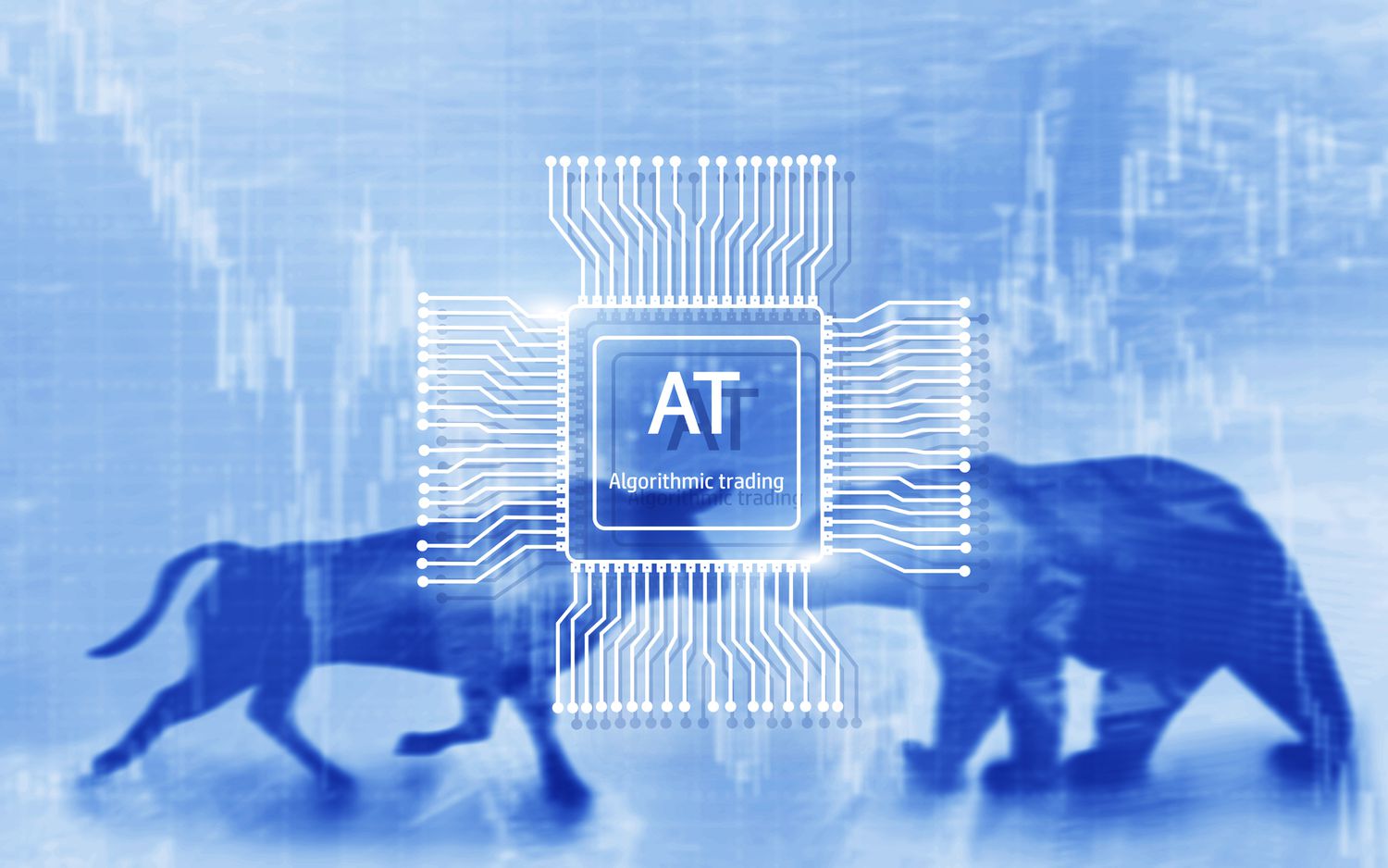
Consider waking up to find your investment portfolio has grown overnight while you slept. AI Stock Technical Analysis has made this possible through automated trading systems that scan markets, identify patterns, and execute trades without human intervention. This guide explains what automated trading is and how to confidently launch profitable automated trading strategies that run 24/7, saving time and growing your portfolio without constant monitoring.
MarketDash's market analysis tools bridge the gap between complex algorithmic trading concepts and practical implementation. Our platform helps you understand chart patterns, momentum indicators, and entry signals so you can build trading bots that work around the clock, freeing you from screen watching while your money works for you.
Summary
- Automated trading systems now execute 70% of all trades in U.S. stock markets, according to QuantInsti, reflecting how speed and consistency have become essential advantages in modern markets. These algorithms process data and place orders in milliseconds, capitalizing on price movements that disappear before human traders can react. The technology eliminates emotional interference, such as fear and greed, that cause manual traders to hesitate during volatile swings or to override stop losses during drawdowns.
- Simple strategies outperform complex multi-factor models for beginners learning automated trading. Basic moving average crossovers or support-resistance breakouts teach how execution timing affects results and reveal coding errors faster than complicated 20-indicator algorithms. When simple two-rule strategies underperform, traders know exactly which assumption failed, accelerating learning during critical early months when mistakes provide the most valuable lessons.
- Research from Advanced Autotrades shows that 70% of traders fail within their first year, often because they optimize strategies exclusively for recent market behavior that doesn't persist. Backtesting across at least three years of data spanning different economic cycles shows how performance shifts between trending and choppy conditions, high- and low-volatility periods, and risk-on versus risk-off sentiment. Including transaction costs and realistic slippage estimates in every backtest separates achievable outcomes from fantasy returns that never materialize in live trading.
- Position sizing determines whether losing streaks damage accounts or destroy them entirely. Allocating 1-2% of capital per trade, adjusted for volatility so riskier setups receive smaller positions, helps prevent catastrophic losses during inevitable drawdowns. Portfolio-level daily loss caps that pause all trading when reached protect capital during rare days when multiple positions fail simultaneously, enforcing discipline when emotions push traders to override protective rules.
- Automated systems struggle when market regimes shift because algorithms are trained on historical patterns that may no longer apply. The technology doesn't understand context as humans do, recognizing that central bank policy changes have altered correlation structures and that geopolitical tensions make certain technical setups less predictive. Pure execution systems continue to use outdated strategies until human oversight intervenes and adjusts parameters in response to fundamental changes that technical indicators alone cannot detect.
- Market analysis platforms address this limitation by layering expert human curation over algorithmic execution, combining machine speed with adaptive intelligence that recognizes when market narratives shift and ensures automation serves research-backed investment theses rather than operating on technical signals alone.
What is Automated Trading, and How Does It Work?

Automated trading uses computer programs to execute buy and sell orders based on predefined rules, removing the need for constant human intervention. These systems monitor market conditions in real time and trigger trades when specific criteria are met, whether that's a price threshold, a technical indicator signal, or a pattern recognition trigger. The approach has shifted trading from manual decision-making to algorithmic precision, operating at speeds and scales impossible for humans alone.
The Core Mechanics Behind Algorithmic Execution
The process starts with strategy definition. You establish exact parameters for entry and exit, factors like moving average crossovers, volume spikes, support and resistance levels, or time-based triggers. Once implemented in software, the algorithm continuously monitors live market feeds. When conditions align with your rules, the system executes instantly, often in milliseconds, connecting directly to brokers or exchanges without delay.
Modern systems layer in machine learning and artificial intelligence. These technologies process massive datasets, historical price movements, sentiment analysis from news feeds, order flow patterns, and alternative data sources such as social media trends and economic indicators. The algorithms adapt over time, refining predictions and improving accuracy as they encounter new market behavior.
According to QuantInsti, 70% of all trades in the US stock market are executed by automated trading systems. That dominance reflects both institutional reliance and growing retail adoption. The technology has democratized access to strategies once reserved for hedge funds and proprietary trading desks.
Why Speed and Consistency Matter
Automated systems eliminate emotional interference. Fear and greed don't influence the algorithm. It follows the strategy you designed and executes with discipline, even during volatile swings when human traders might hesitate or panic. That consistency protects against impulsive decisions that erode returns.
Speed creates opportunity. Markets move in fractions of a second. A price discrepancy might exist for 100 milliseconds before arbitrage closes the gap. Automated systems capitalize on these brief windows, executing trades faster than manual processes can. For strategies that depend on timing, such as momentum plays or breakout entries, that speed advantage translates directly into profitability.
The systems also enable 24/7 monitoring. Cryptocurrency and forex markets never close. Automated trading watches these markets continuously, executing during Asian trading hours or overnight sessions without requiring you to stay awake. You define the rules once, and the system operates independently.
The Role of AI in Pattern Recognition
Artificial intelligence boosts automated trading beyond simple rule execution. Machine learning models analyze trillions of data points, identifying patterns invisible to human observation. They model risk across correlated assets, predict volatility shifts, and optimize trade timing based on historical probabilities.
Deep learning networks process unstructured data, sentiment from earnings calls and geopolitical news, and satellite imagery of retail parking lots to forecast consumer spending trends. These inputs feed into predictive models that adapt as new information emerges, refining their approach without manual reprogramming.
High-frequency trading represents the extreme edge of this capability. Firms invest heavily in infrastructure, co-locating servers next to exchange data centers to shave microseconds off execution time. But AI's real value isn't just speed. It's intelligence applied across timeframes, whether you're holding positions for seconds or months.
Where Automated Systems Struggle
Flawed algorithms create risk. If your rules contain logical errors or your training data carries bias, the system amplifies those mistakes at scale. A poorly designed algorithm can execute hundreds of losing trades before you notice the problem. Past flash crashes demonstrate how automated systems, reacting to each other's behavior, can trigger cascading failures when market conditions deviate from historical norms.
Technical failures disrupt operations. Platform outages, connectivity issues, or latency spikes can prevent execution during critical moments. You might miss an entry signal or fail to exit a losing position because your system couldn't communicate with the broker. High-frequency strategies demand robust infrastructure, redundant connections, and failover protocols to mitigate these risks.
Automated systems rely on historical patterns. When markets encounter unprecedented events, black swan scenarios outside the training dataset, algorithms struggle to adapt. The system doesn't "understand" context the way humans do. It follows rules derived from past behavior, which may not apply during paradigm shifts or structural market changes.
Many professionals experience frustration when automated systems fail during the exact moments they were designed to protect against. The promise of emotionless execution breaks down when the algorithm encounters conditions it wasn't trained to handle, leaving traders watching losses accumulate as the system continues to follow outdated logic.
Platforms like market analysis help bridge this gap by combining algorithmic efficiency with expert human curation. While automated systems execute trades based on technical signals, hand-curated stock picks grounded in fundamental analysis provide the strategic layer that adapts to changing market narratives, ensuring your automation serves a thoughtful, research-backed investment thesis rather than operating in isolation.
Setup Complexity and Cost Barriers
Retail users face hurdles in implementing automated trading. You need technical knowledge to configure algorithms effectively, with an understanding of both programming concepts and market mechanics. Quality market data feeds cost money. Professional-grade platforms charge subscription fees. Backtesting requires historical data, which vendors often sell separately.
Regulatory compliance adds complexity. The SEC mandates timestamping and reporting for certain automated strategies. You're responsible for ensuring your system meets these requirements, which means understanding rules around order types, market manipulation prohibitions, and audit trail obligations. Mistakes carry legal consequences.
Infrastructure demands scale with strategy complexity. If you're running simple rule-based systems on a daily time frame, a standard computer and internet connection suffice. But strategies operating on minute or second intervals require low-latency connections, reliable uptime, and often cloud-based execution to avoid local hardware failures.
The Expanding Retail Landscape
Accessibility has improved dramatically. User-friendly platforms now offer drag-and-drop strategy builders, pre-built templates, and integrated backtesting tools. APIs from major brokers let you connect custom algorithms without building exchange infrastructure yourself. Zero-commission trading models reduce the cost barrier for testing strategies with real capital.
Educational resources have proliferated. Online courses teach algorithmic strategy development. Communities share code, discuss approaches, and troubleshoot implementation challenges. This knowledge transfer accelerates the learning curve for newcomers, who would have struggled to access this information a decade ago.
The market reflects this growth. According to Intrinio, automated systems now account for 60-75% of U.S. equity trading volume. Retail participation drives part of that expansion, as individual traders adopt tools previously limited to institutions. Cryptocurrency markets, in particular, attract retail algorithmic traders due to their 24/7 operation and high volatility, which create frequent trading opportunities.
Where Human Judgment Still Matters
Automated trading handles execution brilliantly. But strategy design, risk parameter setting, and ongoing oversight require human judgment. You decide which patterns matter, how much capital to risk per trade, when to pause the system during unusual market conditions, and when your underlying thesis no longer holds.
Fundamental shifts demand human interpretation. An algorithm trained on pre-pandemic market behavior may struggle to account for supply chain disruptions or central bank policy pivots that alter correlation structures among assets. You need to recognize when market regimes shift and adjust your automation accordingly.
The most effective approach combines algorithmic efficiency with strategic human oversight. Let the system handle repetitive execution, monitoring hundreds of securities simultaneously, entering and exiting positions based on technical triggers. But layer in research-driven insights, understanding which sectors face tailwinds, which companies trade below intrinsic value, and which macroeconomic trends will shape returns over quarters and years.
That's where curated analysis transforms raw automation into a wealth-building strategy. Algorithms execute the tactics, but humans define the direction. When those two elements align, you get both the speed advantage of automation and the adaptive intelligence that separates sustainable returns from temporary technical profits.
But understanding how automated systems work is only half the picture—the real question is what changes when you remove the human from the decision loop entirely.
Related Reading
- AI Stock Technical Analysis
- What is Backtesting in Trading
- How To Use the Fib Retracement Tool
- Do Hedge Funds Use Technical Analysis
- What is SMA in Stocks
- Fundamental Analysis vs Technical Analysis
- How to Do Technical Analysis of Stocks
- How to Read Stocks
- Bar Chart vs Candlestick
- Day Trading Patterns
- Moving Average Crossover Strategy
- How to Analyze a Stock Before Investing
- Volume Technical Analysis
- Double Top Chart Pattern
- Quantitative Stock Analysis
How is Automated Trading Different From Manual Trading?

Automated trading executes orders through algorithms that follow predefined rules without human intervention during each trade, while manual trading requires you to analyze markets, make decisions, and place every order yourself. The distinction goes beyond who clicks the button. It reshapes how you interact with markets, manage risk, and scale your approach across different assets and timeframes.
Speed of Execution
Automated systems process market data and execute trades in milliseconds. When a stock hits your target price or a technical indicator flashes a signal, the algorithm acts before you could even move your mouse. This speed advantage matters most in fast-moving markets where opportunities vanish quickly. According to Advanced Autotrades, 70% of all trades in major financial markets are now executed by algorithms, underscoring the critical importance of speed in capturing fleeting price discrepancies.
Manual trading introduces latency at every step. You spot the signal, verify the setup, calculate position size, navigate to the order screen, and finally execute. That sequence takes at least seconds, often longer during volatile periods when you're second-guessing the entry. By the time you act, the price might have moved against you, increasing slippage and reducing profitability on strategies that depend on precise timing.
Emotional Discipline
Algorithms don't experience fear when markets drop 5% in an hour. They don't feel greed when a winning position tempts you to hold longer than your plan dictates. The system follows your rules exactly as coded, executing stops without hesitation and taking profits at predetermined levels. This removes the psychological interference that derails even experienced traders during stressful market conditions.
Manual trading puts your mindset at the center of every decision. Many professionals experience frustration when they skip valid signals because they're unsure, or when they tweak rules mid-session based on hunches rather than data. The emotional weight of watching real money fluctuate creates pressure that algorithms never feel. Panic-selling during drawdowns or over-trading during hot streaks becomes harder to resist when you're making each choice in real time.
Time Efficiency
Automated setups monitor markets continuously without requiring your presence. The system scans hundreds of securities across global exchanges, tracking multiple timeframes and indicators simultaneously. It operates during Asian trading hours while you sleep, catches the European market opening during your morning routine, and watches U.S. sessions without demanding you stare at screens all day. Once configured, it runs independently, freeing your time for research, strategy refinement, or other activities outside trading.
Manual trading demands constant attention. You need to monitor price action, track news feeds, and be ready to act when setups develop. This can lead to exhaustion over time, especially if you're tracking multiple markets or timeframes. Stepping away means missing opportunities or failing to exit positions when conditions change, forcing a choice between market coverage and everything else in your life.
Consistency and Discipline
Automated systems execute your strategy identically every time conditions match your criteria. If your rules say "buy when the 50-day moving average crosses above the 200-day," the algorithm triggers that trade without exception. This consistency builds statistical reliability across hundreds of trades, allowing probabilities to work in your favor as your edge compounds through repeated, disciplined execution.
Manual trading introduces variability even when you intend to follow a plan. You might skip a signal because the previous trade lost money, or increase position size after a winning streak makes you overconfident. These inconsistencies weaken your edge, turning a strategy that works on paper into unpredictable results in live markets because human nature injects randomness into what should be systematic.
Scalability
One automated system manages multiple accounts, strategies, and asset classes with no additional effort on your part. You can run momentum strategies on tech stocks, mean reversion setups on forex pairs, and breakout systems on commodities simultaneously. The infrastructure handles execution across all positions, rebalancing and adjusting as market conditions shift. Scaling becomes a configuration change rather than a capacity constraint.
Manual trading hits limits quickly. You're one person with finite attention and energy. Adding more positions or markets means spreading yourself too thin, increasing stress, and raising the likelihood of errors. Growing your portfolio manually requires either cutting back elsewhere or accepting that execution quality will suffer as complexity increases.
Data Analysis Capabilities
Automated tools process massive datasets instantly, identifying correlations and patterns across thousands of securities and years of price history. Advanced systems incorporate sentiment analysis from news feeds, order-flow data from exchanges, and alternative datasets such as satellite imagery and web traffic. Machine learning models adapt these inputs into predictive signals that update as new information arrives, spotting relationships invisible to manual analysis.
Manual analysis relies on what your brain can absorb and synthesize. You might track a dozen indicators across a few positions, but processing the volume of data that algorithms handle becomes impossible. Subtle trends in large datasets, cross-market correlations, or complex multi-factor relationships slip past human observation, limiting the sophistication of strategies you can implement without computational support.
Risk Management
Built-in rules enforce risk parameters automatically. The system calculates position sizes based on account equity and volatility, places stop losses at exact levels without emotional override, and limits total exposure across correlated positions. These protections activate instantly when triggered, preventing small losses from becoming catastrophic and ensuring you never risk more than planned on any single trade.
Manual risk management requires constant vigilance and self-control. Under pressure, it's easy to ignore a stop loss because you believe the position will recover, or to increase size beyond your rules because you're confident in the setup. These lapses turn manageable setbacks into serious damage, especially during volatile periods when emotions run highest and rational decision-making becomes hardest.
Adaptability to Market Changes
Basic automated systems struggle when markets behave differently from historical patterns suggest. A momentum algorithm trained under low-volatility conditions might generate excessive signals during a volatility spike, executing trades that no longer align with the underlying logic. Without human oversight, the system continues to follow outdated rules until you intervene and adjust the parameters.
Manual trading enables instant, context-based adaptation that algorithms miss. You recognize when central bank policy shifts change market dynamics, or when sector rotation makes your usual setups less reliable. That intuitive adjustment, reading between the lines of price action and news flow, represents a human advantage that pure automation hasn't replicated yet.
The friction point surfaces when automated systems encounter conditions outside their training data. The algorithm doesn't "know" that geopolitical tensions have changed correlation structures, or that regulatory changes make certain patterns less predictive. It operates according to rules derived from the past that may no longer apply.
Solutions like market analysis address this gap by layering human expert curation on top of algorithmic efficiency. While automated systems handle trade execution and technical signal generation, hand-curated stock picks grounded in fundamental analysis provide the strategic context that adapts to changing market narratives. This combination delivers both the speed advantage of automation and the adaptive intelligence that recognizes when market regimes shift, ensuring your execution serves a research-backed investment thesis rather than operating on technical signals alone.
But knowing these differences only helps if you can choose a system that actually fits your goals and constraints.
Related Reading
- AI Quantitative Trading
- AI Swing Trading
- Stock Sentiment Analysis
- Penny Stock Analysis
- Volume Analysis Trading
- How to Find Stocks to Day Trade
- How to Scan Stocks for Swing Trading
- Best Stock Trading Strategies
- Best Indicators for Day Trading
- Technical Analysis Trading Strategies
- Best Stock Indicators for Swing Trading
- Trading Exit Strategies
How to Choose an Automated Trading System

Choosing an automated trading system means aligning its technical capabilities with your specific goals, risk tolerance, and market approach. The right platform executes your strategy reliably while safeguarding capital when conditions shift. Start by defining what you actually need, then evaluate platforms against those criteria rather than chasing features you'll never use.
Clarify Your Trading Goals Before Evaluating Platforms
The markets you trade determine infrastructure requirements. Stock traders need different execution speeds than forex participants. Cryptocurrency operates 24/7, demanding systems that monitor continuously without your intervention. Options strategies require platforms that handle multi-leg orders and calculate Greeks in real time. Mismatched tools create friction, forcing workarounds that undermine the efficiency automation promises.
Your timeframe shapes platform selection. Scalping strategies that execute hundreds of trades daily require millisecond-level latency and direct market access. Swing trading over days or weeks tolerates slightly slower execution but demands robust backtesting to validate patterns across various market conditions. Long-term position trading benefits from fundamental screening tools integrated with technical triggers. 70% of traders fail within the first year, often because they choose systems that are misaligned with their trading style and risk tolerance.
Risk tolerance dictates necessary controls. Conservative approaches require strict position sizing, correlation checks across holdings, and maximum drawdown limits that halt trading when losses exceed thresholds. Aggressive strategies may tolerate larger swings but still require circuit breakers for catastrophic scenarios. The platform must enforce these rules automatically, removing the temptation to override protections during emotional moments.
Evaluate Execution Reliability and Infrastructure Quality
Uptime determines whether your system is available when opportunities arise. Platforms with frequent outages or slow response times miss entries, fail to exit, lose positions, or execute at prices far from your intended levels. Review historical uptime statistics, read user reviews on stability during volatile periods, and verify that the provider's infrastructure includes redundancy to handle server failures.
Latency matters more as your strategy's timeframe shortens. High-frequency approaches require co-location near exchange servers and fiber-optic connections with sub-microsecond latency. Day trading requires low-latency retail connections, typically under 50 milliseconds. Swing and position trading tolerate standard broadband, but even here, delays at market open or during news events create slippage that compounds across hundreds of trades.
Broker integration affects execution quality. Direct market access routes orders directly to exchanges without intermediaries, reducing delays and improving fill prices. Some platforms route trades through their own dealing desks, creating conflicts of interest in which your loss becomes their gain. Transparent order routing and published execution-quality metrics signal a trustworthy infrastructure.
Assess Backtesting Depth and Realism
Historical testing reveals whether your strategy holds statistical merit before you risk capital. Quality platforms provide tick-level data across multiple years, enabling you to simulate how strategies perform during bull and bear markets and in high- and low-volatility regimes. Superficial backtesting on daily close prices misses intraday patterns and overstates profitability by ignoring real-world execution challenges.
Realistic cost modeling separates fantasy from achievable returns. Backtests must account for bid-ask spreads, commission structures, slippage based on order size and liquidity, and market impact when your trades move prices. Platforms that ignore these factors show inflated results, setting expectations that live trading never meets. The gap between backtest performance and actual outcomes indicates how accurately the system models reality.
Forward testing in paper trading environments validates strategies under current market conditions without financial risk. This step identifies issues that historical data misses, such as changes in volatility regimes, shifts in correlation structures, or new market participants altering liquidity patterns. Run paper trades for at least a month across various market conditions before committing real capital.
Examine Customization Flexibility
Pre-built strategies offer quick starts but rarely match your specific approach. Platforms with drag-and-drop builders enable non-programmers to create custom rules through visual interfaces. These tools work well for straightforward logic but hit limits when strategies require complex conditional logic or multi-factor analysis.
Scripting support unlocks advanced capabilities. Python integration lets you import custom libraries, process alternative data, or implement machine learning models. Proprietary languages such as TradeStation's EasyLanguage and MetaTrader's MQL offer exchange-specific optimizations. The learning curve steepens, but the depth of customization increases proportionally.
API access enables you to integrate external data sources or custom analytics into your trading system. You might pull sentiment scores from news aggregators, incorporate economic calendar events, or overlay proprietary research signals onto technical triggers. Platforms that lock you into their data ecosystem limit strategic evolution as your needs grow.
Prioritize Integrated Risk Controls
Position-sizing automation prevents overexposure to individual trades. The system calculates appropriate share quantities based on account equity, volatility metrics like Average True Range, and your defined risk percentage per trade. This eliminates manual calculation errors and ensures consistency across all positions.
Stop-loss automation exits losing trades at predetermined levels without emotional interference. The system places stops immediately when positions open, adjusting for volatility to avoid premature exits while protecting against catastrophic losses. Trailing stops lock in profits as winning trades move favorably, balancing protection with upside capture.
Portfolio-level limits prevent correlated positions from creating concentrated risk. The platform monitors total exposure across sectors, asset classes, and geographies and blocks new trades that would exceed diversification thresholds. Daily loss caps halt trading when cumulative losses reach specified thresholds, protecting capital during adverse conditions.
Review Interface Usability and Learning Resources
Complex dashboards slow decision-making and increase error rates. Clean interfaces display active positions, performance metrics, and system status at a glance. Mobile apps extend monitoring beyond desktop setups, letting you check trades during commutes or travel without compromising oversight.
Setup complexity determines how quickly you become productive. Platforms that require extensive configuration before you can execute your first trade create frustration and delay learning. Guided workflows that walk through strategy creation, backtesting, and paper trading accelerate competence while reducing costly mistakes during early use.
Educational support shortens the path from novice to proficient. Video tutorials, documentation libraries, and example strategies provide templates you can modify rather than building from scratch. Active user communities provide troubleshooting support, strategy guidance, and real-world feedback that official documentation often misses.
Verify Security Standards and Regulatory Compliance
Encryption protects account credentials and trading data from interception. Two-factor authentication adds a second verification layer, preventing unauthorized access even if passwords leak. Regular third-party security audits demonstrate the provider's commitment to protecting your information and capital.
Regulatory compliance signals operational legitimacy. Platforms registered with the SEC or equivalent bodies are subject to oversight that reduces fraud risk. Segregated client accounts protect your funds if the provider faces financial difficulties. Transparent fee structures and published terms prevent hidden charges that erode returns.
Provider reputation matters as much as technical features. Research the company's operating history, read user reviews on independent forums, and check for any regulatory actions or customer complaints. Established providers with years of consistent operation carry less risk than new entrants with unproven track records.
Calculate Total Cost of Ownership
Subscription fees range from free basic tiers to premium plans priced at several hundred dollars per month. Free options often limit features, data quality, or execution speed, making them suitable for learning but inadequate for serious trading. Premium tiers provide professional-grade tools, but only justify their cost if you actually use the advanced capabilities.
Data feed expenses add up quickly. Real-time quotes for multiple exchanges, historical tick data for backtesting, and alternative datasets such as options flow or sentiment indicators each incur separate charges. Calculate whether your strategy's expected returns cover these ongoing costs before committing.
Broker commissions and platform fees compound across hundreds of trades. Zero-commission equity trading has become standard, but options, futures, and forex trades still incur per-contract or per-lot charges. Some platforms add percentage-based fees on profits or monthly minimums regardless of activity. Model total costs across expected trading volume to compare true expense levels.
Explore Platforms That Combine Automation with Strategic Insight
Pure execution systems follow rules without understanding context. When market regimes shift, algorithms trained on historical patterns continue executing strategies that no longer work. The system doesn't recognize that central bank policy changes have altered correlation structures, or that sector rotation makes previously reliable setups less predictive.
Platforms like market analysis bridge this gap by layering human expert curation on top of algorithmic efficiency. While automated systems handle trade execution based on technical signals, hand-curated stock picks grounded in fundamental analysis provide strategic direction that adapts to changing narratives. Detailed reports covering fundamentals, mid- to long-term strategies, trading tactics, and dividend approaches inform the rules you code into automation, ensuring execution serves a research-backed investment thesis rather than relying on technical patterns alone.
This combination delivers speed advantages without sacrificing adaptive intelligence. Weekly opportunities, top rankings, long-term wealth portfolios, AI SWOT analysis, insider trades tracking, and hedge fund insights create the strategic layer that recognizes when market conditions require strategy adjustments. Retail investors can test this approach through a free premium trial before upgrading to Alpha for full access, integrating curated insights with their automated execution systems.
Start with Paper Trading to Validate Fit
Live capital testing reveals whether theoretical performance translates to actual results. Paper trading environments simulate real execution without financial risk, exposing issues that backtests miss. Run strategies for at least 30 days across various market conditions, tracking not just returns but also how the system handles edge cases, connectivity issues, and unexpected market events.
Performance metrics beyond profit percentages matter during validation. Monitor maximum drawdown to verify risk controls function as designed. Track win rate and average win-to-loss ratio to confirm the strategy's statistical edge persists in live conditions. Measure execution quality by analyzing slippage, comparing intended entry prices to actual fills.
Emotional readiness surfaces during paper trading. Watching automated systems execute trades without your input triggers anxiety for many traders accustomed to manual control. This trial period lets you build confidence in the system's logic and your risk parameters before real money amplifies those emotions. If you find yourself constantly overriding the automation during paper trading, the strategy or platform may not yet match your temperament.
But choosing the right system only gets you to the starting line.
Key Tips for Getting Started with Automated Trading

Automated trading demands methodical preparation, not just technical setup. You need a clear strategy before coding a single rule, risk boundaries that protect capital during inevitable drawdowns, and realistic expectations about what algorithms can and cannot do. The difference between sustainable results and quick failure often comes down to how thoroughly you prepare before executing your first live trade.
Start With One Simple Strategy
Complex multi-factor models overwhelm beginners who haven't yet learned to diagnose why trades fail. A basic moving average crossover or support-resistance breakout system teaches you how data flows through your platform, how execution timing affects fills, and how small parameter changes impact results. You'll spot coding errors faster, understand which market conditions suit your approach, and build confidence through comprehension rather than blind faith in complicated logic.
Simple systems also fail cleaner. When a 20-indicator algorithm produces unexpected results, isolating the problem becomes archaeological work. When a two-rule strategy underperforms, you know exactly which assumption broke down. That clarity accelerates learning during the early months when every mistake teaches something valuable.
Test Across Multiple Market Environments
Running backtests exclusively on 2023 data trains your system for one specific regime. Markets rotate between trending and choppy conditions, high and low volatility, risk-on and risk-off sentiment. Your strategy needs to be exposed to all these scenarios before you trust it with real capital. Pull at least three years of historical data spanning different economic cycles, then watch how performance shifts when conditions change.
70% of traders fail within their first year, often because they optimize strategies for recent market behavior that doesn't persist. Include transaction costs in every backtest. Model slippage based on typical order sizes and liquidity patterns. These details separate fantasy returns from achievable outcomes, preventing the painful surprise when live results underperform polished historical charts.
Define Risk Parameters Before Execution
Position sizing determines whether a losing streak damages your account or destroys it. Allocate no more than 1-2% of capital to any single trade, adjusting the allocation based on volatility so riskier setups receive smaller positions. This math runs automatically once coded, reducing the temptation to oversize when you are confident in a particular signal.
Stop-loss caps limit damage on individual trades, but portfolio-level limits prevent death by a thousand cuts. Set a maximum daily loss threshold that pauses all trading if it is reached, protecting capital on rare days when everything goes wrong simultaneously. Many professionals experience frustration when they must manually override these rules, which is exactly why automation matters. The system enforces discipline when emotions scream to do something different.
Monitor Performance Without Micromanaging
Checking results hourly creates anxiety without improving outcomes. Automated systems need time to execute enough trades for statistical patterns to emerge. Review performance weekly, examining not only profit and loss but also metrics such as win rate, average gain versus average loss, maximum drawdown, and whether actual results align with backtest expectations.
Watch for deviations that signal problems. If slippage consistently exceeds historical estimates, your order sizes may be too large relative to available liquidity. If drawdowns extend beyond the backtested ranges, market conditions may have shifted enough to warrant adjustments to the strategy. Set alerts for critical thresholds rather than staring at screens, freeing attention for strategic thinking instead of tactical observation.
Validate Data Quality Continuously
Algorithms trust whatever data they receive. A single bad price tick can trigger false signals, leading to trades executed based on information that does not reflect reality. Use reputable data providers with proven accuracy, and implement basic sanity checks, such as comparing prices across multiple sources or flagging outliers that deviate significantly from recent ranges.
Feed interruptions create different problems. If your system loses connection during market hours, it might miss exit signals on open positions or fail to enter trades when conditions match your criteria. Redundant data connections and automatic reconnection logic prevent these gaps from becoming costly mistakes.
Most traders build automated systems expecting them to run independently forever. They backtest thoroughly, set risk parameters, launch live trading, and then assume the work is done. That assumption breaks down when market structure changes. Volatility regimes shift, asset correlations evolve, and patterns that worked for years stop producing an edge as more participants exploit them.
Platforms like market analysis address this gap by combining algorithmic execution with ongoing strategic insight. While your automated system handles trade mechanics based on technical signals, hand-curated stock picks grounded in fundamental analysis provide the adaptive layer that recognizes when market narratives shift. Detailed reports covering fundamental analysis, mid- to long-term strategies, trading approaches, and dividend opportunities help determine whether your automation continues to support a valid investment thesis or needs recalibration. This combination delivers execution speed without sacrificing the human judgment that distinguishes sustainable strategies from temporarily effective patterns.
Begin With Paper Trading
Simulated execution reveals problems that backtests miss. Network latency, order routing delays, platform bugs, and your own emotional reactions to watching trades execute all surface during paper trading without financial consequences. Run this trial for at least 30 days across various market conditions, treating it exactly like live trading to build habits and spot issues before they cost money.
Track execution quality obsessively during this phase. Compare intended entry prices to actual fills, measuring slippage across different times of day and volatility levels. If paper trading shows consistent problems, live trading will amplify them. Fix issues now, while mistakes only bruise your ego instead of your account balance.
Scale Position Size Gradually
Starting with full capital allocation assumes your strategy works perfectly from day one. Reality introduces variables that testing never captures. Begin with 25% of the intended position sizes, increasing only after consistent results over multiple weeks demonstrate that the system behaves as expected. This cautious approach limits damage if unforeseen problems emerge while building confidence through demonstrated success.
Resist the urge to accelerate scaling after a few winning trades. Short-term results mean nothing statistically. Your edge reveals itself across hundreds of trades, not dozens. Patience during this ramp-up period protects capital and prevents the emotional whiplash that comes from oversizing too early, then watching a normal drawdown feel catastrophic because positions were too large.
But even perfect technical execution only gets you halfway to consistent profitability.
Try our Market Analysis App for Free Today | Trusted by 1,000+ Investors
Automated trading handles execution brilliantly, but it can't tell you which stocks deserve your capital in the first place. The algorithm follows your rules, but those rules must support a strategy grounded in research, not merely technical patterns that worked last quarter. That strategic layer, the one that adapts when market narratives shift and recognizes value before momentum traders arrive, still requires human expertise.
MarketDash solves this by combining your automated efficiency with hand-curated stock picks backed by deep fundamental analysis. While your system executes trades at machine speed, our expert reports on fundamentals, mid- to long-term strategies, trading tactics, and dividend opportunities ensure you're automating an edge that actually exists. Over 1,000 investors already use this approach to stop drowning in data and start profiting from precision. Try our free trial today and discover how curated insight transforms automated execution into consistent, research-backed returns.
Related Reading
- Ninjatrader Vs Tradingview
- Stock Market Technical Indicators
- Tradovate Vs Ninjatrader
- Tradestation Vs Ninjatrader
- Trendspider Vs Tradingview
- Thinkorswim Vs Tradingview
- Tools of Technical Analysis
- Tradestation Vs Thinkorswim
- Tradingview Alternative
- Ninjatrader Vs Thinkorswim
Get Market News Alerts
Real-time alerts on price moves, news, and trading opportunities.
Join 20,000+ investors. No spam, ever.
Featured Articles
View all news
Stock Market Today: S&P 500, Dow Futures Climb as Bessent Keeps the Squeeze on Iran — OPCH, PCVX, STZ in Focus

Iran's Oil Minister Quits Over $2 Billion Allegations as Rial Craters and Bessent Vows Pressure 'Will Not Stop'

Gold Holds Above $4,000 as Central Banks Keep Buying and Retail Investors Keep Watching
Global Oil Stockpiles Hit 'Scarily Thin' Deadzone: 3 US Plays Shielded From Hormuz
Think NVIDIA's AI Boom Is Priced In? Analyst Says Wall Street Is Underestimating the Next 6 to 8 Quarters
Trump Says Becton Dickinson Will Invest $3 Billion in US Manufacturing as 'Strong' Medical Device Tariffs Loom

Elizabeth Warren Fires Back at Sam Altman Over AI's 'Bad Things' — Says Americans Shouldn't Bear the Risks So Tech Giants Can Get Even Richer