How to Trade a Double Top Chart Pattern Effectively
MarketDash Editorial Team
Author
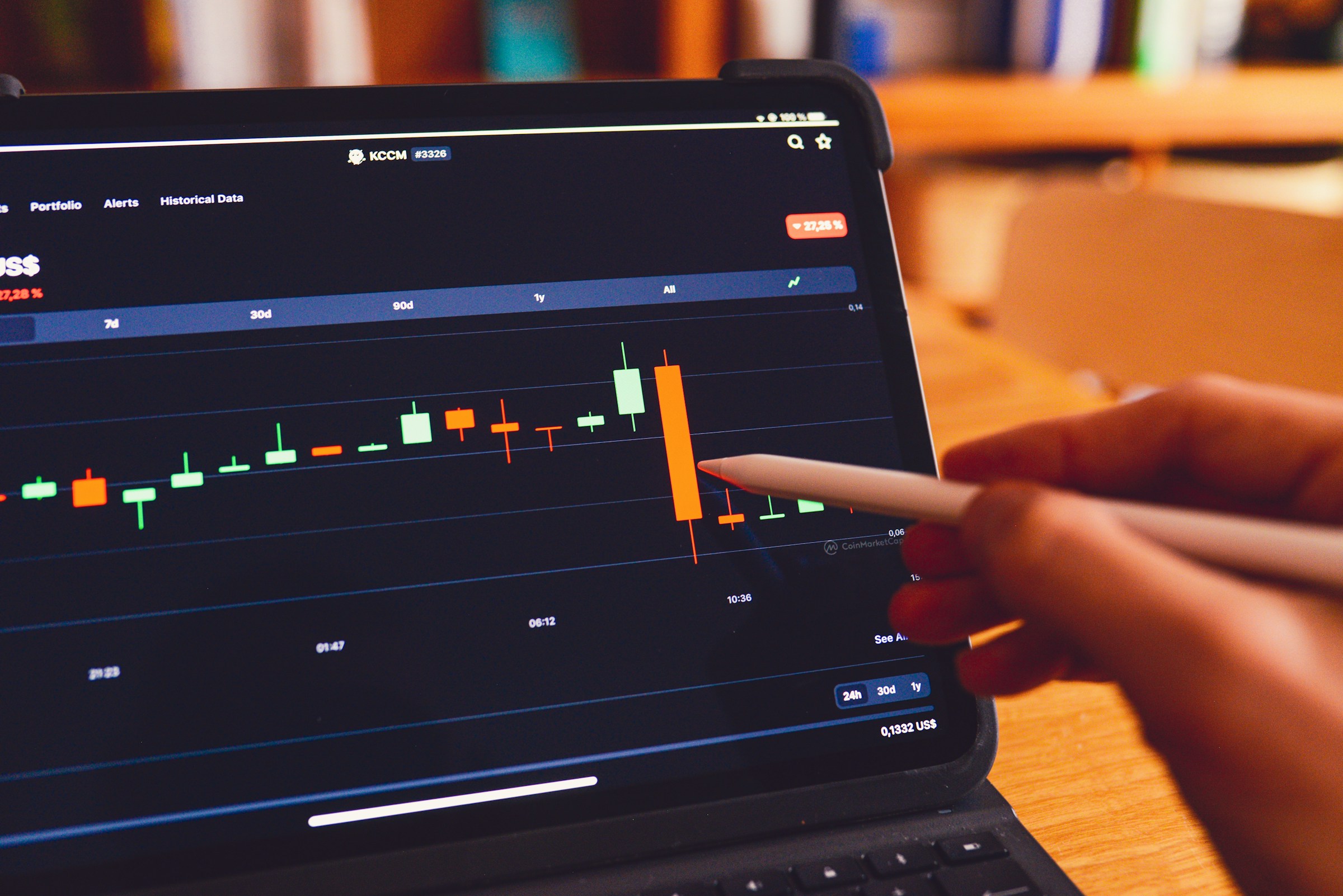
Traders often face significant setbacks when a double top pattern unexpectedly reverses a stock’s upward momentum. Price action paired with resistance and volume confirmation signals can transform an anticipated rise into a costly collapse. Recognizing these formations through AI Stock Technical Analysis helps traders catch shifts early and avoid losses. A firm grasp of these signals is essential for identifying bearish reversals with precision.
Automated tools reduce manual chart scanning by detecting twin peaks, neckline breaks, and volume divergence. They provide actionable insights that confirm setups and optimize entry points for short trades. MarketDash's market analysis tools streamline the process by promptly flagging reversal patterns and reinforcing effective risk management strategies.
Summary
- Double top patterns deliver a 65-70% success rate when properly confirmed, according to research from VT Markets and HighStrike Trading. That figure reflects trades in which the price reaches the projected target after breaking the neckline, indicating that more setups succeed than fail, but only three out of every ten confirmed patterns deliver the expected move. The consistency across independent analyses suggests the pattern has genuine predictive value when traders wait for confirmation and set realistic targets, recognizing that this offers a probabilistic edge rather than a guarantee.
- Pullbacks occur in roughly 61% of breakouts after the neckline breaks, creating a challenge that catches unprepared traders. When the price breaks the neckline, traders enter short, and the price rallies back to retest that broken support before continuing lower. If you didn't anticipate this behavior, the pullback can feel like failure and tempt you to exit prematurely. Recognizing that these retests are common keeps you positioned for the continuation move that follows rather than getting shaken out by normal price action.
- Volume behavior through the pattern provides critical confirmation that separates meaningful reversals from false signals. Strong volume on the first peak reflects aggressive buying as the trend extends; diminishing volume on the second peak signals reduced interest, with fewer participants willing to chase the price higher. Volume then surges again on the neckline break, confirming that sellers are driving the move with conviction. When this sequence aligns properly, it enhances confidence that the reversal is genuine rather than a temporary pause in an ongoing uptrend.
- The measured move calculation provides traders with a logical price target by measuring the vertical distance from the peaks to the neckline and projecting that same distance downward from the breakout point. This method offers a minimum target based on the pattern's structure, reflecting the idea that the decline should at least match the height of the failed rally attempt. Actual price movement may exceed or fall short of this projection depending on prior support levels, moving averages, or psychological round numbers that can halt the decline before reaching the calculated target.
- Double tops on higher timeframes carry significantly more weight than those forming on intraday charts. Longer timeframes reflect broader shifts in sentiment across trader types, from retail participants to institutional investors, while short-term formations may simply capture intraday volatility rather than meaningful trend exhaustion. When the pattern appears on weekly or monthly charts, it signals major distribution and potential for extended declines that justify larger position sizes and wider stops because the expected move is proportionally larger.
- Market analysis platforms address the challenge of manually scanning dozens of charts by surfacing double-top patterns across entire watchlists and providing visual alerts that track neckline proximity, volume divergence, and momentum confirmation in real time.
What is a Double Top Chart Pattern, and How Do I Identify It?

A double top forms when the price climbs to a peak, retreats, rallies back to about the same level, and then falls again. This M-shaped pattern shows that buyers tried to push the price higher two times, but failed both times. Repeated rejection at the resistance indicates a shift in momentum, with sellers taking over.
The pattern is not confirmed until the price breaks below the support level between the two peaks, which is often called the neckline. With this understanding, you can enhance your strategy through effective market analysis.
Traders are watching for signs of exhaustion that look like strength. The first peak hints at a continuation, while the second peak seems like another attempt. But when the price cannot exceed that earlier high, it indicates demand is drying up.
What context is needed for the pattern to matter?
The pattern needs context to matter. Without a prior uptrend, there isn't a reversal; instead, it becomes just sideways noise. Look for a clear series of higher highs leading into the formation.
The first peak appears as the price rises, then pulls back due to profit-taking. This pullback creates a trough that serves as a temporary support zone, attracting buyers who expect the uptrend to continue.
The second peak shows a change in the story. The price goes up again toward the previous high but stops near the same level.
Volume often declines on the second attempt, indicating that fewer people believe in the rally. When the price falls again without breaking through, you see conviction evaporating.
How do traders identify the neckline?
The neckline connects the low points between the peaks. Some traders draw it as a horizontal line, while others angle it slightly when the trough has several touches at different levels. In both cases, this line shows the last line of defense for buyers.
When the price closes below it, especially on higher volume, the pattern confirms. This breakout moment is when technical traders begin getting ready for the downside.
What factors affect the reliability of a double top?
Not every M-shape on a chart is important. The height of the peaks relative to the trough affects reliability. A shallow shape with peaks that are only slightly above the neckline carries less weight than a clear structure with significant separation.
The distance from the peak to the neckline also determines the price target. This target is determined by measuring the height and projecting it downward from the breakout point.
The time between peaks is also very important. If the two highs occur within days, the pattern is less pronounced than one that takes weeks or months to form. Longer timeframes usually yield more reliable signals because they show larger changes in sentiment rather than short-term fluctuations.
How does volume behavior impact the pattern?
Volume behavior provides additional evidence of price patterns. The first peak usually has strong volume because buyers are pushing hard. On the other hand, the second peak often shows lower volume, indicating fewer traders are willing to push the price higher. When the neckline breaks, a significant increase in volume is desired, indicating that sellers are serious about driving the price lower.
How can traders find double tops early?
Most investors manually review multiple charts, trying to identify these patterns before they finish. Market analysis platforms identify these patterns across entire watchlists, highlighting potential setups with visual alerts that monitor neckline proximity, volume divergence, and confirmation signals. Instead of waiting to notice the pattern in time, traders receive targeted notifications when the technical conditions align. This way, they can focus on executing trades rather than spending excessive time reviewing charts.
What psychological factors influence the double top?
The double top indicates a psychological shift in how traders view the market. After a prolonged period of rising prices, traders are becoming more confident and hope for even higher prices. The first peak indicates that optimism has reached a limit, prompting sellers to take profits. The following pullback tests whether buyers still want to push prices up.
When the price returns to the same level and fails again, it indicates a significant change in balance. Sellers get more aggressive, while buyers are hesitant to pay higher prices.
How reliable is the double top pattern?
This pattern isn't just a technical curiosity; it shows an important market trend. Research from the Corporate Finance Institute shows that double tops rank among the most recognized reversal patterns.
They tell a clear story: two failed attempts to keep rising, followed by a drop. The pattern becomes more reliable when combined with momentum indicators such as the Relative Strength Index, which can indicate bearish divergence. This occurs when the price reaches the second peak while the RSI declines.
What mistakes do traders make with this pattern?
False breakouts occur when the price briefly drops below the neckline and then rises back above it. Strongly trending markets often create false signals, especially when the overall trend remains positive. This is why confirmation matters.
A single candle below the neckline isn’t enough. Traders look for a clear close below support, ideally with follow-through in the next sessions.
Another common mistake is treating every M-shape as a double top. The double top pattern requires a previous uptrend and clear resistance at both peaks.
If the price has been moving sideways for months, those peaks might just be boundaries in the range, not signals of a reversal. Context determines whether the formation is a reliable prediction.
How should traders manage risk with double tops?
Stop-loss placement is very important for protecting against losses. Most traders set their stops just above the second peak, the point at which the bearish idea fails.
If the price goes above that level, the pattern has failed, and staying short becomes a losing bet. Therefore, risk management is essential; it changes a probabilistic edge into a sustainable strategy.
What broader factors affect the double top pattern?
Knowing the shape isn't enough. The double top is part of a broader market structure, shaped by sector rotation, earnings cycles, and macroeconomic shifts.
A pattern that forms during a strong bull market faces different odds than one that appears as sentiment becomes cautious. Volume, momentum, and confirmation signals help us separate setups worth trading from noise that may seem interesting but doesn't have follow-through.
What additional insights are there on double tops?
The structure itself tells only half the story. To fully understand double tops, traders must consider market conditions, trading volume, and the formation's time frame. Each of these elements increases the likelihood of a successful reversal.
Also, confirming the pattern with technical indicators can provide useful insights and increase the likelihood of an upcoming price move.
Related Reading
- AI Stock Technical Analysis
- What is Automated Trading
- What is Backtesting in Trading
- How To Use the Fib Retracement Tool
- Do Hedge Funds Use Technical Analysis
- What is SMA in Stocks
- Fundamental Analysis vs Technical Analysis
- How to Do Technical Analysis of Stocks
- How to Read Stocks
- Bar Chart vs Candlestick
- Day Trading Patterns
- How to Analyze a Stock Before Investing
- Volume Technical Analysis
- Quantitative Stock Analysis
Key Components of a Double Top Chart Pattern

The pattern has six distinct elements that show possible reversals. Each part gives important information about buyer exhaustion and seller aggression. If you miss even one element, it can weaken the signal and increase the risk of mistaking noise for meaningful price action. Understanding these elements can help improve your overall market analysis skills.
What are the two peaks in a double top?
Both peaks need to reach about the same price level. This creates a resistance zone where sellers consistently beat buyers. The symmetry is important because it indicates repeated failure at a specific point.
When the second peak forms a little lower than the first, it's often stronger than perfect symmetry. It shows that buyers couldn't even gather enough strength to test the previous high again.
How does volume behave at each peak?
Examine how volume behaves at each peak. The first one usually shows strong participation as the uptrend peaks. However, the second peak often occurs at a lower volume, indicating fewer traders are supporting the rally. This difference between price and volume indicates weakening conviction before the drop.
How does the time between peaks impact reliability?
The time between peaks affects reliability. A formation that takes weeks to develop is more significant than one that finishes in just a few days. Longer timeframes show larger changes in sentiment, including views from traders ranging from regular participants to large institutions. On the other hand, short-term M-shapes may only show intraday volatility and not indicate that a significant trend is coming to an end.
What does the pullback indicate in the pattern?
Between those two peaks lies a pullback that creates the pattern's valley. This temporary decline indicates that selling pressure is winning for now, allowing the price to decline before another rally attempt. The depth of this trough is greater than many traders realize.
If it is too shallow, it indicates consolidation rather than a real test of support. On the other hand, if it is too deep, the structure loses its meaning and may signal a reversal pattern.
Why is the neckline crucial in a double top?
That low point becomes the reference for your neckline, the support level that must break to confirm the pattern. Some formations show a clear horizontal dip, while others have multiple touches at slightly different levels. Either way, this area shows where buyers defended the price during the pattern's formation.
How do traders interpret breaks below the neckline?
The support line drawn across the trough acts as the pattern's confirmation threshold. As long as the price stays above it, the chance for an uptrend stays strong, even if there are some failed peaks.
However, once the price closes clearly below this level, market control shifts from buyers to sellers.
What does decisive closing below the neckline signify?
Decisive matters here. A single candle dipping below support isn't confirmation. Traders often struggle with false signals when identifying double-top patterns, as premature peaks without neckline confirmation can lead to whipsaws.
You want a clear close below the neckline, ideally followed by additional downside in subsequent sessions. That follow-through proves sellers are committed, not just testing support.
How does volume play a role during the neckline break?
The neckline break often happens with increased volume, which adds another layer of confirmation. This rise in activity shows conviction behind the move, helping to separate meaningful breakdowns, Head and Shoulders Chart Pattern (Complete Trading Guide), from temporary dips that quickly go back up. When both price and volume confirm, the signal becomes much stronger.
What does the volume sequence reveal?
The volume sequence across the pattern gives us insight into participation and commitment. Strong volume on the first peak shows active buying as the trend continues. Lower volume on the second peak suggests less interest, with fewer participants wanting to push the price higher. After that, volume increases again when the neckline breaks, confirming that sellers are executing the move with conviction.
Can invalid volume behavior occur in double tops?
Not every valid double top exhibits consistent volume behavior, making it difficult to assess the pattern's reliability. However, when volume matches expectations, it increases confidence that the reversal is genuine rather than a brief pause in an ongoing uptrend.
How to estimate potential downside after a neckline break?
Once the neckline breaks, you can estimate how much the price might go down by measuring the vertical distance from the peaks to the neckline. Then, project this height downward from the breakout point to identify the minimum target for the decline. This method gives a clear objective based on the pattern's structure. It helps you set profit goals or assess whether the risk-reward ratio makes a trade worthwhile.
What influences actual price movement after targeting?
Actual price movement may be higher or lower than the expected target, depending on market conditions. Factors such as support levels below the neckline, sector momentum, and overall market sentiment affect whether the price reaches the target. The projection is a starting point, not a promise.
Why is a prior uptrend necessary for the pattern?
A prior uptrend is essential for the pattern to work as a reversal signal. Without the earlier increase, the movement appears to be sideways action within the range boundaries rather than exhaustion. The uptrend gives the necessary context, making the two failed peaks important. It shows that buyers pushed aggressively higher before hitting resistance that they ultimately could not overcome.
How can market analysis platforms assist traders?
Scanning charts by hand for these formations across many tickers can quickly become tedious.
Traders look for symmetry, measure the depth of troughs, monitor how volume behaves, and wait for confirmation, all while other trading opportunities may arise elsewhere.
Market analysis platforms, such as MarketDash, show these patterns across entire watchlists. They highlight potential setups with visual alerts that track proximity to the neckline and other confirmation signals.
Instead of hoping to catch the formation before it completes, traders receive notifications when the technical conditions are met. This helps them focus on execution rather than spending time reviewing charts.
How do momentum indicators enhance trading with double tops?
The pattern's reliability improves when combined with momentum indicators that show bearish divergence as price forms the second peak.
For example, if the Relative Strength Index trends lower as price reaches this second high, that divergence provides additional confirmation that momentum is fading, even as price attempts to reach new highs.
What is the next step after understanding components?
While understanding these components is important, it only takes you halfway to profitable execution.
Is Trading a Double Top Chart Pattern Profitable?

Many traders believe that spotting a double top chart pattern automatically guarantees easy profits by shorting the market at the peak of an uptrend. However, real-world results show this isn't always true; success depends on rigorous validation and context, not just shape alone.
According to a detailed analysis on the Personal Finance Lab resource, the double top pattern delivers a bearish reversal in 75% of cases. The expected price target is reached in 71% of instances once the neckline breaks.
Additionally, the downward move continues strongly in 83% of breakouts, although a pullback, temporary bounce back to the neckline, occurs in 61% of situations. These numbers show strong potential but also remind us that the pattern isn't always reliable; failures occur in about one out of four cases.
What is the success rate of double top patterns?
Double top patterns deliver a success rate of approximately 65-70% when properly confirmed. This rate shows trades where the price hits the expected target after breaking the neckline. Although this percentage indicates that more setups succeed than fail, it also shows that three out of every ten confirmed patterns do not produce the expected move.
How do realistic expectations affect trading?
These figures matter because they set realistic expectations. It's important to understand that trading is not a foolproof system. Instead, it's a strategy that works more often than it fails, as long as you execute with precision. The difference between a 65% success rate and 100% is where risk management, stop placement, and position sizing become critical.
Which conditions improve profitability in double-top patterns?
Profitability improves a lot when a double top forms after a sustained uptrend. It's especially good when the pattern shows declining volume on the second peak and then breaks the neckline strongly. These conditions make it more likely that exhaustion is real and that sellers are serious.
On the other hand, patterns that lack these features typically produce weaker moves or false breakdowns that reverse quickly.
What challenges do traders face during breaks?
Premature entries before neckline confirmation often result in whipsaws and losses. Traders see the second peak forming and think that a decline is certain, so they short before the pattern is confirmed. When the price bounces back above the neckline, those positions get stopped out. Waiting for a clear close below support separates disciplined trades from impulsive guesses.
Pullbacks occur in about 61% of breakouts, creating additional challenges. After the price breaks the neckline and traders go short, the price often reverses and tests the broken support again. If this behavior is unexpected, the pullback can feel like a failure, which may lead you to exit too soon. Understanding that these retests are common helps you stay prepared for the next continuation move.
How do external factors affect double top patterns?
External factors, such as news events, earnings releases, or broader market trends, can significantly alter double-top patterns. A good double top might not work if the sector receives a bullish catalyst or the overall market rallies significantly. Although the pattern indicates technical exhaustion, fundamental developments can create new demand, rendering the setup no longer valid.
How can other analysis tools improve trading results?
Combining the double top pattern with other analysis tools greatly improves trading results. For example, if momentum indicators show bearish divergence, the broader market is weakening, or sector rotation moves away from a specific stock, these factors strengthen the case for the stock price to decline. Relying solely on the pattern exposes traders to influences that the chart does not show. Understanding the importance of combining these elements can lead to more effective market analysis.
What role do market analysis platforms play?
Most traders review charts manually, seeking patterns before they are complete, while also monitoring volume, momentum, and market conditions. This can get very busy when watching many tickers. Market analysis platforms show these patterns across all watchlists.
They mark potential setups with visual alerts that track proximity to key levels, volume changes, and confirmation signals. Instead of waiting to see the pattern while managing multiple indicators, traders receive alerts when the technical conditions align. This way, they can focus on executing trades rather than endlessly checking charts.
How can risk management increase profitability?
A 65-70% success rate only yields profits if losing trades are managed properly. A stop-loss placed just above the second peak limits damage when the pattern fails. If 2% is risked per trade and the goal is to achieve a move equal to the pattern height, a risk-reward ratio of 1:1 can help maintain long-term profits, even with a 35% failure rate.
Position sizing is just as important. Risking too much on any single setup, even if the odds look good, can lead to losses that erode both confidence and capital. Keeping position sizes consistent and modest allows the statistical advantage to show over enough trades, eventually leading to the expected returns.
What is the key to consistent returns?
Recognizing a double top pattern doesn't guarantee profits. To achieve consistent returns, execute with patience, wait for confirmation, manage risk, and accept that some setups may fail even when executed correctly.
While statistics show an edge, capturing it requires discipline, which many traders struggle to maintain.
What does the double top pattern represent?
The double top pattern offers a structured approach to market reversals. Data show frequent bearish outcomes when specific conditions align. However, the real challenge is not just spotting the M-shape. It is about understanding the market dynamics that cause such patterns.
How to Trade a Double Top Chart Pattern

Trading a double top means entering short positions, after confirmation, placing stops above the invalidation point, and targeting downside based on the pattern's measured move. You're not predicting the reversal.
You're reacting to signs that buyer momentum has already collapsed. The difference between these two approaches determines whether you profit from the setup or get caught in trades that reverse before reaching your targets.
The mechanics sound simple until you face live markets, where confirmation arrives late, pullbacks test your belief, and false breakouts stop you out before the real move happens.
Execution separates traders who see the pattern from those who consistently profit from it.
When should you enter a trade?
Most losing trades on double tops happen because traders enter too early. They might see the second peak forming and think that a decline is certain, shorting before the pattern fully confirms.
When the price bounces back above the neckline, those positions get stopped out at a loss. The pattern becomes actionable only when the price closes clearly below support, showing that sellers have taken control.
This close needs conviction. A single candle dipping below the neckline does not confirm anything. Traders want to see a clear close below support, ideally with increased volume, followed by continuation in the next session. This sequence shows that the breakdown is not just a brief test of support but a real shift in market control.
Some traders decide to wait for a pullback after the initial breakdown, entering when the price retests the broken neckline from below. This approach provides an additional layer of confirmation.
If the neckline now acts as resistance, rejecting the price with a bearish candlestick pattern, that rejection strengthens the idea that the reversal is real. The trade-off is that not every breakdown results in a pullback, so traders may miss some moves by waiting for this extra confirmation.
How do you manage risk?
Place your stop just above the second peak or the most recent swing high. This level shows where the bearish thesis breaks down. If the price rises above that level, the double top has failed, and remaining short becomes a losing strategy.
The distance from your entry to the stop determines your position size, ensuring risk remains constant across trades.
Tighter stops near the neckline may seem attractive in volatile conditions, but they increase the risk of being stopped out by normal price movements. The pattern's structure defines the logical point at which it no longer makes sense.
So, placing your stop below that level risks getting shaken out before the real move begins. Risk management isn't about shortening the distance to your stop; it’s about placing the stop where market structure indicates the trade idea is no longer valid.
What is the target for a double top?
To set a target for a double top, measure the vertical distance from the peaks to the neckline. Then, project that same distance downward from the breakout point.
This measured move sets a minimum target based on the pattern's structure, assuming the drop should at least match the height of the failed rally attempt.
Actual price movement may exceed or fall short of this projection, depending on the factors below. Important levels, such as prior support levels, moving averages, or psychological round numbers, may stop the decline before it reaches the calculated target.
Recognizing these potential obstacles in advance allows for adjustments to expectations. By taking partial profits at reasonable resistance levels, traders can avoid waiting for a target the price may never reach.
How do you take profits effectively?
Partial profit-taking at 50-60% of the projected move helps secure gains while keeping the option to capture the full decline if momentum continues. This strategy improves the win rate by banking profits on early stops, while still allowing participation in trades that reach their full targets. Finding the right balance between securing gains and maximizing potential is key to defining whether overall results grow over time.
What role does volume play?
Volume behavior through the pattern adds conviction. There is strong volume on the first peak, weaker volume on the second, and then surging volume on the breakdown.
This confirms that participation matches the narrative. When the volume doesn’t align, like when the breakdown happens with light activity or the second peak has stronger volume than the first, the pattern is not as strong.
Momentum indicators such as RSI or MACD can indicate bearish divergence as the price approaches the second peak.
If RSI trends lower while the price remains unchanged, this divergence indicates weakening momentum despite the price attempting to reach new highs. These signals do not replace pattern confirmation; however, when they match, they strengthen the case.
How can tools help in trading this pattern?
Traders often monitor multiple charts simultaneously. They track volume bars and check momentum indicators, while also looking for neckline breaks across many tickers. This can be a lot to manage, especially when they are trying to catch formations before they finish, all while overseeing open positions.
Market analysis platforms can help by showing these patterns across whole watchlists. They highlight possible setups with visual alerts. These alerts monitor factors such as neckline proximity, volume differences, and confirmation signals.
Instead of relying on their gut to spot patterns while juggling multiple indicators, traders receive tailored notifications when technical conditions align. This helps them focus more on execution rather than spending forever reviewing charts.
What should you do after entering a trade?
Once the position is live, managing it is just as important as the first entry. Move your stop to breakeven once the price reaches halfway to your target. This strategy helps protect against losses if the trade moves against you. Also, using trailing stops with moving averages lets you take advantage of longer price movements while providing an exit if the trend shifts back to bullish.
When to exit a double top trade?
Exit signals typically include reaching your target, seeing a momentum divergence reversal, or noticing the price return above the neckline. If the price closes back above the neckline after a breakdown, the pattern has failed, so staying short is no longer warranted. Discipline here helps prevent small wins from turning into losses and ensures you are aligned with current market behavior rather than your expectations.
How do external factors impact the pattern?
The double top doesn't exist alone. If the overall market is performing well, the sector is building positive momentum, or important news shifts sentiment, these factors can significantly alter the interpretation of the technical setup.
A good pattern might not work simply because external factors create new demand, making the exhaustion signal less important.
Mixing the pattern with sector rotation analysis, overbought conditions on longer timeframes, or fundamental shifts that support a bearish case increases the chance that the setup will work. When several factors come together, and the technical pattern confirms while fundamentals weaken and market breadth declines, these connections boost the odds in your favor.
Related Reading
- AI Quantitative Trading
- AI Swing Trading
- Stock Sentiment Analysis
- Penny Stock Analysis
- Volume Analysis Trading
- How to Find Stocks to Day Trade
- How to Scan Stocks for Swing Trading
- Best Stock Trading Strategies
- Best Indicators for Day Trading
- Technical Analysis Trading Strategies
- Best Stock Indicators for Swing Trading
- Trading Exit Strategies
Best Strategies for Trading a Double Top Chart Pattern Successfully

Successful execution depends on discipline around confirmation, risk placement, and exit strategy. You are not chasing the pattern. You wait for the market to confirm the reversal is real, then position yourself with defined risk and logical targets. The difference between seeing the formation and making money from it comes down to how you manage the moments when the price tests your belief.
How does volume affect the breakdown?
Volume shows if participants believe in the breakdown. When the price closes below the neckline with increasing volume, it indicates sellers are investing with conviction. This increase in activity sets apart meaningful breakdowns from weak support tests that quickly reverse. On the other hand, low volume during the breakdown suggests uncertainty, indicating that the move might not continue.
It's also important to look at the volume at each peak. The first peak typically indicates strong participation as the uptrend peaks.
However, the second peak often has lower volume, indicating fewer traders are willing to push prices higher. When this pattern happens, declining volume at the second peak followed by increasing volume on the breakdown, it shows a clear shift in market control.
What tools can help traders identify patterns?
Traders often check volume bars across multiple charts to identify this alignment before the pattern concludes. Platforms that provide market analysis, such as MarketDash, show these patterns across entire watchlists. They highlight potential setups with visual alerts that track proximity to the neckline and changes in volume.
Instead of guessing the confirmation while monitoring multiple indicators, traders receive actionable notifications when the technical conditions align. This method allows them to focus on executing trades rather than constantly reviewing charts.
How should I manage my entry strategy?
Entering your full position all at once puts you at the highest risk if the breakdown doesn't happen or if there is a sudden pullback. Instead, divide your entry into two or three parts.
Take the first part when the price breaks the initial neckline; add a second part if the price moves back to the neckline from below and is rejected. Save the last part for confirmation that the drop is accelerating, ideally when the price breaks through the next support level.
This method reduces your average entry risk while still allowing you to benefit from the full move if the pattern holds. The goal isn't to find the perfect entry time; instead, you're increasing your position as the market shows that the reversal is real.
If the pattern fails early, you have only used part of your capital. On the other hand, if it succeeds, you’re still taking advantage of most of the drop.
How does divergence affect confirmation?
Bearish divergence on RSI or MACD makes the setup much stronger. When the price hits a second peak at about the same level as the first, while the RSI shows a lower high, this divergence indicates that momentum is weakening before a breakdown.
The indicator shows that upward pressure is decreasing, even as the price attempts to rise.
This confluence does not eliminate the need for neckline confirmation, but it adds conviction when the break happens. Traders are not relying solely on chart patterns; they are gathering evidence that buyer exhaustion is real and that sellers are taking control. This kind of layered verification helps maintain discipline when price action becomes unpredictable.
Should I consider measured moves and support levels?
The measured move provides a starting point, but it's important to consider what lies between your entry and the target you calculated. Factors such as prior support levels, moving averages, or psychological round numbers can prevent the price from falling below the target. Spot these challenges ahead of time, and consider taking partial profits at each level rather than waiting for a target that may not be met.
If the first major support is halfway to your measured target, sell 30-40% of your shares at that level. This way, you can secure some gains while still having the chance to benefit from the full move if the momentum keeps going.
This method increases your chances of winning by locking in profits on trades that slow down early, while still participating in trades that reach their full targets.
When should I exit my position?
Even confirmed patterns can fail. If the price goes back above the neckline after breaking down, the reversal idea is no longer valid. Staying short at that time can turn a small loss into a bigger one. So, exit immediately when the price closes above the neckline, regardless of whether it hits your stop.
Watch for momentum divergence as well. If the RSI forms higher lows while the price continues to decline, this positive divergence indicates that selling pressure is weakening.
The move might lose momentum before hitting the target. Taking profits early when divergence occurs helps protect your gains and keeps you aligned with the market's actual movements.
Does the timeframe affect the validity of the pattern?
A double top on a daily chart is more significant than one on a 15-minute chart. Longer timeframes reveal broader shifts in sentiment across different types of traders, including retail buyers and large companies. Short-term patterns may capture only intraday volatility rather than indicating genuine trend exhaustion.
When this pattern appears on weekly or monthly charts, it indicates major selling and a higher likelihood of longer-term price declines. These setups allow for larger position sizes and wider stops because the expected move is relatively bigger. The downside is fewer opportunities, but the ones that do come up usually yield more reliable outcomes.
How does sector strength influence the pattern?
A double top in a stock within a weakening sector strengthens the bearish case. If the whole sector is falling out of favor, breadth indicators show reduced participation, and the stock's strength relative to the overall market is weakening. These factors increase the likelihood that the individual setup will succeed. This pattern is part of a larger picture, and when that picture looks bearish, trader conviction increases.
On the other hand, a double top forming while the sector is strong faces big challenges. External momentum can completely change the situation, introducing new demand that offsets the exhaustion signal. Checking for sector weakness before investing reduces the risk that broader trends will work against your position.
Will perfect execution guarantee a successful trade?
Even perfect execution cannot guarantee that every trade will succeed.
Related Reading
- Stock Market Technical Indicators
- Tools Of Technical Analysis
- Tradingview Alternative
- Trendspider Vs Tradingview
- Ninjatrader Vs Tradingview
- Tradovate Vs Ninjatrader
- Ninjatrader Vs Thinkorswim
- Tradestation Vs Thinkorswim
- Tradestation Vs Ninjatrader
- Thinkorswim Vs Tradingview
Try our Market Analysis App for Free Today | Trusted by 1,000+ Investors
Trading reversals takes more than just recognizing patterns. It needs speed, confirmation from multiple signals, and the skill to distinguish high-probability setups from market noise before the move occurs. Manually checking charts requires traders to review multiple charts, monitor volume, and watch momentum indicators, hoping to spot the setup before it's complete. By the time everything is confirmed, the best entry point is usually gone.
MarketDash gives you curated precision when timing is important. Our platform identifies double-top patterns across your entire watchlist and provides real-time alerts that track how close you are to the neckline, volume behavior, and momentum changes. You no longer need to spend hours reviewing charts; you will be notified when the technical conditions align.
This is backed by AI-powered analysis that mixes pattern recognition with fundamental strength, valuation metrics, and insider activity. This combination helps you see if the reversal setup is supported by weak fundamentals or challenged by positive factors that might be overlooked on a price chart alone.
More than a thousand investors trust MarketDash because we cut through data overload to provide actionable insights organized by your time frame. Whether you are trading short-term reversals or building long-term positions, our expert curation makes overwhelming market information into specific picks you can confidently act on.
Start your free trial today and see how precision can replace guessing when the important signals reach you first. market analysis
Get Market News Alerts
Real-time alerts on price moves, news, and trading opportunities.
Join 20,000+ investors. No spam, ever.
Featured Articles
View all news
S&P 500 and Nasdaq 100 Set Fresh Records as Google's Nuclear Deal Ignites a Power Stock Rally

The S&P 500 Is Partying at Record Highs: Only 3% of Its Stocks Were Invited

Vistra Stock Jumps 10% as Google's Nuclear Bet Ignites Power Sector Rally

Google's 20-Year Nuclear Bet: Constellation Energy Rallies 8% as Big Tech Keeps Buying Power

Nvidia, Apple And Microsoft Now Drive 21% Of The S&P 500: How Much Do ETF Investors Actually Own?

Gold Holds Above $4,000 as Central Banks Keep Buying and Retail Investors Keep Watching

Think NVIDIA's AI Boom Is Priced In? Analyst Says Wall Street Is Underestimating the Next 6 to 8 Quarters