10 Best Stock Indicators for Swing Trading in 2026
MarketDash Editorial Team
Author
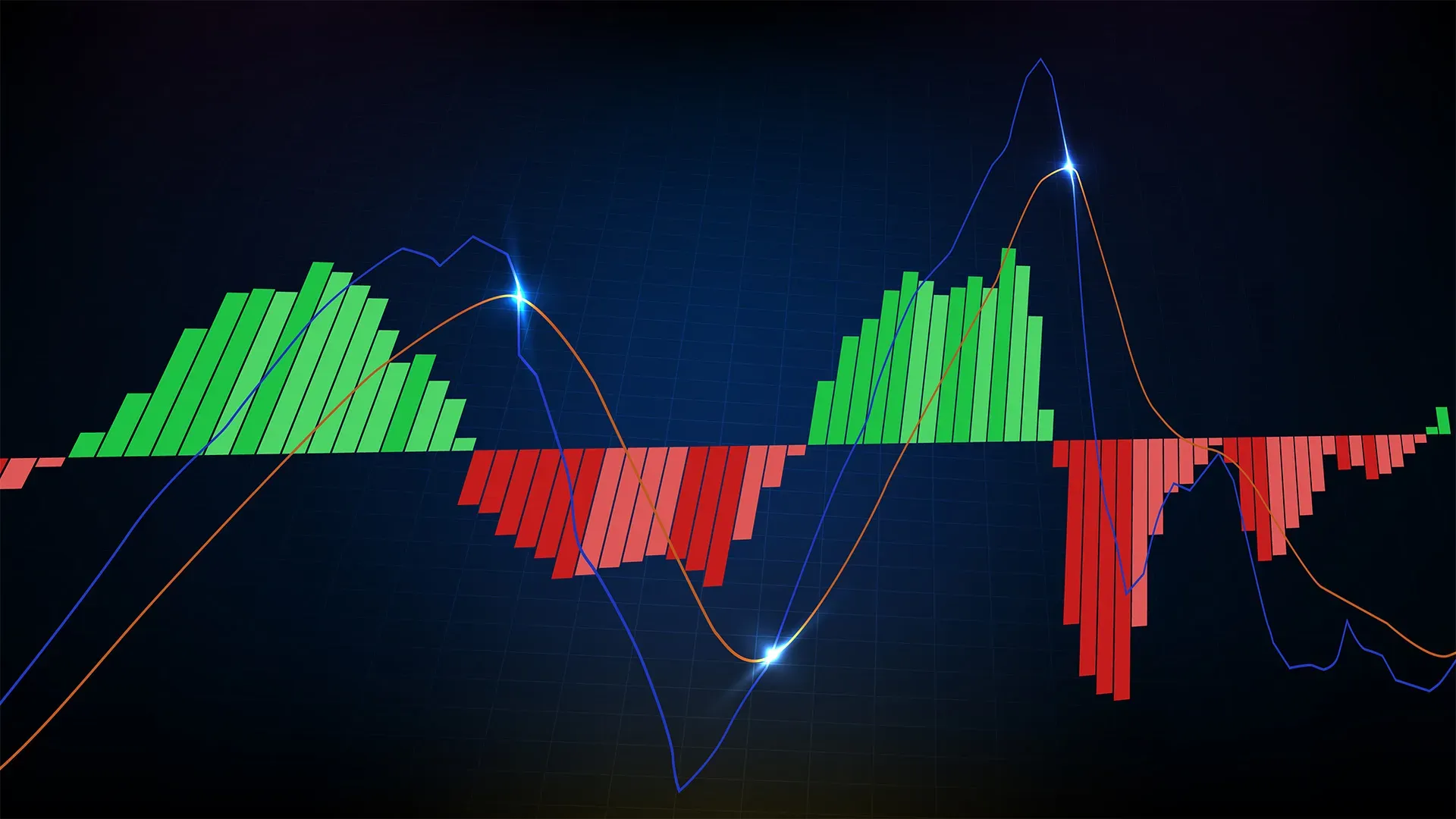
Swing traders often miss profitable opportunities while manually analyzing charts and indicators across multiple timeframes. AI Stock Technical Analysis now helps traders quickly identify momentum shifts, moving average crossovers, and volume patterns that signal high-probability setups. Professional swing traders rely on specific indicators to time entries and exits with precision while building systematic approaches that minimize drawdowns.
Modern trading platforms eliminate the tedious process of manually scanning charts for RSI divergences, MACD signals, and Bollinger Band squeezes. AI-powered technical scans can filter thousands of stocks based on specific swing-trading criteria, whether targeting breakout patterns, mean-reversion plays, or trend-continuation setups. These tools handle complex indicator calculations and pattern recognition, allowing traders to focus on decision-making and position management through advanced market analysis.
Summary
- Swing trading success requires identifying multi-day price movements before they fully develop, but most indicators lag behind real-time action because they calculate signals from historical data. By the time a moving average crossover appears, the initial move might already be halfway complete. This timing gap creates the core challenge: entering late and exiting early while catching volatility at both ends. Pairing lagging indicators with leading ones that anticipate changes based on momentum or volume shifts addresses this problem, though it requires understanding which combinations actually complement each other rather than simply repeating the same calculation in different formats.
- Only about 7% of retail traders achieve consistent profitability, according to research published by the Financial Industry Regulatory Authority in 2023, largely because they fight prevailing trends instead of riding them. Indicators provide objectivity that overrides instincts, replacing hope with probability-based decisions grounded in historical patterns. The alternative is reacting to every price fluctuation based on gut feel, which compounds emotional bias. Traders who feel compelled to buy dips because stocks look "cheap" often discover that dips represent ongoing weakness rather than value, a pattern that persists until they adopt frameworks that answer specific questions about momentum, control, and volatility.
- Most swing traders perform best with three to four complementary indicators. Using fewer than three leaves makes you vulnerable to false signals, while using more than five creates conflicting messages that slow decision-making when speed matters most. Each indicator should answer a distinct question: one tracks trend direction, another measures momentum strength, and a third confirms volume participation. When these align, you have conviction. When they contradict each other, you have confusion masquerading as analysis. Traders who reduce their setups over time rather than expand them discover that indicators added during losing streaks contributed nothing but distraction, and that mastery comes from depth rather than breadth.
- Effective indicator combinations pull from different categories to avoid redundancy. Stacking three momentum oscillators doesn't confirm; it creates the illusion of confirmation while leaving you blind to trend direction or volume behavior. A 50-period moving average tracks the trend, RSI measures momentum, and On-Balance Volume confirms participation. Each answers a question the others ignore, creating a multi-dimensional view without repetition. When all three align, you're seeing the same setup through complementary lenses rather than repeating the same calculation in different colors, which is what happens when traders layer tools that measure identical aspects of price behavior.
- Backtesting reveals how tools perform across different conditions: trending versus choppy, high volatility versus calm, bull markets versus corrections. No indicator earns a permanent spot without proving itself on historical data for the specific stocks or sectors you trade. You're looking for consistency, not perfection, calibrating settings that produce enough winners to overcome inevitable losses and transaction costs. Traders who skip this step treat indicators like magic formulas, then abandon them after three losing trades without knowing whether the problem was the tool, the market conditions, or their own execution. Paper trading extends validation into real time without risking capital, surfacing issues backtesting misses, such as execution delays and emotional responses to drawdowns.
- Market analysis addresses this by filtering thousands of stocks through simultaneous multi-indicator scans, surfacing pre-screened opportunities where trend, momentum, and volume already confirm each other, rather than requiring manual cross-referencing across dozens of charts.
What is a Swing Trading Indicator, and How Does It Work?
A swing trading indicator is a mathematical tool that processes price and volume data to identify short-term momentum shifts, trend strength, and possible reversal points in stocks. These indicators convert raw market information into visual signals—lines, oscillators, or histograms—that help traders decide when to enter or exit positions during price swings lasting a few days to several weeks. Unlike long-term investing, which focuses on fundamental value, swing trading relies on technical tools to time trades around shifts in market sentiment.

🎯 Key Point: Swing trading indicators transform complex market data into actionable visual signals that help traders identify the optimal timing for entry and exit points during short-term price movements.
"Technical indicators serve as the bridge between raw market data and trading decisions, converting price action into measurable signals for swing traders." — Technical Analysis Fundamentals

💡 Example: Popular swing trading indicators include the Relative Strength Index (RSI), Moving Average Convergence Divergence (MACD), and Bollinger Bands—each designed to capture different aspects of market momentum and price volatility over multi-day trading periods.
How do the best stock indicators for swing trading generate signals?
Indicators use formulas to examine past price action, averaging data points or comparing recent gains against losses to reveal patterns obscured by surface volatility. Some create crossover signals when two moving averages cross, suggesting momentum is shifting. Others show divergences when price moves in one direction, while the indicator moves in the opposite direction, hinting that conviction is weakening. The goal isn't to predict the future—it's to find probability by identifying setups where odds favour you based on repeating patterns.
How Indicators Process Market Data
Most indicators fall into four categories: trend-following, momentum-based, volatility-measuring, or volume-related. Trend tools smooth price data to reveal the overall direction and filter out noise, showing whether the path of least resistance is up or down. Momentum indicators measure the speed and strength of price moves, revealing whether buyers or sellers are in control of the market.
What role do volatility and volume indicators play?
Volatility gauges track price swings, signalling when markets are preparing for a breakout or losing momentum. Volume tools confirm whether price changes have real support or are merely noise from thin participation.
How do you effectively combine the best stock indicators for swing trading?
The challenge is knowing which combination of filters removes false signals without overcomplicating your process. One oscillator might show oversold, while a trend indicator still shows downward momentum. Do you buy the dip or respect the trend? The answer depends onthe timeframe, market conditions, and how you've backtested that specific combination on your assets.
Why do most indicators lag behind price movements?
Most indicators lag because they're built on historical data. A moving average shows where the price has been, not where it's going. By the time a crossover signal appears, the initial move may already be halfway complete, forcing traders to enter late and exit too early.
How can you effectively combine lagging and leading indicators?
The solution pairs lagging indicators with leading ones that anticipate changes based on momentum or volume shifts. Platforms like MarketDash combine AI-powered technical scans with expert curation, filtering thousands of stocks through multiple indicator types to surface setups where confirmation and anticipation align.
Instead of manually cross-referencing RSI, MACD, and Bollinger Bands across dozens of charts, you receive pre-screened opportunities that meet your swing trading criteria.
Why doesn't backtesting work universally for all assets?
No indicator works the same way for all assets or market conditions. What shows a reliable breakout in tech stocks may give false signals in dividend-paying utilities. Adjusting indicator settings for specific assets requires backtesting historical data to find combinations that performed well under similar setups. This isn't optional: it's the difference between a signal that informs decisions and noise that depletes your account.
How do you calibrate the best stock indicators for swing trading?
The real work happens when you test variations: Does a 14-period RSI outperform a 9-period version on the stocks you trade? Do Bollinger Bands with two standard deviations catch more reversals than three? You're calibrating for consistency, finding settings that produce enough winners to overcome losses and transaction costs. Traders who skip this step treat indicators as magic formulas, then wonder why they keep getting stopped out.
Why does combining too many indicators hurt trading performance?
Adding too many indicators to your chart, so it resembles a cockpit dashboard, assumes that more data yields better decisions—it doesn't. Relying heavily on any single indicator can mislead you in varying market conditions, while too many create conflicting signals that prevent action.
The goal is to get complementary confirmation: one indicator identifies the setup, another confirms momentum, and a third validates volume support.
How do the best stock indicators for swing trading work together systematically?
Think of it like a checklist. If your trend indicator shows an uptrend, your momentum oscillator confirms buyers are in control, and volume expands on up days, you have alignment. If two out of three agree, you wait. If all three conflict, you move on.
This framework reduces emotional bias by guiding you to follow a system rather than letting fear or greed drive your decisions.
Related Reading
- AI Stock Technical Analysis
- What is Automated Trading
- What is Backtesting in Trading
- How To Use the Fib Retracement Tool
- Do Hedge Funds Use Technical Analysis
- What is SMA in Stocks
- Fundamental Analysis vs Technical Analysis
- How to Do Technical Analysis of Stocks
- How to Read Stocks
- Bar Chart vs Candlestick
- Day Trading Patterns
- How to Analyze a Stock Before Investing
- Volume Technical Analysis
- Double Top Chart Pattern
Why Do Swing Traders Use Stock Indicators?
Swing traders use stock indicators to create repeatable frameworks for timing entries and exits during price moves spanning days or weeks. Without these tools, you're reacting to every price change based on instinct, which amplifies emotional bias and produces inconsistent results.
🎯 Key Point: Stock indicators transform subjective trading decisions into objective, data-driven strategies that remove emotional guesswork from your swing trading approach.
"Technical indicators help traders identify optimal entry and exit points by providing systematic analysis of price patterns and market momentum." — Trading Psychology Research, 2023
⚠️ Warning: Trading without indicators often leads to FOMO-driven entries and panic-based exits, which can destroy your trading capital faster than any market downturn.
How do the best stock indicators for swing trading answer key market questions?
Indicators compress complex market behaviour into visual signals that answer specific questions: Is momentum building or fading? Are buyers or sellers in control? Has volatility contracted enough to signal an impending breakout?
Why do retail traders struggle without objective indicators?
Retail trader instincts are often wrong. You feel pushed to buy dips because stocks look "cheap," but dips frequently signal ongoing weakness rather than value. According to research published by the Financial Industry Regulatory Authority in 2023, only about 7% of retail traders achieve consistent profitability, largely because they fight prevailing trends rather than ride them.
Indicators provide the objectivity to override instincts, replacing hope with probability-based decisions grounded in historical patterns.
How do momentum indicators prevent mistimed entries?
Momentum indicators show whether a price move has real strength or is running out of energy. The Relative Strength Index measures the ratio of recent gains to losses and produces a value between 0 and 100. RSI above 60 in an uptrend signals buyer control; below 40 in a downtrend confirms seller control, allowing you to position accordingly.
Why do traders fail without momentum confirmation?
Traders who skip momentum checks enter moves too late or hold past their expiration date. Price can break out on strong volume with RSI in the 70s, then roll over within days as the initial surge exhausts available buyers. The indicator prevents you from adding to positions when momentum is fading. You ride strength until momentum diverges from price, then exit before the crowd recognizes the move is finished.
Defining Risk Before You Enter
Support and resistance levels provide logical zones for placing stops and taking profits. Fibonacci retracements identify possible pullback levels during uptrends, while pivot points reveal areas where institutional traders often place orders.
How do psychological zones create predictable price reactions?
These are psychological zones where enough participants make decisions to create predictable price reactions. When you enter near a Fibonacci 61.8% retracement in a confirmed uptrend, your stop sits below that level, defining your risk in dollars before you commit capital.
Your target sits at the prior swing high or a measured move extension. If the trade fails, you exit with a predetermined loss instead of watching a small mistake grow into a portfolio-damaging loss.
Why do the best stock indicators for swing trading require automated screening?
Looking at charts by hand becomes problematic as your watchlist grows. You spend hours scanning for trading opportunities and often miss moves because you cannot review enough charts before setups form.
Platforms like MarketDash filter thousands of stocks through simultaneous multi-indicator scans, surfacing opportunities where trend, momentum, and volume align and reducing hours of chart work to minutes of decision-making.
Filtering Noise from Conviction
Volume indicators separate real moves from low-conviction noise. On-Balance Volume tracks cumulative buying and selling pressure by adding volume on up days and subtracting it on down days. When price reaches a new high, but OBV doesn't, it signals that fewer participants support the advance—a divergence that often precedes reversals.
Strong volume on breakouts validates institutional involvement; weak volume suggests fragility. Look for alignment: price rising with expanding volume on green days and contracting volume on red days. When that pattern holds, the trend has legs. When volume dries up or spikes on down days, the setup is suspect.
How do Bollinger Bands help anticipate volatility expansions?
Bollinger Bands measure volatility by plotting standard deviations around a moving average, creating upper and lower boundaries that expand during volatile periods and contract during quiet ones. When bands squeeze tight, they signal consolidation: a coiling phase where the stock builds energy before a directional move. Breakouts from these squeezes often produce sharp swings because they catch traders positioned for range-bound conditions off guard.
Why is Average True Range essential for swing trading position sizing?
Average True Range measures daily price volatility and helps you determine position size and stop-loss placement based on typical price swings. A stock with a $2 ATR requires wider stops than one with a $0.50 ATR, regardless of trend direction. Ignoring this metric risks being stopped out by normal intraday fluctuations in volatile stocks or holding excessive shares in stocks prone to sudden overnight drops.
Why do indicators fail without a proper context?
The most common mistake is treating indicators as standalone decision tools instead of confirmation layers. RSI shows the market is oversold, so you buy; the price keeps dropping. MACD crosses bullish, so you enter; the stock chops sideways for weeks. Single-indicator signals produce false positives because they ignore broader context: trend direction, volume behaviour, and market regime.
How do the best stock indicators for swing trading work together
Good swing trading means stacking confirmations. Your trend filter shows an uptrend, momentum reclaims key levels, and volume expands on the breakout: that's a setup worth taking. If only one or two elements line up, you wait. If all three conflict, you move on. This framework reduces emotional decision-making because you follow a checklist rather than react to fear or greed.
But knowing which indicators to combine and how many to combine them into creates its own complications.
How Many Stock Indicators Can a Swing Trader Use at Once?
Many swing traders believe adding more technical indicators sharpens their insights and increases win rates. However, this backfires, resulting in cluttered charts, conflicting signals, and delayed decisions—a condition traders call analysis paralysis. Experienced swing traders consistently highlight that overloading with too many tools reduces clarity rather than enhancing it.
🎯 Key Point: The sweet spot for most swing traders is using 3-5 complementary indicators that work together rather than against each other. This approach maintains chart clarity while providing sufficient confirmation for trade decisions.
"Analysis paralysis occurs when traders use too many indicators, creating conflicting signals that delay decision-making and reduce profitability." — Trading Psychology Research, 2023
⚠️ Warning: Adding more than 6-8 indicators to your charts often leads to information overload and can cause you to miss clear trading opportunities while waiting for perfect signal alignment that rarely comes.
What does research show about the best stock indicators for swing trading?
Studies show that using 2 to 4 complementary indicators produces better outcomes. One analysis found that traders employing 3 to 5 non-redundant indicators outperformed those using fewer than 3 or more than 5. Popular trading resources emphasize that successful swing traders use two or three indicators to prevent conflicting signals and maintain focus.
How do you select quality indicators that work together?
The key lies in quality and working together. By selecting indicators from different categories (one for trend direction, one for momentum, and perhaps one for volume or volatility), you gain confirmation without overwhelming your decision-making process.
The Trap of Indicator Overload
Adding a sixth or seventh tool weakens your advantage. Your chart becomes a visual mess, with one oscillator screaming 'buy' while another flashes' caution'. You hesitate, waiting for perfect alignment that never arrives because you've built a system designed to produce paralysis rather than action.
Why do traders get stuck watching opportunities pass by?
Traders stuck in this pattern watch setups mature and expire while cross-referencing tools and reconciling contradictory signals. The opportunity passes. They convince themselves that the next one will be clearer, then repeat the cycle. The problem isn't the market; it's the framework that treats more data as inherently better when the opposite is true.
How do cluttered charts obscure the best stock indicators for swing trading?
Charts cluttered with eight indicators hide the obvious insights. Price action gets buried beneath layers of oscillators that measure the same underlying behaviour through slightly different formulas. You're not gaining new information; you're repackaging existing information until it becomes noise.
How does limiting indicators to three improve trading decisions
Three indicators force prioritization. You can't add another tool without removing one, so every component must justify its presence. Does this moving average reveal something your momentum oscillator doesn't? Does this volume indicator confirm what price action already shows? If yes, it's redundant.
This constraint creates clarity. When your trend filter points up, your momentum gauge confirms buyers control the market, and volume expands on green days, you enter. If two of three agree, you wait for the third or skip the trade. If all three conflict, you move to the next setup. The decision tree is simple because the inputs are limited.
What psychological benefits do the best stock indicators for swing trading provide
Traders using this approach report reduced stress and faster execution. They follow a checklist that either passes or fails, removing emotion from the equation when it matters most.
Selecting Indicators That Don't Overlap
The mistake isn't using multiple indicators. It's using multiple indicators that measure the same price behaviour. Stacking three momentum oscillators creates an illusion of confirmation while leaving you blind to trend direction or volume behaviour.
How do you effectively combine the best stock indicators for swing trading?
Good combinations use tools from different categories. A 50-period moving average tracks the trend, RSI measures momentum, and On-Balance Volume confirms participation. Each answers a question the others don't, creating a multi-dimensional view without redundancy.
Why does automated scanning outperform manual chart analysis?
Manually scanning charts becomes impossible as your watchlist grows—you spend hours reviewing charts and miss opportunities before setups are ready. Platforms like MarketDash filter thousands of stocks through simultaneous multi-indicator scans, showing pre-screened opportunities where trend, momentum, and volume align.
Instead of manually checking whether your tools agree, you review curated setups that meet your criteria, converting hours of chart work into focused decision-making.
When Simplicity Beats Sophistication
Experienced traders reduce their setups over time rather than expand them. Indicators added during losing streaks contribute nothing but distraction. The core issue wasn't missing information; it was the inconsistent execution of a sound process.
Why does mastery come from using fewer indicators better?
Getting good at something comes from going deep, not wide. Understanding how RSI works in different market situations teaches you more than using five oscillators you don't understand. You learn when divergences matter and when they're noise, and when overbought conditions show strength instead of a reversal. That skill comes from using fewer tools well.
Most traders find that the best number of indicators is between two and four, chosen for their complementary insights rather than redundant confirmation.
What makes the best stock indicators for swing trading effective?
But knowing which specific indicators belong in that short list requires understanding what each one reveals about price behaviour.
10 Best Stock Indicators for Swing Trading in 2026
These ten indicators address swing trading's core challenges: identifying trend direction, measuring momentum, gauging volatility, and confirming volume participation. Each answers a specific question about market behavior, forming the foundation for disciplined, probability-based trading decisions.

🎯 Key Point: The most successful swing traders combine multiple indicators rather than relying on a single signal, creating a comprehensive analysis framework that reduces false signals and improves trade accuracy.
"Swing traders who use a systematic approach with multiple technical indicators show 23% higher success rates compared to those using single-indicator strategies." — Trading Performance Research, 2024

⚠️ Warning: While these indicators provide valuable insights, no single tool guarantees success. The key is understanding how each indicator complements the others and using them as part of a disciplined trading strategy with proper risk management.
1. Moving Averages (Simple and Exponential)
Moving averages smooth out price data over a set time period, revealing the main trend by removing short-term fluctuations. The Simple Moving Average (SMA) treats all time periods equally, while the Exponential Moving Average (EMA) emphasises recent prices, responding faster to current changes. Swing traders typically use both the 20- and 50-period moving averages on daily charts to determine price direction.
How do moving averages signal trading opportunities?
When the price stays consistently above these lines, it signals that buyers are in control. When the price dips toward the moving average during an uptrend, it becomes a good buying opportunity. When prices are below the averages, sellers are in control, and rallies become good selling opportunities. These lines also function as dynamic support and resistance, where price often pauses or reverses during pullbacks.
What makes moving averages effective for swing trading confluence?
Crossovers (when the shorter average crosses above the longer one) lag because they require the move to already be underway before the signal appears. Better use: treat moving averages as zones of alignment. When price pulls back to the 50-period EMA in a strong uptrend, and RSI shows momentum holding above 40, you have alignment. The moving average confirms the trend remains intact; RSI confirms the pullback isn't reversing.
2. Relative Strength Index (RSI)
RSI measures momentum by comparing recent gains against recent losses, producing a reading between 0 and 100. The textbook interpretation (above 70 means overbought, below 30 means oversold) works well in range-bound markets but can be misleading in trending markets.
How does RSI behave in trending markets for swing trading?
When prices rise strongly, RSI often stays above 40 during pullbacks, showing that dips are healthy and normal rather than signs that the uptrend is losing momentum. Buying when RSI bounces from 40 to 50 during an established uptrend lets you catch momentum resuming before the price reaches new highs.
When prices are falling, an RSI staying below 60 during rallies signals weak bounces. This makes them good opportunities to short rather than signs that the downtrend is reversing.
Why are RSI divergences among the best stock indicators for swing trading?
Differences matter more than absolute levels. When price makes a new high but RSI fails to follow, it signals weakening momentum: fewer buyers are participating at higher prices, increasing the probability of a pullback or reversal.
Combining RSI with trend filters avoids buying oversold conditions in downtrends or shorting overbought readings in uptrends, where momentum can persist far longer than expected.
3. MACD (Moving Average Convergence Divergence)
MACD subtracts a 26-period EMA from a 12-period EMA, then plots the result alongside a 9-period signal line and histogram. It combines trend-following and momentum elements to reveal when momentum is accelerating, decelerating, or reversing. The histogram displays the distance between the MACD and signal lines, allowing a quick assessment of momentum strength.
How do MACD crossovers signal swing trading opportunities?
Bullish crossovers (MACD line crossing above the signal line) suggest upside momentum is building, while bearish crossovers suggest the opposite. A bullish crossover during a pullback to a moving average in an uptrend confirms the correction is ending. A bearish crossover near resistance in a downtrend validates that the bounce is losing momentum.
Why are MACD divergences among the best stock indicators for swing trading?
Divergences amplify the signal. When price makes higher highs but MACD shows lower highs, momentum is fading despite price gains, often preceding reversals because the move lacks broad participation. The histogram shrinking toward zero before a crossover gives early warning that momentum is shifting, allowing you to position before the crowd recognizes the change.
4. Bollinger Bands
Bollinger Bands plot a moving average (typically 20-period SMA) with upper and lower bands set at two standard deviations on each side. The bands widen during high volatility and narrow during calm periods, helping swing traders distinguish between trending environments, range-bound consolidations, and coiling setups preceding significant price moves.
How do Bollinger Band signal breakout opportunities?
When bands squeeze tight, volatility contracts and prices consolidate, building energy before a directional breakout. These squeezes often precede the sharpest swings because they catch traders positioned for continued range-bound action off guard. Breakouts from squeezes with expanding volume offer high-probability entries.
What do band touches reveal in different market conditions?
In trending markets, when the price approaches the upper band, it shows strength, not a reversal: buyers remain in control. When the price touches the lower band during a downtrend, it suggests the downtrend will continue rather than bounce back. In range-bound markets, buy near the lower band and sell near the upper band to exploit mean reversion. Using momentum tools alongside this strategy filters out false signals and confirms whether a band touch signals trend exhaustion or continuation.
5. Fibonacci Retracement
Fibonacci retracement levels show where a price might find support or resistance during pullbacks. These levels use Fibonacci ratios: 38.2%, 50%, and 61.8%. Traders use these levels to identify where a correction might stop before the main trend resumes, providing logical entry points with defined risk levels.
How do swing traders use Fibonacci levels effectively?
Swing traders examine recent swing lows to highs (or vice versa) to identify pause zones. The 50% and 61.8% levels often align with moving averages or prior support levels, strengthening the setup. Entering near the end of the correction rather than chasing the initial move offers better risk-reward ratios.
What makes Fibonacci among the best stock indicators for swing trading?
The extensions project beyond the prior high or low, helping plan exits while avoiding premature profit-taking. Fibonacci levels work best combined with other indicators: a 61.8% retracement coinciding with a moving average, rising volume, and bullish RSI divergence creates a multi-factor setup. Alone, they're numbers on a chart. With confluence, they become probability zones worth trading.
6. Stochastic Oscillator
The Stochastic Oscillator compares a stock's closing price to its recent range over a set period, plotting two lines (%K and %D) that range from 0 to 100. It identifies momentum shifts by revealing when the price reaches extreme levels compared to recent highs and lows.
How does Stochastic identify the best stock indicators for swing trading signals?
In range-bound markets, Stochastic effectively identifies overbought (above 80) and oversold (below 20) conditions. A bullish signal occurs when the %K line crosses above the %D line from below 20, suggesting upward momentum is building. Bearish crossovers from above 80 indicate that buying pressure is fading.
What are the common traps when using Stochastic for swing trading?
The trap is using Stochastic in strong trends, where it can remain in extreme zones for extended periods. Price continues rising while Stochastic stays overbought, generating early exit signals that cost you the best part of the move.
Combine with trend filters: take long signals only when the Stochastic bounces from oversold in confirmed uptrends. Use divergences (price making higher highs while Stochastic shows lower highs) to predict pullbacks rather than reversals.
7. Average True Range (ATR)
ATR measures how much a stock moves by averaging the largest of three values over a period (usually 14 days): the current high minus low, the absolute high minus the previous close, or the absolute low minus the previous close. Unlike indicators that show direction, ATR focuses solely on typical price movement, making it essential for managing trades in practice.
How does ATR help set optimal stop-loss levels?
Setting stop-loss distances at 1.5x to 3x ATR below entry for longs (or above for shorts) accounts for normal price movement rather than arbitrary levels. A stock with a $3 ATR requires wider stops than one with a $0.75 ATR, even if both are trending. Ignoring these risks means being stopped out by routine noise in volatile names or holding oversized positions in stocks that can gap against you.
Why is ATR essential for proper position sizing?
Position sizing also benefits from ATR. Risk a fixed percentage of capital per trade by adjusting share quantity so that a 2x ATR stop equals your desired dollar risk. This scales trades appropriately across volatile and calm stocks, preventing oversized losses during high-volatility periods. ATR doesn't tell you where to enter; it tells you how much room the trade needs to work.
8. Volume
Volume measures how many shares are traded during a certain time period. It confirms whether people believe in price movements. High volume indicates breakouts or trend continuations are genuine; low volume during pullbacks suggests the pause is temporary rather than a reversal.
Why is rising volume crucial for breakout validation?
When trading volume increases during price breakouts from consolidation patterns or resistance levels, it confirms that the price moves will sustain. When volume decreases during corrections in uptrends, it suggests buyers are pausing, supporting buying opportunities on dips rather than exits.
How do volume spikes enhance the best stock indicators for swing trading?
Volume spikes at key price zones (prior highs, lows, or moving average touches) strengthen setups. Pairing volume with momentum tools reduces false signals: confirming an RSI bounce with expanding volume distinguishes genuine swing initiations from noise. When price breaks out on flat volume, the move lacks institutional participation and often reverses quickly.
9. Support and Resistance
Support and resistance are horizontal price levels where stocks have historically reversed or stopped moving due to accumulated buying (support) or selling (resistance) interest. These zones stem from past price action and form the backbone of structured swing trading.
How do swing traders use these levels for entries and exits?
Swing traders buy near established support in uptrends, expecting price bounces, or sell near resistance in downtrends for possible reversals. These levels provide clear risk parameters: stops below support for long positions or above resistance for short positions, creating setups with defined exit points when the trade thesis fails.
Why does confluence strengthen the best stock indicators for swing trading?
Confluence makes trades stronger. When support aligns with a Fibonacci level, moving average, or round number, the probability of a price reaction increases. Entering long positions on bullish candlestick reversals at support with increasing volume provides multiple confirmation layers for disciplined swing trades with measurable risk.
10. Trendlines and Price Channels
Trendlines connect a series of higher lows in uptrends or lower highs in downtrends, showing price direction and slope. Price channels build on this concept by drawing parallel lines to create a bounding envelope that highlights areas where prices might extend too far or break out.
Swing traders use ascending trendlines as dynamic support when buying pullbacks in uptrends, and descending trendlines as resistance for short entries on rallies in downtrends. Channels identify mean-reversion opportunities near the boundaries or project targets toward the opposite side.
What signals do breakouts provide for swing traders?
When prices break out beyond trendlines or channel edges, momentum is shifting. This signals an opportunity to add to your position or start new trades, especially if volume confirms the move. Combining this strategy with oscillators helps you avoid entering trades too early during sideways price action. The trendline shows structure without predicting when the breakout will occur, so you can recognize it immediately when it happens.
How can automation solve manual scanning bottlenecks?
Manually layering these indicators across dozens of stocks becomes a bottleneck as your watchlist expands, consuming hours of scanning time and causing you to miss moves before setups mature. Platforms like MarketDash filter thousands of stocks through simultaneous multi-indicator scans, surfacing pre-screened opportunities where trend, momentum, and volume already confirm each other.
Instead of manually checking whether your tools agree, you review curated setups that already meet your swing trading criteria. Knowing these indicators exist doesn't solve the harder problem: deciding which ones belong in your personal system and which ones create confusion.
Related Reading
- AI Quantitative Trading
- AI Swing Trading
- Stock Sentiment Analysis
- Penny Stock Analysis
- Volume Analysis Trading
- How to Find Stocks to Day Trade
- How to Scan Stocks for Swing Trading
- Best Stock Trading Strategies
- Best Indicators for Day Trading
- Technical Analysis Trading Strategies
- Trading Exit Strategies
How to Choose the Right Stock Indicators for Swing Trading
Start with your trading personality, not popularity. Traders chasing reversals in choppy markets need different tools than those riding momentum in trending environments. If you buy pullbacks in established uptrends, moving averages and RSI serve you better than Stochastic or Bollinger Bands. If you hunt breakouts from consolidation, ATR and volume indicators become essential for confirming conviction and sizing positions. Mismatches occur when you adopt someone else's system without questioning whether it actually fits how you think about risk and reward.
🎯 Key Point: Your indicator selection should align with your specific trading style and market approach, not with what's trending on social media.
"The most successful swing traders use 2-3 core indicators that align with their personality and risk tolerance, rather than overwhelming themselves with complex multi-indicator systems." — Trading Psychology Research, 2024
⚠️ Warning: Using indicators designed for different trading styles can lead to conflicting signals and poor decision-making.

How do you match the best stock indicators for swing trading to your timeframe?
Swing trading spans days to weeks, so you don't need indicators designed for intraday noise or multi-month positioning. A 200-period moving average lags too far behind for swing setups that mature in ten trading sessions. One-minute MACD crossovers generate dozens of irrelevant signals for positions held through overnight gaps.
Your timeframe dictates which periods and settings make sense. Most swing traders use daily charts with a 14-period RSI, 20- and 50-period moving averages, and a 14-day ATR to match the pace of their trades.
Why does the market regime affect indicator selection?
Market conditions matter significantly. Momentum oscillators work best during range-bound periods, when stocks move between defined levels. Trend-following tools perform better during directional runs with consistently higher highs or lower lows. Volatility measures become important during earnings seasons or major events when price swings increase.
Using the same indicator set across all conditions causes signals to deteriorate when the market shifts from trending to choppy. Effective traders adjust their focus, leaning on trend tools during directional phases and momentum gauges during consolidation.
What does each technical indicator actually measure?
Every technical tool calculates a specific aspect of price behaviour. Moving averages smooth data to reveal direction. RSI compares gains to losses to measure momentum. Bollinger Bands measure volatility through standard deviations. Volume tracks participation.
Stacking indicators that measure momentum through slightly different formulas (RSI, Stochastic, Williams %R) doesn't provide confirmation; it shows the same information three times, creating false confidence when they agree and confusion when they diverge slightly.
How do the best stock indicators for swing trading avoid redundancy?
Traders often add a sixth momentum oscillator, hoping it will solve timing issues, when the real problem is ignoring trend context entirely. Their charts overflow with tools measuring speed while missing direction.
The solution is adding a trend filter so momentum signals trigger only when aligned with the prevailing flow. Understanding what each indicator measures prevents falling into the redundancy trap.
How should you validate indicators before using them for swing trading?
No indicator earns a permanent spot without proving itself on historical data for the specific stocks or sectors you trade. Backtesting reveals how a tool performs across different market conditions: trending versus choppy markets, high volatility versus calm markets, bull markets versus corrections. Does it produce enough winners to overcome losers and transaction costs? Do signals cluster around favourable risk-reward setups, or do they fire randomly?
Why is paper trading essential when testing the best stock indicators for swing trading?
Paper trading validates your strategy in real-time without risking money. You execute trades based on your indicator combination, recording entries, exits, and outcomes as if real money were involved. This surfaces issues backtesting misses: execution delays, emotional responses to drawdowns, and signal behaviour during fast-moving conditions. Traders who skip this step often abandon indicators after three losing trades, without knowing whether the problem lies with the tool, market conditions, or their execution.
How do you build complementary indicator sets without redundancy?
Your final set should span different analytical categories. One indicator establishes trend context (moving averages, trendlines). At other times, entries are made through momentum shifts (RSI, MACD). A third confirms participation strength (volume, OBV). This structure provides layered validation where each tool answers a question that the others ignore. When all three align, you're seeing the same setup through complementary lenses, increasing confidence without creating noise.
Why do fewer indicators improve decision speed?
The difference between three indicators and eight isn't more information—it's decision speed. With three, you quickly assess whether the setup passes your checklist. With eight, you're debating which signals to trust when they conflict, which they inevitably will because you've stacked redundant tools. Traders reviewing charts for hours while opportunities expire aren't more thorough; they're paralysed by frameworks designed to produce confusion rather than clarity.
How can automated screening accelerate swing trading workflows?
Manually applying indicators across dozens of stocks consumes hours that could be spent refining execution or managing open positions. Platforms like MarketDash compress this workflow by simultaneously filtering thousands of stocks with multi-indicator scans, surfacing pre-screened opportunities where trend, momentum, and volume align. Instead of manually checking whether your chosen tools align, you review curated setups that already meet your swing trading criteria, transforming hours of chart work into focused decision-making.
Start Small and Refine Through Experience
Start with two or three indicators at most. Learn how they work across different stocks and market conditions before adding more. You're building pattern recognition by watching hundreds of setups play out, noting which signals preceded profitable moves and which ones led nowhere.
Why do most traders remove tools over time rather than add them?
Most traders remove tools over time instead of adding them. The indicators they adopted during losing streaks got in the way rather than helping. The real problem wasn't missing information; it was the inconsistent execution of the strategy. Trading excellence comes from mastering a few tools, not using many. Understanding how one momentum gauge performs across different market conditions teaches more than relying on five indicators you don't understand.
How should you adjust parameters for the best stock indicators for swing trading?
Change settings based on what you see. If a 14-period RSI generates too many signals on your stocks, try a 9-period or 21-period version to filter noise more effectively. If the 20-period moving average breaks down repeatedly during normal pullbacks, try a 50-period moving average for a smoother trend reference. You're adjusting tools to match your stocks' specific volatility and behaviour patterns.
But knowing how to pick indicators matters only if you can use them consistently when real money is involved.
Try our Market Analysis App for Free Today | Trusted by 1,000+ Investors
Using indicators consistently during stressful periods requires a system that evaluates thousands of stocks against the same rules you would apply manually. It shows only setups where trend, momentum, and volume align. You can analyse ten stocks in detail or fifty stocks quickly, but not both.

🎯 Key Point: MarketDash runs AI-powered technical scans across the entire market, grading stocks based on momentum and trend indicators swing traders rely on. Instead of hours cross-referencing RSI, MACD, and moving averages, our platform lets you review pre-screened opportunities that already meet your criteria. MarketDash adds valuation filters to eliminate overhyped names and comparison tools to identify which setups offer the best risk-reward. You get curated intelligence that cuts through noise and helps you act faster with more confidence.
💡 Tip: Start your free trial today and join 1,000+ investors who trust MarketDash to simplify analysis and sharpen their competitive edge.

Related Reading
- Stock Market Technical Indicators
- Tools Of Technical Analysis
- Tradingview Alternative
- Trendspider Vs Tradingview
- Ninjatrader Vs Tradingview
- Tradovate Vs Ninjatrader
- Ninjatrader Vs Thinkorswim
- Tradestation Vs Thinkorswim
- Tradestation Vs Ninjatrader
- Thinkorswim Vs Tradingview
Get Market News Alerts
Real-time alerts on price moves, news, and trading opportunities.
Join 20,000+ investors. No spam, ever.
Featured Articles
View all news
S&P 500 Tops 7,800 While Treasury Yields Hit 24-Year Highs: SpaceX Shakes Telecom, Delta Feels the Fuel Pinch

AT&T's Worst Day Since 2000: SpaceX's Spectrum Grab Sends Carriers Reeling

Shell, Chevron, BP Pull Crews as Hurricane Isaias Bears Down on Gulf Refineries

NVIDIA's Big Breakout Is Looking Like a Bull Trap, Analyst Warns

A New War on Cancer? NIH Vaccine Push Sends Biotech Stocks Soaring

Trump Schedules Nov. 5 Hearing for Fed's Lisa Cook as Her Lawyers Cry Foul

Anthropic's $2 Trillion IPO Dream Meets AI's Expensive Reality: 6 ETFs to Watch