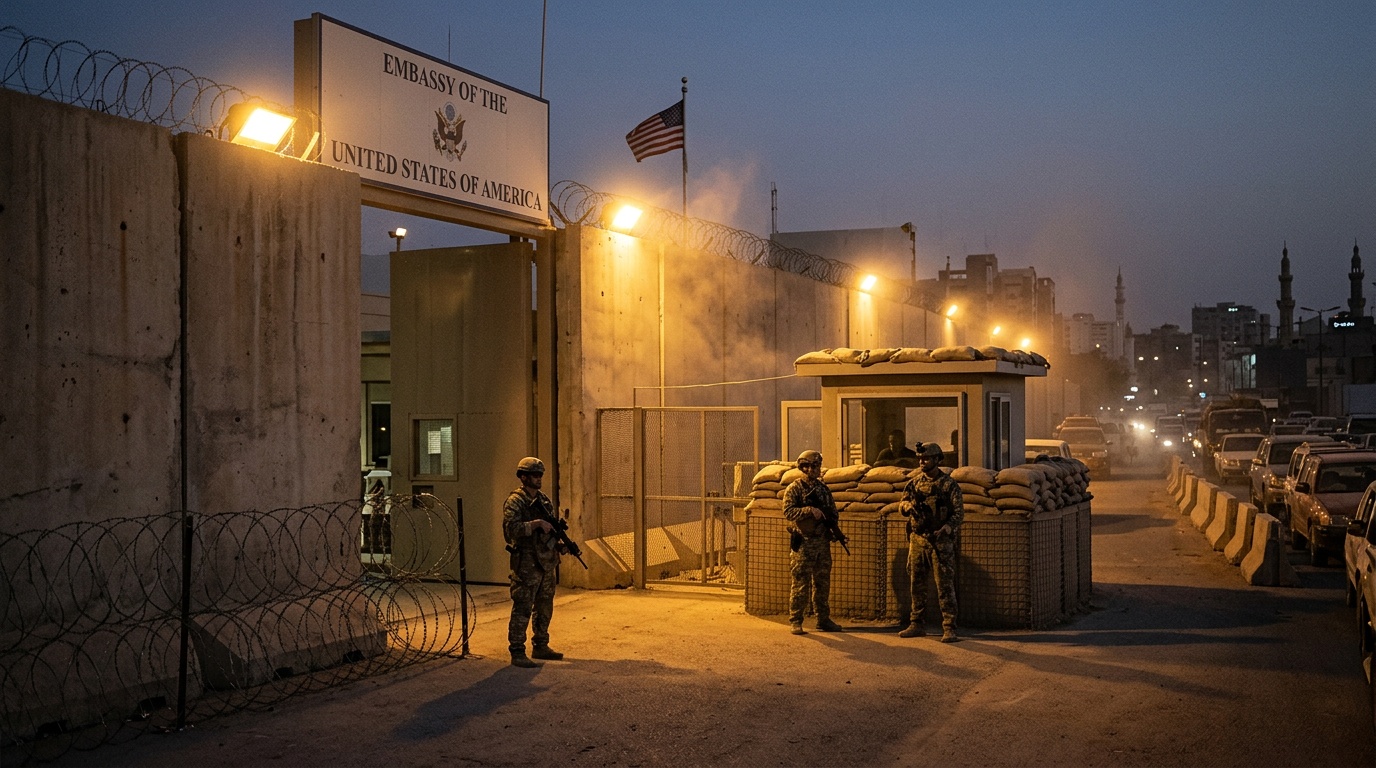
U.S. diplomatic missions across the Middle East tightened staffing and security measures Saturday after U.S. intelligence warned that Iranian plots targeting Americans had reached "advanced stages."
A memo from Director of National Intelligence Jay Clayton said that U.S. agencies collected intelligence indicating Tehran has stepped up efforts to go after U.S. personnel, with the threat picture also touching "certain other countries," according to a report by CNBC.
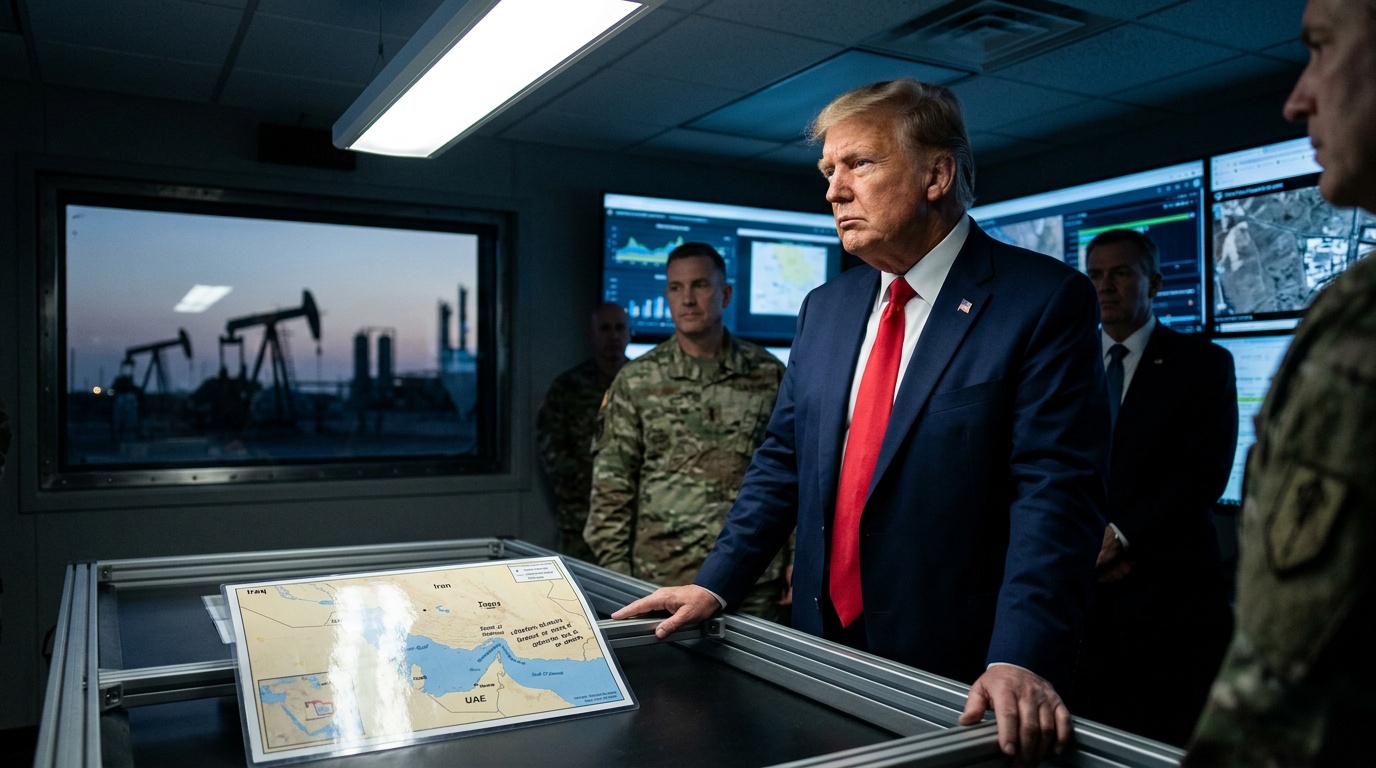
The alert comes as the Pentagon is weighing options for potential strikes on Iran after the midterms, with U.S. Central Command reportedly having follow-on strike options ready if the White House authorizes them.
Diplomatic Tensions Signal Rising Oil Prices
Energy markets have been reacting to the risk of a wider conflict, with Brent crude closing at $116.93 a barrel Friday and U.S. benchmark WTI at $103.44.
Fuel costs have also stayed elevated, with diesel averaging $6.3374 a gallon, about 2.9% below its Sept. 22 peak of $6.5276, based on AAA data. Regular gasoline averaged $4.2957, up roughly 40% from a year ago.
U.S. officials have also taken steps to thin staffing in the region, ordering non-emergency government employees to depart Saudi Arabia earlier this week.
In fighting linked to the Houthis, the Saudi-led coalition said it intercepted two ballistic missiles fired by the group that were headed toward Taif and Yanbu, according to the report.
Are US Military Strikes Imminent?
The Trump administration has previously said the U.S. would not launch another attack on Iran before the Nov. 3 midterm elections, but Trump on Friday suggested Washington could resume military action if Tehran fails to reach a deal.
At the same time, CENTCOM has prepared additional strike packages and has briefed Defense Secretary Pete Hegseth on multiple paths forward.
President Donald Trump has publicly kept the pressure on, telling supporters Friday at a rally in Fort Myers, Florida, "We may do another little epic fury." Earlier in the week, Trump also said the U.S. is not negotiating with Iran and suggested a resolution could come after the election.
Iran’s Mixed Signals On Diplomacy
Even as embassy security was tightened, an Iranian official told The Associated Press on Saturday that Tehran remained open to discussions with the U.S. under a deal framework agreed in June and brokered by Pakistan. Reza Amiri Moghadam, Iran’s ambassador to Islamabad, said Iran would be ready to reopen the Strait of Hormuz if the Trump administration lifted a naval blockade, but said Washington rejected the idea.
Iranian state media later disputed that account. Separately, Iranian Foreign Minister Abbas Araghchi said on X that Iran is willing to restart talks, contrasting with Trump’s public message that negotiations are not underway.