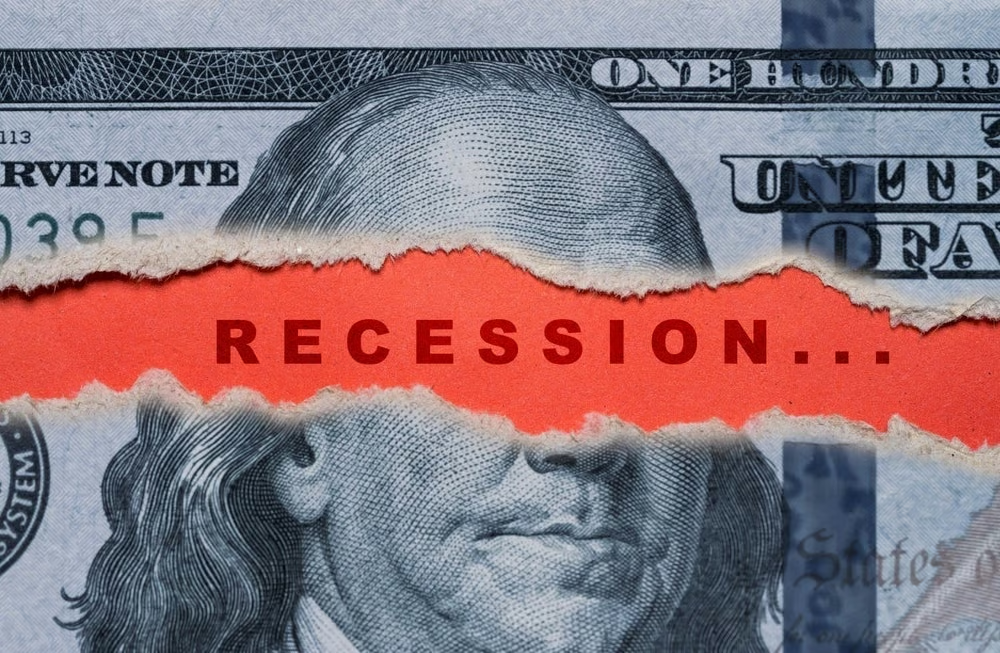
Here's a worrying thought for a Monday: the U.S. economy might be getting fragile. That's the warning from economist Mark Zandi, who took to social media over the weekend to say the data is showing just how delicate things are becoming.
Zandi pointed out that real consumer spending growth has been running at "barely 1% annualized" lately. That's not great. To make matters worse, the personal saving rate has fallen to around 4%. That's a historically low level, which suggests people are dipping into their reserves just to keep spending at that sluggish pace.
It's not hard to see why consumers might be pulling back. Zandi laid out the pressures: "With job growth stalled, sentiment slumping, high and accelerating inflation cutting into real incomes, the stock market going sideways, and higher interest rates, it isn't hard to see consumers pulling back." That's a pretty comprehensive list of headaches.
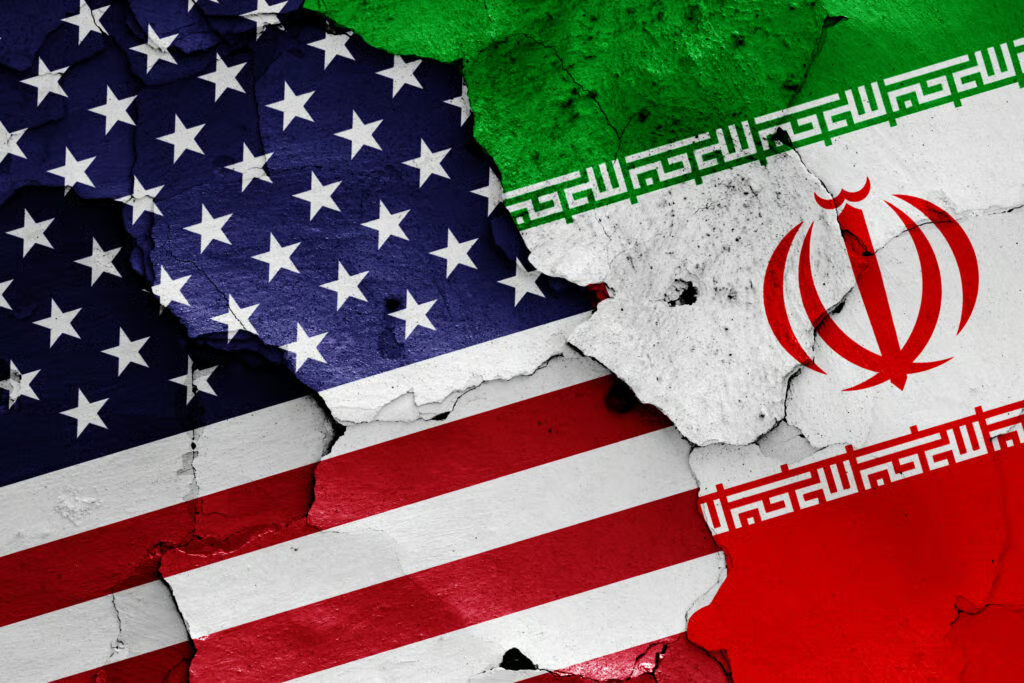
He noted that a recent boost from larger tax refunds is only temporary and is expected to fade after the April 15 deadline. And then there's the geopolitical wildcard. Zandi warned that "the economic headwinds from the war are just beginning to blow," referring to the Iran conflict, which increases downside risks. "My angst around the possibility of a recession continues to rise," he wrote. Not exactly a calming message.
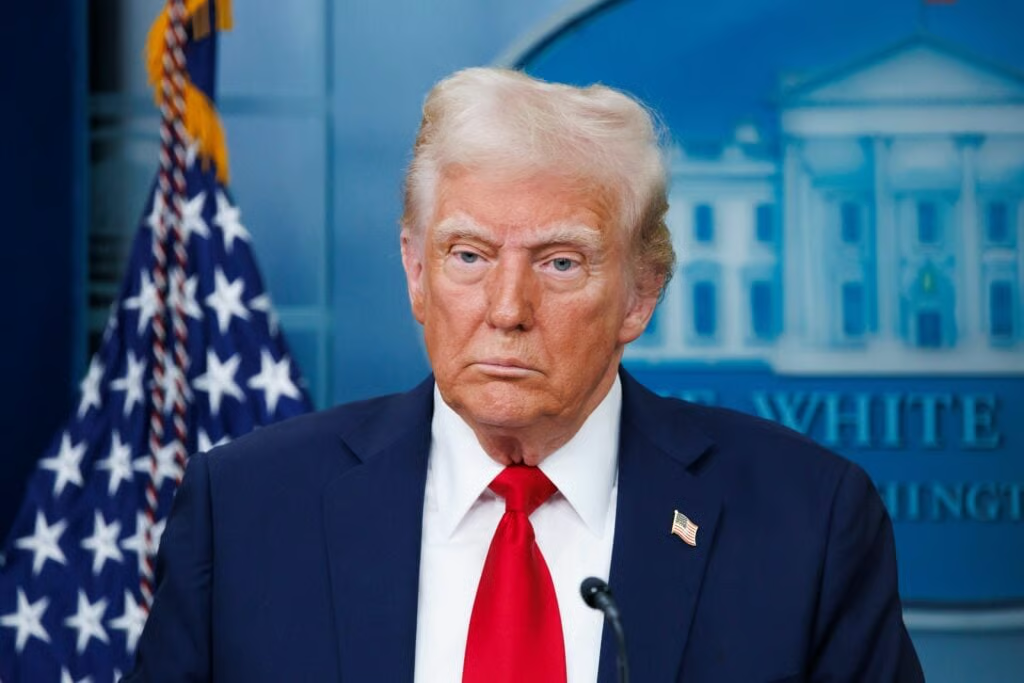
So, what's fueling this persistent inflation that's cutting into incomes? The conversation quickly turned to policy and global events. Former Transportation Secretary Pete Buttigieg accused President Donald Trump of worsening inflation, pointing to tariffs, energy policy choices, and the Iran conflict as reasons prices have risen.
Ross Gerber, CEO of Gerber Kawasaki, echoed concerns that inflation has likely bottomed out and is rising again. He called forces like tariffs and war "wildly inflationary" and said this persistent inflation is weighing on both stocks and bonds, making markets trickier to navigate.
This isn't just political rhetoric. A Federal Reserve study provided some hard data, finding that the 2025 tariffs were fully passed through to consumers. The costs were passed on "dollar-for-dollar," raising core goods inflation and accounting for most of the recent price increases in that category. Economists said the impact was effectively complete. So when you hear about tariffs, think of it as a direct tax on your shopping cart.
Put it all together: consumers are tapped out, job growth has stalled, inflation is being driven by policy and conflict, and a major geopolitical crisis is adding fresh uncertainty. It's a recipe that has a leading economist openly talking about rising recession angst. The economy might not be in a downturn yet, but the warning lights are definitely flashing.