Iran's economy is starting to buckle six months into its war with the United States and Israel under the weight of a near-total oil export blockade imposed by the U.S. military.
The United States has intensified economic pressure on Tehran, a campaign that President Donald Trump had previewed as "economic D-Day" for Iran. The White House wants to extract concessions in any future negotiation that six months of conflict have so far failed to secure.
Three senior Iranian sources told Reuters that the U.S. economic campaign is growing increasingly difficult to withstand. The U.S. is hitting Iran's economy by blockading its oil exports and stopping sanctions evasion.
"Iran's ongoing cash flow crisis will likely limit Iran's ability to overcome these constraints in the near term," the Institute for the Study of War said. "Iran is facing a shortage of foreign currency reserves and access to U.S. dollars, which has been exacerbated by intensifying U.S. economic pressure."
U.S. Military Blockade Holds
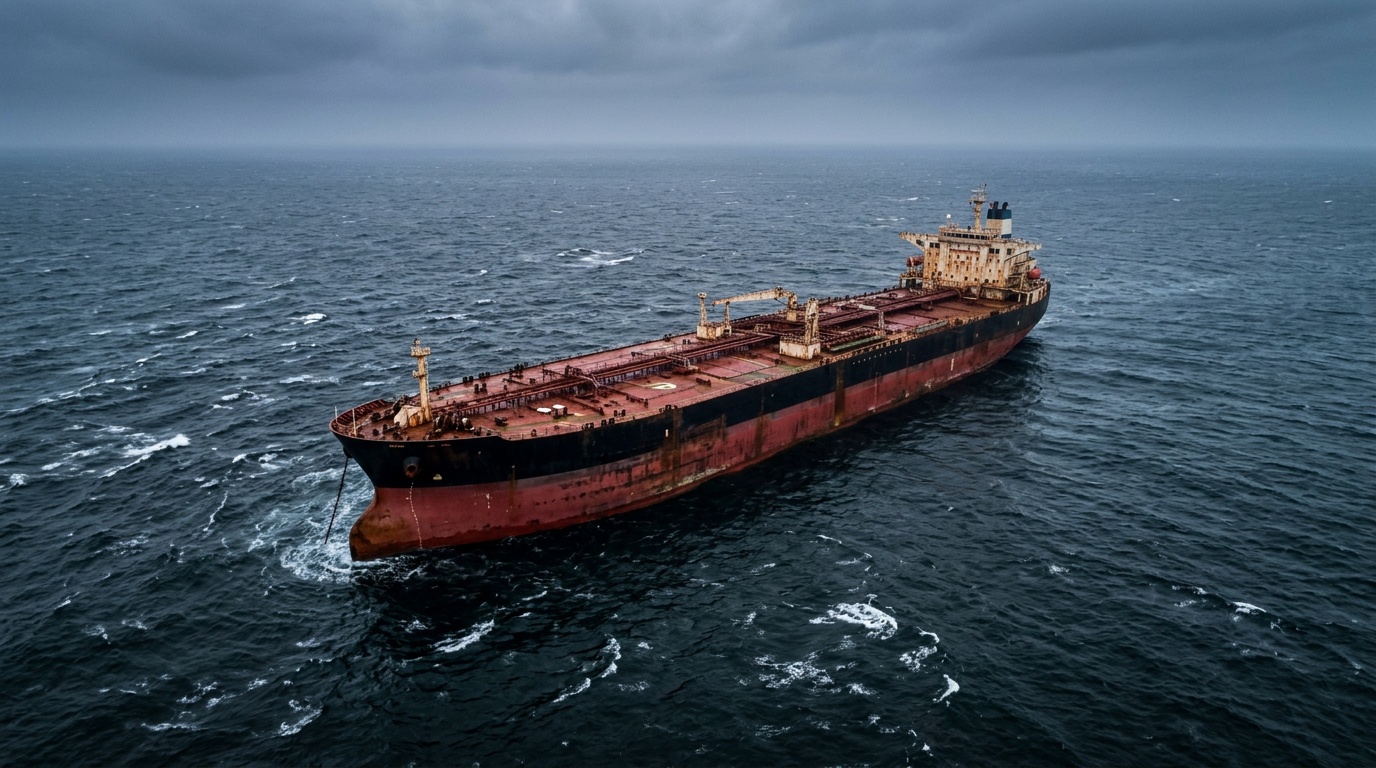
As of September 2, for example, U.S. forces have redirected 86 commercial vessels from Iran, Central Command (CENTCOM) said. They have also disabled three and boarded two to ensure compliance with the blockade, it added.
CENTCOM confirmed Saturday that American forces struck three Iranian crude oil tankers. They disabled two near Iran's key export hub of Kharg Island and destroyed a third in the Gulf of Oman, in what it described as retaliation for an Iranian attack on U.S. Navy warships.
This pressure has exacerbated pre-existing economic pain that led to riots across the Islamic Republic in January. A major crash in the rial's value in December triggered mass protests, which were met with a deadly state crackdown that killed thousands of people.
Iran's rulers worry that a further economic meltdown may reignite nationwide mass protests. The currency hit an all-time low against the dollar, with the Iranian rial crashing past 2.2 million to the dollar, compared to 1 million rials to the dollar a year ago.
Iranian Economy in Freefall
The economic indicators paint a worsening picture. Official unemployment rose to 9.1% in the spring. The number of those in work fell by about 450,000 from a year earlier.
Official figures put 12-month average inflation at 69.9% with food, beverages and tobacco prices rising at nearly twice that rate. Year-on-year inflation reached 87.9% in July, Bloomberg reported on Tuesday, citing data from the Statistical Center of Iran.
Energy industry sources report that, for the first time on record, Iran has gone seven weeks without shipping meaningful crude exports through the Strait of Hormuz. As of mid-August, at least 41 million barrels of Iranian crude were stuck on vessels inside the Gulf, according to commodities data firm Kpler.
"Iran's currency has collapsed, and gasoline and electricity are in short supply," the Soufan Center, a nonpartisan think tank focused on global security, said. "The scale of the economic distress that a U.S. naval blockade and economic sanctions are inflicting on the Iranian population is not in doubt."
U.S. Sanctions Expand Further
The Trump administration launched Operation Economic Outcast in late August. Treasury Secretary Scott Bessent promised to cut off financial channels keeping Iran's government afloat.
U.S. Secretary of State Marco Rubio instructed diplomats around the world to tell their host countries they must "systematically identify and sever" ties to Iran. He also said that those with branches of Iranian banks must shut them down immediately.
On Friday, the U.S. Treasury Department announced it was targeting a Turkish bank and its subsidiaries that allegedly serve as "critical financial lifelines" to Iran. They were the latest sanctions under "Operation Economic Outcast."
Despite the tough rhetoric, Bessent stopped short of actually punishing Iran's trading partners with secondary sanctions. Dozens of minor firms and individuals linked to Iranian business dealings have faced new penalties.
Partners Join U.S.
Bessent said this week that the U.S. has seen "great support around the world" for its latest economic campaign. The European Union has formally joined the U.S.-led sanctions campaign against Iran, CNBC reported.
The European Commission's own statement, however, stopped short of committing the bloc to new sanctions or aligning with U.S. designations.
Regional partners are also shifting their posture. The United Arab Emirates (UAE) severed in August its economic ties with Iran. It accused Tehran of firing ballistic missiles at its territory.
The UAE has been a key intermediary as merchants there imported Western goods and then exported them to Iran. It also served as a financial hub for Iranian businesses, facilitating transactions and access to foreign currency.
"The UAE's decision reflects a strategic shift away from a policy of understanding, after experience proved that trade links did not prevent repeated Iranian attacks," the Progress Center for Policies said. "With import shortages and mounting pressure on the rial and reserves, the economic repercussions may prove more damaging than military strikes in weakening the Iranian economy over the medium term."
This could make "economic warfare a more effective tool of pressure than direct military confrontation," it said.