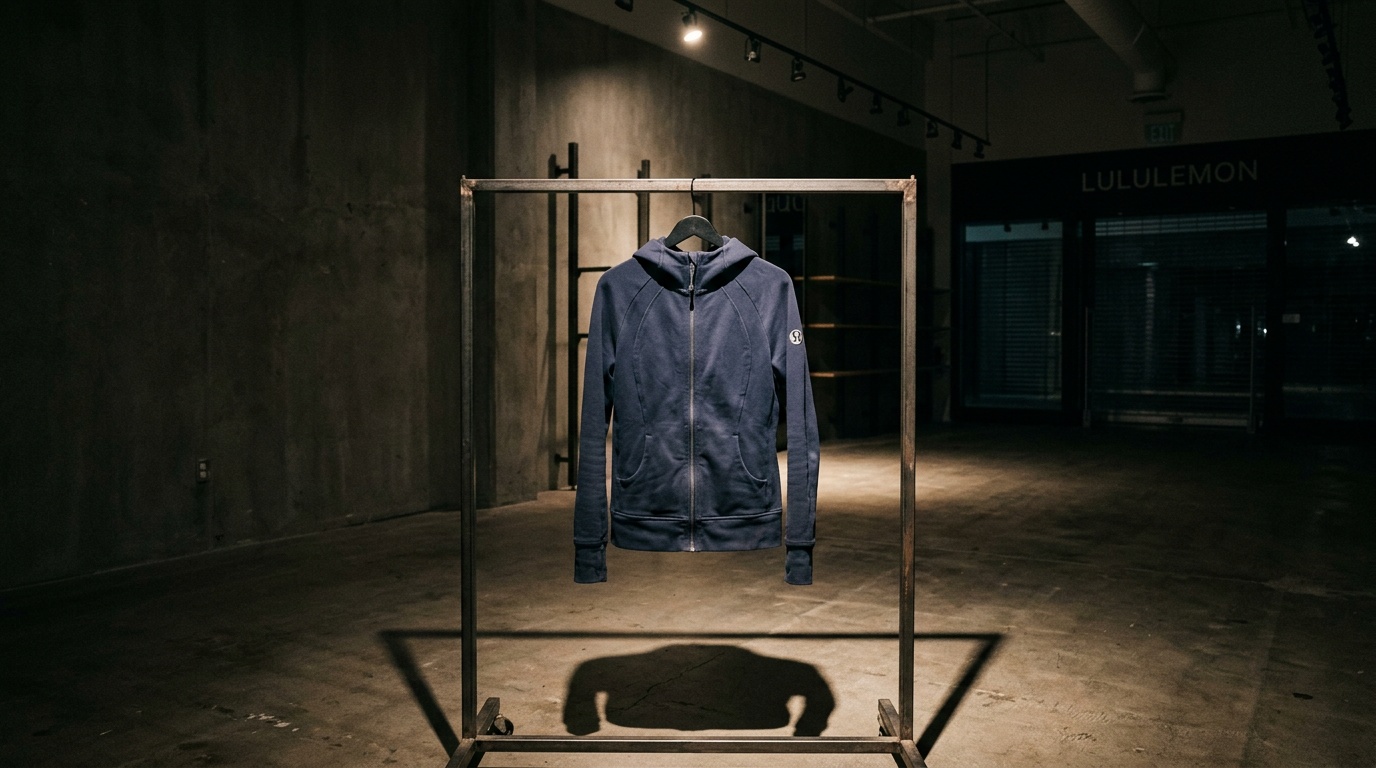
Lululemon Athletica Inc. (LULU) just handed investors a number that looked great on the surface. The yoga pants giant reported a second-quarter gross margin of 60.5%, up 200 basis points from a year ago. Nice, right? Well, not so fast. That improvement was largely a gift from the government: $134.5 million in tariff refunds added a whopping 560 basis points to gross margin. Strip that out, and the picture gets uglier. Tariffs still took a 160-basis-point bite out of gross margin in Q2, even after the refund. Excluding the benefit, gross margin was actually 54.9%, and operating margin fell 190 basis points to 18.8%.
That distinction matters if you own consumer or retail ETFs, because Lululemon's underlying margin pressure isn't just a company-specific hiccup. It's a symptom of something bigger hitting apparel retailers: weak sales, rising costs, and fierce competition can quickly turn a premium brand's pricing power into a liability. When a company that can charge $100 for leggings starts feeling the squeeze, you have to wonder who's next.
Lululemon is also dealing with softer demand and heavier markdowns. Comparable sales dropped 9% in the quarter, and sales of its signature leggings fell by about 20%. That's not just a product problem; it's a brand problem, and it's happening against the backdrop of a broader consumer slowdown.
Tariffs, Markdowns, and Fixed Costs Pile On
The margin squeeze hitting Lululemon reflects several forces that are pressuring retailers all at once. Tariffs are making sourcing more expensive, while weaker demand forces companies to discount to move inventory. It's a classic squeeze: costs go up, prices can't, and margins get caught in the middle.
- Under Armour Inc (UAA) and Helen of Troy Ltd. (HELE) are cutting product assortments to reduce import, transportation, and storage costs.
- Walmart Inc (WMT) and Target Corp (TGT) are using billions of dollars in tariff refunds to lower prices and protect demand, according to the Wall Street Journal.
- Nike Inc (NKE), Columbia Sportswear Co (COLM), and other apparel and sporting-goods companies have also received tariff refunds, highlighting how deeply trade costs have worked their way into retail earnings.
Lululemon's inventory dollars declined 1% year over year, and units fell 7%, suggesting some progress on inventory management. But the company still expects inventory dollars to rise in the low-single-digit range in the third quarter. So the cleanup isn't done.
Meanwhile, retailers are increasingly trimming product assortments to control import, transportation, and storage costs. That trend shows the sector is responding not just to cautious consumers but also to a more expensive and complicated supply chain. It's a sign that the easy days of fat margins and endless demand might be over, at least for now.
ETFs With Lululemon Exposure
If you're an ETF investor, you might be wondering how much of this matters to your portfolio. Let's look at a few funds that hold Lululemon or track the retail space.
The First Trust Consumer Discretionary AlphaDEX Fund (FXD) could be one of the more relevant ETFs to watch. Lululemon is one of the fund's holdings, and the stock's roughly 18% plunge after earnings creates a direct, though relatively contained, drag on the fund. More importantly, FXD's diversified basket includes numerous retailers and consumer companies that face their own margin and demand challenges. Retailers account for 29.3% of the fund's assets, so if the whole sector starts to feel the pinch, FXD will feel it too.
The SPDR S&P Retail ETF (XRT) offers an even broader read on retail health. Apparel retail accounted for 19.45% of the portfolio, giving investors substantial exposure to the category despite limited individual-stock concentration. That means Lululemon's problems alone won't sink XRT, but a widespread margin squeeze across apparel retailers could weigh on the fund.
The Bigger ETF Risk Is What Comes Next
The VanEck Retail ETF (RTH) has a small Lululemon weighting, so LULU's collapse alone is unlikely to materially damage the fund. But that may actually make RTH useful as a broader gauge of consumer health. Lululemon's struggles raise a bigger question for retail ETFs: Can retailers preserve margins when consumers become less willing to pay premium prices?
For ETFs, the answer could matter far more than Lululemon's individual stock plunge. If the company's margin deterioration proves to be an isolated problem, diversified retail funds can shrug it off. But if it signals a wider normalization in consumer pricing power, the pressure could spread across the entire sector. That's the risk you're really taking when you buy a retail ETF: you're betting not just on individual companies, but on the health of the consumer and the pricing power of the whole industry.
So keep an eye on Lululemon's next few quarters. If margins keep shrinking even without tariff disruptions, it could be a canary in the coal mine for retail. And if you own any of these ETFs, you might want to check how much apparel exposure you really have.