Here's a quick way to make oil prices jump: announce you're going to block one of the world's most important shipping lanes. That's essentially what happened over the weekend, and investor Peter Schiff thinks we could be looking at $150 oil as a result.
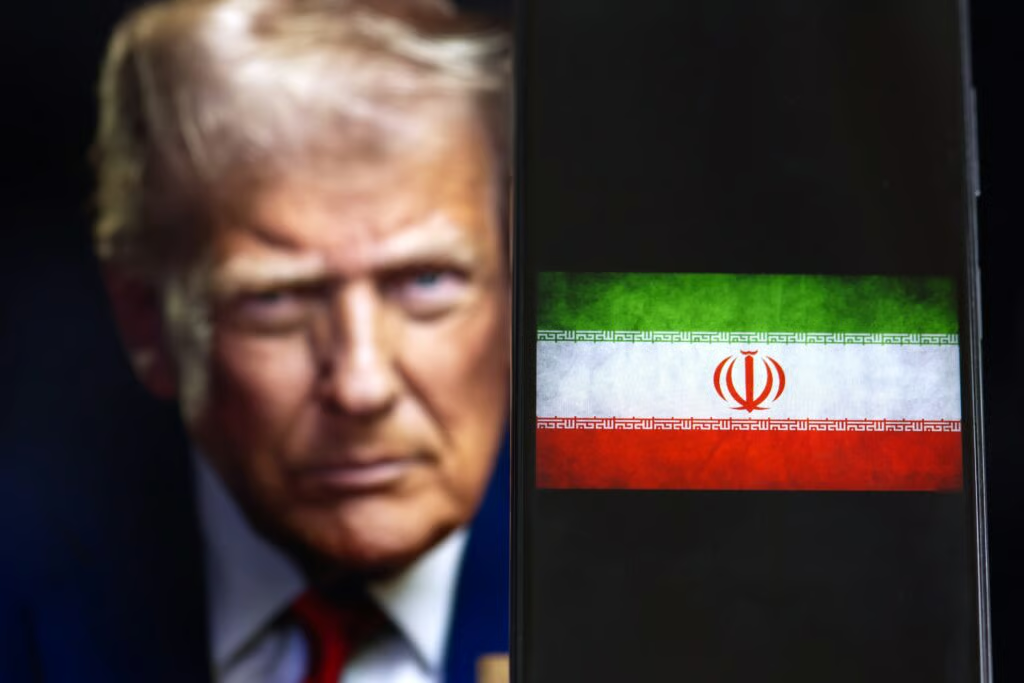
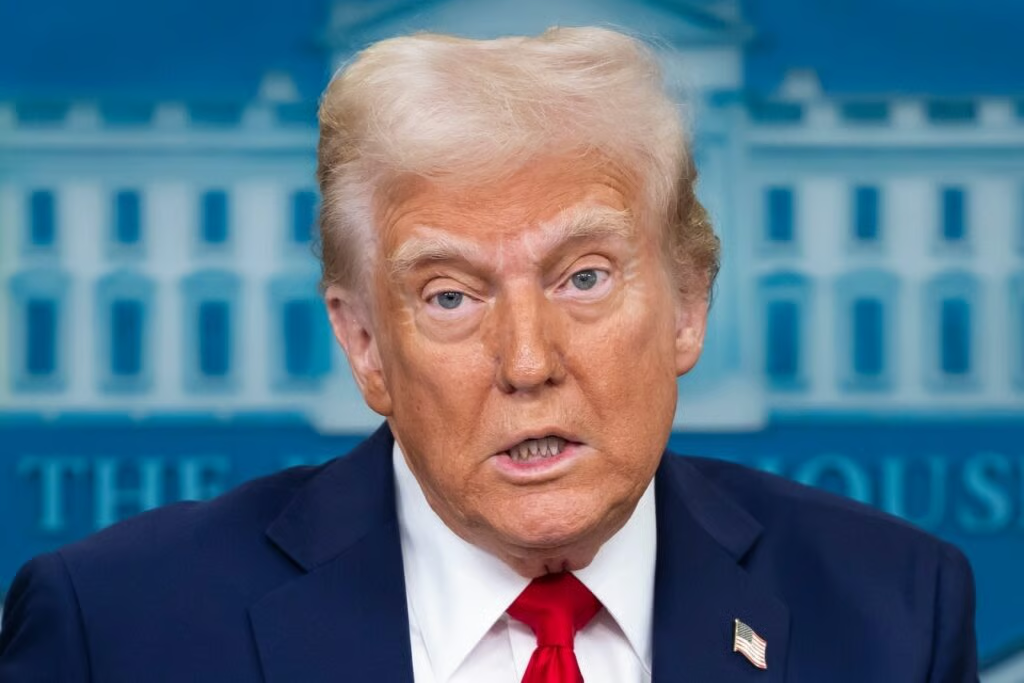
Schiff, co-founder of Echelon Wealth Partners, took to social media platform X on Sunday with a stark warning about crude prices. The trigger? President Donald Trump announced a U.S.-led blockade of the Strait of Hormuz after peace talks with Iran fell apart in Islamabad.
"The talks designed to open the Strait of Hormuz will result in the strait being closed tighter than ever," Schiff wrote. After sharing Trump's blockade announcement, he added the punchline: "Get ready for $150 oil."
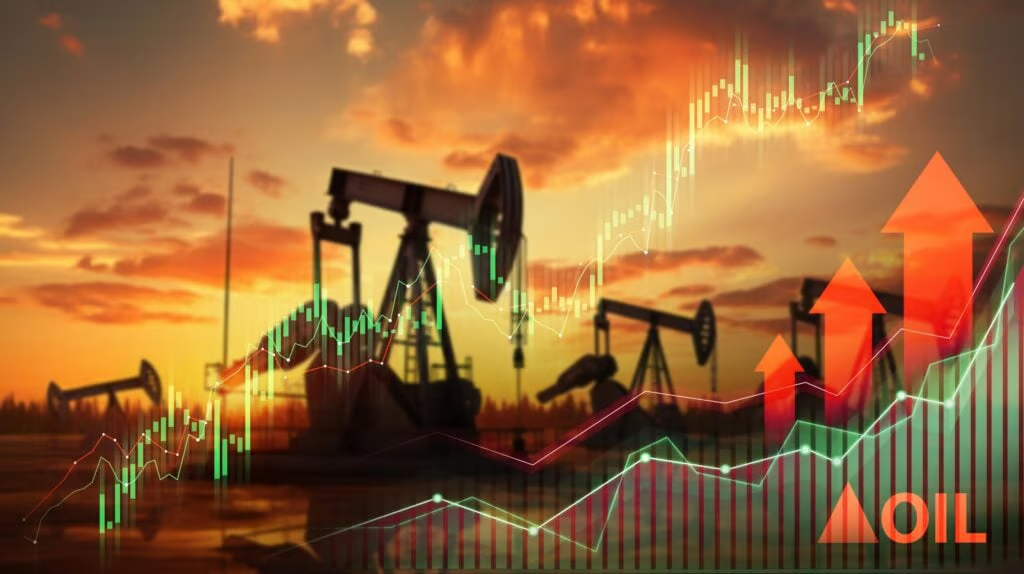
He might not be wrong about the direction, at least based on the immediate reaction. Oil markets didn't wait for the blockade to actually happen—they started pricing it in right away. West Texas Intermediate crude surged 8.49% to $104.78 per barrel, while Brent crude jumped 7.41% to $102.25. That's what happens when about 20% of the world's oil supply normally flows through a choke point that might suddenly become impassable.
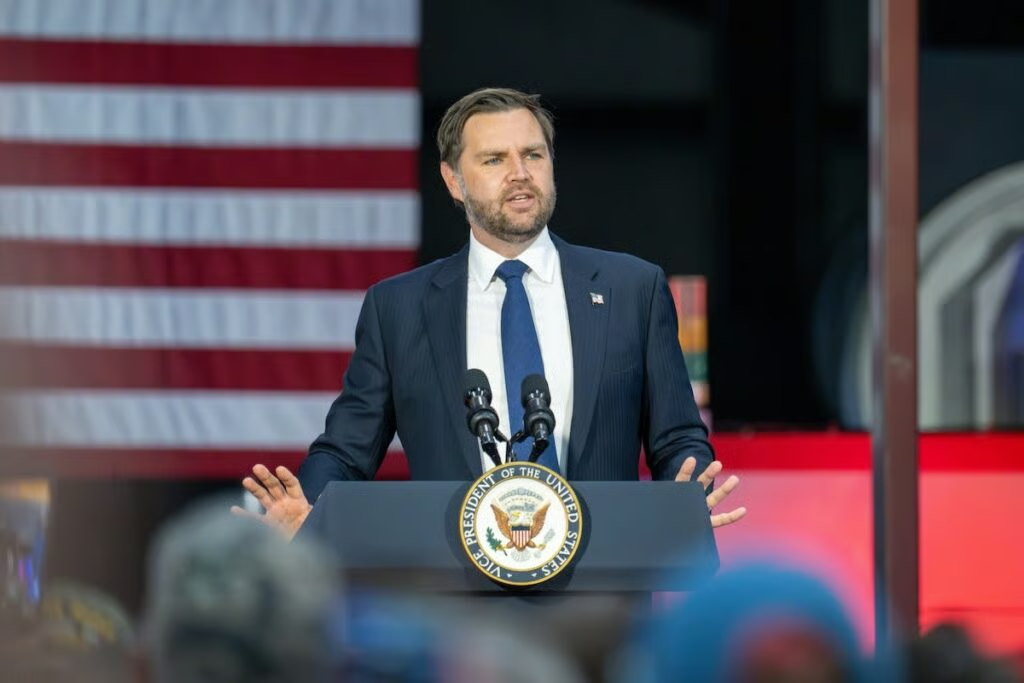
The whole situation stems from failed negotiations between the U.S. and Iran in Pakistan's capital. Vice President JD Vance announced that the U.S. didn't back down from its core demands, including that Iran not pursue nuclear weapons. When those talks collapsed, Trump moved to the blockade option.
It's not just investors and politicians watching this unfold. Pope Leo XIV weighed in on the regional conflict with a warning that seemed aimed at all sides: true believers of Jesus Christ were "never on the side of those who once wielded the sword and today drop bombs."
Back in the political arena, Trump is taking heat from lawmakers too. Governor Jay Robert 'JB' Pritzker (D-IL), who's been a vocal critic of the administration's Iran stance, slammed the President for calling the war an "investment" for future generations. It's one thing to talk about strategic interests, but framing military conflict as an investment portfolio item tends to rub people the wrong way.
So here we are: a major shipping lane potentially blocked, oil prices already jumping, and everyone from investors to religious leaders weighing in on what happens next. Schiff's $150 prediction might sound extreme, but in oil markets, geopolitics has a way of making extreme predictions come true faster than anyone expects.