Here's a diplomatic two-step from over the weekend: Oman's top diplomat says he came away from a meeting with U.S. Vice President JD Vance convinced that American leadership really, really didn't want a war with Iran. And the Pope says, basically, don't even think about it.
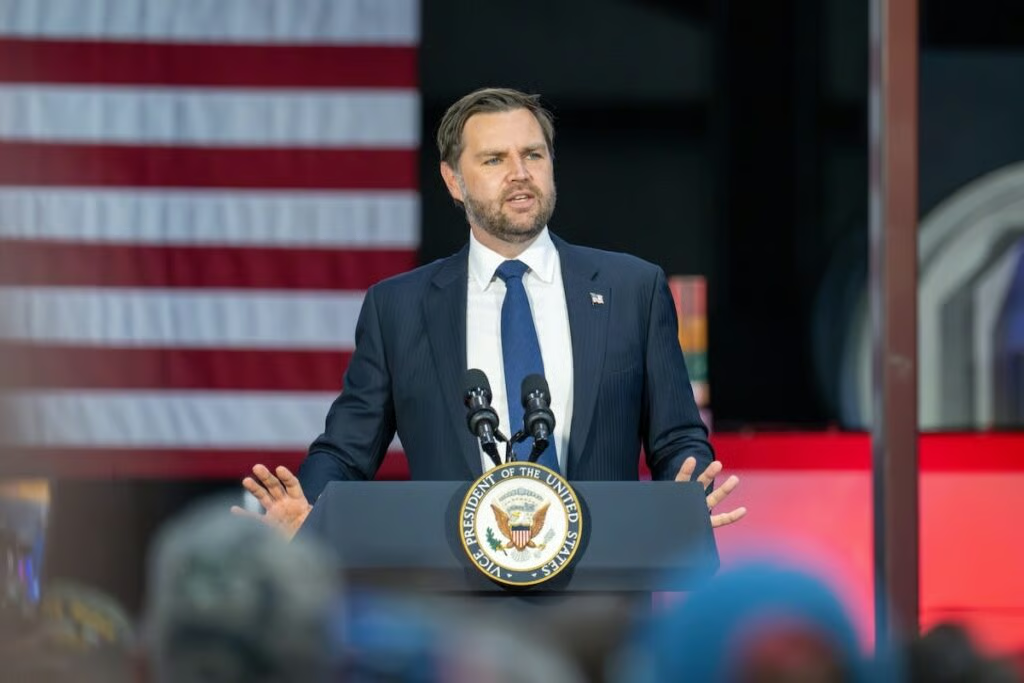
Omani Foreign Minister Badr Albusaidi posted on X that he met Vance "just hours before the war began," and got the impression that both the vice president and President Donald Trump had "a genuine and strong preference to avoid the entanglements of war." That's a pretty specific piece of diplomatic tea-leaf reading. He urged everyone to keep talking, writing, "I urge that the ceasefire be extended and talks continue."
Albusaidi acknowledged negotiations are tough, but added, "Success may require everyone to make painful concessions, but this is nothing as compared to the pain of failure and war." He made his comments in response to a post by Pope Leo XIV, who issued a stark warning: "God does not bless any conflict." The Pope added that followers of Christ are "never on the side of those who once wielded the sword and today drop bombs," and argued that military action won't create peace—only "the patient promotion of coexistence and dialogue among peoples" will.
So, the spiritual and diplomatic advice is pretty clear: talk it out. The problem is, the talking appears to have broken down. Vance said U.S. negotiators left Pakistan without a deal, stressing that Washington didn't compromise on core demands, including a firm commitment from Iran not to pursue nuclear weapons. He called the failure "bad news for Iran" and said U.S. red lines are unchanged.
Iran, for its part, blamed the breakdown on "excessive" U.S. demands. Officials including Mohammad Baqer Qalibaf and Seyed Abbas Araqchi said they defended national interests and rejected terms related to the Strait of Hormuz and nuclear materials.
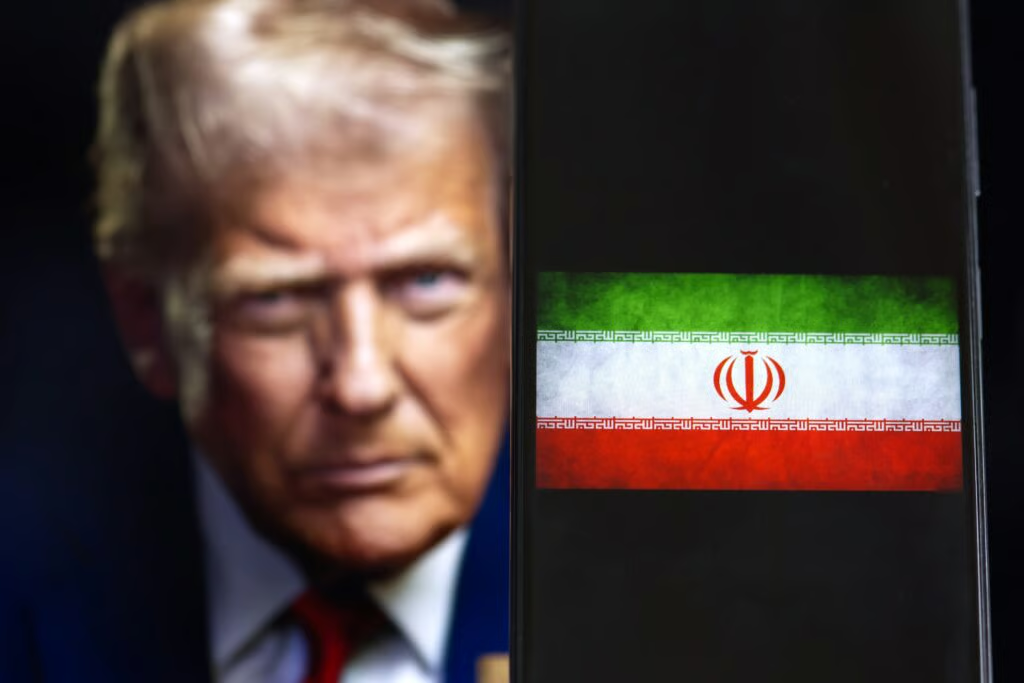
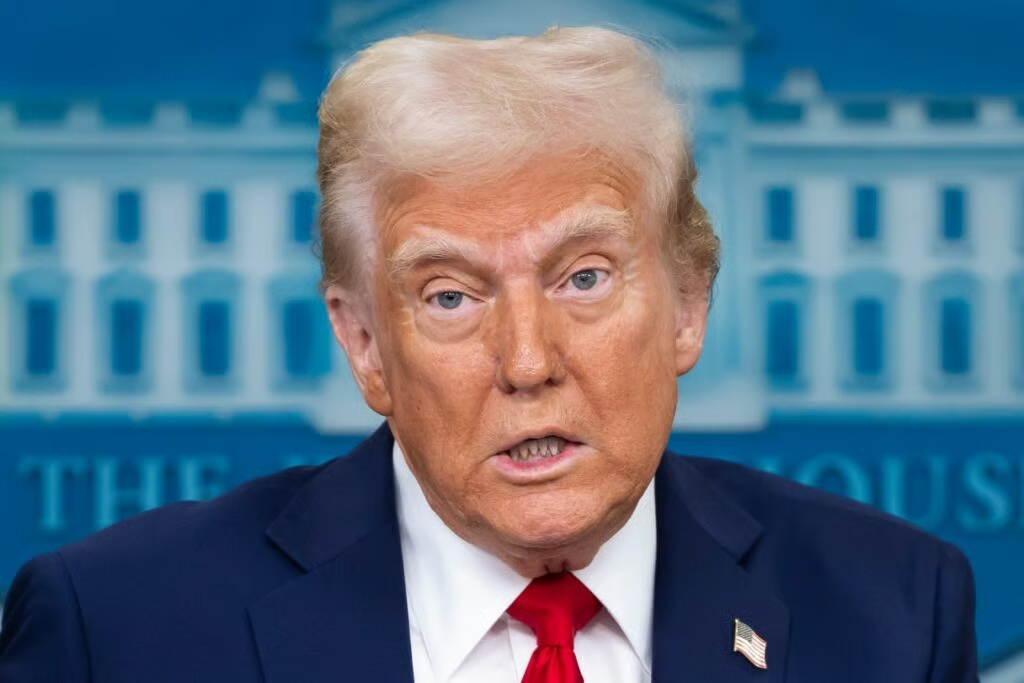
President Trump offered his own take, saying most issues had been agreed upon, but the nuclear question remained unresolved. "The only point that really mattered, NUCLEAR, was not," he said. And with diplomacy stalled, he announced a U.S. naval blockade of the Strait of Hormuz, warning the U.S. is "locked and loaded" and will respond to any aggression.
So, to recap: A key regional diplomat senses the U.S. wanted to avoid war. The spiritual leader of over a billion Catholics says war isn't blessed. But the talks fell apart over the nuclear issue, and now we have a naval blockade in one of the world's most critical shipping lanes. The preference might have been to avoid it, but the path forward looks a lot like a very tense standoff.