The fight over AI data centers is heating up, and it's not just about technology anymore. It's about who pays the bills.
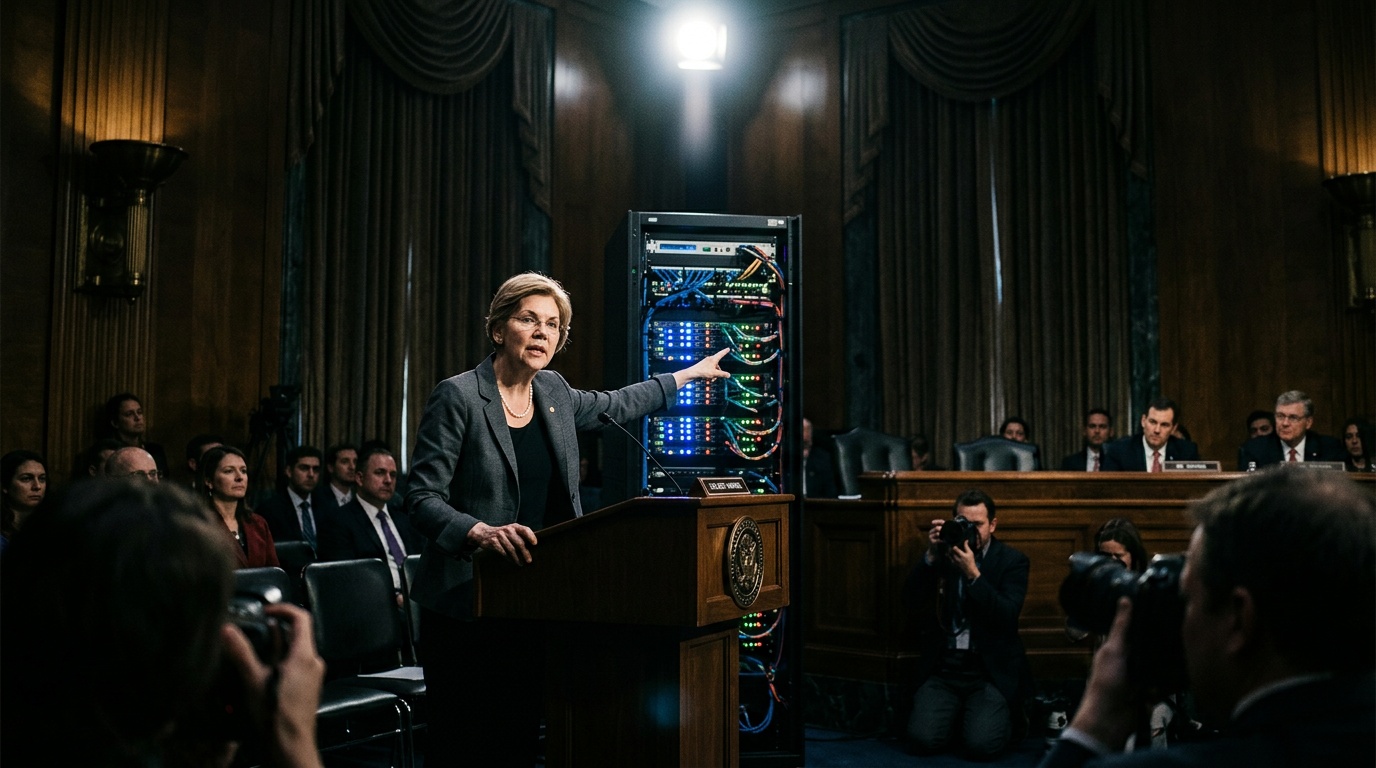
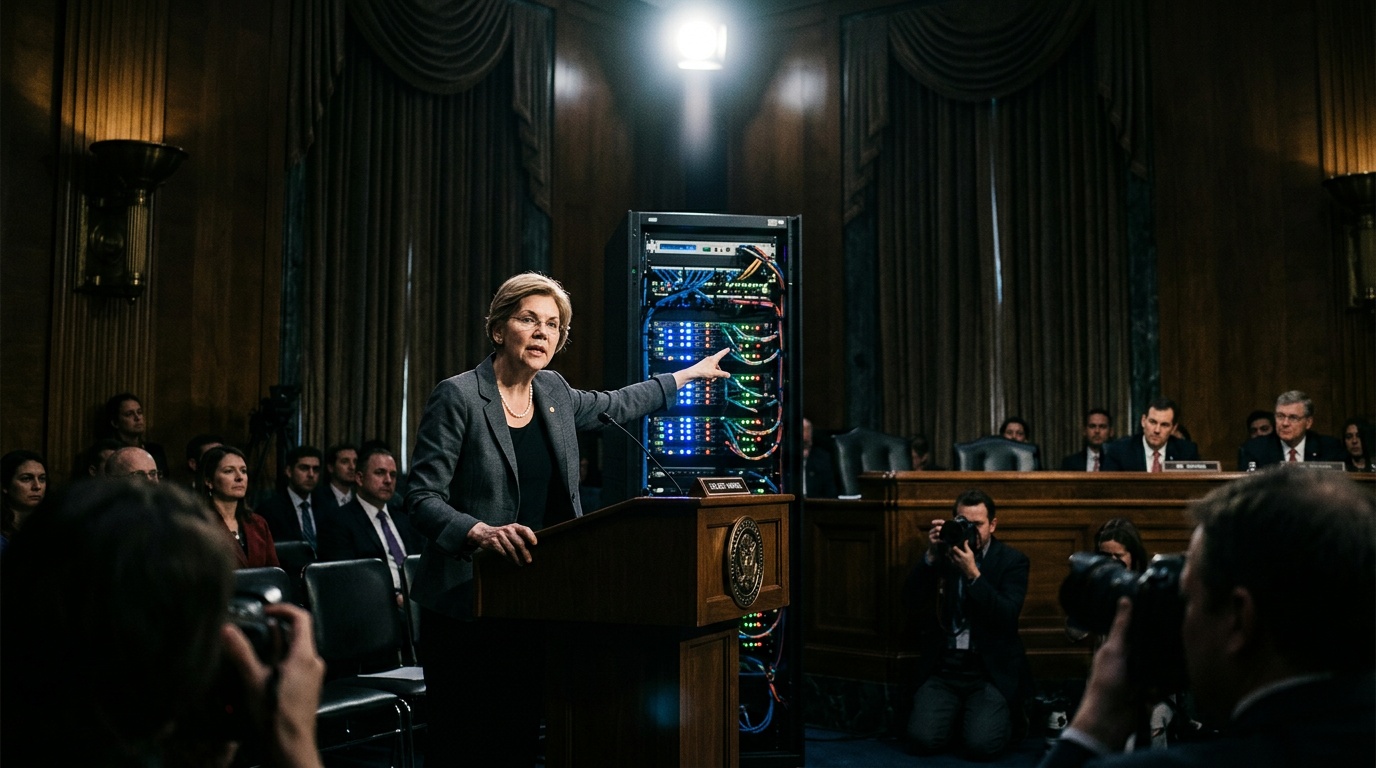
Sen. Elizabeth Warren (D-Mass.) took a swipe at President Donald Trump on Tuesday, arguing that American families shouldn't be stuck with higher electricity costs just so Big Tech can power its artificial intelligence ambitions.
Warren Slams Trump's AI Data Center Push
In a post on X, Warren responded to Trump's recent criticism of Americans who oppose having giant AI data centers built in their neighborhoods. She didn't hold back.
"According to Donald Trump, if you don’t want a giant AI data center in your backyard, you’re ‘backwards and poor,’" Warren wrote.
"You know what’s backwards? Telling American families to shut up and pay higher electricity bills so trillion-dollar tech companies can build their AI empires," she added.
Trump Defends Data Center Expansion
Trump, for his part, doubled down on his support for data centers on Monday. He warned that communities rejecting them could remain "backwards and poor," while those that welcome them could become "successful and rich" with lower taxes and more jobs.
He also played the China card, suggesting that opposition to data centers would benefit China, and cautioned communities that they could "kill the Golden Goose" by blocking development.
AI Data Center Boom Faces Growing Scrutiny
The debate isn't just political. Industry heavyweights are also weighing in on the rapid expansion of AI infrastructure.
Nvidia Corp (NVDA) CEO Jensen Huang defended the buildout, saying it's bringing manufacturing back to the U.S., creating jobs, and even strengthening the power grid. He noted that $400 billion had been invested in AI startups over six months, but urged developers to "earn trust and create local benefits."
Investor Kevin O’Leary called for more transparency, suggesting developers should "bring your own power," disclose water use and emissions, create high-paying jobs, and clearly explain the economic benefits. He also pointed out that newer cooling technologies have reduced water consumption.
Meanwhile, Mark Cuban warned that the massive spending on AI infrastructure could lead to significant losses for institutional investors if returns don't meet expectations. He argued that efficiency improvements could eventually reduce computing and power demand, leaving some data centers obsolete.
Cuban, ever the wit, joked, "There’s going to be a lot of data centers that are going to be turned into pickleball courts."
As the debate rages on, one thing is clear: the AI data center boom is reshaping more than just the tech landscape. It's sparking a conversation about who benefits and who bears the cost.