






Treasury Secretary Scott Bessent has a bold prediction: the Strait of Hormuz, one of the world's most critical oil shipping lanes, could become strategically irrelevant within two years. His reasoning? New pipelines across land will make the waterway less essential, undercutting Iran's ability to use it as leverage.
Treasury Secretary Says the Strait of Hormuz Will Be a 'Worthless Piece of Water' in 2 Years
MarketDash
Bessent says the Strait of Hormuz could become “worthless” in two years as oil pipelines bypass Iran and the U.S. intensifies economic pressure.
Get Market Alerts
Weekly insights + SMS alerts
Bessent Warns Iran Will Lose Hormuz Leverage
Speaking with Fox Business' Larry Kudlow on Tuesday at the Group of 20 finance ministers' meetings in Asheville, North Carolina, Bessent said Iran was trying to turn the strait into an energy choke point. But he downplayed its impact on the U.S., noting, "It's not a choke point for the U.S., but it is a choke point for many, many other countries."
He went further, predicting a dramatic shift: "In two years, the Strait of Hormuz will be like a worthless piece of water. The oil will be going on pipelines across land."
Bessent also highlighted growing international support for Washington's economic pressure campaign against Tehran. "We have zero tolerance," he told Kudlow. "We are going to economically asphyxiate this regime."
US Targeted Iranian Tankers
President Donald Trump has reportedly approved a "tanker for tanker" policy against Iran, with U.S. forces striking two Iranian government tankers amid escalating tensions. U.S. officials said about 100 targets were hit Tuesday, while roughly 40 ships transited the Strait of Hormuz under U.S. military guidance.
Iranian Foreign Ministry spokesperson Esmaeil Baqaei condemned the attacks, claiming a U.S. strike on a wedding gathering in Kuhestak killed four people, including a child, and injured 53 others. He accused Washington and countries that remained silent of normalizing alleged unlawful attacks and warned that Iran would respond firmly.
Iran Warned Over Hormuz
Last week, Iran urged countries to resist U.S. sanctions, while Foreign Minister Abbas Araghchi said diplomacy remained possible if Washington eased pressure. Tehran also linked wider access through the Strait of Hormuz to progress on regional conflicts.
Trump rejected immediate talks, saying, "We don't want to speak to them."
Iranian security chief Mohsen Rezaee warned that continued economic pressure could halt oil exports, saying "not a single drop of oil will be exported" through the Strait of Hormuz or Persian Gulf. He also said countries supporting the U.S. campaign would be considered to have committed "an act of war."
More News
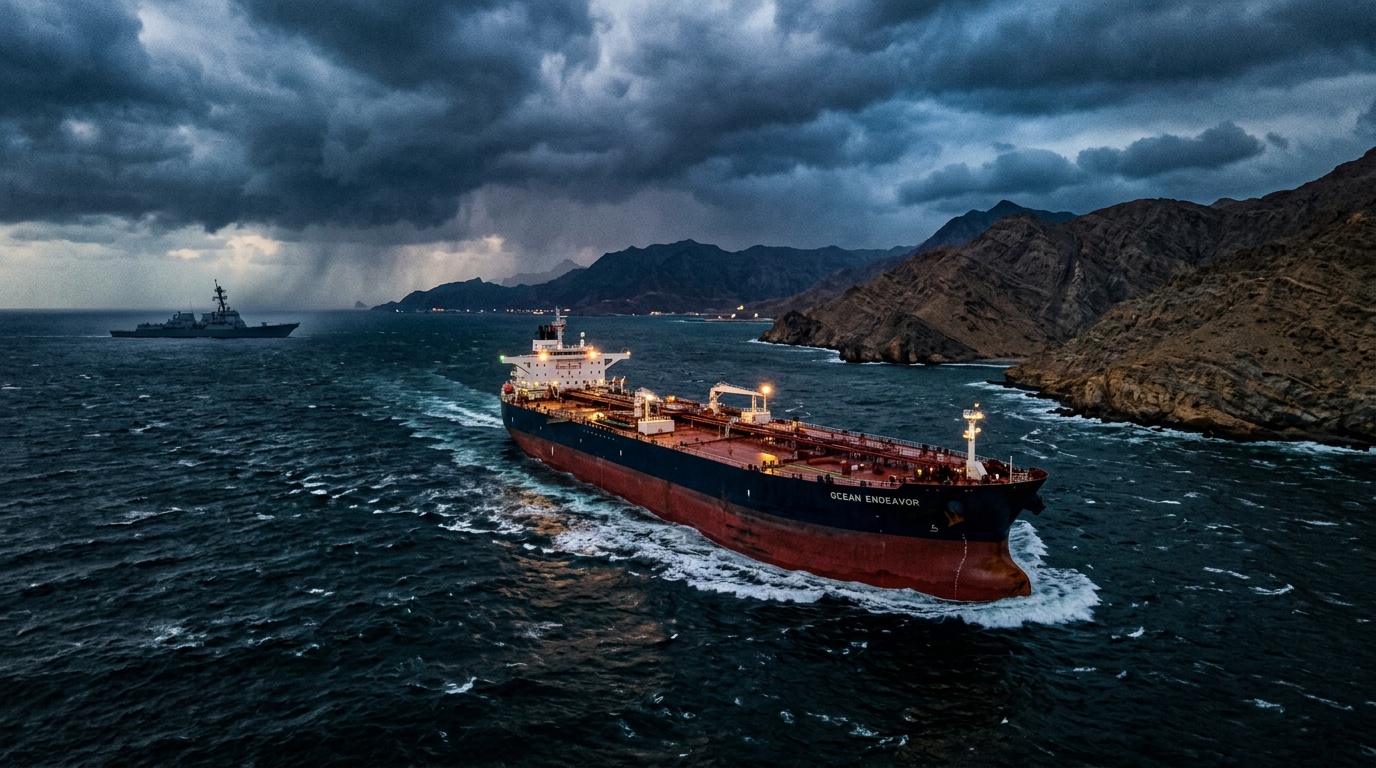
Oil Tops $96 as Trump Orders New Iran Strikes and Tehran Threatens Gulf Exports

Trump's 'Tanker for Tanker' Strategy: U.S. Strikes Iranian Oil Tankers as Hormuz Tensions Boil Over

Dell Stock Jumps After Q2 Blowout: AI Servers Are the Star

MongoDB Beats Estimates, Raises Guidance, Yet Stock Tumbles: Here's Why

Palo Alto Beats Q4 Estimates, Announces Console Acquisition to Strengthen Agentic Capabilities

Crypto Bettors Now Favor Democrats to Sweep Congress as Trump's Approval Slips

Invesco's RSP Hits $100 Billion as Equal-Weight ETFs Gain Traction

Credo Technology Beats Q1 Estimates, But Shares Slip After Hours
Get Market News Alerts
Real-time alerts on price moves, news, and trading opportunities.
Join 20,000+ investors. No spam, ever.
Featured Articles
View all newsOil Tops $96 as Trump Orders New Iran Strikes and Tehran Threatens Gulf Exports
By MarketDash
September 2, 2026
Trump's 'Tanker for Tanker' Strategy: U.S. Strikes Iranian Oil Tankers as Hormuz Tensions Boil Over
By MarketDash
September 2, 2026
Dell Stock Jumps After Q2 Blowout: AI Servers Are the Star
By MarketDash
September 1, 2026
MongoDB Beats Estimates, Raises Guidance, Yet Stock Tumbles: Here's Why
By MarketDash
September 1, 2026
Palo Alto Beats Q4 Estimates, Announces Console Acquisition to Strengthen Agentic Capabilities
By MarketDash
September 1, 2026
Crypto Bettors Now Favor Democrats to Sweep Congress as Trump's Approval Slips
By MarketDash
September 2, 2026
Invesco's RSP Hits $100 Billion as Equal-Weight ETFs Gain Traction
By MarketDash
September 1, 2026
Credo Technology Beats Q1 Estimates, But Shares Slip After Hours
By MarketDash
September 1, 2026