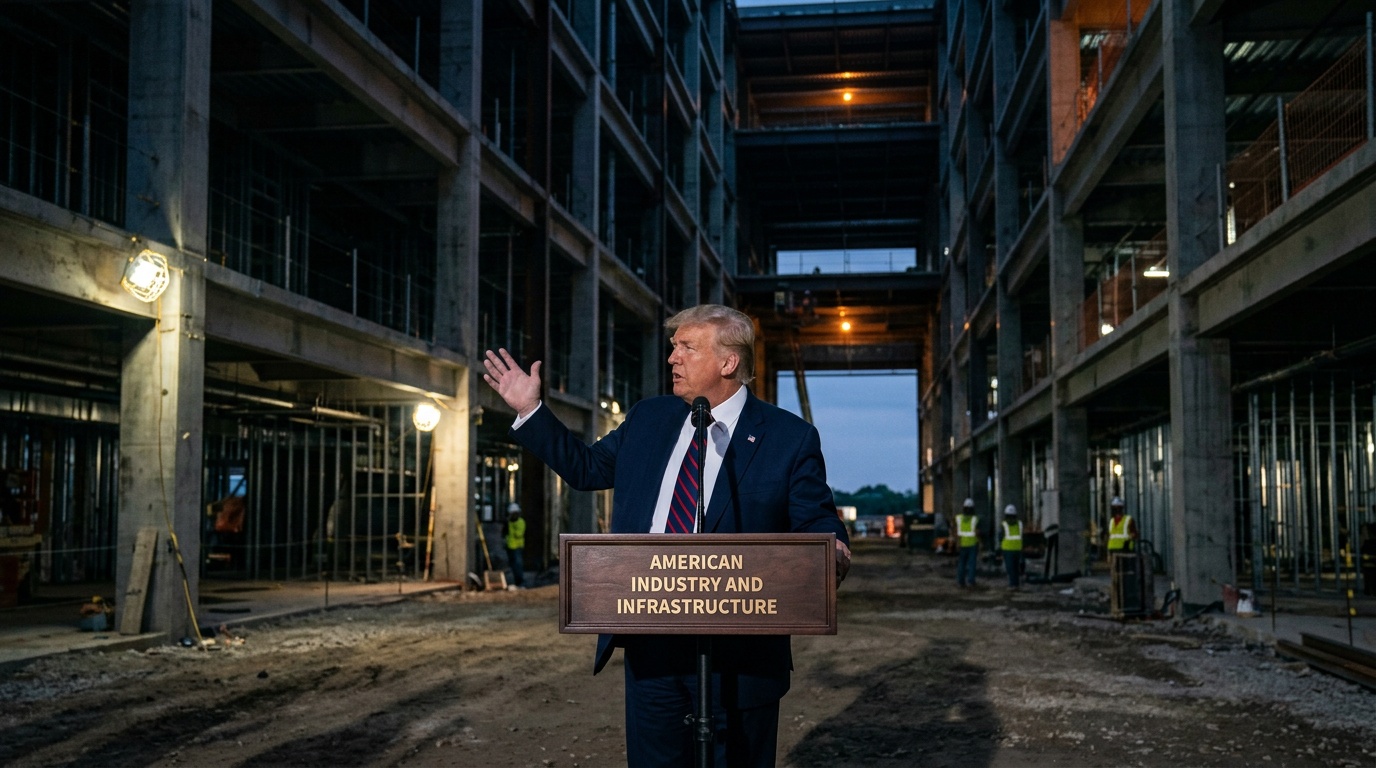
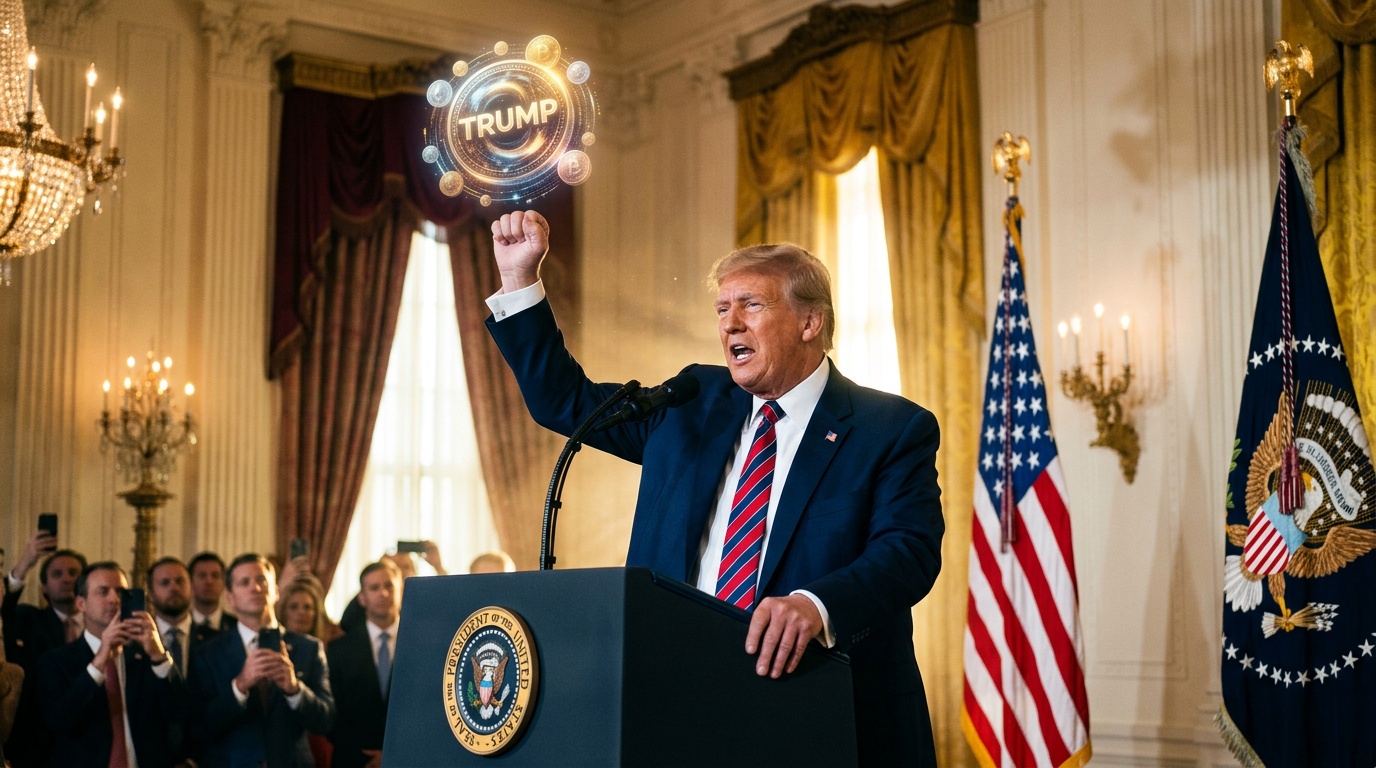
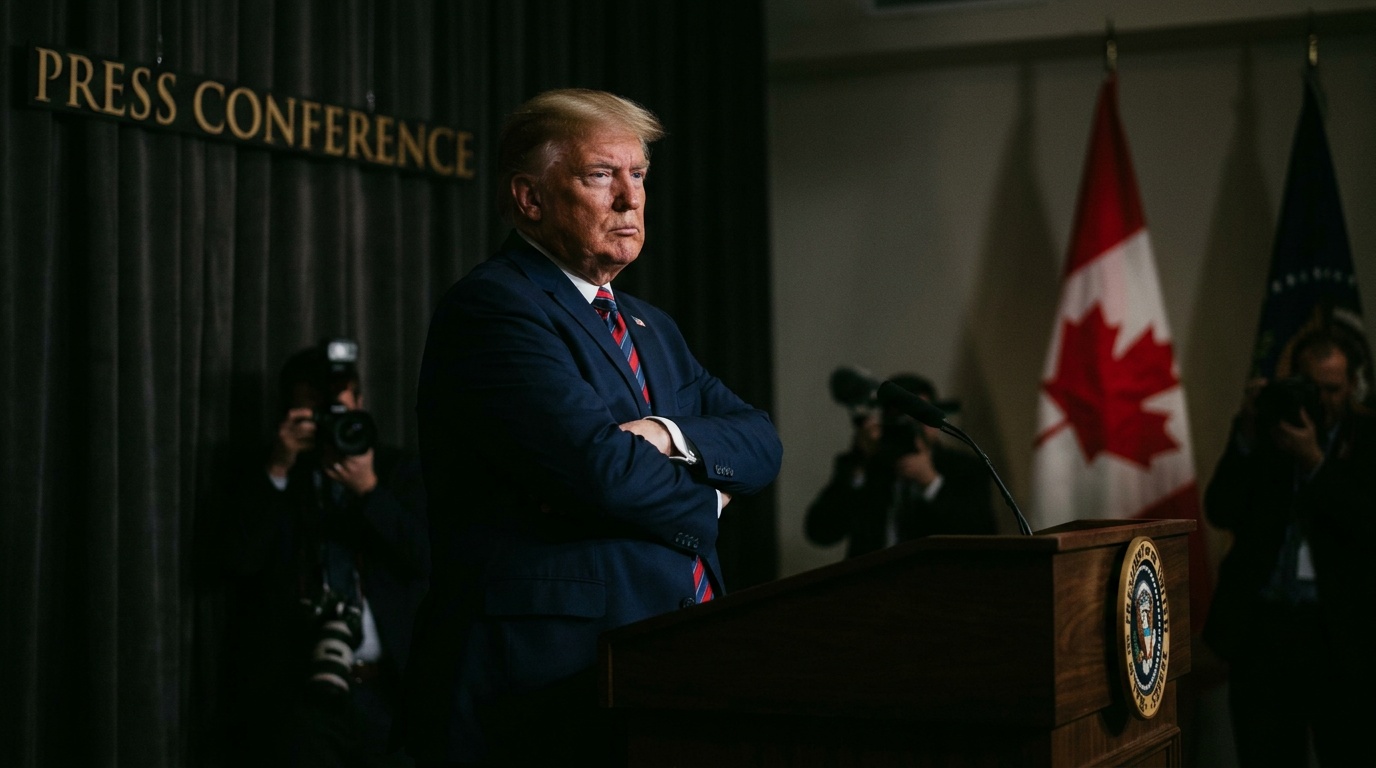
President Donald Trump is sticking with his pro-data-center message, telling communities that turn away these projects they're leaving money on the table.
"Communities that don't take a data center, they're making a mistake," Trump said in the second part of an interview with former fixer Michael Cohen that aired in full on Sunday. He argued the facilities create "tremendous amounts of jobs and money" and insisted the United States leads China in AI "by a lot."
Trump also pushed back on concerns about strained power grids, claiming data centers "are making their own power plants" — though in reality, many still rely on regional electricity grids.
The comments are part of a broader effort to polish the industry's image. Last week, Trump said data centers need "a little public relations help" as communities push back over rising power prices and infrastructure costs. The Associated Press reported Friday that this backlash is increasingly showing up in midterm campaigns in both Republican- and Democratic-led states.
White House Pushes Developers To Pay
Back in March, a who's who of tech giants — Amazon.com Inc. (AMZN), Alphabet Inc. (GOOGL) (Google), Meta Platforms Inc. (META), Microsoft Corp. (MSFT), OpenAI, Oracle Corp. (ORCL), and xAI — signed Trump's Ratepayer Protection Pledge. That means they agreed to build, bring, or buy new electricity and pay for the grid upgrades their facilities require. The White House says a July expansion brought coverage to about 80% of electricity delivered to U.S. homes and businesses.
Power demand keeps climbing, though. The Energy Information Administration expects U.S. electricity consumption to hit records of 4,268 billion kilowatt-hours in 2026 and 4,391 billion in 2027, with AI and cryptocurrency data centers among the main drivers.
Backlash Grows Across States And Elections
The expansion is facing bipartisan resistance. Texas Gov. Greg Abbott has halted approvals for new data centers seeking to connect to the state's grid, pending a comprehensive audit.
Meanwhile, the Environmental Protection Agency (EPA) said its guidance would give developers more flexibility in where and how quickly they can build islanded generation facilities — essentially, power plants that operate independently of the main grid.
Trump isn't backing down. His message is that communities should compete for AI investment, while his administration insists developers — not ordinary ratepayers — should foot the bill for the power needed to support it.