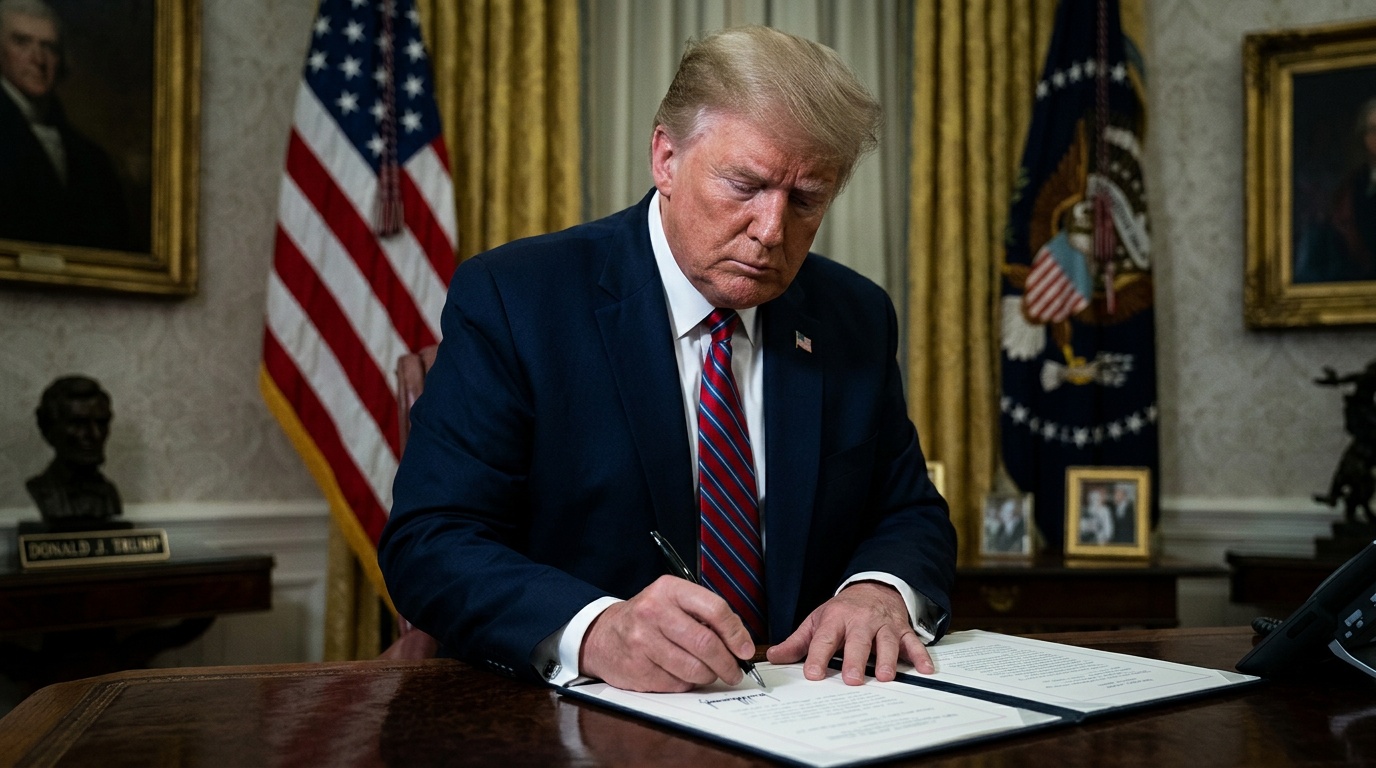
President Donald Trump has turned up the heat on Canada, and it's not just about trade anymore. On Sunday, he took to Truth Social to complain that Canada wants "the benefits of being a state, without being one." His gripe? The tariffs Canada has slapped on American farmers. His response was characteristically blunt: "No more!!!"
This comes as the two countries find themselves in a full-blown trade spat. The Trump administration recently imposed 50% tariffs on Canadian goods, and Canada, not one to back down, has fired back with its own retaliatory tariffs.
Canada Fires Back
On Saturday, Canadian Prime Minister Mark Carney announced that Canada would impose retaliatory tariffs on the U.S., effective September 8. The move is a direct response to the 50% tariffs the U.S. just implemented. During a press conference, Carney said Canada would "match Washington's new tariffs dollar for dollar" to protect Canadian workers, farmers, families, and businesses.
Carney didn't get into all the nitty-gritty details just yet, but he did say the tariffs would hit goods like steel, dairy, appliances, agricultural equipment, pulp and paper, and electronics. He also made it clear this wasn't a decision Canada took lightly. "We are acting reluctantly," he said, hinting that more specifics are on the way.
This isn't the first time Trump has floated the idea of Canada becoming the 51st state, a notion Canadian leaders have consistently shot down. Earlier this year, Trump even joked about Carney being the "future Governor of Canada" in a Truth Social post. The relationship between the two countries, long considered a key alliance, is now strained under the weight of these tariff disputes.
Escalating Tensions
The back-and-forth has been dizzying. On August 19, Trump briefly paused the 50% tariffs on Canadian imports, citing a pending deal. But that pause didn't last long. The tariffs went into effect anyway, and Canada responded with its own measures.
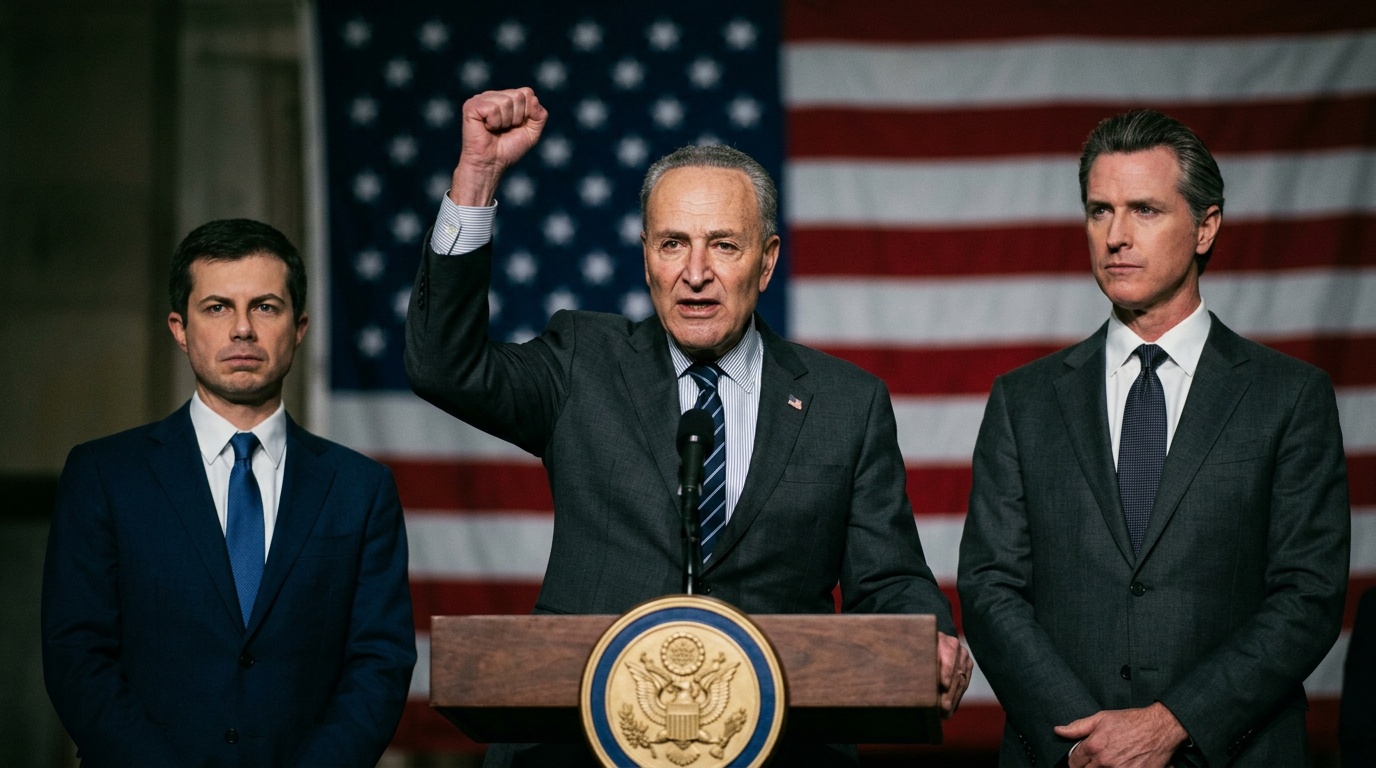
Not everyone is on board with Trump's approach. Senate Minority Leader Chuck Schumer has been vocal in his opposition, arguing that these tariffs could raise costs for American consumers and businesses. "Trump's trade wars are financially straining the American public," Schumer said, echoing concerns that the tariffs might end up hurting the very people they're supposed to help.
Amid all this, there's talk of potential compromises. Reports suggest the U.S. might consider reducing tariffs on Canadian auto imports to 15% and on steel and aluminum to 25%. These discussions signal that negotiations are still ongoing, and the final outcome remains uncertain.
For now, the trade relationship between the U.S. and Canada is in a precarious spot. With both sides digging in, the next few weeks could be crucial in determining whether this escalates further or cools down.