Iran's top security official has a blunt message for anyone thinking about joining Washington's economic pressure campaign: don't. And if you do, the oil might stop flowing.
Mohsen Rezaee, Iran's security chief, took to X on Sunday to warn that "not a single drop of oil will be exported" through the Strait of Hormuz or the Persian Gulf "if the economic war continues." He doubled down on an earlier warning, saying Tehran would "regard any country's participation in or support for America's economic war against the Iranian people as an act of war."
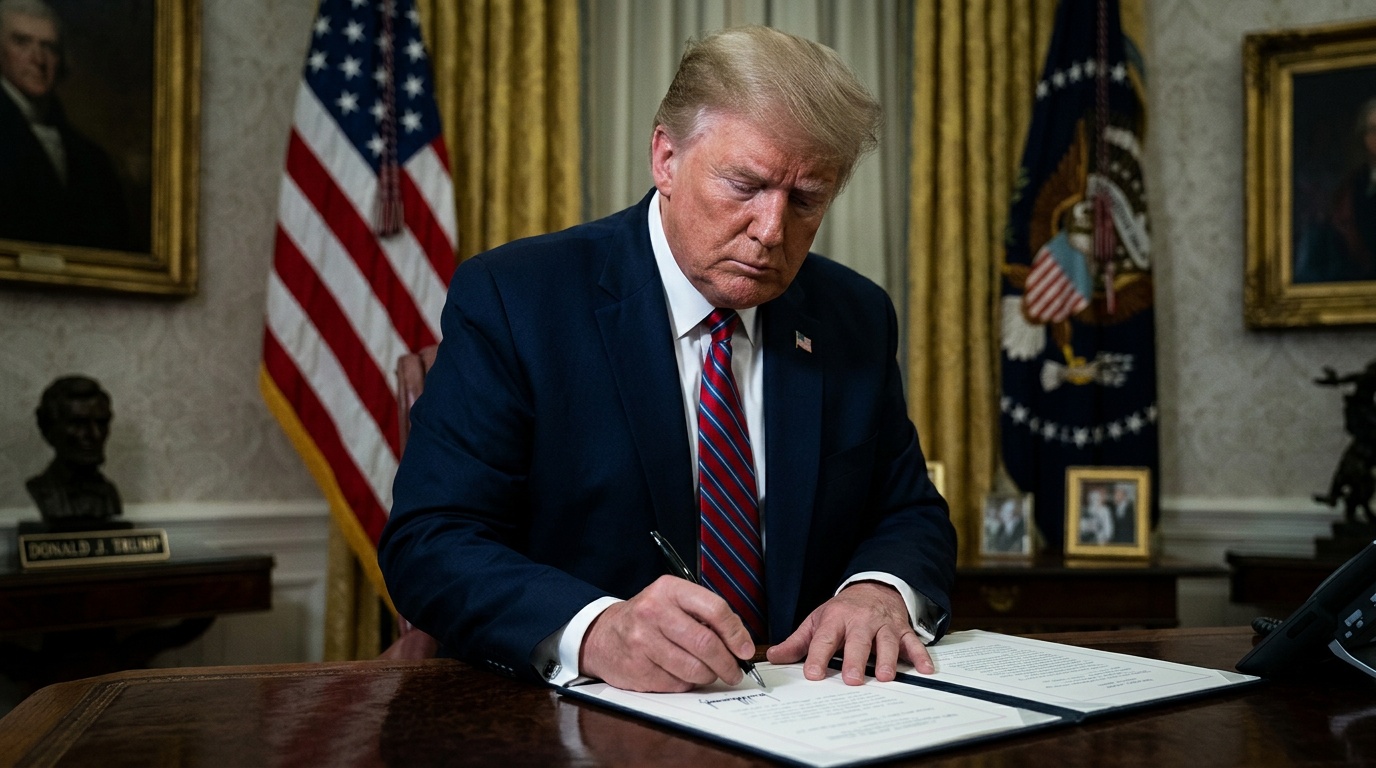
The threat comes as President Donald Trump's administration prepares what it calls unprecedented financial sanctions against Iran. The move has backing from Vice President JD Vance and Treasury Secretary Scott Bessent, though Vance has also noted that oil is still moving through the strait—a point echoed by Energy Secretary Chris Wright.
Meanwhile, the Environmental Protection Agency issued a waiver to allow earlier release of winter blend gasoline, a move pitched as relief for drivers facing high pump prices.
But the situation on the water is tense. Marine Traffic data shows only a handful of vessels transiting the area at the time of writing. Analysts at Kpler suggest Iran has "partially lost" control over the strait, with some ships using an Omani route instead.
Retired U.S. Army Gen. Barry R. McCaffrey offered a stark assessment on X: "In my judgement, the US Armed Forces have probably permanently lost access to 15 Persian Gulf bases. Iran now poised to control access the Gulf States. US will have to negotiate new access in western Saudi Arabia, Israel, southern Europe."
McCaffrey's warning aligns with reports that Iran is planning strikes against U.S. targets in Southern Europe, including Bulgaria's Bezmer Air Base, where U.S. KC-135 refueling aircraft were temporarily stationed. Two U.S. tankers left the base on Aug. 21, according to Bulgaria's defense minister.
For markets, the stakes are clear. West Texas Intermediate crude was trading at $85.64 per barrel, while Brent was at $93.05. The United States Oil Fund (USO) slipped 1.09% to $133.17 in overnight trading. The national average gas price held above $4 at $4.0986 per gallon, with diesel averaging $5.6074. In California, diesel hit $7.1423.
The question now is whether Iran's threats are bluster or a prelude to action. With the strait handling a significant chunk of global oil shipments, any disruption would send prices soaring. But for now, the oil is still moving—just not as much, and not without risk.