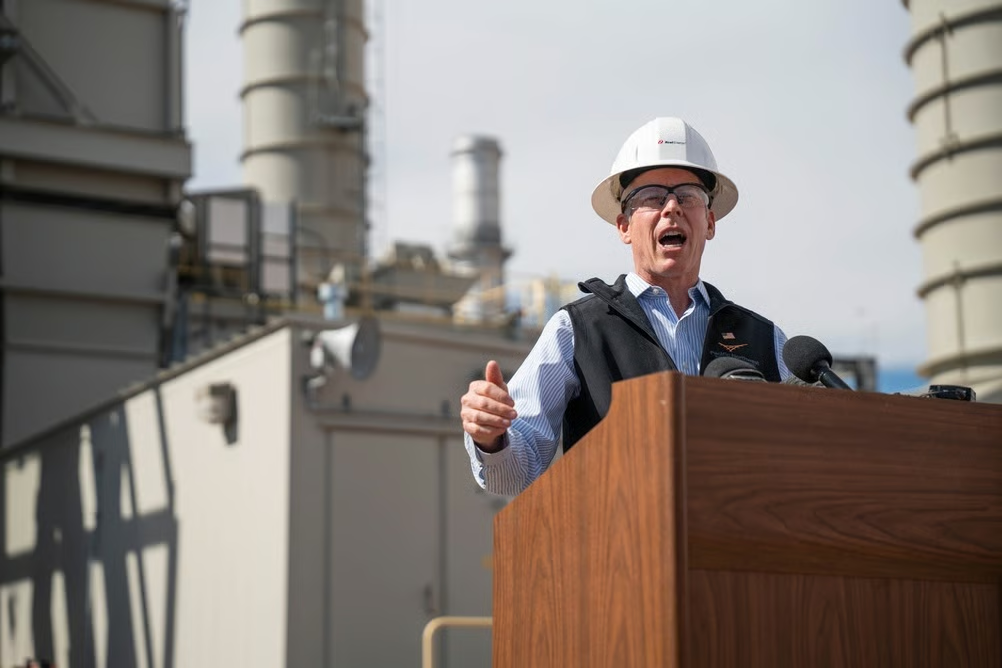
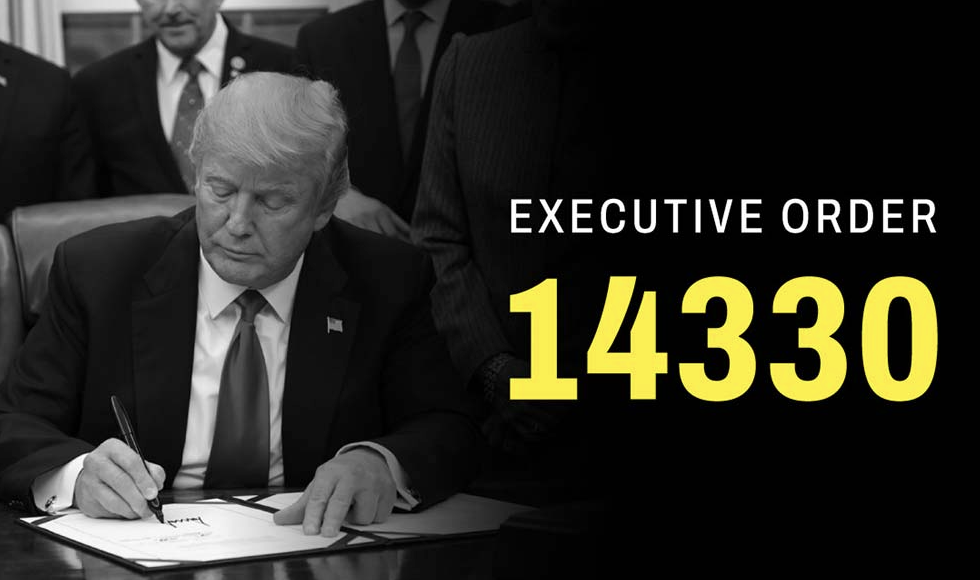
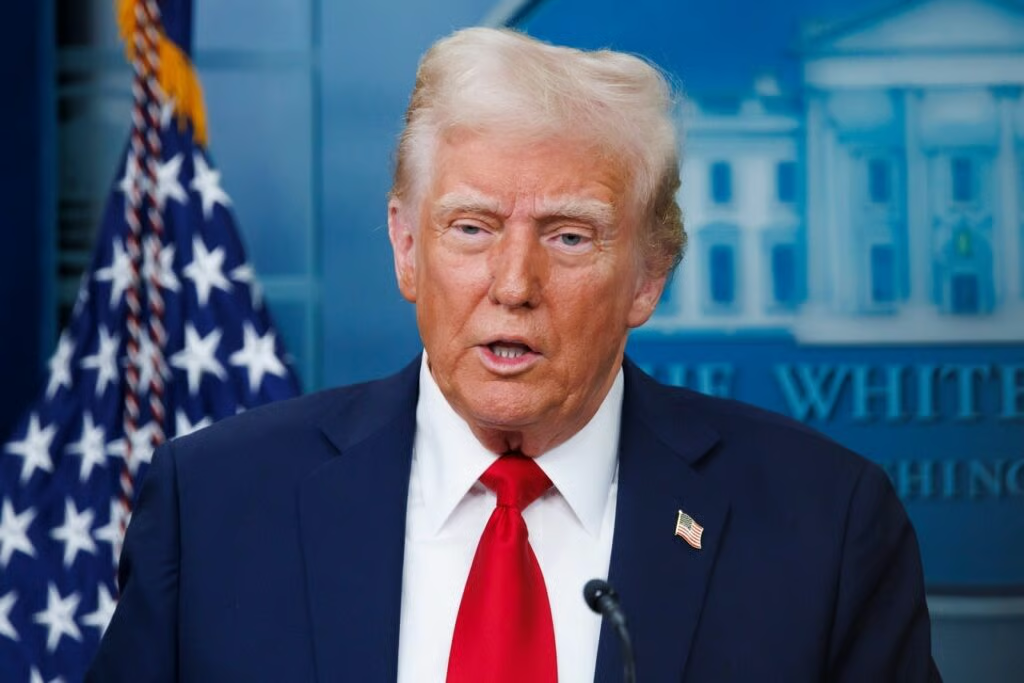
So here's a thing presidents can do: declare that something is important for national defense, and then use a law from the Cold War era to throw money at it. President Donald Trump did that on Monday, signing five presidential determinations under the Defense Production Act (DPA) to channel federal funds toward a bunch of energy projects. The targets? Domestic coal power, liquefied natural gas (LNG), domestic petroleum, and power-grid infrastructure. The rationale? Deficiencies in these areas, he says, are a threat to national defense.
This isn't just a statement of priorities. It's a financial lever. The action empowers the Energy Department to tap into funding that was secured back in 2025 from Trump's big tax-and-spending package. Now, the department can use tools like energy purchases and direct financial support to try and bulldoze through delays, financing gaps, regulatory hurdles, and whatever other market barriers are in the way. In practice, that means federal money could flow to coal plants, refineries, and companies that make things like gas turbines and transformers.
Why these things? In the determinations, Trump laid out the case. He pointed to coal-powered generation as crucial for providing stable electricity to support defense installations, industrial expansion, and new technologies like artificial intelligence. He highlighted LNG capacity as key for ensuring energy security for U.S. allies. And he stressed the importance of domestic refining capacity to, quite literally, fuel the nation's armed forces.
This move arrives against a backdrop of rising costs. Oil, gasoline, and electricity prices have been climbing. At the time of the announcement, Brent crude futures were trading around $94.51 a barrel, and the national average for a gallon of gasoline was sitting at $4.022.
It's also not Trump's first rodeo with these emergency powers. Back in March 2025, he invoked the DPA to try and boost domestic production of critical minerals, aiming to cut reliance on imports from places like China. Then in February, he used it again to target domestic production of elemental phosphorus and glyphosate herbicides, noting dependence on foreign suppliers and a single domestic producer, Bayer AG (BAYRY).
While the administration pushes forward on production, it's facing pushback in court. On Monday, the same day as the DPA signings, a coalition of environmental groups—Healthy Gulf, Habitat Recovery Project, and the Center for Biological Diversity—filed a lawsuit against the Trump administration. The suit challenges its approval of BP PLC's (BP) $5 billion ultra-deepwater Kaskida drilling project in the Gulf of Mexico.
Filing on the anniversary of the Deepwater Horizon spill is no accident. The groups are arguing the project risks serious environmental harm and are seeking a judicial review of the decision. If it goes ahead, Kaskida would be BP's first new Gulf oil field since 2010, with a potential capacity of up to 80,000 barrels of oil per day.
So, in one day: the executive branch flexes its authority to fund more fossil fuel and grid projects in the name of defense, while the judicial branch gets a new case questioning the environmental cost of one major offshore project. It's a snapshot of the current energy policy landscape—where national security arguments meet industrial policy, and where every move to boost production seems to guarantee a legal or political countermove.
.jpeg)