So here's the situation: there's a shaky ceasefire between the U.S. and Iran that's supposed to last 14 days. It's about to expire on Wednesday. And everyone is, predictably, getting a little tense.
Iran's parliament speaker, Mohammad Bagher Ghalibaf, decided to make his feelings known on Monday. In a post on X, he accused President Donald Trump of using a naval "siege" and alleged ceasefire violations to try to turn diplomacy into what he called a "table of surrender." His message was pretty clear: "We do not accept negotiations under the shadow of threats, and in the past two weeks, we have prepared to reveal new cards on the battlefield."
That's not exactly the language of someone eager to make a deal. "New cards on the battlefield" sounds a lot like military options. It's the kind of phrase you use when you want the other side to know you're not just sitting around waiting for their next move.
Earlier the same day, Iranian President Masoud Pezeshkian was also on the offensive, saying U.S. officials were sending "unconstructive and contradictory signals." He wrote, "They seek Iran's surrender," and added, "Iranians do not submit to force."
But here's where it gets interesting. According to reports, Pezeshkian has recently been taking a more moderate public tone than some other Iranian officials. He's been urging an end to the war so the country can focus on reconstruction and emphasizing the need for negotiation in meetings with public-sector workers. So you have one part of the Iranian government talking about "new cards" on the battlefield, and another part talking about reconstruction and negotiation. It's almost like they're sending mixed signals too.
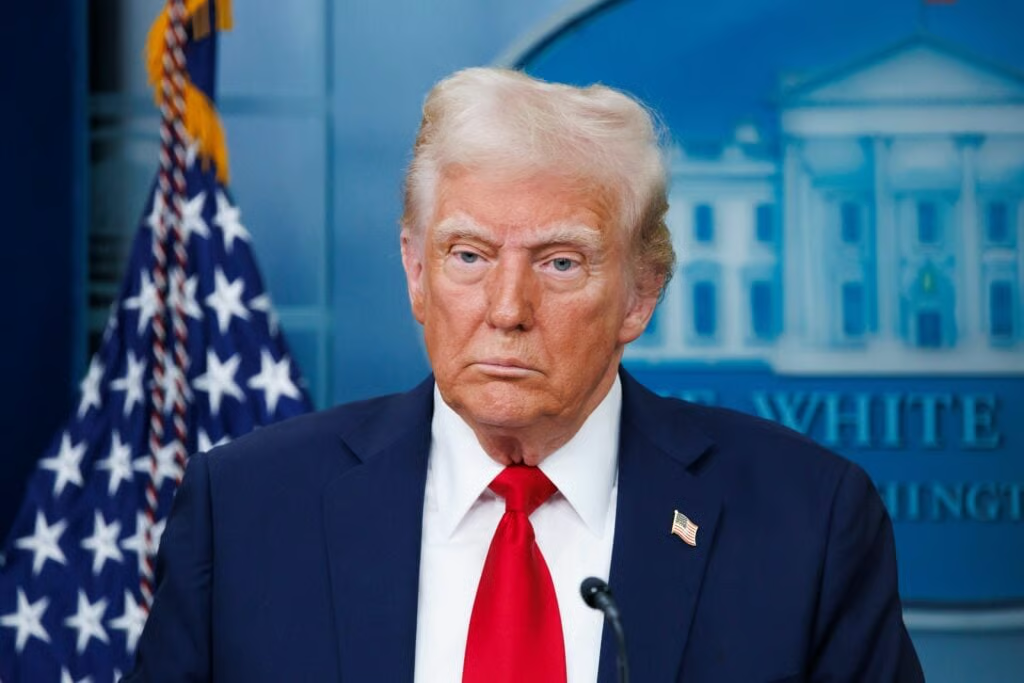
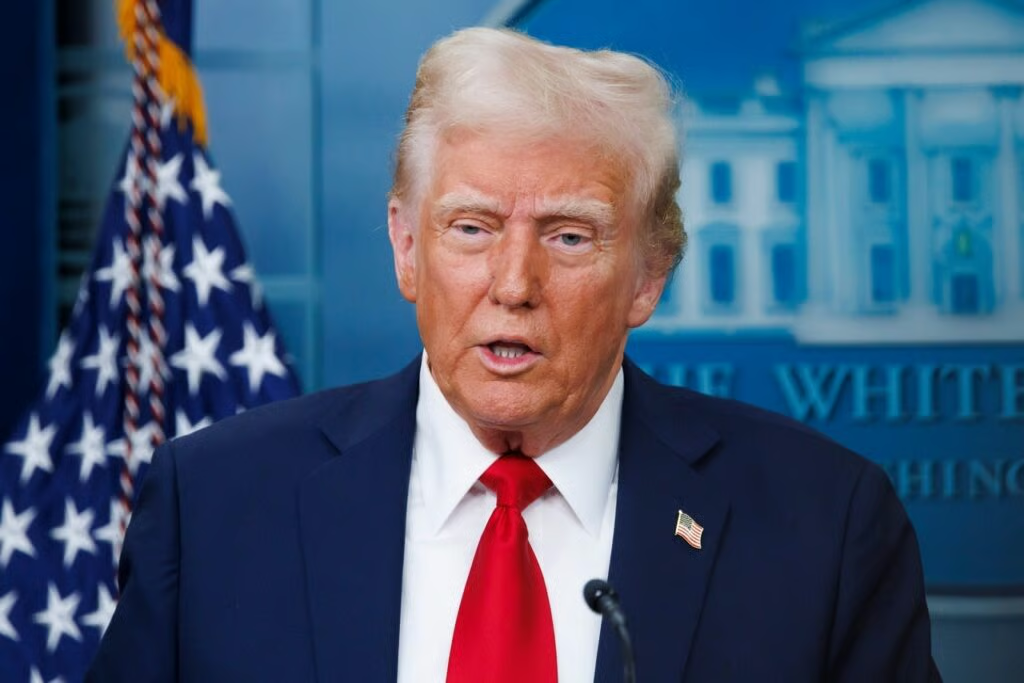
Meanwhile, on the other side of the table, President Trump is doing his own version of mixed signals. The Associated Press reported Monday that Trump said he was in no rush to end the war, but also voiced confidence that more talks with Tehran could soon take place in Pakistan.
With the ceasefire deadline looming, Trump swung between guarded optimism that a deal could be reached and threats that "lots of bombs" would "start going off" if no agreement was reached before the deadline. The AP said he still expected to send a negotiating team led by Vice President JD Vance to Islamabad, even as Iran insisted it would not participate unless Trump softened his demands.
So you have Iran saying they won't talk unless demands are softened, and Trump saying he's "highly unlikely" to renew the ceasefire. Not exactly the foundation for a productive diplomatic session.
Pakistani officials, apparently eternal optimists, are moving ahead with preparations for a new round of U.S.-Iran talks anyway. A senior Pakistani government source told Reuters that Islamabad remained confident Iran could still attend. This is happening even as the truce was strained again over the weekend by renewed confrontation around the Strait of Hormuz.
So where does this leave us? A ceasefire is about to expire. One side says they won't negotiate under threat and has prepared "new cards" (which probably aren't playing cards). The other side is simultaneously threatening bombs and expressing optimism about talks. And a third country is setting up chairs for a meeting that might not happen.
It's the kind of high-stakes diplomatic dance where everyone is trying to look tough while secretly hoping the other side blinks first. The problem is, when the music stops on Wednesday, someone has to make a move. And right now, both sides seem pretty committed to not being the one who moves first.
.jpeg)