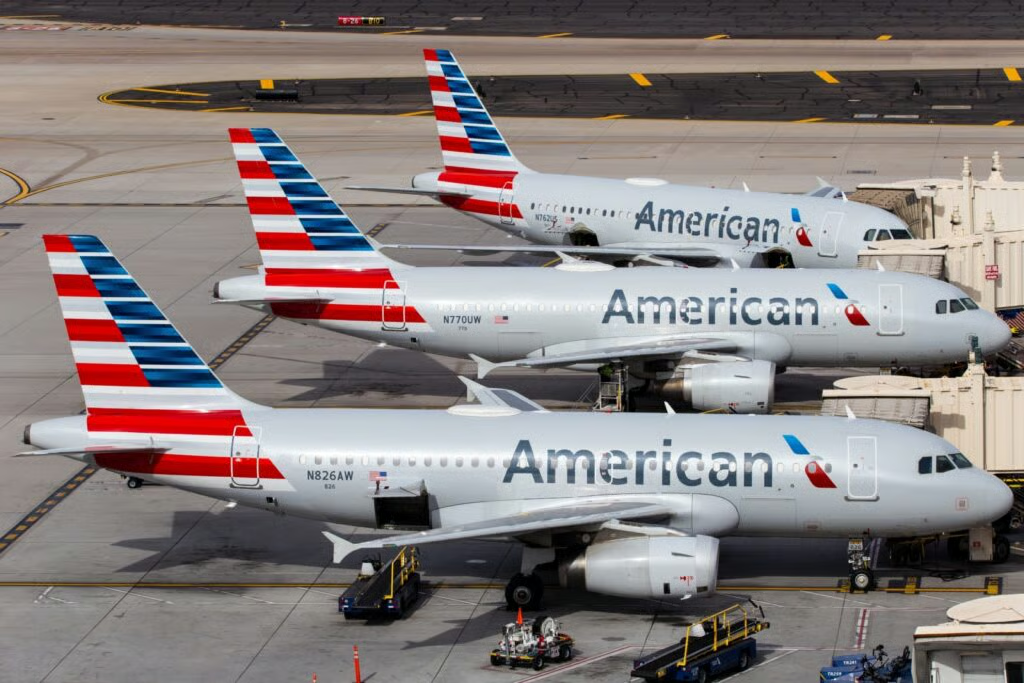
So here's a fun way to start your Tuesday: imagine you're an airline executive, you get a meeting with the President to talk about airport infrastructure, and you decide to pivot to "hey, what if we just bought one of our biggest competitors?" That's apparently what happened in late February, and now American Airlines (AAL) shares are up nearly 5% in premarket trading because of it.
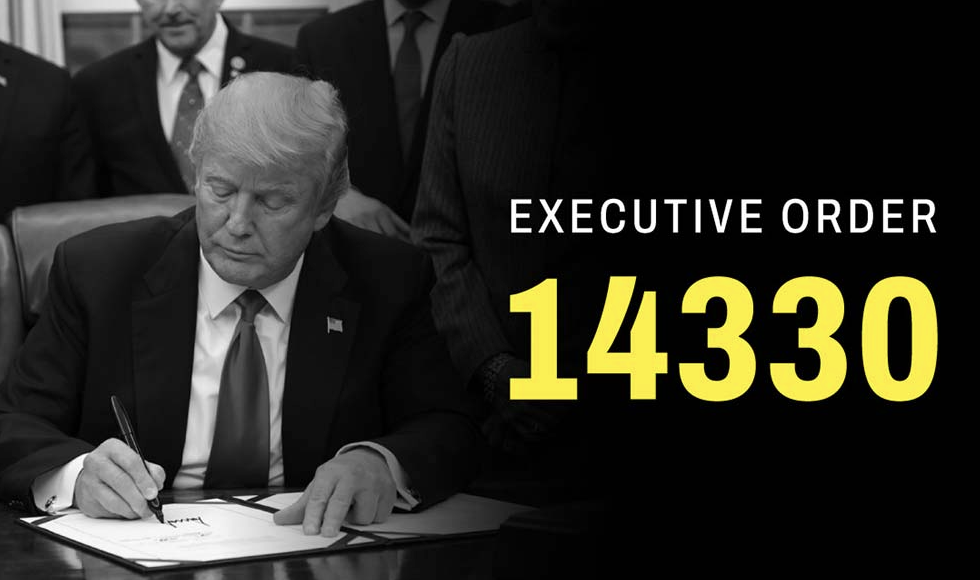
The story, according to reports, goes like this: United Airlines Holdings (UAL) CEO Scott Kirby met with President Donald Trump in late February. The meeting was supposed to be about the future of Dulles airport—reasonable enough. But Kirby, perhaps sensing an opportunity, reportedly floated the idea of a merger with American Airlines. He argued that a combined airline would be a more formidable competitor in international markets, which aligns with the administration's focus on U.S. trade deficits. The timing was notable: this meeting happened just three days before the U.S.-Israeli war with Iran began.
United Airlines stock is also up, about 1.45% premarket, though it's American getting the bigger bounce on the speculation. It's unclear if United has formally approached American or started any process, and neither airline nor the White House immediately responded to requests for comment. But the market is clearly pricing in the possibility that something might be cooking.
Airline Mergers Are Suddenly Back on the Menu
This isn't happening in a vacuum. Transportation Secretary Sean Duffy recently signaled that the administration might be open to airline mergers, telling CNBC that Trump "loves to see big deals happen" and there's "room for some mergers in the aviation industry" in the U.S. This comes amid rising jet fuel costs, which have been squeezing airline margins and making consolidation look more attractive.
Remember the whole JetBlue Airways Corp. (JBLU) and Spirit Airlines (FLYYQ) saga? That proposed acquisition collapsed on antitrust grounds in 2024, and since then, there's been growing speculation that JetBlue itself could become a target as it tries to execute a multiyear turnaround. The industry seems to be in a "merge or be merged" kind of mood.
But let's not get ahead of ourselves. A United-American merger would be... huge. We're talking about combining two of the "big four" U.S. airlines. Analysts and antitrust lawyers are already waving red flags. Seth Bloom, an antitrust lawyer, told Reuters that such a deal is unlikely to pass regulators, even under a more lenient administration, because it could significantly increase airlines' pricing power and hurt consumers. Regulators have been tough on airline consolidation for years, worried about reduced competition and higher fares.
So what we have here is a classic market move: stocks react to rumors of a deal, everyone gets excited about the potential synergies and scale, and then we all remember that regulators exist and have opinions. For now, American Airlines investors are enjoying the ride, but whether this goes anywhere beyond a speculative bump remains very much an open question. It's a reminder that in the airline business, sometimes the turbulence isn't just in the air—it's in the boardroom and the halls of government too.






.jpeg)