So, here's a thing that happened: former President Donald Trump took to Truth Social on Tuesday to announce plans for what he called a "historic" $300 billion oil refinery in Brownsville, Texas. The twist? It's getting a major boost from India, specifically from billionaire Mukesh Ambani's energy giant, Reliance Industries (RELIANCE).
Trump framed this as the first new U.S. oil refinery in 50 years, part of an effort to ramp up domestic energy production and, apparently, make some new international friends. The facility, being developed by a company called America First Refining, is designed to run entirely on U.S. shale oil. According to reports, construction could kick off as soon as this spring.
"THIS IS A HISTORIC $300 BILLION DOLLAR DEAL — THE BIGGEST IN U.S. HISTORY," Trump wrote, in the all-caps style he's known for. He thanked India and Reliance for the investment, though he didn't get into whether this is part of some larger deal between the countries. He also touted the project as a return to "REAL ENERGY DOMINANCE" and claimed it would be the "cleanest refinery in the world," promising billions in economic impact and thousands of jobs for South Texas.
Naturally, he credited his own policies—the America First Agenda, streamlined permits, lower taxes—for making this massive investment possible. The idea, he suggested, is to boost global exports and finally spur some economic growth in the region.
A Two-Decade Partnership
Meanwhile, America First Refining put out its own details, though without naming Reliance directly. The company said it secured a "9-figure investment from a global supermajor at a 10-figure valuation" and signed a 20-year agreement with that same partner to buy, process, and distribute U.S. shale oil. The plan is for the refinery to handle 1.2 billion barrels of light shale crude, which the company says will help strengthen the domestic energy supply chain.
Trey Griggs, president of America Refining, pointed out a classic market mismatch: the U.S. has a surplus of light shale oil but not enough refining capacity to process it. This new facility, in theory, helps fix that.
Oil Markets on a Roller Coaster
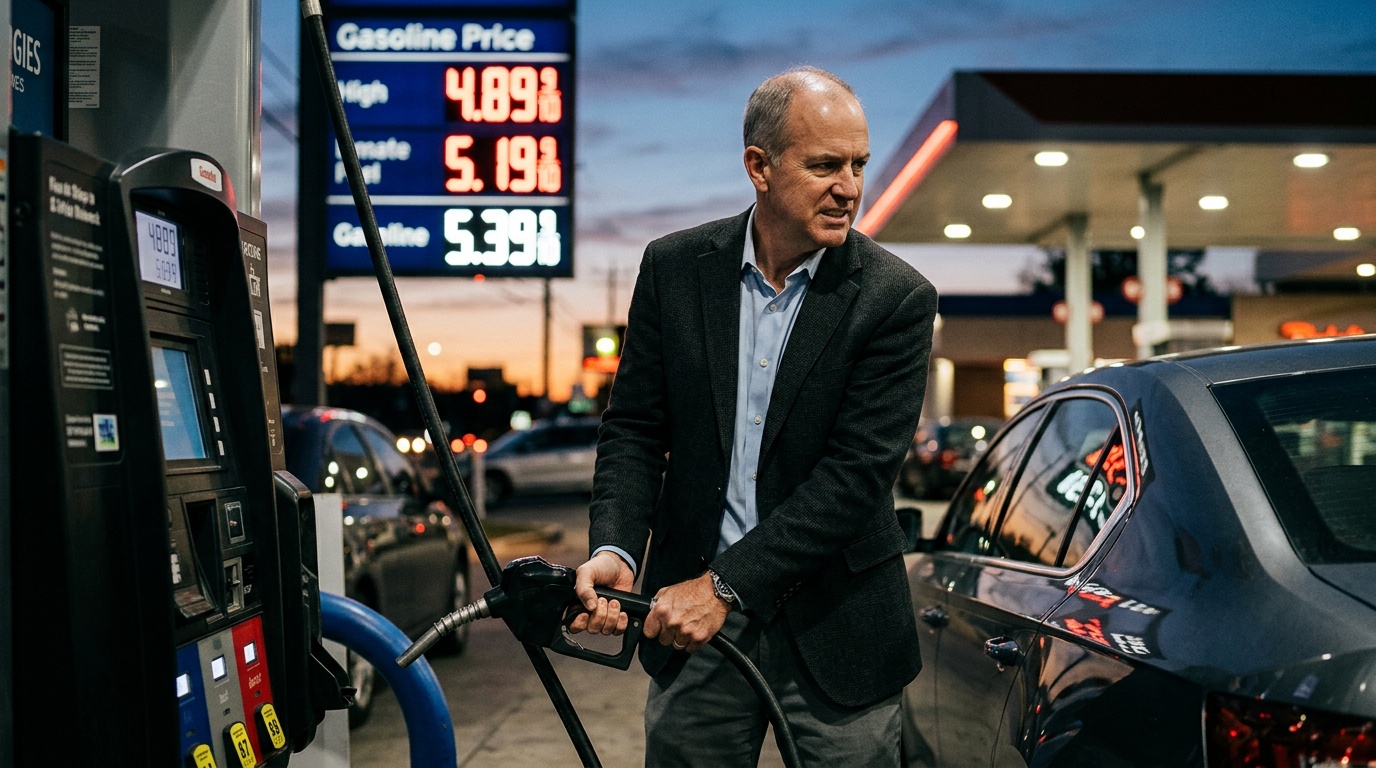
All this is happening against a backdrop of seriously jumpy oil markets, thanks largely to the escalating conflict in the Middle East. Crude prices briefly shot past $100 a barrel over the weekend. They dipped to around $85 on Tuesday after Trump suggested the war might end soon, but then bounced back up on Wednesday—even with talk of a big emergency reserve release. When last checked, WTI crude was trading about 4.37% higher at $87.11. For what it's worth, higher fuel prices usually give shale refiners a bit of a tailwind.
The involvement of Reliance adds another layer here. Back in October, after the U.S. slapped sanctions on Russian oil giants Rosneft and Lukoil, Reliance—which is India's biggest buyer of Russian crude—started cutting or suspending shipments following guidance from the Indian government. But with oil supply getting messy because of U.S.–Iran tensions, Treasury Secretary Scott Bessent said Washington gave India a temporary 30-day waiver to buy Russian oil cargoes already stuck at sea.
Oh, and in a related note, the U.S. and India signed an interim trade deal in February, with more talks underway for a broader agreement. So, you know, geopolitics and energy—they tend to show up to the same party.