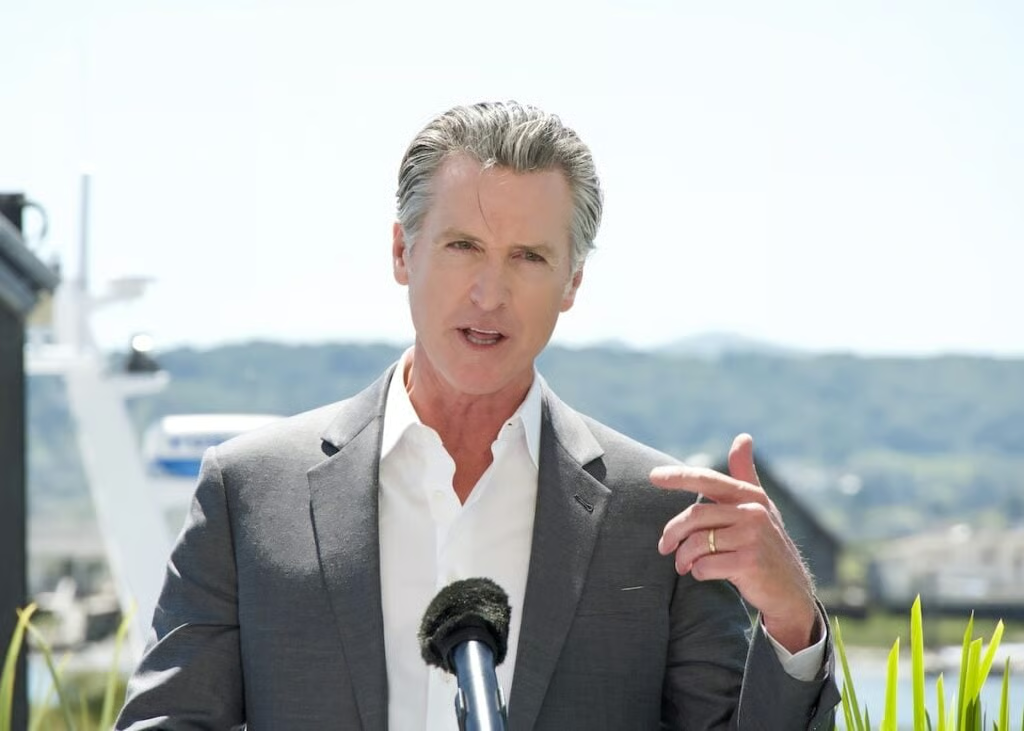
So here's a classic political-energy spat, but with some real money and geopolitics mixed in. Transportation Secretary Sean Duffy decided to take a swing at California Governor Gavin Newsom on Monday, basically calling him out for being too green while Californians pay through the nose at the pump. The backdrop? A war with Iran that's pushing oil prices higher, and a reopened pipeline off the coast of Santa Barbara that's become a flashpoint.
Duffy posted a video on X, touting President Donald Trump's "drill baby drill" mantra and sharing updates on Sable Offshore Corp's (SOC) pipeline project. "Climate alarmist @GavinNewsom would rather Californians be dependent on foreign oil," Duffy wrote, accusing critics of "playing politics." He added that the Department of Transportation's Pipeline and Hazardous Materials Safety Administration is "working overtime to ensure that the oil is flowing." The video showed off the rig's capabilities, claiming the pipeline will pump 60,000 barrels of oil every day to California consumers. Not a small number—that's a decent chunk of supply for a state that's been trying to wean itself off fossil fuels.
Newsom, for his part, has been vocal about his opposition to reopening this pipeline, which was shut down after a 2015 oil spill. State officials and environmental groups aren't thrilled either, arguing it's a risk not worth taking. The Governor's Press Office says the move endangers communities and California's $51 billion coastal economy. Meanwhile, Chevron Corp (CVX), which is set to get crude from this pipeline, has criticized Newsom for what it calls "disastrous" policies from the California Air Resources Board aimed at cutting greenhouse gas emissions. So you've got the feds pushing for more oil, the state pushing back, and a big oil company caught in the middle complaining about regulations. It's a messy triangle.
And all this is happening while gas prices are shooting up. According to AAA, the national average for a gallon of gas hit $4.125 on Monday, but in California, drivers are paying $5.893—the highest in the country. Investor Peter Schiff chimed in with a warning, saying oil prices could soar past $150 a barrel if the U.S.-Iran conflict escalates further, especially with Trump's blockade of the Strait of Hormuz. Newsom didn't hold back either, blaming the President's "unhinged war with Iran" for forcing people "in every single state to pay over a dollar more for a gallon of gas." So it's not just a California problem; it's a national wallet-ache.
Over in the financial commentary world, Jim Cramer was getting frustrated with analysts who seem to be ignoring this oil surge. He called them "Panglossian"—basically, overly optimistic or naive—for wanting to "buy the dip" ahead of Trump's blockade, thinking it might spark a market rally. Cramer's point: maybe factor in that oil prices are a big deal right now? As of this writing, West Texas Intermediate crude dropped 2.33% to $96.77 a barrel, and Brent crude slipped 1.50% to $97.87 a barrel. A little dip, but still high compared to recent years, and with all this geopolitical tension, who knows where it goes next.
In short, you've got a political fight over energy policy, a pipeline that's become a symbol of that fight, and gas prices that are making everyone grumpy. Duffy's pushing for more domestic drilling, Newsom's warning about environmental risks, and investors are watching oil prices like hawks. It's one of those stories where policy, markets, and everyday costs all collide—and for now, Californians are footing the bill.
.jpeg)