Oil traders spent Monday doing something they haven't done much of during the last eight months: pricing in peace. President Donald Trump signaled a possible breakthrough in negotiations with Iran, and crude prices responded by falling off a cliff, dropping more than 7% just ahead of Tuesday's midterm elections.
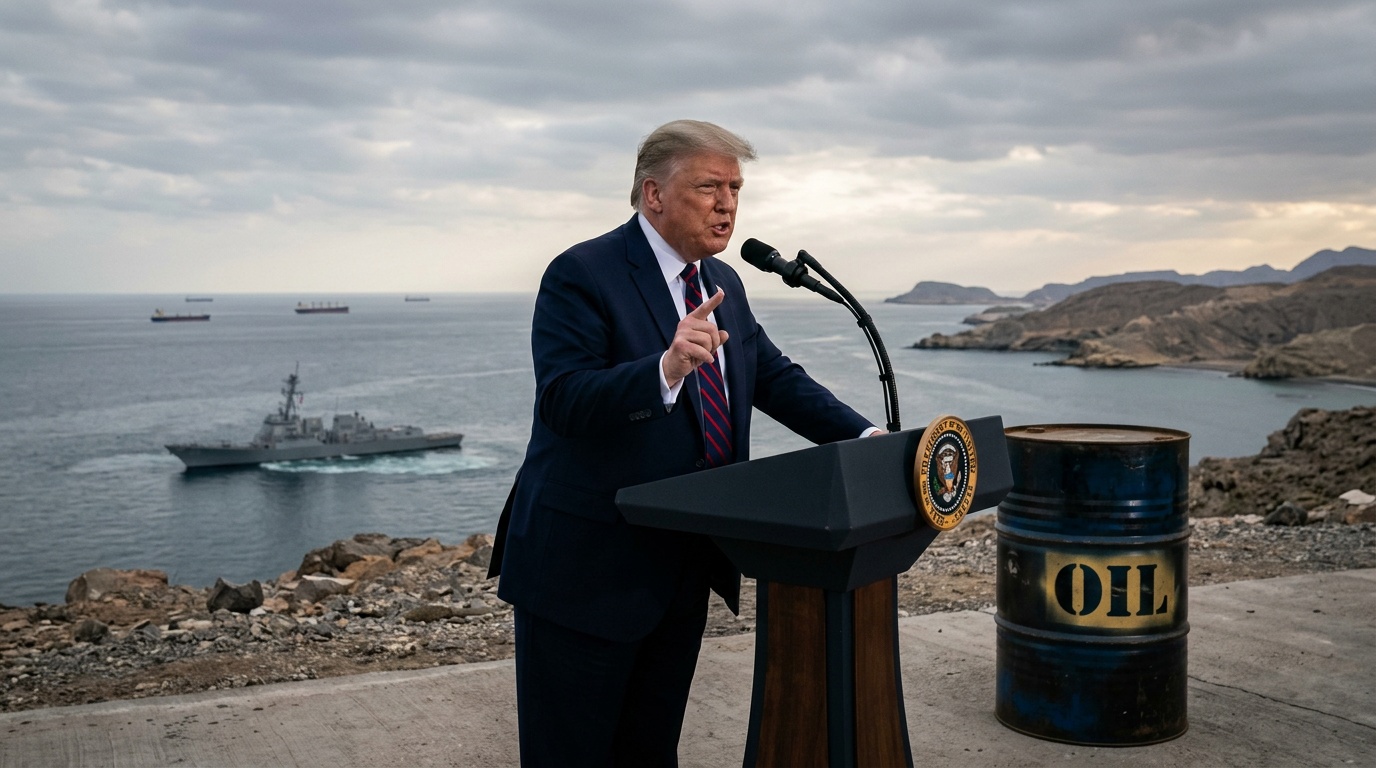
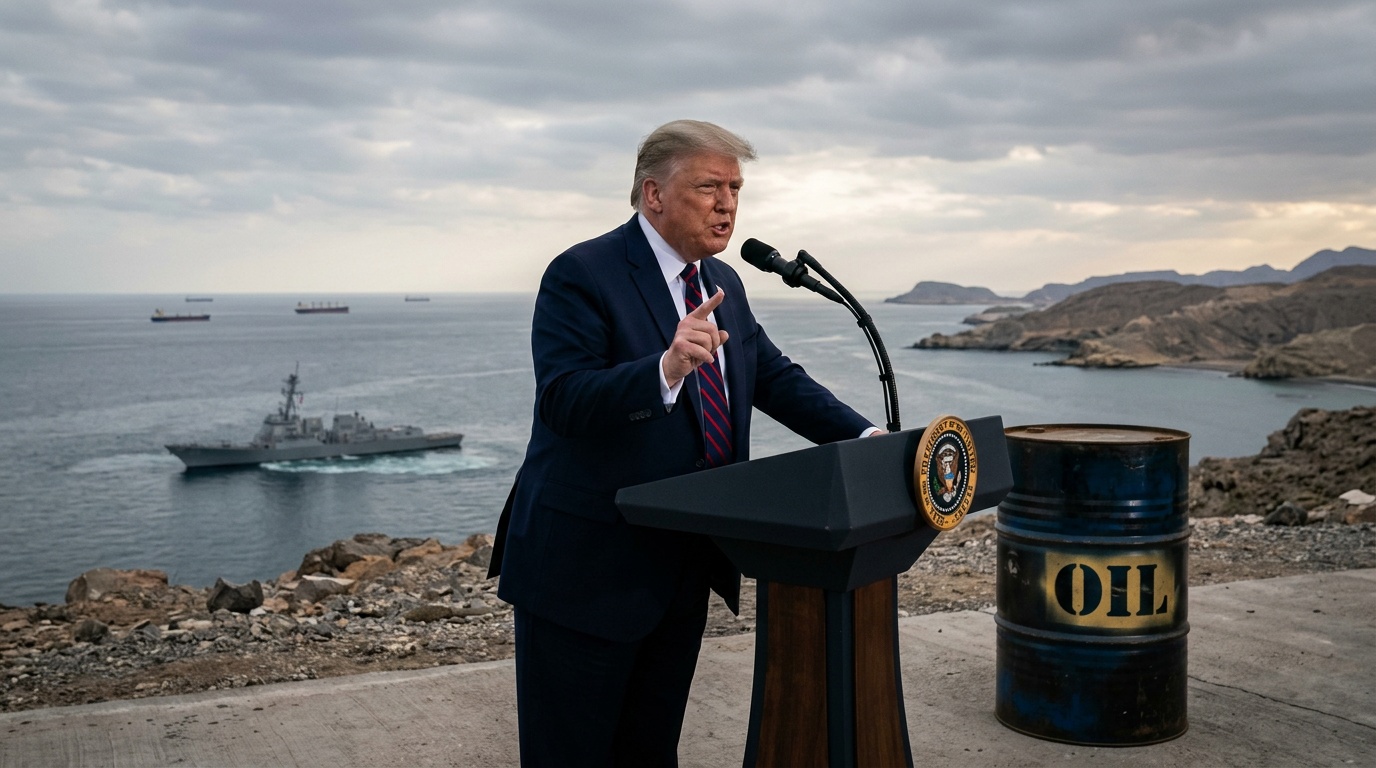
Trump, as is his habit, took to Truth Social to narrate the move. "Oil Prices are DROPPING LIKE A ROCK, down almost $10 a Barrel, A RECORD, because people feel that there will not be a War with Iran," he wrote. "Iran wants a settlement, as soon as possible. It could happen!"
The market didn't argue. Brent crude fell $8.66, or 7.63%, to $104.77 per barrel on Monday, while West Texas Intermediate dropped $7.66, or 7.36%, to $96.46.
Tehran Makes Its Move
It wasn't just Trump talking. Iranian President Masoud Pezeshkian said Supreme Leader Mojtaba Khamenei had granted his government additional authority to pursue negotiations during a Monday meeting with provincial governors and mayors of major cities, according to a statement published on the Iranian president's official website.
"We are striving to resolve the issue through dialogue," Pezeshkian said. He noted that the supreme leader had granted the government certain powers to advance those efforts, though he left the scope of those powers conveniently vague.
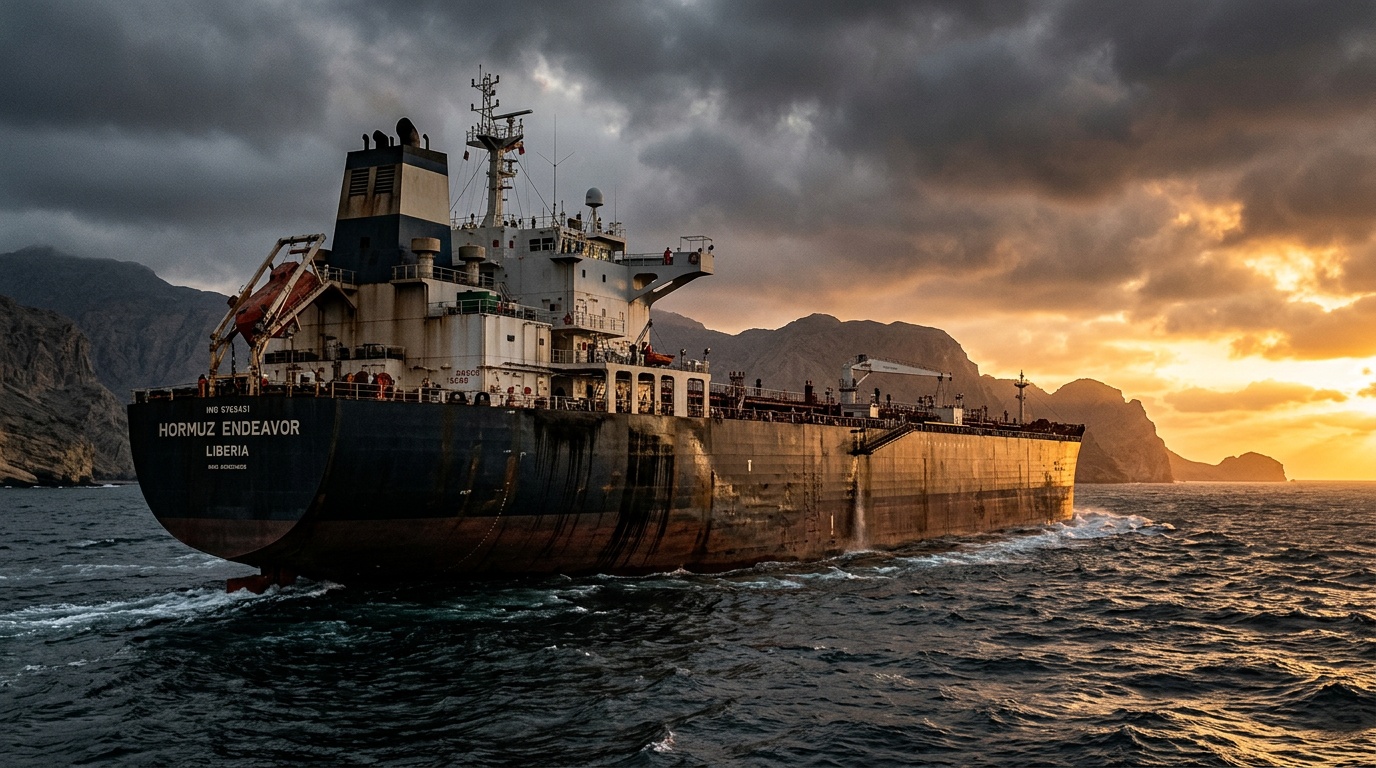
The diplomatic optimism is a sharp turn from Trump's earlier declaration that Washington was "not negotiating" with Iran. He has also threatened further military action after the elections, despite repeatedly claiming victory over Tehran. The conflict has disrupted shipping through Hormuz, which previously handled roughly one-fifth of global oil and natural gas supplies.
Then the Bombs Fell Again
Any celebration in the oil pits proved premature. Reuters reported Tuesday that US forces struck targets on Iran's Qeshm Island near the Strait of Hormuz. American officials described the strikes as defensive measures against threats to US assets and commercial shipping.
The news reversed some of Monday's losses, pushing WTI to $97.01 and Brent to $105.222 in early trading. The conflict has already raised concerns about prolonged disruption to global oil supplies, and previous diplomatic setbacks have repeatedly triggered sharp price swings. Traders who thought they could stop watching the headlines for five minutes learned otherwise.
Analysts: Don't Pop the Champagne Yet
Raymond James analyst Pavel Molchanov told Reuters on Monday that signs of progress in U.S.-Iran negotiations pushed oil prices lower, but he cautioned against excessive optimism after several "false dawns" in diplomatic efforts in recent months.
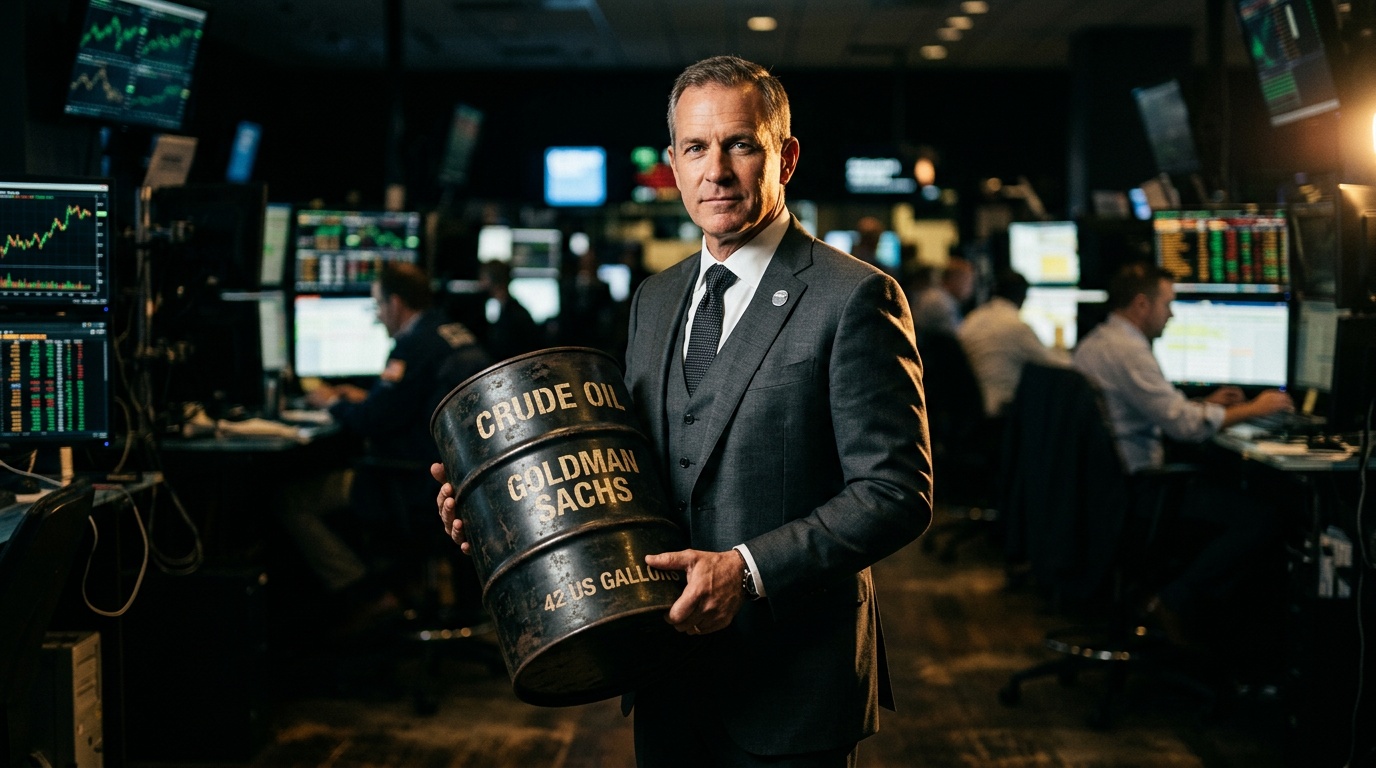
Meanwhile, Goldman Sachs warned Brent could reach $140 in 2027 if Gulf production remains substantially below previous levels. The latest strikes highlight the uncertainty surrounding negotiations, even as Trump continues pushing for a settlement.
So where does that leave things? Oil markets are caught between a president promising a deal and a military that keeps launching strikes. That is not a comfortable place to be, and the price action reflects it. Every headline about talks sends crude lower; every headline about strikes sends it right back up. Until something concrete changes on the ground, expect more of the same whiplash.