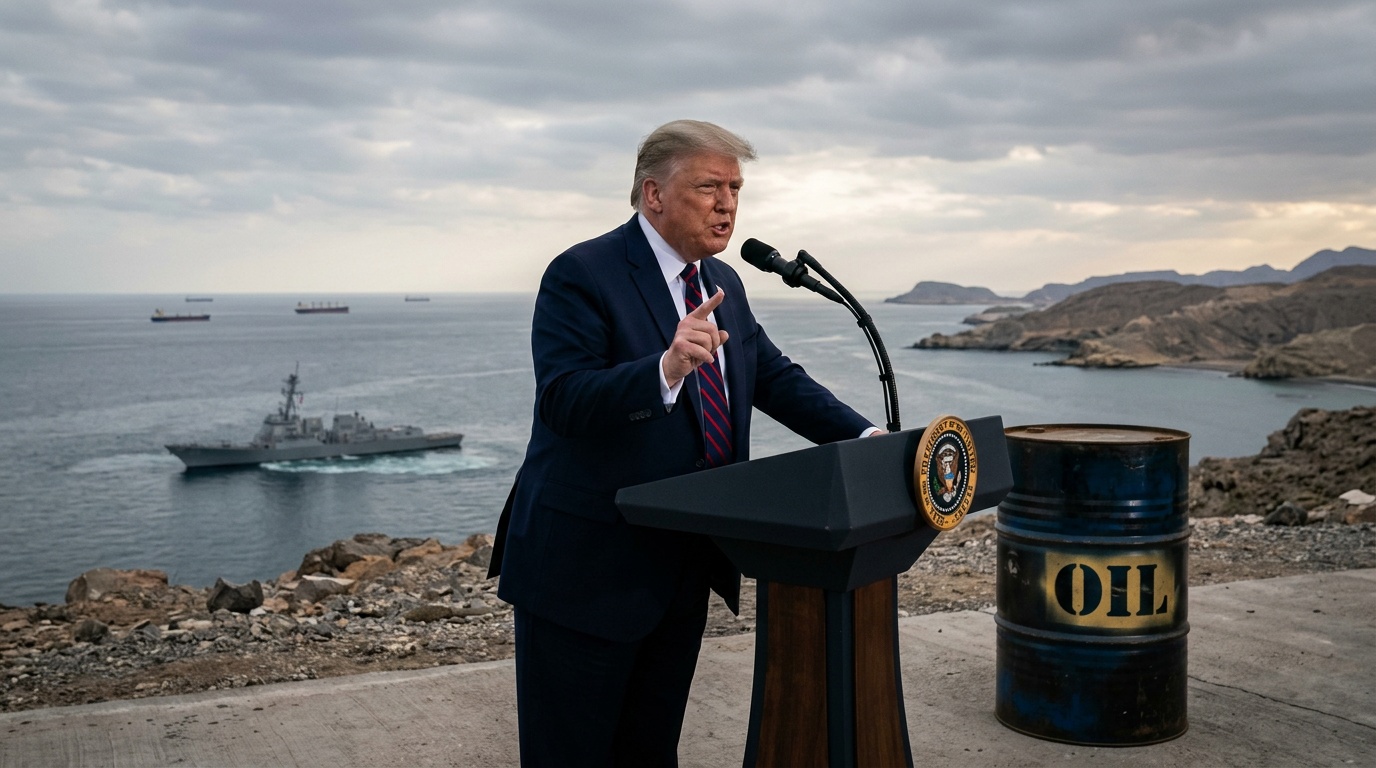
President Donald Trump has a habit of treating the oil market like a scoreboard, and Monday was no exception. In a Truth Social post, he pointed to falling crude prices as evidence that a possible settlement with Iran is coming into view.
“Oil Prices are DROPPING LIKE A ROCK, down almost $10 a Barrel, A RECORD, because people feel that there will not be a War with Iran,” Trump wrote, adding that Tehran wanted a settlement “as soon as possible.”
He doubled down during his closing midterm election remarks at Washington's Lincoln Memorial Reflecting Pool. “It's going to go down a lot further because we're winning with Iran, easily winning,” Trump said, according to The Hill.
Winning With Iran, and Also Bombing It
Here is where the story gets a little less tidy. While Trump was touting a diplomatic deal with Tehran, US forces reportedly struck Iran's Qeshm Island on Monday, amid a series of covert attacks in recent weeks.
The president also warned that Washington could target Iran's suspected underground nuclear facility, known as Pickaxe Mountain, saying the US could hit it “in one hour” if necessary.
In an interview with Fox News, Trump said hostilities could resume if Tehran failed to reach an agreement, though he put the odds of a deal at a “very good chance.”
“If I can make a deal, I would rather do it,” Trump said, adding that diplomacy could “save a lot of lives.”
So the message is roughly: the market is pricing peace, the military is still doing military things, and the president would prefer a deal but is happy to remind everyone about the alternative. Investors, as usual, have to decide which signal to trade on.
The Barrel-Level Numbers
West Texas Intermediate, the US benchmark, rose 0.33% to $96.78 per barrel, and Brent crude, the international benchmark, gained 0.13% to $104.91. Those are modest daily moves, but zoom out and the picture changes. Over the past five trading days, WTI fell 4.78% and Brent declined 9.18%. Over the past month, both benchmarks are still higher, up 6.36% and 2.87%, respectively.
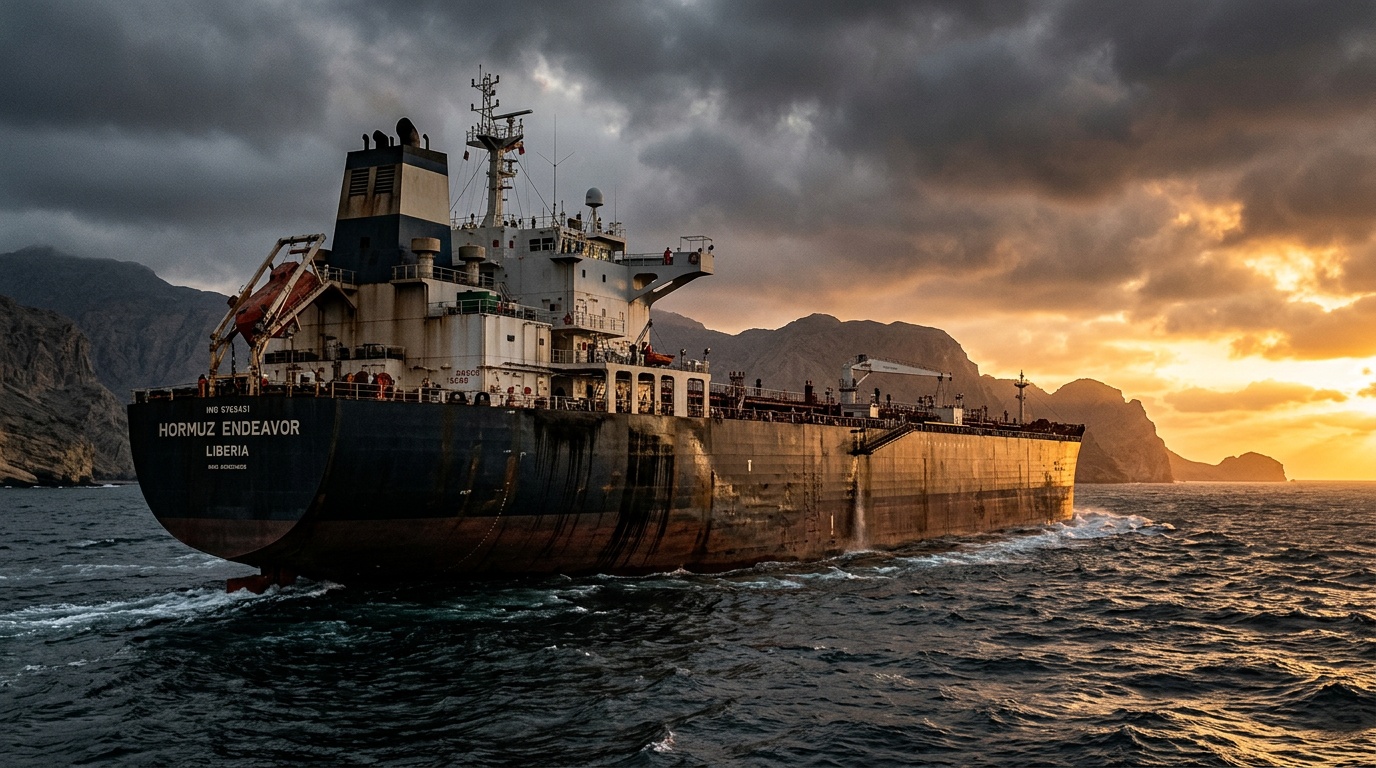
The recent slide followed reports that Iran had offered to reopen the strategically important Strait of Hormuz if Washington met certain conditions. It remains unclear whether the US will accept Tehran's demands, and talk of potential fresh US strikes against Iran has also surfaced.
The Strait of Hormuz is a critical global oil shipping route, and disruptions there have contributed to higher crude prices and transportation costs. Any hint that the waterway could reopen tends to take some risk premium out of the barrel.
For context on how dramatic a drop can get, The Hill noted that during the COVID-19 pandemic in April 2020, US crude futures briefly plunged to around negative $38 per barrel. That was a significantly steeper fall than anything on the table right now, which is worth remembering before calling any move a record.
A Separate Diplomatic Track: Russia and Ukraine
Meanwhile, US Special Envoy Steve Witkoff announced fresh diplomatic efforts to end the Russia-Ukraine war. Washington will mediate working-level negotiations between Russia and Ukraine on Nov. 10-11 in Abu Dhabi.
The discussions will cover postwar security arrangements, de-escalation, humanitarian efforts and potential next steps toward a peace agreement.
Witkoff also said American negotiators would meet representatives from France, Germany, the UK, the EU and NATO in Brussels this week to discuss security guarantees for Ukraine, Europe's postwar security framework and economic opportunities for Ukraine's reconstruction.
“We look forward to building on the progress made in Kyiv, Oslo, and St. Petersburg toward a comprehensive, durable peace agreement that delivers lasting security for generations to come,” Witkoff wrote on X.
Two diplomatic tracks, one oil market and a president who likes to narrate the tape. For traders, the takeaway is that crude is currently trading on headlines about peace, even as the headlines themselves keep reminding everyone that peace is not here yet.