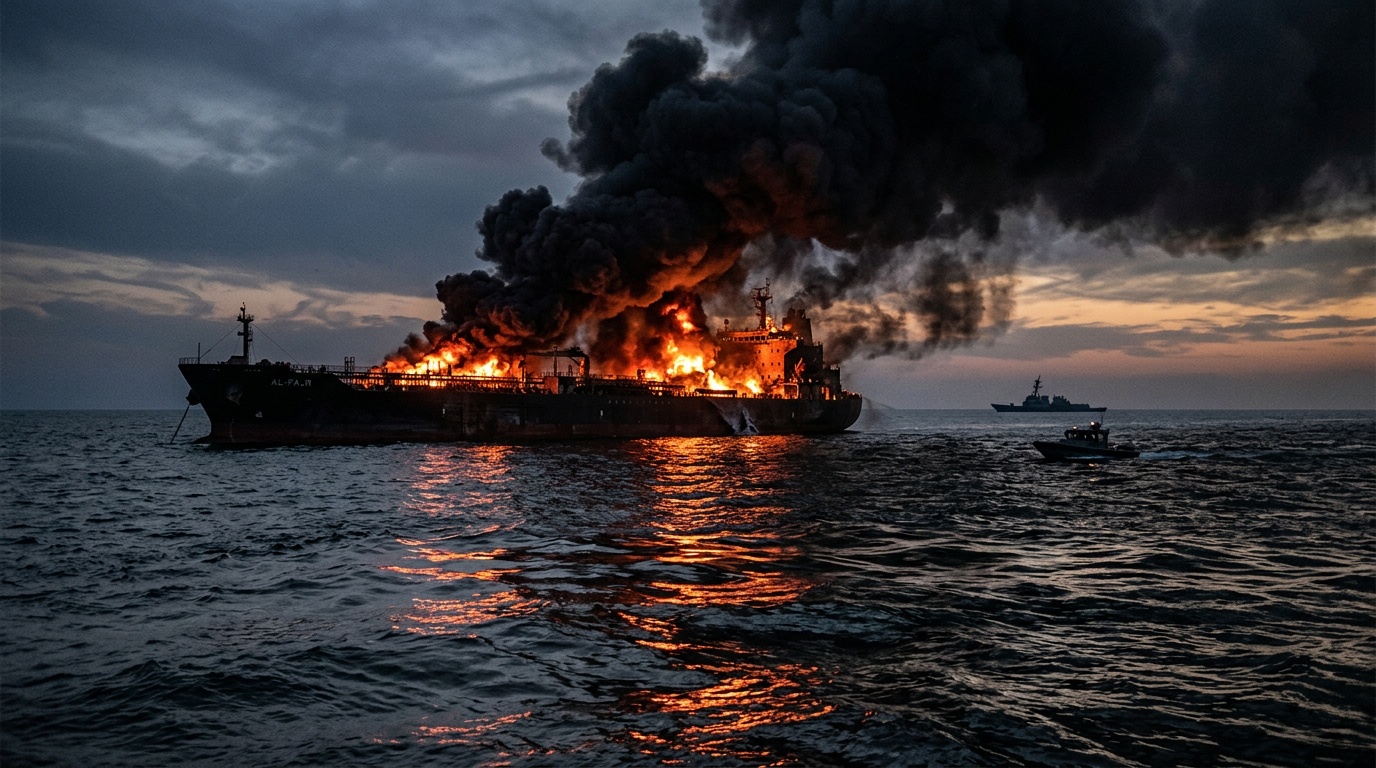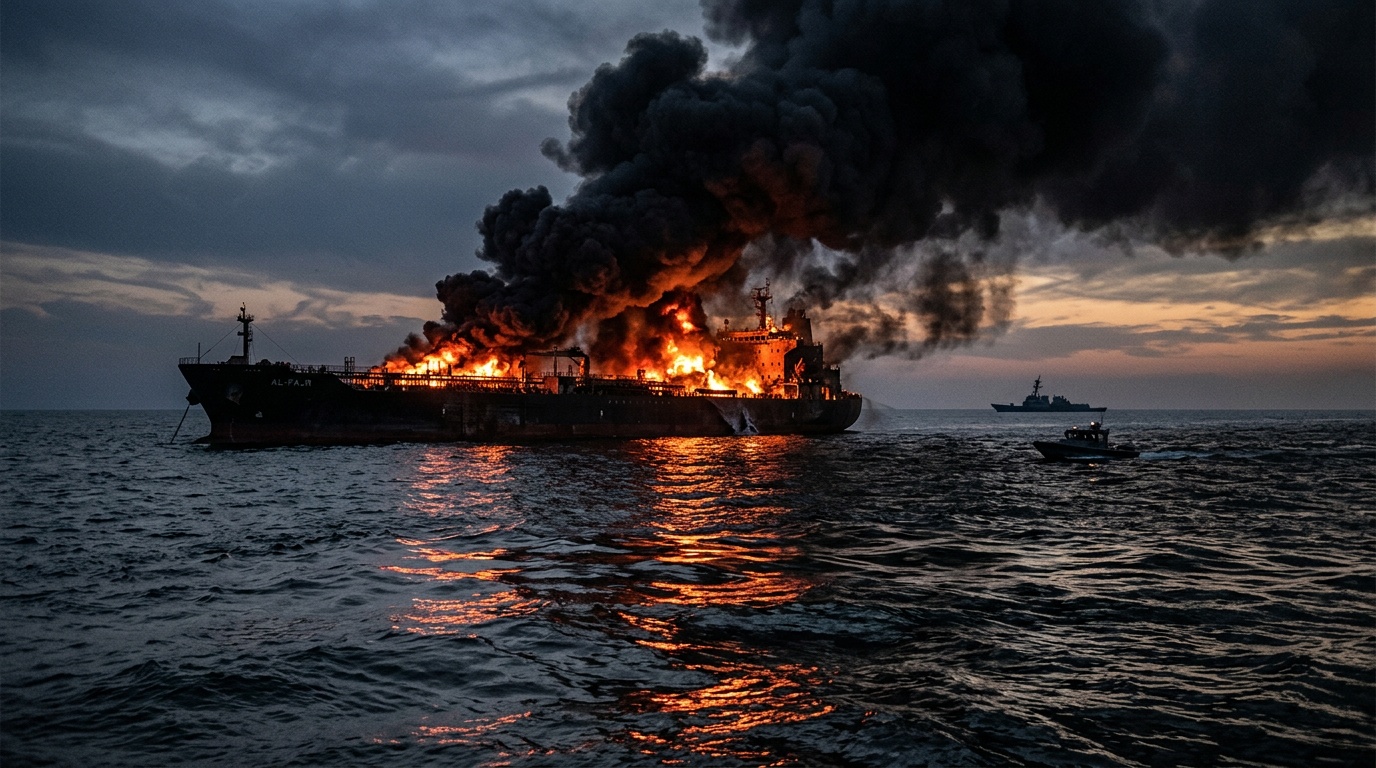
U.S. stocks slipped by midday Thursday as oil surged more than 5% on fresh Persian Gulf tanker attacks, while Treasury yields climbed back toward their highest levels since 2002 and the Federal Reserve's hawkish minutes kept rate-hike bets alive.
President Donald Trump said he no longer wants a deal with Iran, while noting Tehran was willing to offer "anything to stop" the conflict.
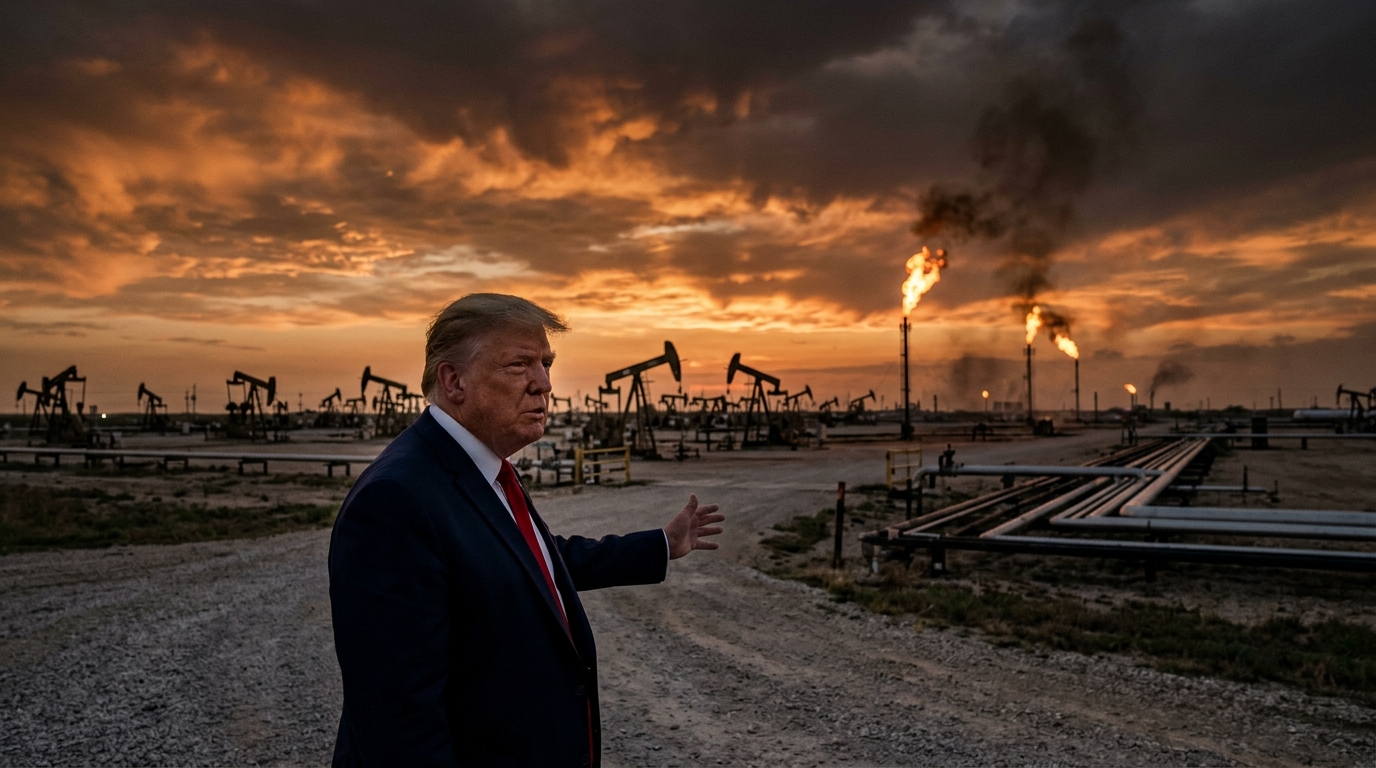
Reports that Washington is preparing possible large-scale strikes, combined with lower tanker transit through the Strait of Hormuz and Gulf Coast production shut-ins ahead of a hurricane, sent crude sharply higher.
West Texas Intermediate crude futures climbed about 5% to roughly $93 per barrel. Brent crude rose about 5.6% to around $106.
The 10-year Treasury yield rose about 5 basis points to 5.35%, nearing its highest level since 2002, while the 30-year yield hovered near 5.69%, close to a 24-year high. Minutes from the Federal Reserve's Sept. 15-16 meeting showed most policymakers expect another rate hike before year-end.
On the data front, initial jobless claims fell 2,000 to 197,000 in the week ended Oct. 3, below the 200,000 forecast. Continuing claims rose to 1.716 million, slightly above the 1.710 million estimate, while the four-week average eased to 198,000 from 200,500.
The Atlanta Fed's GDPNow model pegged third-quarter growth at 3.6%, down from 3.7%.
Across U.S. equity markets by midday Thursday, losses were modest but broad, with small caps taking the brunt of the selling.
The S&P 500 slipped about 0.4% to 7,771, while the Dow Jones Industrial Average fell roughly 221 points, or 0.4%, to 50,959.
The Nasdaq 100 declined 0.6% to 30,973. The Russell 2000 underperformed, sliding 1.1% to 2,763.
Gold edged higher, with the SPDR Gold Shares (GLD) gaining 0.3%, while silver futures fell about 2.0% to $59.11 per ounce.
Bitcoin (CRYPTO: BTC) slid 2.5% over 24 hours to about $81,166, after trading between $80,912 and $83,645 as higher yields pressured risk assets.