Economist Justin Wolfers has a blunt take on President Donald Trump's Venezuelan oil deal: it's not imperialism, not socialism, just plain old "theft."
Wolfers took to X on Monday to vent his frustration over the regime change in Venezuela and the subsequent oil agreement. His point: the oil belongs to the Venezuelan people, and they never got a say in handing over the rights. The deal came after the ousting of former President Nicolás Maduro and the installation of Delcy Rodríguez as interim president, who hasn't faced an election.
"Toppled their leader, installed one who hasn't faced an election, and had him sign over billions in oil rights. Call it what it is. It's not imperialism, not socialism. It's just theft," Wolfers wrote.
The Deal in Question
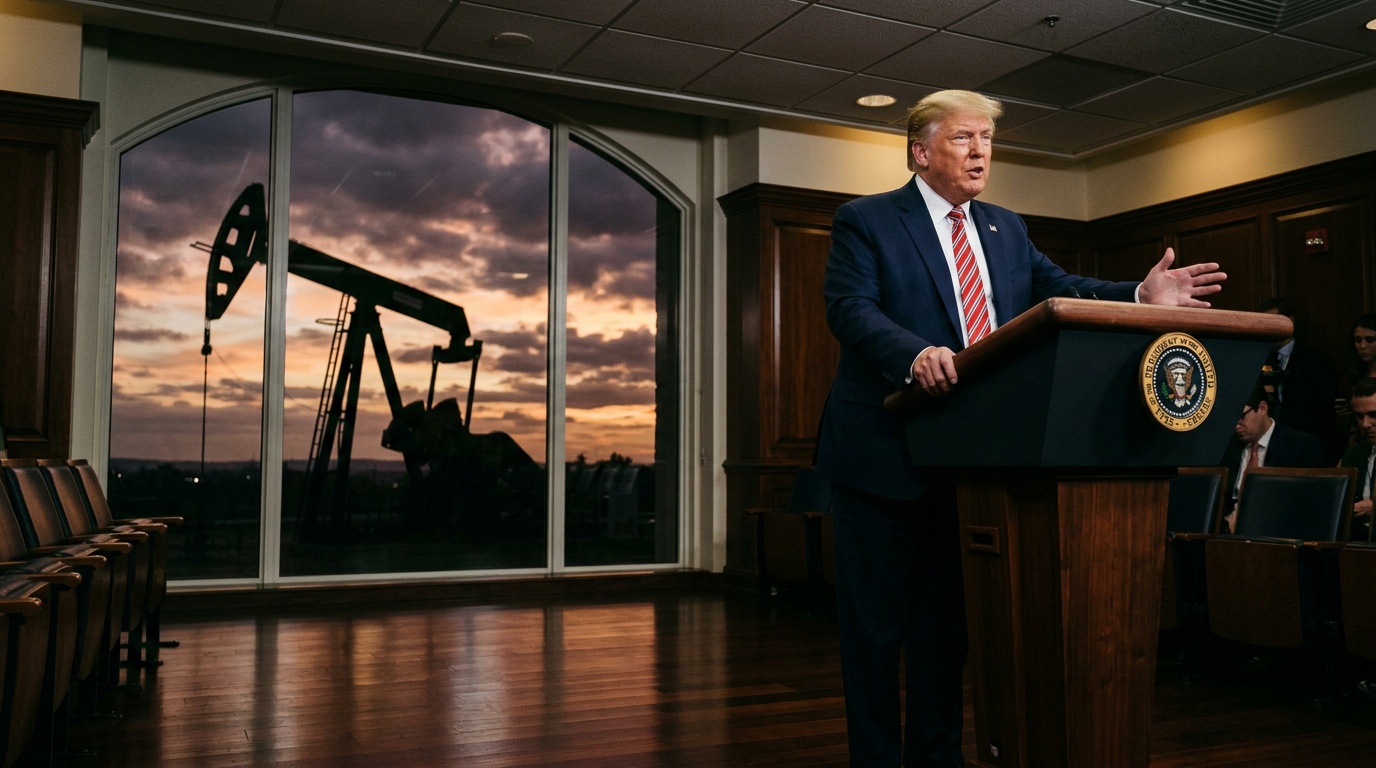
Last month, Venezuela granted North American Blue Energy Partners (NABEP) a century-long claim to 17 oil fields containing roughly 65 billion barrels in reserves. The White House called it a "historic oil agreement" to secure American energy dominance.
NABEP, already Venezuela's second-largest private oil producer, has given the Pentagon's Office of Strategic Capital a 35% stake in its parent company for free. The State Department also secured the right to buy 20% of all future output at production cost, plus a right of first refusal on the remaining 80%.
NABEP plans to invest up to $100 billion in new Venezuelan oil infrastructure to boost production. In return, it will pay an estimated $200 billion in royalties and taxes to the Venezuelan government over the first 25 years of the agreement, according to the White House.
Trump called it "the biggest oil deal in world history," saying Venezuelan oil would help refill the U.S. Strategic Petroleum Reserve and calling it a "gift" to Americans. For context, the U.S. had about 46 billion barrels of proven crude oil and lease condensate reserves at the end of 2024, according to official data.
Venezuela Oil Surge Won't Come Soon
Despite all the optimism, analysts are pouring cold water on the idea that this deal will quickly change the energy landscape. GasBuddy analyst Patrick De Haan notes that U.S. refiners are already running near capacity and might not be able to process more oil, even if it comes from Venezuela.
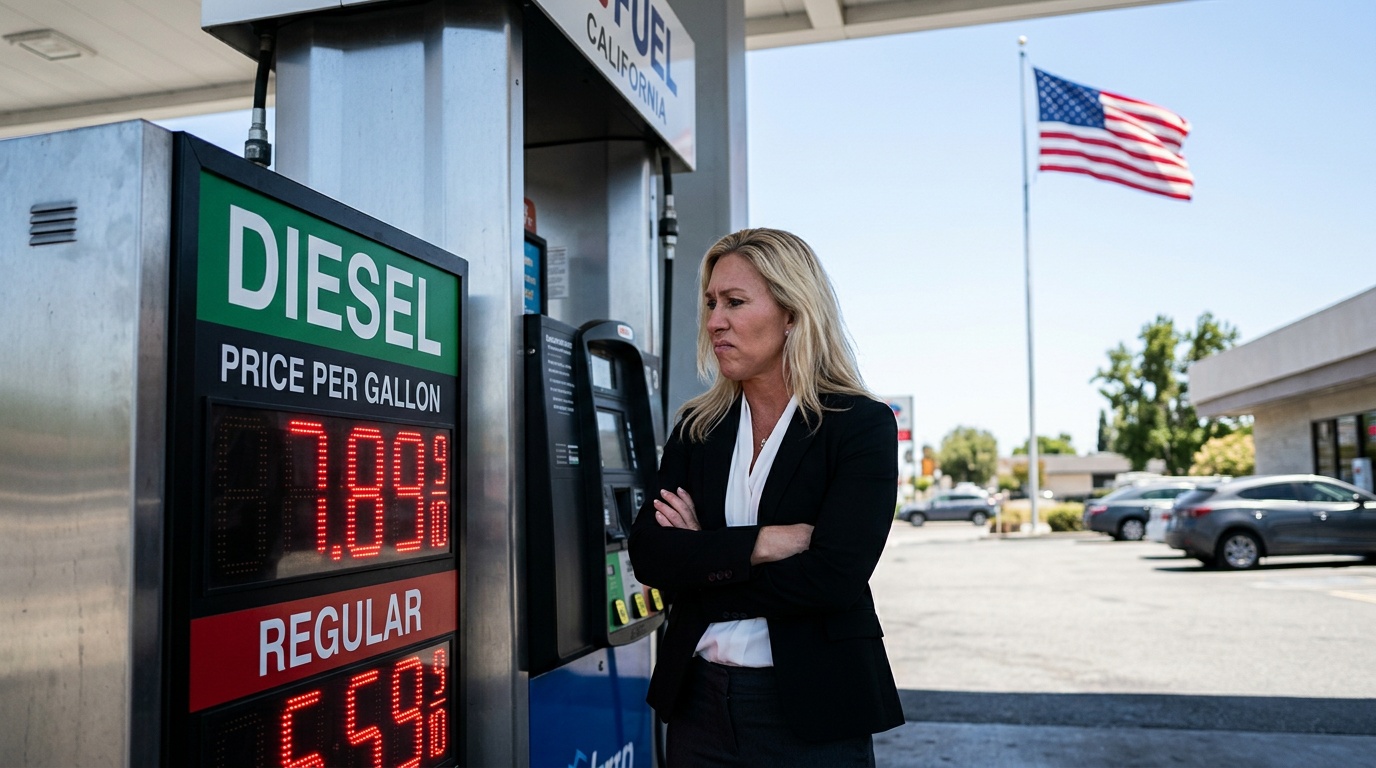
De Haan said Trump's oil deal sounds "promising," but tapping those 65 billion barrels will take years. So don't expect fuel prices to fall immediately or even within months.
Meanwhile, Chevron Corporation (CVX) earlier this month announced plans to expand its own Venezuela operations. The company expects to invest over $7 billion to double its output over the next five years. That deal is separate from the U.S.-Venezuela pact, focusing instead on expanding existing projects.
So while the politics and the headlines are dramatic, the actual impact on your wallet at the gas pump is likely a long way off. For now, the debate is more about what this deal says about how the U.S. conducts its foreign policy and energy strategy.