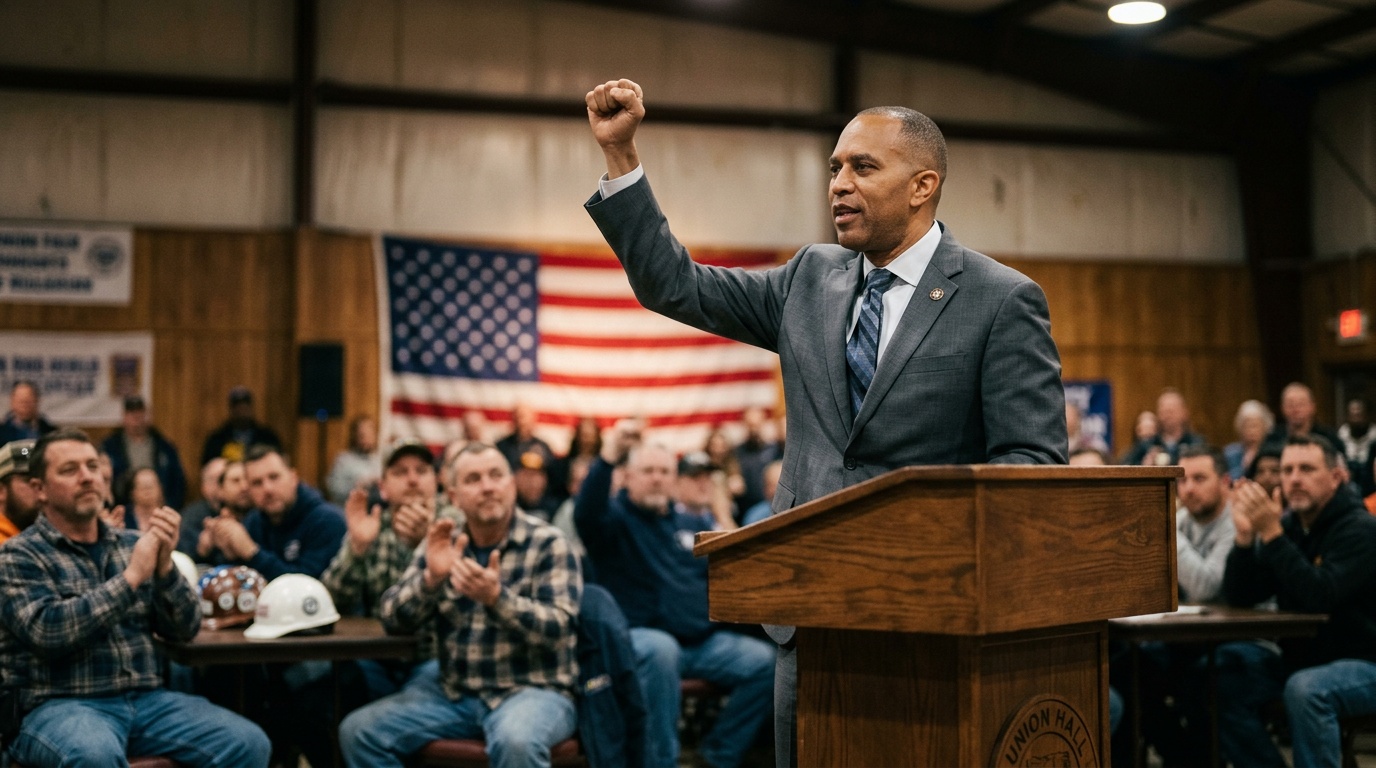
Labor Day is supposed to be a moment to kick back, fire up the grill, and maybe squeeze in one last beach day. But House Minority Leader Hakeem Jeffries (D-N.Y.) used the occasion to make a pointed argument about what the holiday actually stands for: the idea that if you work hard and play by the rules, you shouldn't just survive, you should thrive.
In a post on X over the weekend, Jeffries laid out his vision of the American Dream in simple, almost poetic terms. "When you work hard and play by the rules, you should be able to live a good life," he wrote. "Good-paying job. Good housing. Good healthcare. Good education for your children. And a Good retirement."
He didn't stop there. Jeffries credited the labor movement for making that dream a reality in the first place, adding, "Organized labor built that American Dream. House Democrats are working hard to revive it."
The post included a video of Jeffries expanding on those themes, speaking directly to the workers who power the country's unions. "When you work hard and when you play by the rules, you should be able to live an affordable life, a comfortable life, and a good life," he said in the clip.
For Jeffries, that standard of living isn't just about a paycheck. It's about being able to provide for your kids and, eventually, retire with some financial security. And he made clear who he thinks deserves the credit for making that possible: "No one has done more to bring that American dream to life than the men and women of organized labor."
Jeffries wasn't the only Democrat using the long weekend to hammer on economic themes. The party has been trying to turn rising costs into a political weapon, and Labor Day gave them a natural platform.
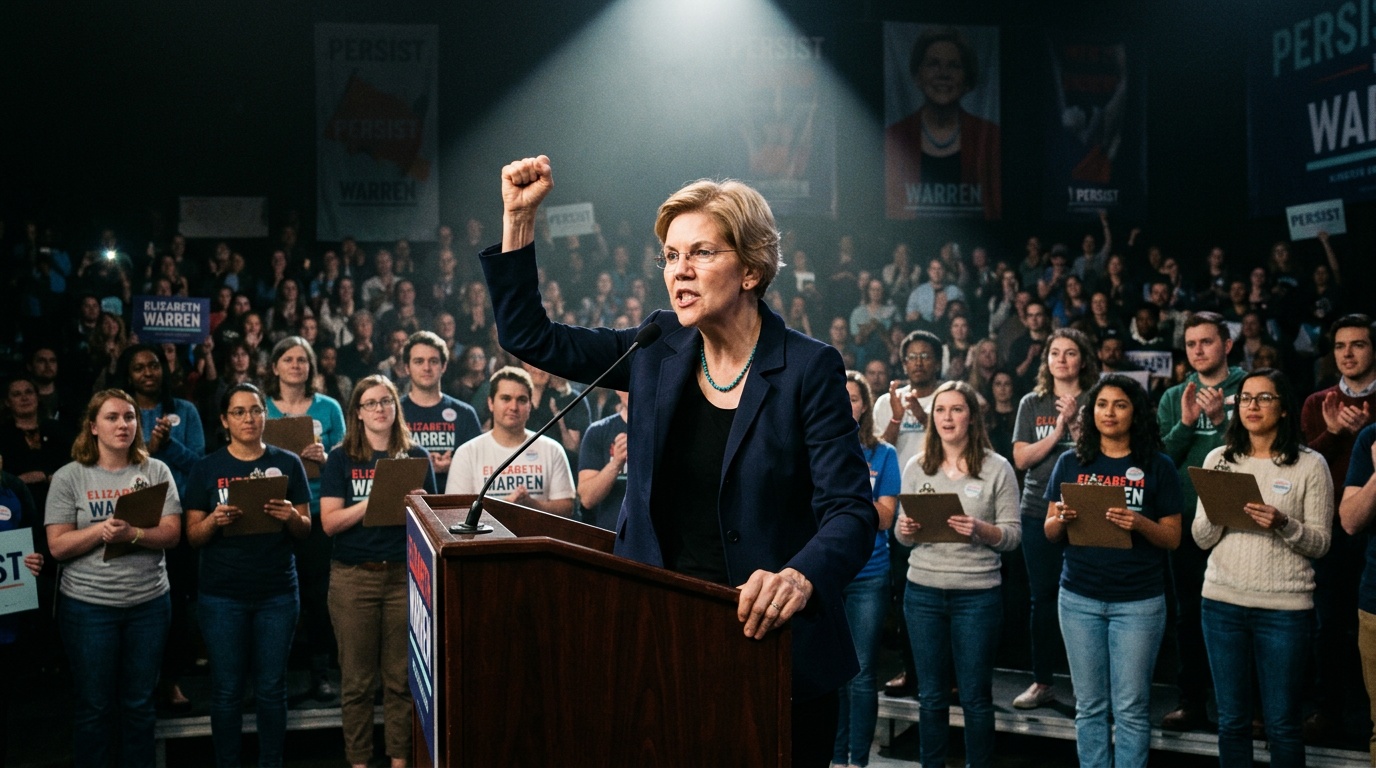
Sen. Elizabeth Warren (D-Mass.) pointed a finger at President Donald Trump's Iran policy, arguing it's pushing mortgage rates higher. She said rates have hit their highest level in more than a year, making homeownership even more out of reach for many families. "He doesn't care if you can afford to buy a home," Warren said, cutting straight to the chase.
Sen. Bernie Sanders (I-Vt.) took aim at the healthcare system, trotting out some sobering numbers: more than 500,000 Americans file for bankruptcy each year because of medical debt, the country spends over $15,000 per person annually on healthcare, and 85 million people are either uninsured or underinsured. His prescription was simple and familiar: healthcare is a "human right."
Sen. Mark Kelly (D-Ariz.) focused on the broader wealth gap and the squeeze that working families feel every day. He urged policymakers to focus on lowering the cost of gas, groceries, housing, and other essentials, arguing that doing so would give people a real chance to get ahead.
The Democrats' messaging comes against a backdrop of growing skepticism about whether the American Dream is still attainable. A Wall Street Journal-NORC poll from last year found that only 31% of Americans still believe in it. Even more striking, just 25% felt they had a good chance of improving their standard of living.
The pessimism runs deep. Some 78% of respondents said they had little or no confidence that the next generation would be better off. And this gloom isn't confined to one political party or income bracket; it cuts across the board.
So when Jeffries talks about reviving the American Dream, he's not just reaching for a nostalgic slogan. He's tapping into a very real anxiety that many Americans feel about the future. Whether his party's message will resonate remains to be seen, but the sentiment is clear: for a growing number of people, the promise of hard work leading to a good life feels increasingly out of reach.