Six months into the Iran war, the global economy has avoided the worst-case scenario many feared, even as the conflict continues to reshape oil markets, travel, food costs and defense spending.
The war initially triggered a sharp rise in oil prices, falling stocks and fears of a global recession, but markets later recovered strongly. The winners and losers emerging from the conflict were examined in a report published by Fortune on Sunday.
Stocks Rebound After War Shock
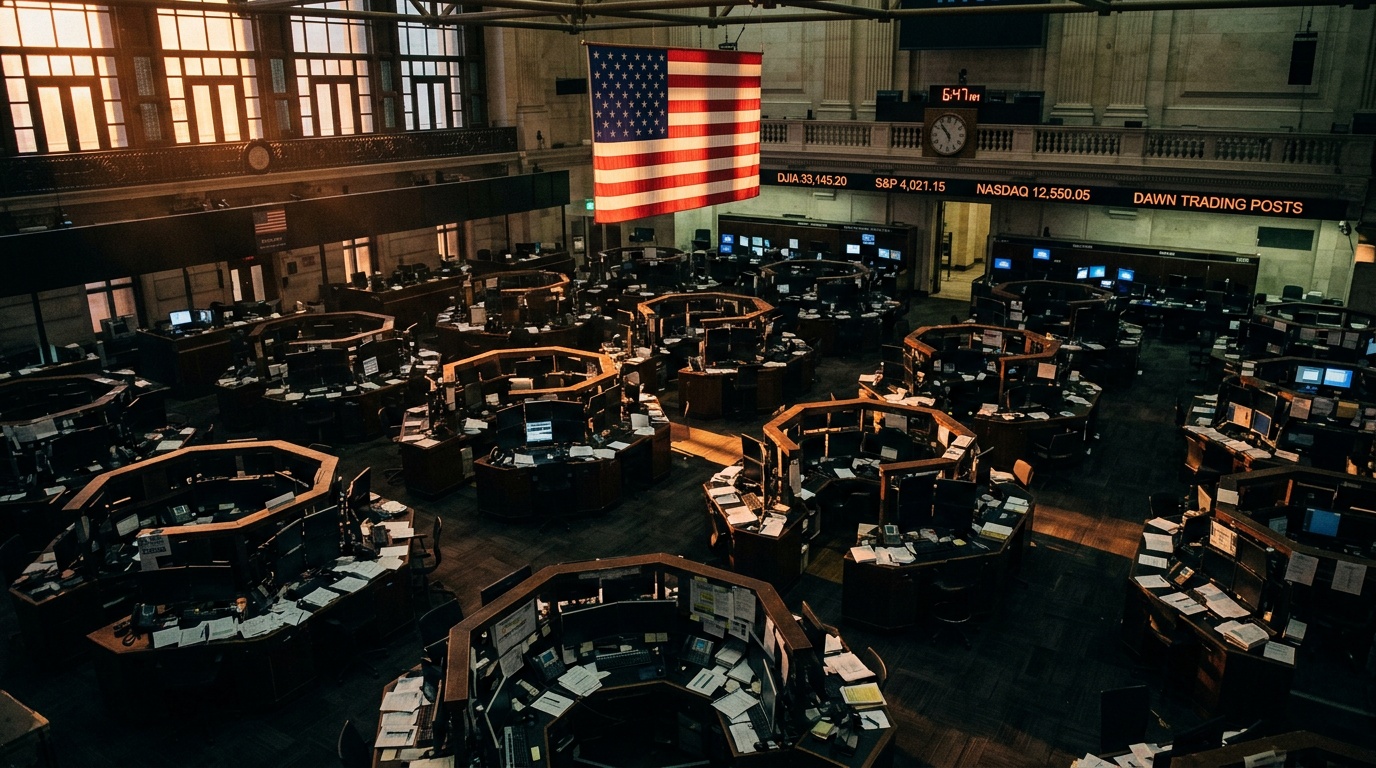
When the U.S. and Israel launched strikes against Iran on Feb. 28, investors faced a sudden burst of uncertainty. Oil prices surged, the Dow Jones Industrial Average and Nasdaq Composite entered corrections, and the S&P 500 posted its worst month since 2022.
The recovery was dramatic. Since markets bottomed in late March, the Dow has gained nearly 19%, the S&P 500 almost 22% and the Nasdaq 27%, according to the report.
"So far, the global economy has pulled off the financial equivalent of a ‘Mission Impossible’ scene," Michael Ashley Schulman, an investment strategist with Cerity Partners, told Fortune.
The International Monetary Fund said in a July report that the war was weighing on growth while enthusiasm around artificial intelligence was helping offset some of the damage.
Oil Keeps Travel Expensive
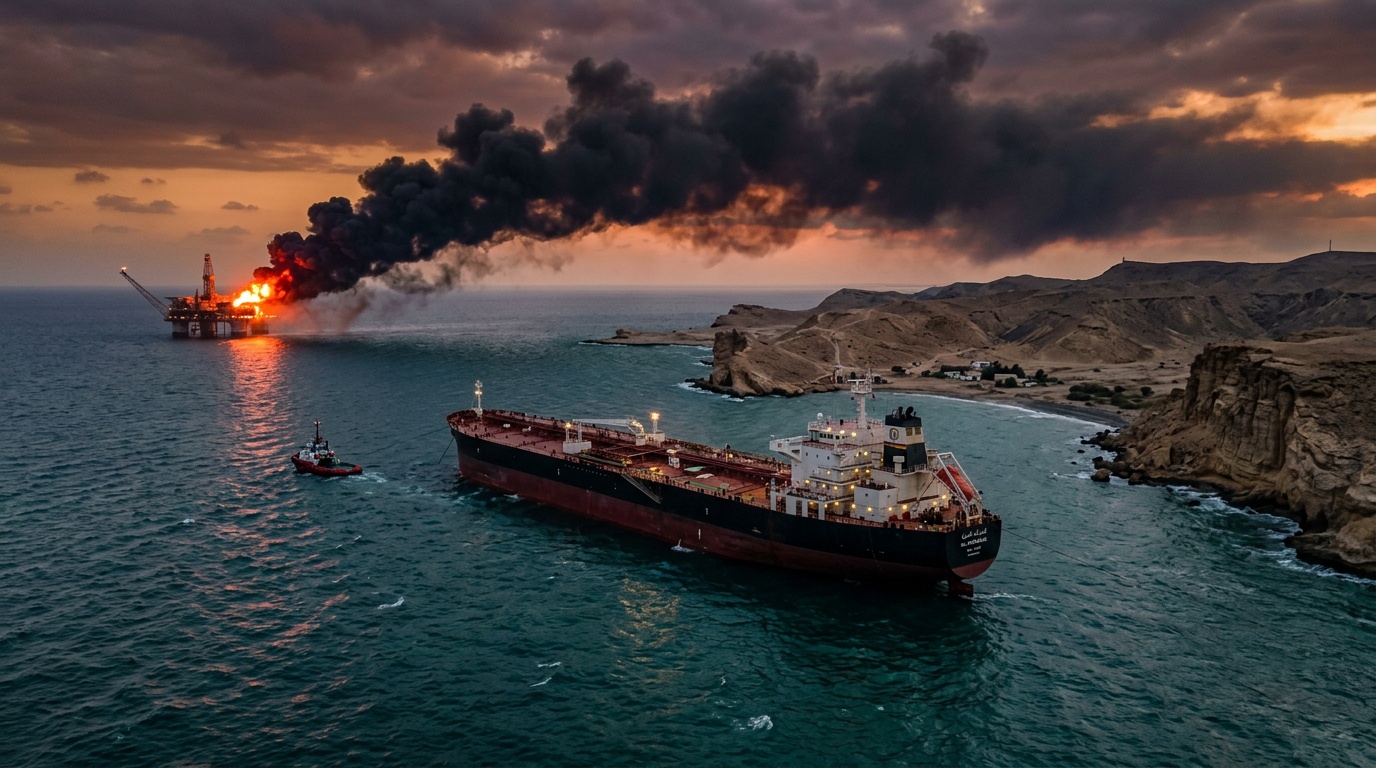
The biggest direct economic hit has come from energy markets. Tanker traffic through the Strait of Hormuz slowed sharply, sending Brent crude from about $72 a barrel before the war to nearly $120 at its peak. Prices have eased since then but remain about 20% above prewar levels, according to the report.
Jet fuel is expected to average 70% more expensive than in 2025, according to the International Air Transport Association. Airlines have responded with higher fares, baggage fees and fuel surcharges while cutting routes.
Lufthansa Group cut 20,000 short-haul flights. "The likelihood that fuel surcharges are going to be rolled back and airfares are going to be brought down is very low over the next few months," Brett House, a Columbia University economist, told Fortune.
Recent oil-flow data also shows how uneven the disruption has become. Iranian oil loadings fell to 248,000 barrels a day in August from about 1.85 million barrels a day in March and April, while non-Iranian crude flows from the Persian Gulf have recovered sharply.
Clean Energy Gets A Boost
Higher oil costs are also pushing some countries toward alternatives.
Electric vehicle sales rose 110% year over year in Singapore, 180% in New Zealand and 300% in Colombia. Worldwide, EVs are projected to account for 29% of vehicle sales in 2026, up from 25% last year, according to the report.
Countries that depend heavily on Persian Gulf oil are also increasing renewable-energy use, exploring nuclear power and expanding domestic energy production. Scott Lehmann, a supply chain expert at Sphera, told Fortune that 26 countries and regions have announced clean-energy and electrification measures linked to the crisis.
Food Costs Hit Hardest
The war is also putting pressure on farmers and poorer communities through fertilizer markets.
Fertilizer prices peaked in April at 44% above prewar levels, according to the World Bank’s price index. Some farmers have reduced fertilizer use, raising concerns about future harvests.
Arif Gasilov, a natural resources expert with the Gasilov Group, said reducing fertilizer use now amounts to "borrowing against next year’s soil health," according to the Fortune report.
The World Food Programme has warned that tens of millions of people could be pushed toward hunger. Its acting executive director, Carl Skau, said higher oil and fertilizer costs were hitting Asia and Africa especially hard.
Trump Family Businesses Benefit
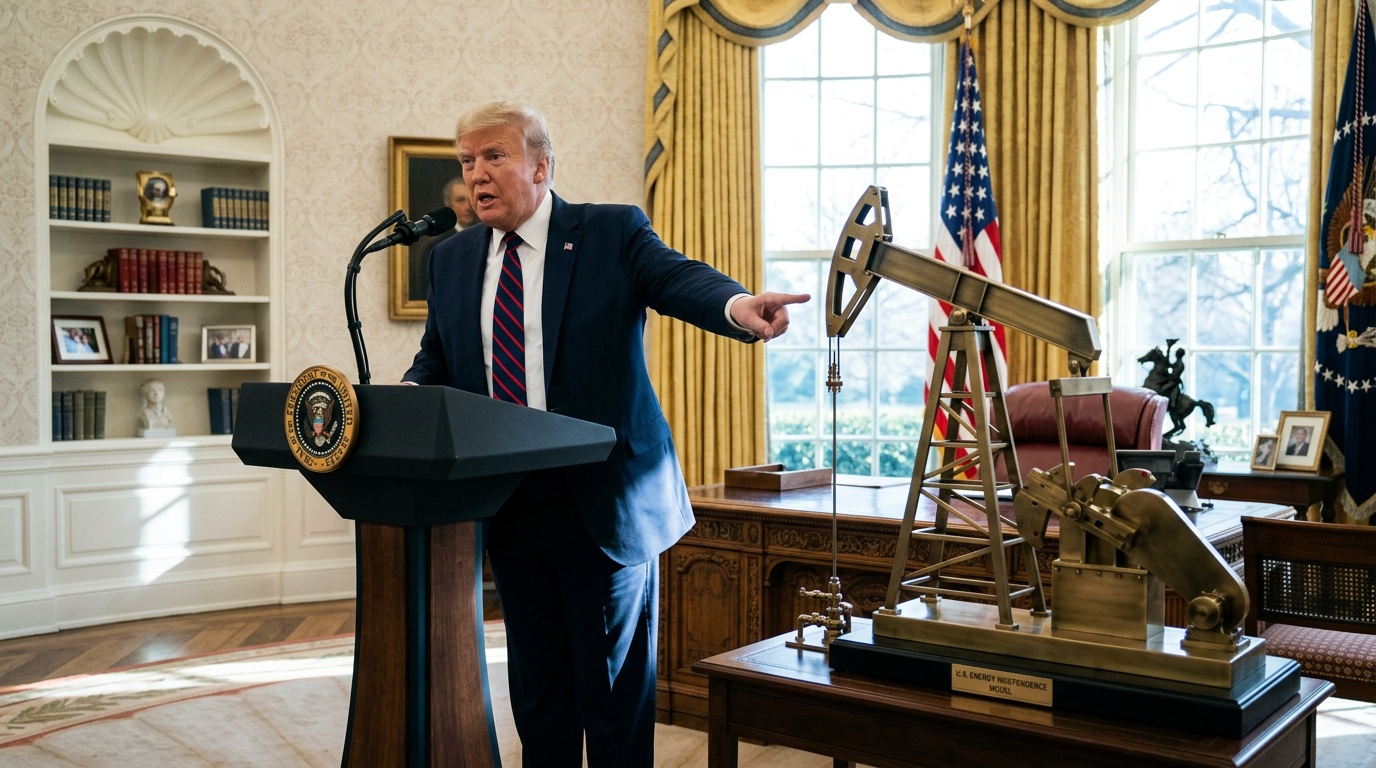
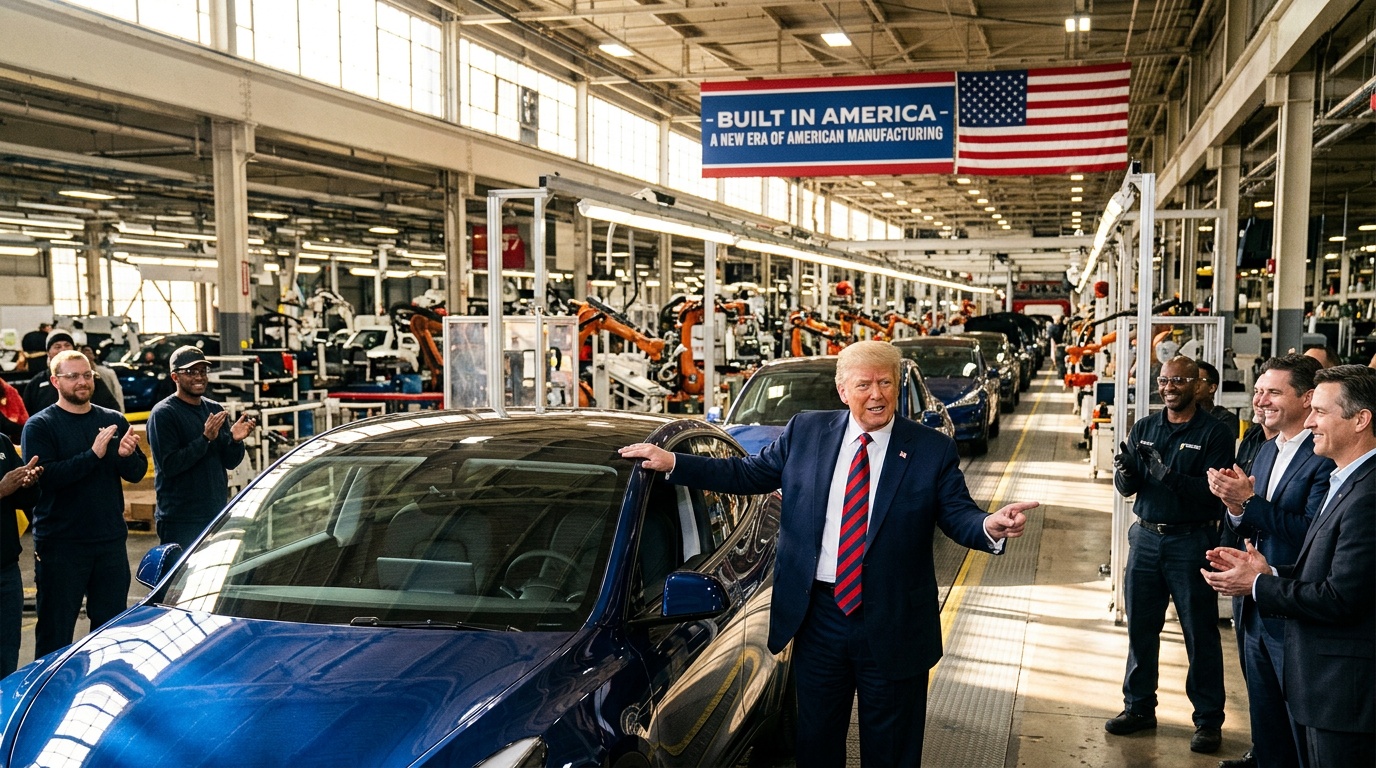
The war has cost the U.S. tens of billions of dollars and reduced projected global output by hundreds of billions, according to the Fortune report. At the same time, businesses and investments connected to President Donald Trump’s family have benefited from higher defense spending and oil prices.
Military contractor Powerus, which Eric Trump and Donald Trump Jr. were preparing to take public, won an Air Force contract with a ceiling of up to $90 million for drone interceptors.
Private equity firm 1789 Capital Management, which Don Jr. joined after his father’s reelection, owns stakes in several defense companies benefiting from the war. Anduril received U.S. approval for up to $2 billion in drone-interceptor sales to Kuwait, while Space Exploration Technologies Corp. Space Exploration Technologies Corp. (SPCX) is providing satellite services to guide U.S. drones against Iran. Firehawk Defense also won Pentagon contracts for propellants and warheads.
A spokeswoman for 1789 Capital said Don Jr. was not involved in the investment decisions.
Trump’s own portfolio, managed by outside managers, has also gained from holdings in defense companies including Lockheed Martin Corp. (LMT), General Dynamics Corporation (GD) and Northrop Grumman Corp. (NOC). Democrats said his oil and gas holdings had increased in value by as much as $15.5 million.
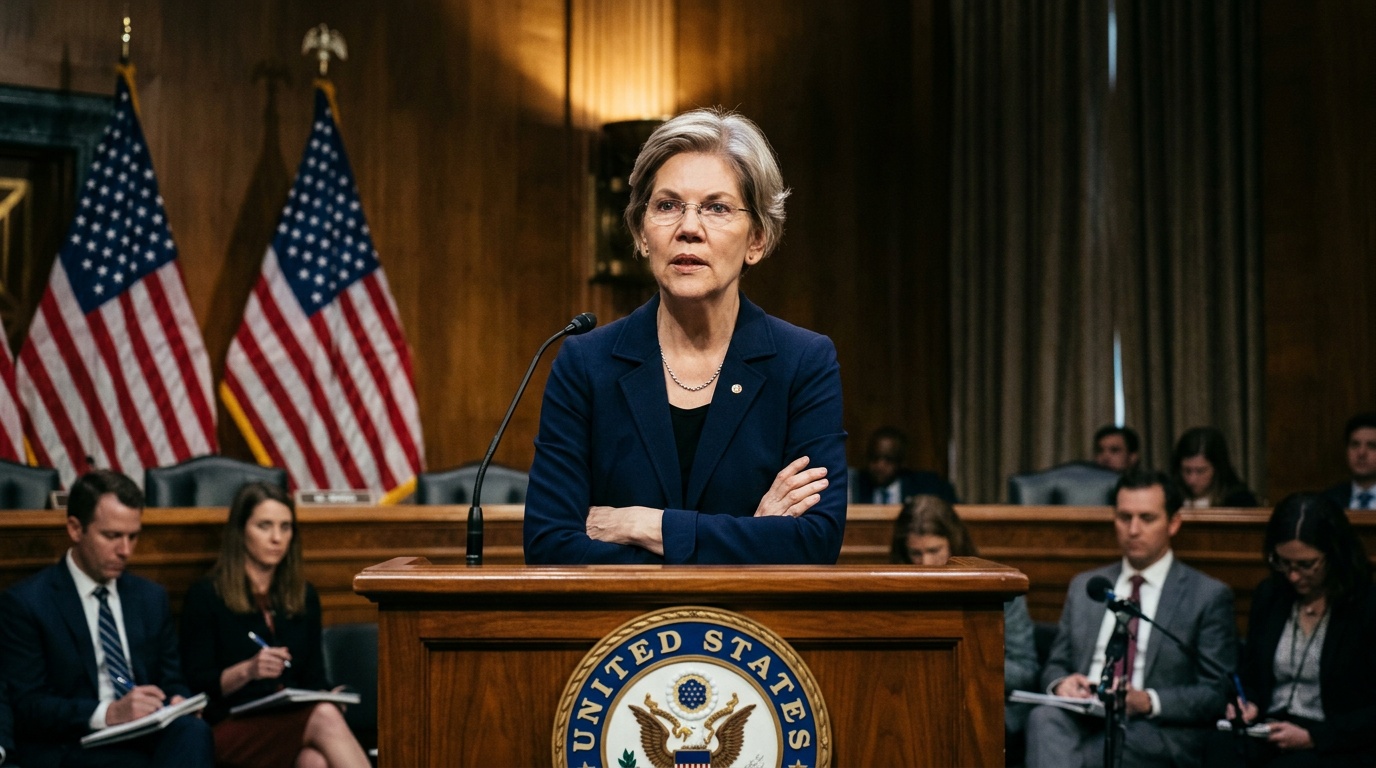
The estimate came as Sen. Elizabeth Warren (D-Mass.) pointed to Trump’s reported holdings in ExxonMobil Holdings Corp (XOM), Chevron Corp (CVX), Occidental Petroleum Corp (OXY) and ConocoPhillips (COP), whose shares had gained significantly since the start of the year, according to a Senate Joint Economic Committee Democrats’ analysis.
Meanwhile, U.S. defense companies are working to rebuild depleted missile inventories. The Pentagon awarded Raytheon (RTX), a unit of RTX Corp. (RTX), two contracts worth a combined $1.28 billion for missile and weapons-system production after the conflict exposed pressure on U.S. munitions stockpiles.
The White House has pushed back against concerns about shortages, with Trump saying U.S. defense companies are producing munitions at record levels, according to a Reuters report citing a statement from the administration.
The White House did not immediately respond to MarketDash’s request for comment.
The six-month picture is therefore mixed: investors have recovered from the initial shock, travelers and food producers face higher costs, clean-energy adoption is accelerating, and defense companies are benefiting from higher demand. For the Trump family, the conflict has also created financial gains in parts of its business and investment portfolio, even as the war remains politically costly.
Disclaimer: This content was partially produced with the help of AI tools and was reviewed and published by MarketDash editors.