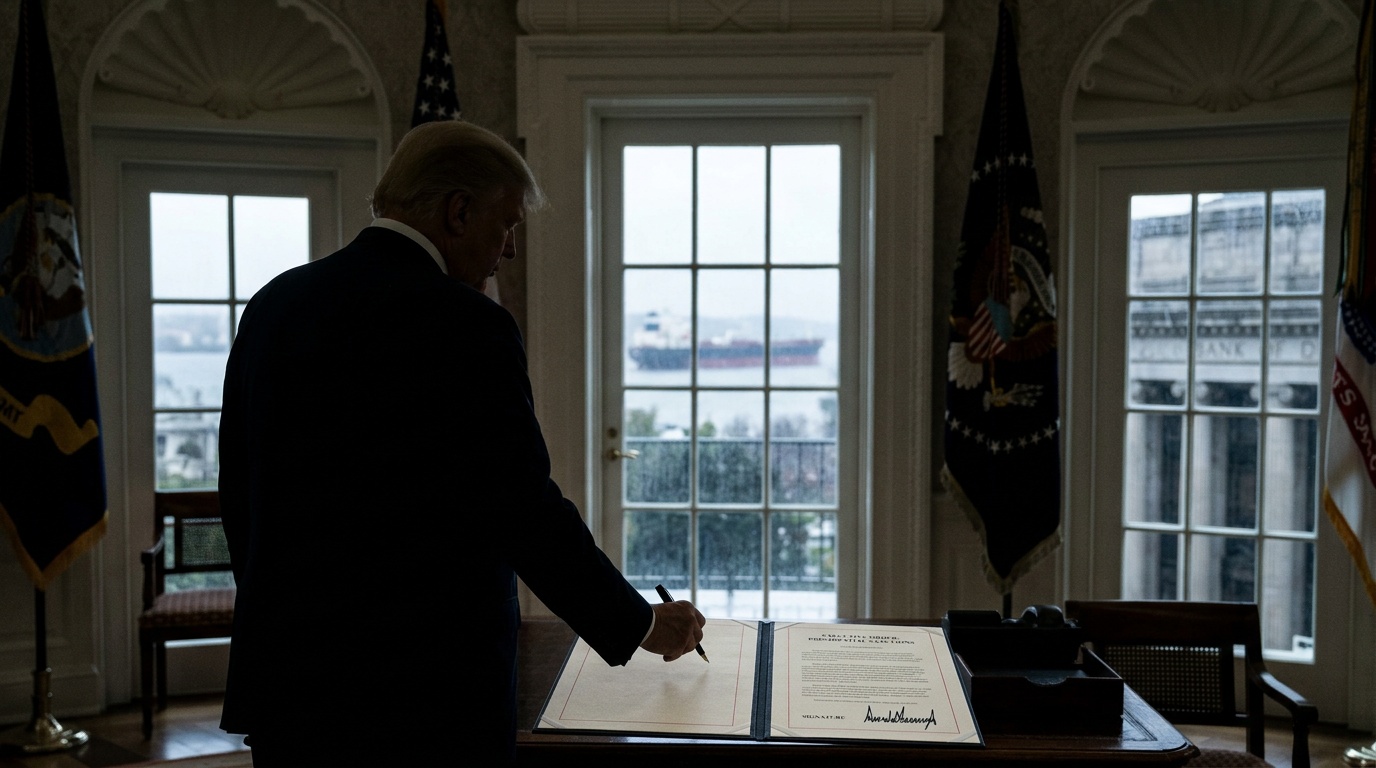
The Trump administration is widening its Iran sanctions campaign, moving beyond companies to target the foreign banks that help Tehran move money through the global financial system.
On Aug. 28, the Treasury Department proposed cutting off five United Arab Emirates-based branches of Egypt's state-owned Banque Misr from the U.S. financial system. According to the Treasury's Financial Crimes Enforcement Network (FinCEN), these branches processed about $1.8 billion for 103 companies that were potentially part of Iranian shadow-banking networks between January 2024 and June 2026. The Wall Street Journal's Sunday commentary highlighted this move.
How Iran Moves Money
Shadow banking, in this context, refers to the web of shell companies, trading businesses, and other financial channels used to move money while hiding its connection to Iran. This network operates across places like the UAE and Hong Kong, helping to move oil and petrochemical proceeds around U.S. sanctions. The targeted Banque Misr branches were among the foreign financial institutions linked to that flow, according to the report.
This latest action is part of Treasury Secretary Scott Bessent's broader "Economic D-Day" campaign against Iran's financial network. The strategy includes targeting intermediaries outside Iran and threatening foreign institutions that facilitate money laundering with restrictions on access to the U.S. dollar system.
Bessent previously said, "Any entity that facilitates money laundering on behalf of Iran will be removed from the U.S. dollar system."
Why China Is In Focus
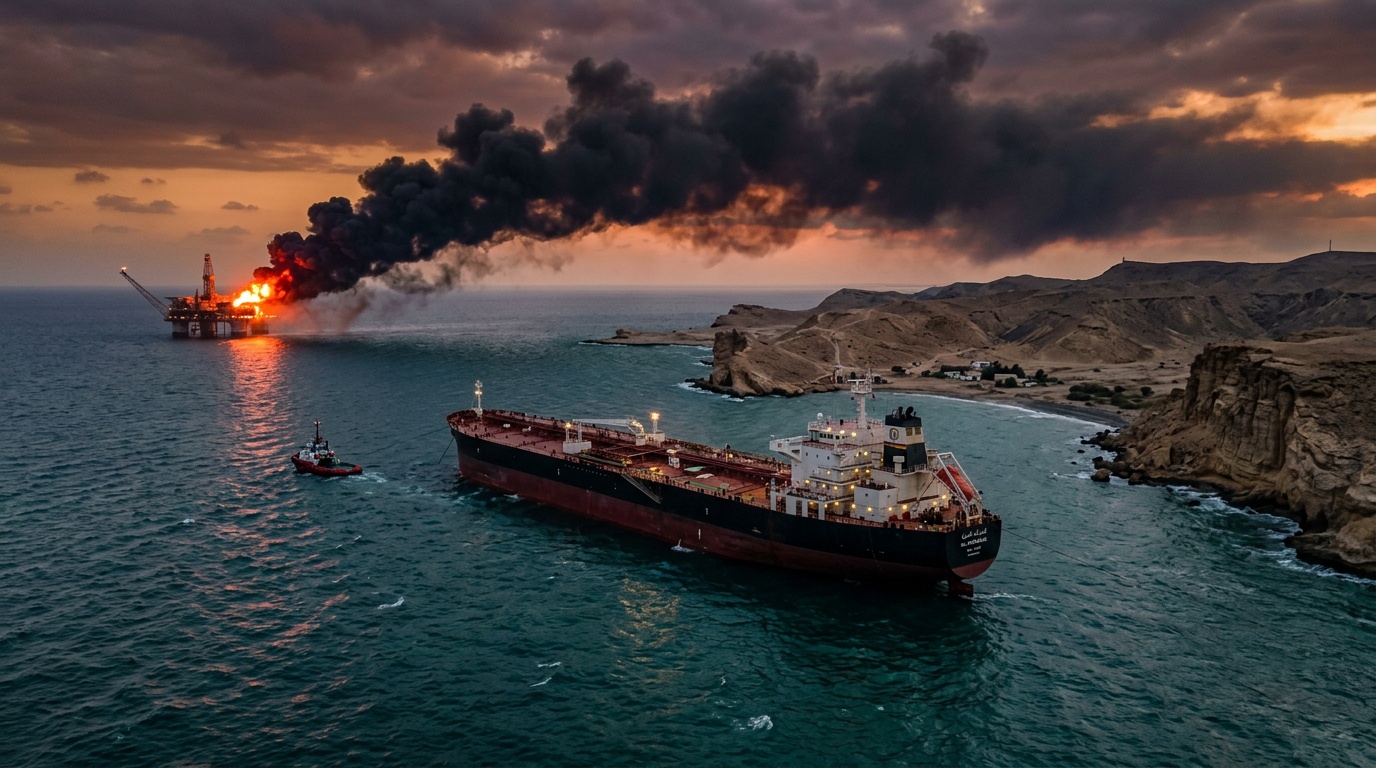
China is becoming a bigger test for the campaign because of its role in Iran's oil trade. China bought more than 80% of Iran's exported oil in 2025, and the sanctions campaign has already reached companies in mainland China and Hong Kong, though it hasn't targeted a major Chinese bank yet.
Bessent has warned that countries maintaining economic ties with Tehran could face severe consequences. When asked whether the campaign would extend to China, he declined to provide specifics, saying, "many conversations are best to have in private."
The Wall Street Journal commentary also points to another part of the oil trade. Iranian crude is frequently rebranded as Malaysian oil before being sold to Chinese buyers, according to the report. The commentary notes that China's reported oil imports from Malaysia far exceed Malaysia's own reported exports, which the author argues could signal additional sanctions-evasion activity.
China's Banks Could Be Next
The Wall Street Journal commentary argues that Washington should consider targeting Chinese financial institutions, particularly Bank of Kunlun.
Bank of Kunlun is controlled by China National Petroleum Corp. (CNPC). The U.S. cut the bank off from correspondent banking in 2012, but the author argues that the measure was largely symbolic because the bank conducted relatively little dollar-based business.
Max Meizlish, the author of the commentary and a research fellow at the Foundation for Defense of Democracies who previously worked in the Treasury Department's Office of Foreign Assets Control, argues that a full blocking sanction could put greater pressure on CNPC to decide whether supporting the bank is worth exposing its wider commercial interests to sanctions risks.
What Could Come Next
Meizlish also argues that Treasury could use Section 311 of the Patriot Act to impose greater scrutiny on oil- and petrochemical-related transactions showing signs of Iranian sanctions evasion. Those warning signs could include large round-dollar payments, rapid movement of funds, unclear business purposes, unusual use of exchange houses, and discrepancies between payments and underlying trade records, according to the Wall Street Journal commentary.
The broader U.S. campaign already includes sanctions exposure across digital assets, technology, gold, aviation, and shipping, while nearly 60 individuals, companies, and vessels linked to Iran's oil, nuclear, missile, and cyber networks have been targeted.
The next question is how far the administration will go after the foreign financial infrastructure that helps Iran move its oil revenue, particularly in China and Hong Kong.
Disclaimer: This content was partially produced with the help of AI tools and was reviewed and published by MarketDash editors.