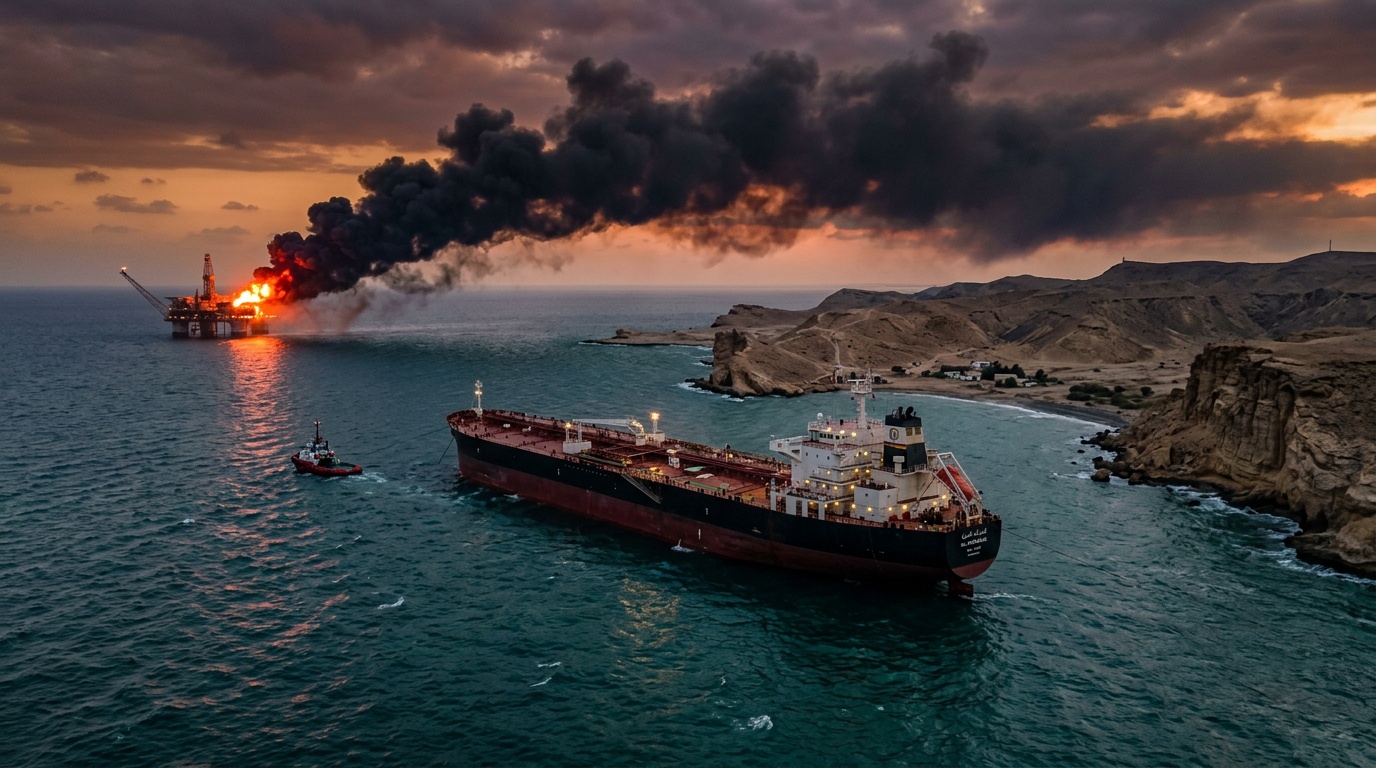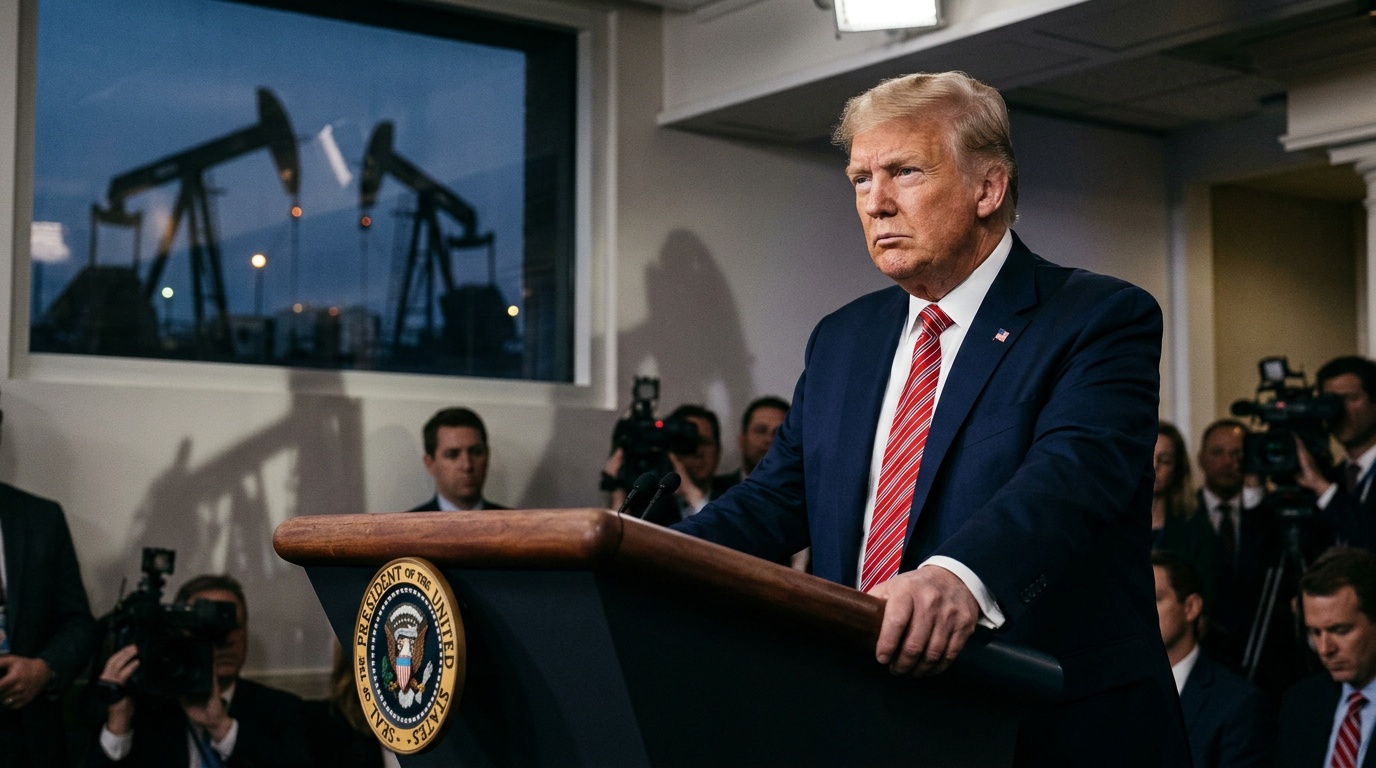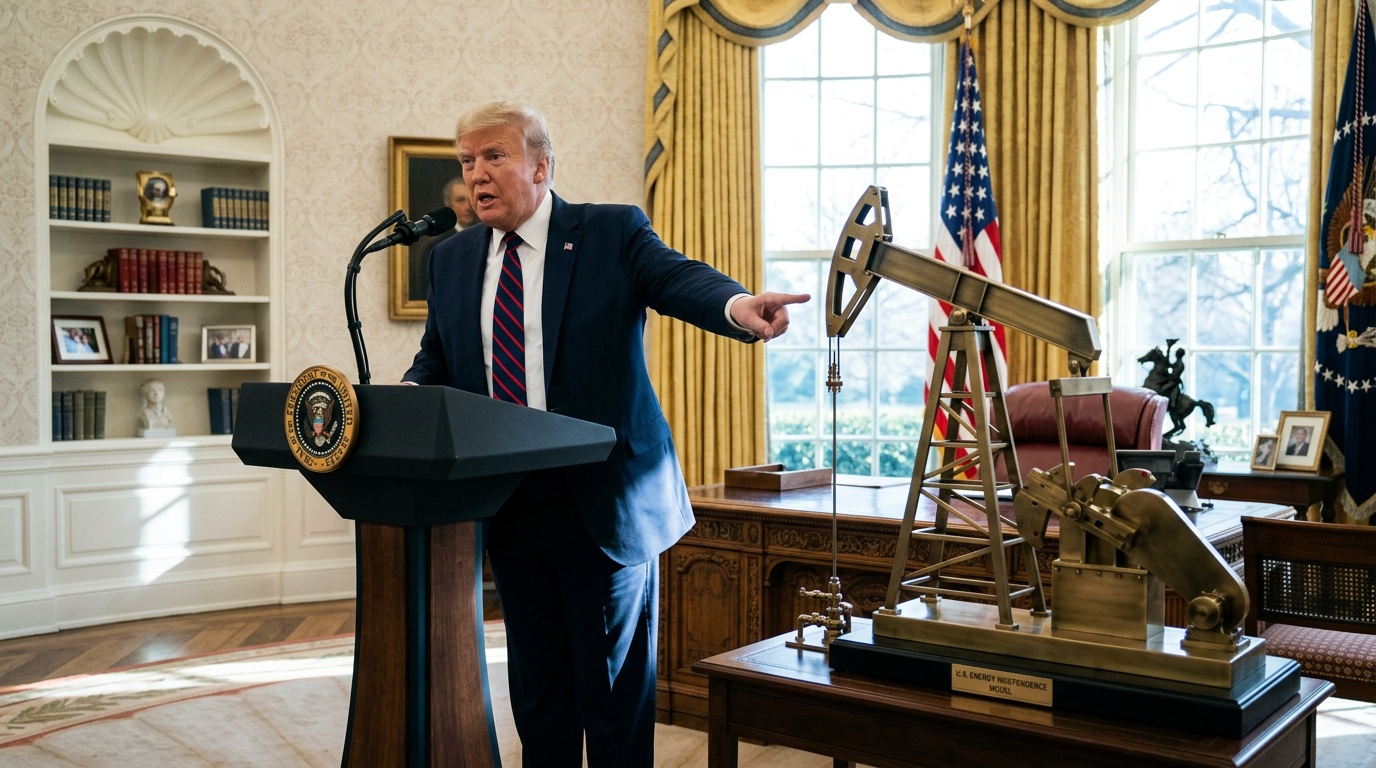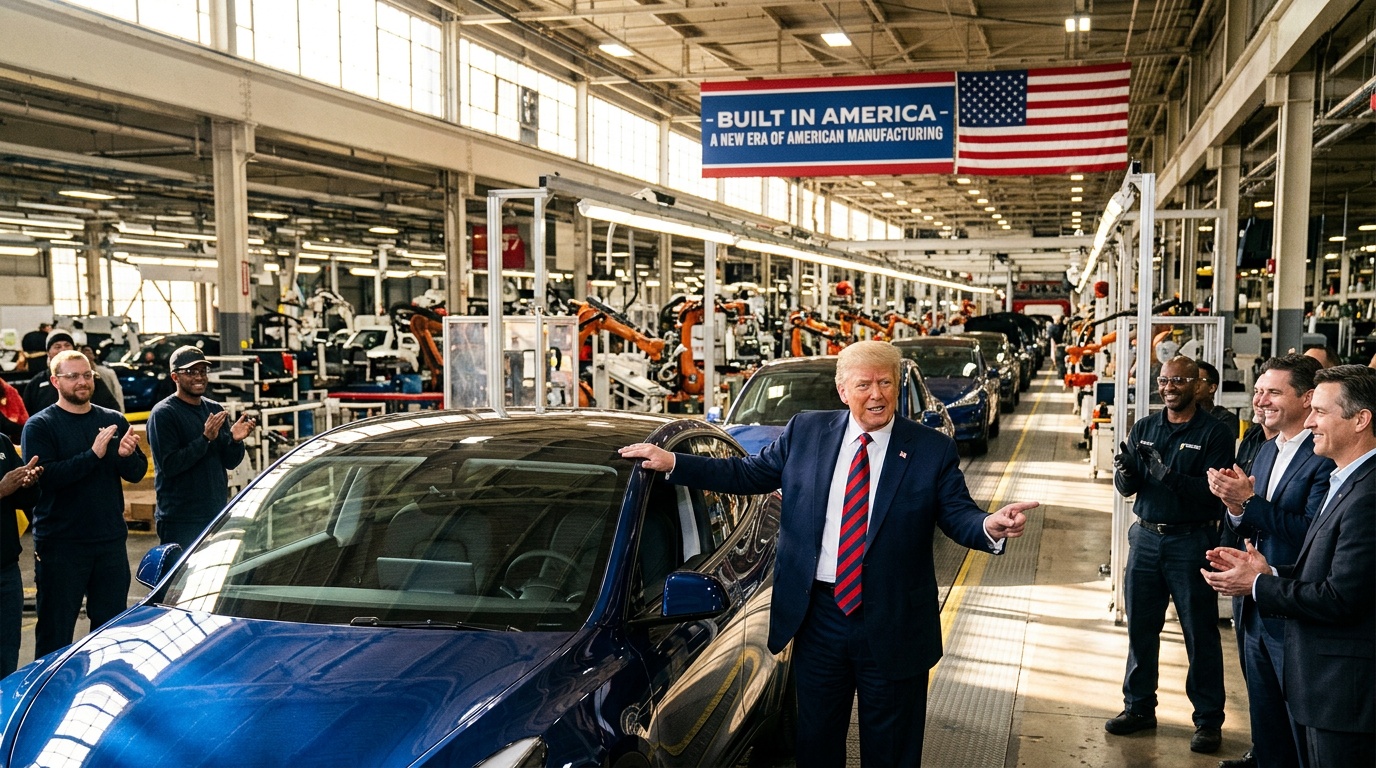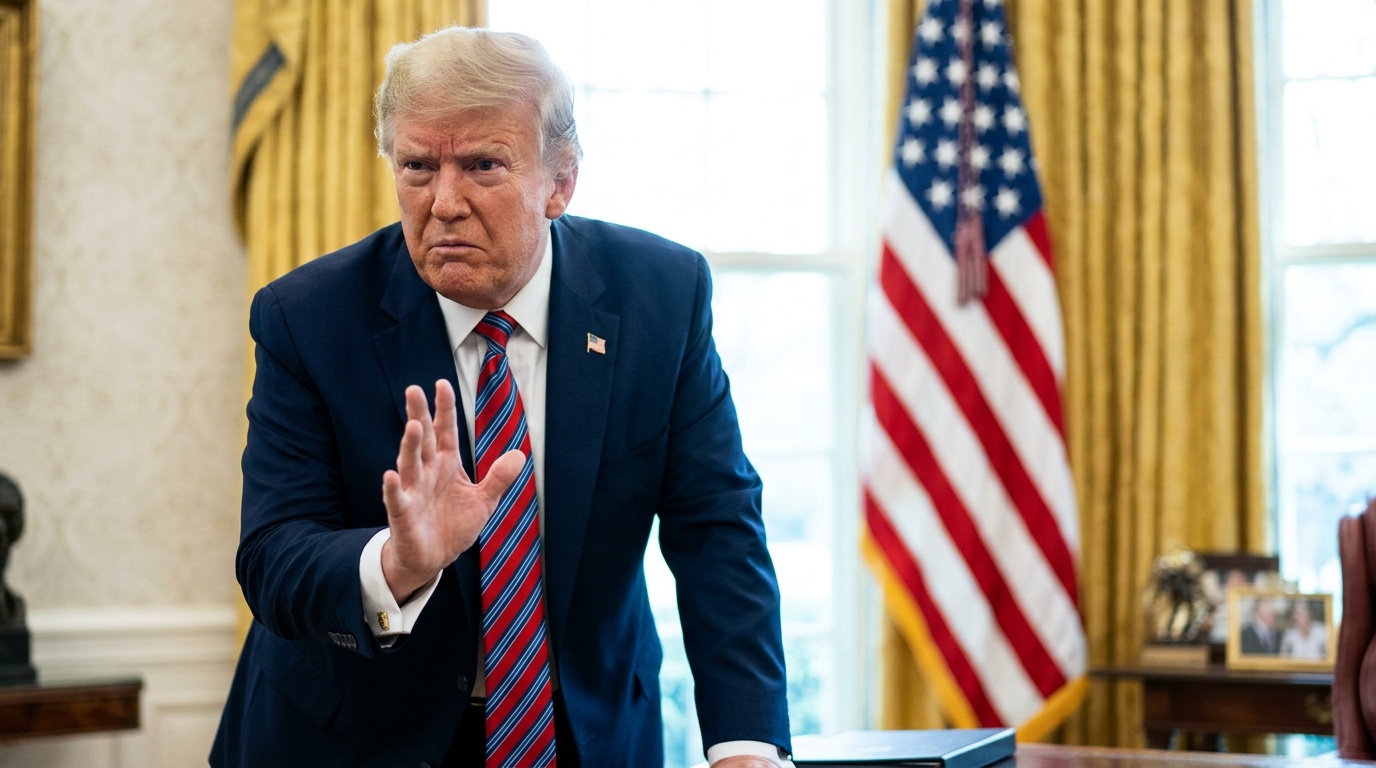
President Donald Trump has a new plan for Venezuelan oil: use it to fill up America's emergency stockpile. In a Truth Social post on Sunday, he called it a "Gift" to Americans, while taking a swipe at his predecessor.
"One of the things I am going to do with the Venezuelan Oil is fill up the Strategic National Reserves which, because of Sleepy Joe Biden, has been virtually emptied," Trump wrote. He added, "The 'topping out' process will begin very shortly, and is a Gift from Venezuela to the People of the United States."
This comes on the heels of a blockbuster announcement. On Friday, Trump said the U.S. had reached an agreement with Venezuela for majority control of more than 65 billion barrels of proven oil reserves. He called it "THE BIGGEST OIL DEAL IN WORLD HISTORY" and claimed it would cost American taxpayers nothing.
The deal, according to Trump, could strengthen U.S.-Venezuela relations, boost energy security, and help lower gasoline prices, which are currently averaging about $4.09 per gallon. He also noted it would more than double U.S. oil reserves, though those foreign-controlled reserves are separate from the Strategic Petroleum Reserve.
Venezuela's interim President Delcy Rodriguez confirmed a 25-year energy agreement with the U.S., aimed at raising crude production to 1.5 million barrels per day while preserving national ownership of its resources. The deal covers 17 oilfields and eight new blocks, and is projected to generate about $209 billion in revenue for Venezuela.
Meanwhile, Venezuela is reportedly considering leaving the Organization of the Petroleum Exporting Countries (OPEC) as energy ties with Washington deepen. The Trump administration is also negotiating a U.S. stake in about a dozen Venezuelan oil fields containing nearly 90 million barrels of proven reserves, with private and U.S. oil companies expected to help develop them.
So, what's the takeaway? This is a big geopolitical shift. The U.S. is effectively gaining control over a massive amount of oil, which could reshape energy markets and diplomacy. But it also raises questions: How will OPEC react? What does this mean for Venezuela's sovereignty? And will this actually bring down gas prices? For now, Trump is framing it as a win-win, but the details are still unfolding.