Iran's President, Masoud Pezeshkian, has finally said the quiet part out loud: U.S. sanctions are really hurting. In a recent interview with state media, he didn't just acknowledge the pain; he made a plea for national unity to get through it.
Speaking with Tasnim News on Friday, Pezeshkian ticked off a list of woes, from inflation to unemployment to trade restrictions. "We have many problems...but the people are with us," he said, per a Google translation of the Persian conversation. He also warned that military might alone can't save a nation if its unity is shattered. "If this unity is broken....We may even have missiles and bombs, but they are of no use," the President said.
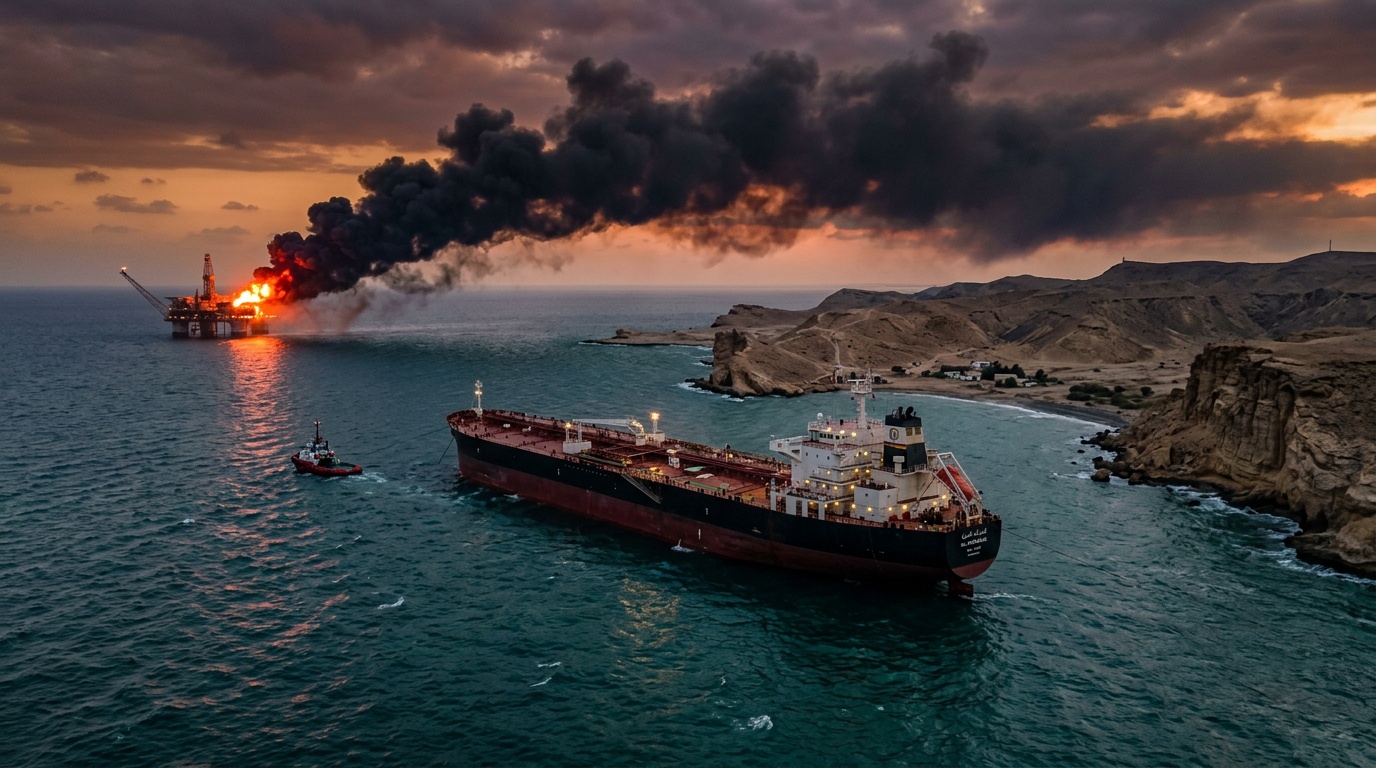
One of the biggest headaches? A naval blockade that's stopping imports, including gasoline, from reaching Iran. This blockade isn't just crimping Iran's oil exports; it's also causing shortages and long queues at gas stations. It's a bitter irony for a major oil producer that has to import refined fuel.
Pezeshkian talked about efforts to cut fuel demand and raise prices, but he's wary of piling more pressure on people already struggling. He estimated that Iranian oil trade has fallen by 25%-35%, with imports dropping even more than exports. "Saying that sanctions have no effect is not consistent with these facts," he stated.
Iran's Economic Crisis Deepens Amid Conflict
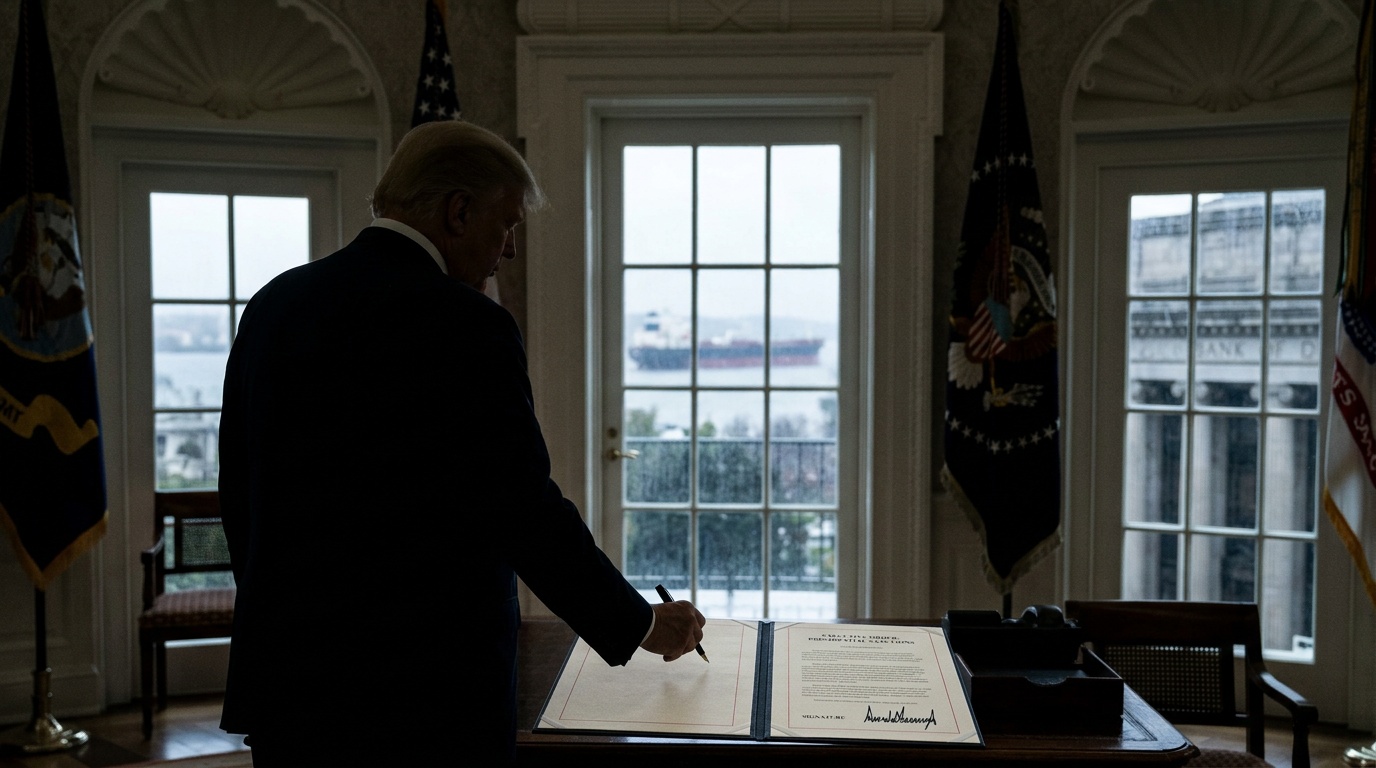
The economic mess is tangled up with the ongoing standoff with the U.S. The Trump administration is cranking up financial pressure, targeting a shadow-banking network accused of moving $1.8 billion through 103 companies to help Tehran dodge sanctions. This crackdown could also put China in Washington's crosshairs, given Beijing's role as Iran's top oil buyer and economic lifeline.
The numbers are grim: inflation is above 80%, food prices have jumped 100%, and the IMF projects a 6.1% economic contraction. More than 1 million jobs were estimated to have been lost by late May.
On the military front, the U.S. military says it has cleared Iranian sea mines from key shipping lanes in the Strait of Hormuz, reopening internationally recognized transit routes after months of operations. On Sunday, U.S. forces struck two Iranian launchers after detecting IRGC preparations to fire rockets carrying sea mines into the strait. Iran retaliated with missile and drone strikes on two U.S. bases in Jordan, though Jordan said it intercepted eight missiles with no casualties or damage. These were the first U.S. attacks on Iranian targets since late July.
Oil markets are feeling the heat. At the time of writing, Brent crude futures expiring in October were trading 5.68% higher at $91.01 per barrel, while WTI crude futures expiring in October were up 3.36% at $86.15 per barrel.
Image via Shutterstock