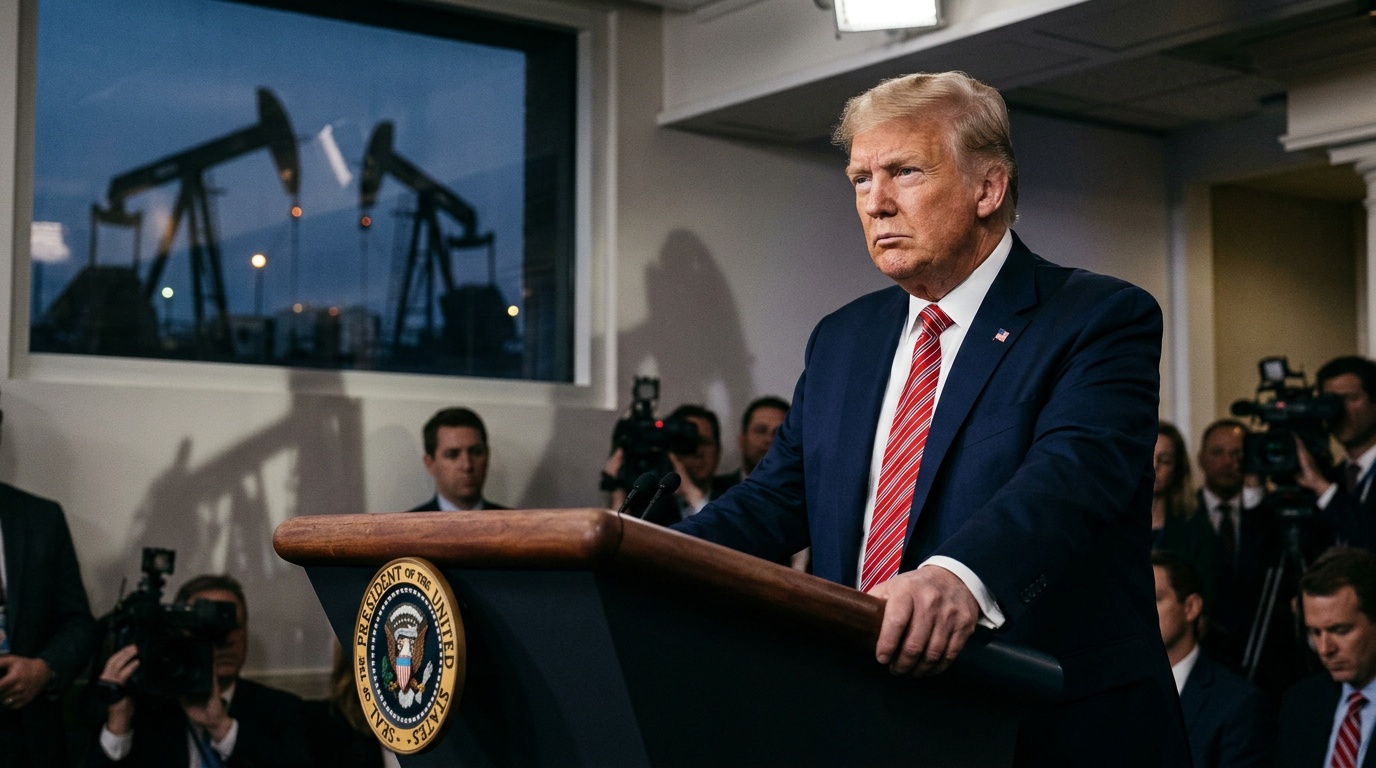
Treasury Secretary Scott Bessent is done with subtlety. In an interview with The Associated Press on Sunday, he made it clear that the Trump administration is prepared to get aggressive with Iran's finances, warning that another bank will be sanctioned this week.
"This is going to be financial violence if we have to," Bessent said, speaking ahead of Group of 20 meetings in Asheville, North Carolina. "We are showing people that we know who you are, you know who you are, and this has got to stop."
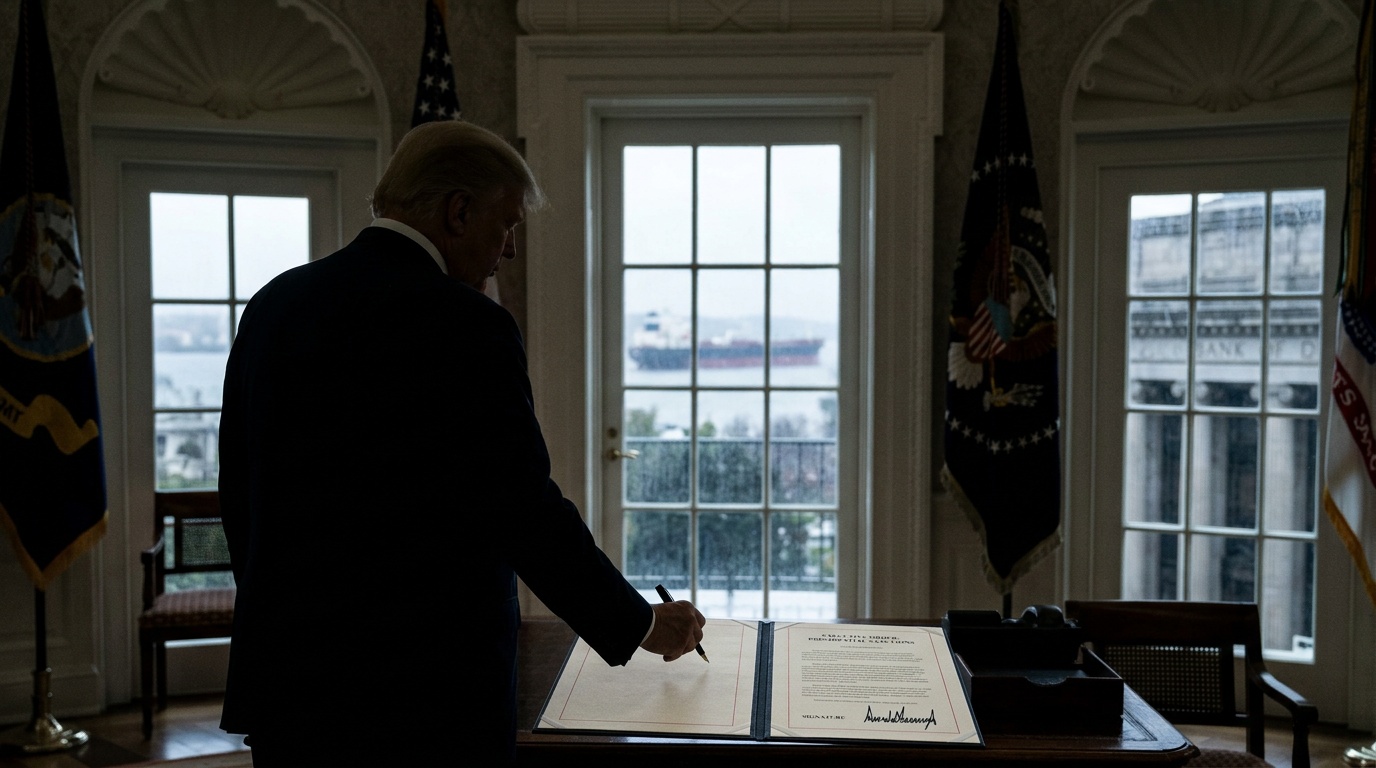
That's the next phase of Operation Economic Outcast, the administration's so-called "Economic D-Day" campaign. Treasury kicked things off on Aug. 24 by sanctioning nearly 60 Iran-linked entities, individuals and vessels, while expanding secondary sanctions across digital assets, technology, gold, aviation and shipping.
Bessent says to expect new secondary sanctions on a weekly basis, starting with banks tied to Iranian activity. The message to foreign institutions: keep facilitating transactions for Tehran, and you risk losing access to the U.S. dollar system. That's a threat that tends to get attention.
Treasury's first major banking move came last Friday, when it proposed cutting Banque Misr's UAE operations off from U.S. correspondent banking. According to Treasury, the Egyptian bank's UAE business processed about $1.8 billion for 103 companies potentially linked to Iranian shadow-banking networks between January 2024 and June 2026. The proposal is now subject to a 30-day comment period.
Bessent plans to use the G20 meetings to push other countries to join the campaign. The biggest test? China, which remains Iran's leading oil buyer. When asked whether Washington could sanction Beijing over its continued purchases, Bessent told AP that "all options are on the table." He also pushed back on the idea that the administration is hesitant to confront China, calling it "a completely false narrative that the media picked up on." This follows his earlier warning that countries maintaining ties with Tehran risk "economic oblivion."
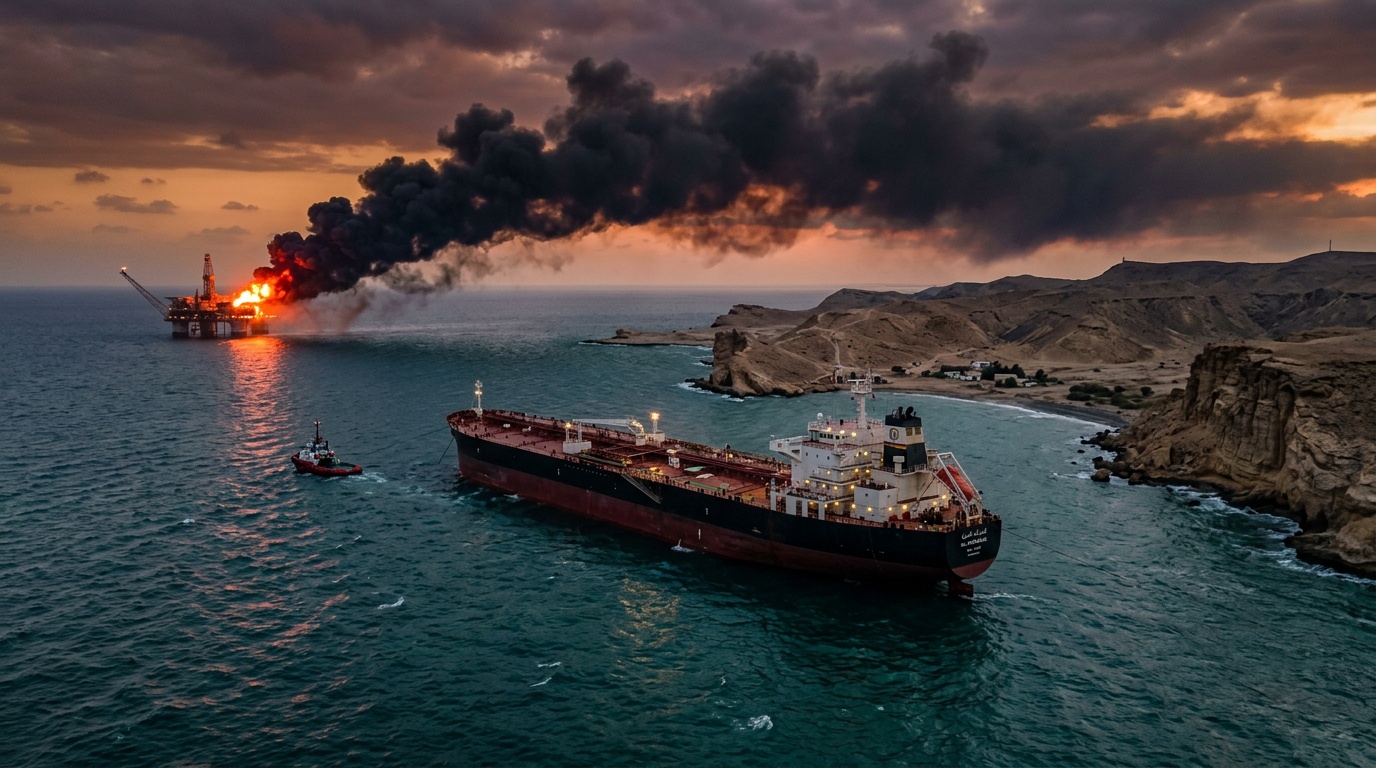
Meanwhile, the financial pressure is unfolding against a backdrop of renewed military conflict. For the first time since late July, hostilities have flared up again. U.S. forces struck two Iranian launchers on Larak Island near the Strait of Hormuz on Sunday, and Iran responded by firing missiles toward U.S. bases in Jordan, according to Reuters.
So the administration is juggling both economic and military levers, and Bessent's message is clear: the pressure campaign is only going to intensify.