House Speaker Mike Johnson (R-La.) is making the case that the Trump administration's tax policies are putting real money back into the pockets of everyday Americans. In a Sunday post on X, Johnson laid out the highlights: no tax on tips, no tax on overtime, a doubled Child Tax Credit, and something he called "Trump Bank Accounts" for kids. His message was clear: Republicans are delivering on what voters asked for.
"The American people gave us a mandate: implement policies to improve their lives, restore common sense and deliver REAL, positive results," Johnson said. He went on to call it the "Largest Tax Cut in HISTORY," and didn't mince words about the opposition, claiming Democrats "REPEATEDLY stood in the way" and voted against the measures.
This isn't just political posturing. The tax breaks Johnson is touting are part of the 2025 tax and spending law, which Trump has repeatedly described as the "largest tax cuts in American history." But here's the catch: estimates suggest the law could add about $3.3 trillion to the national debt. That's a big number, and it's worth keeping in mind as the political battle over taxes heats up.
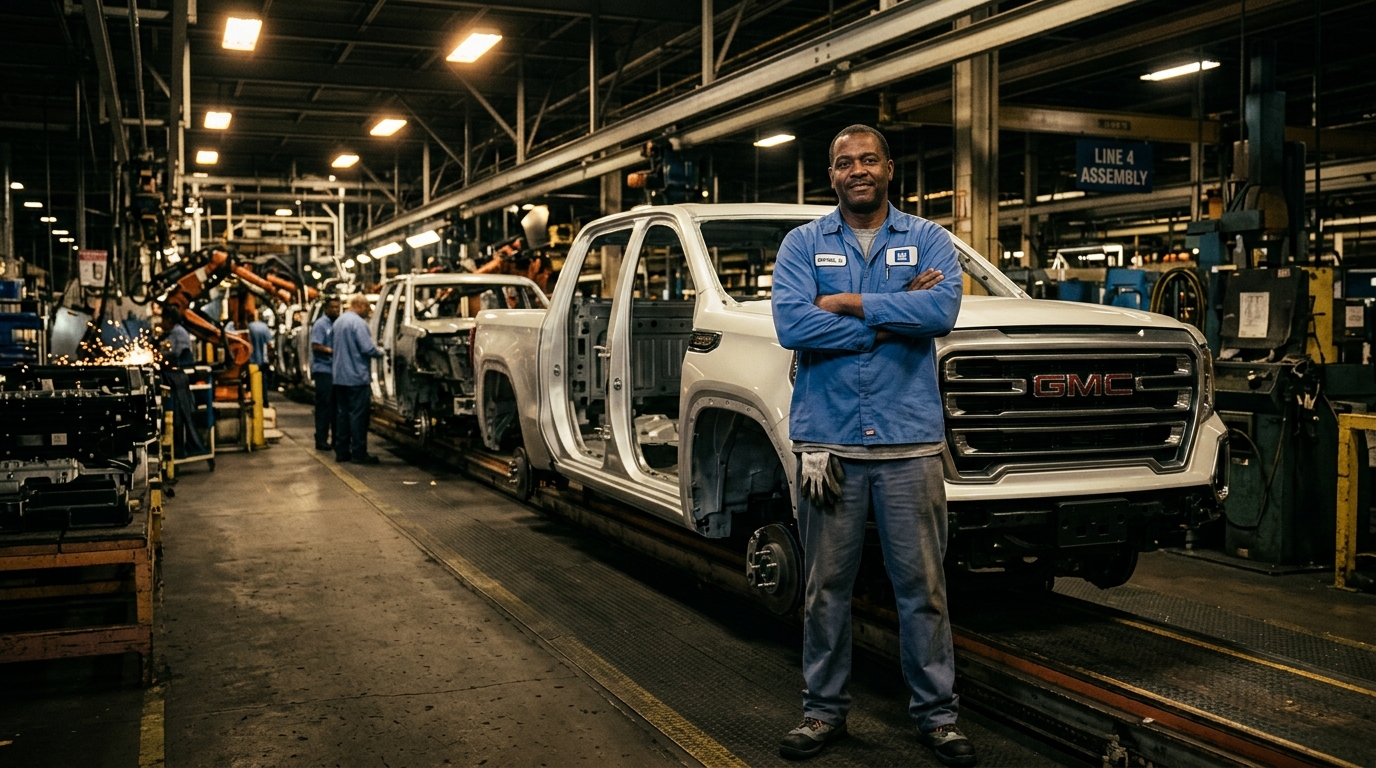
Johnson's post also touched on border security, but the tax provisions are the centerpiece. The idea of not taxing tips and overtime has broad appeal, especially for service workers and hourly employees. In fact, Trump recently highlighted an Arkansas DoorDash Inc. (NASDAQ:DASH) driver who said the no-tax-on-tips policy helped her keep an extra $11,000 in earnings. DoorDash CEO Tony Xu echoed that sentiment, saying the policy would help millions of workers keep more of what they earn.
But the tax conversation doesn't stop there. Earlier this month, President Donald Trump was reportedly weighing new tax proposals ahead of the November midterms. National Economic Council Director Kevin Hassett said Trump planned to highlight policies Republicans could pursue if they retained control of Congress. Among the ideas on the table: capital gains tax changes and a larger home-sale exemption.
Senators Ted Cruz (R-Texas) and Tim Scott (R-S.C.) have already proposed indexing capital gains to inflation, a move that could reduce federal revenue by about $200 billion. That's a significant chunk of change, and it's likely to be a point of contention in the coming months.
The GOP is also taking its message directly to voters. In April, the National Republican Congressional Committee launched a digital ad campaign across 14 competitive congressional districts, promoting the tax breaks from the 2025 law. The campaign frames the provisions as financial relief for working Americans, and it's clearly part of a broader strategy to keep the focus on tax cuts as the midterms approach.
So what's the takeaway here? The tax debate is far from over. Republicans are doubling down on the idea that tax cuts are the key to economic prosperity, while Democrats are likely to point to the growing debt and question who really benefits. For now, Johnson and his colleagues are betting that voters will see the immediate impact of keeping more of their paychecks, and that's a message they're pushing hard.