The United States is playing host to G20 finance ministers and central bank governors starting Monday in Asheville, North Carolina. It's a gathering that's shaping up to be less about the scenic Blue Ridge Mountains and more about whether a deeply fractured group can find any common ground on trade, energy, and conflict.
Treasury Secretary Scott Bessent is walking into what analysts are calling a major test of his economic diplomacy skills. He's expected to push counterparts to shrink trade imbalances, boost growth, and sever business ties with Iran. He'll also need to soothe nerves about rising U.S. debt and bond yields, according to Reuters.
The tensions are simmering before anyone even sits down. Josh Lipsky, chair of international economics at the Atlantic Council think tank, told AFP that the combination of issues "creates the broader feeling of, could this group fracture?"
U.S.-Canadian Rupture Looms
The backdrop is a sharp deterioration in U.S.-Canada relations. Trade talks between Washington and Ottawa collapsed in late August. Canadian Prime Minister Mark Carney called the new U.S. terms "uneconomic, unfair" and said they undermined the reliability of any deal.
In response, the U.S. slapped 50% tariffs on Canadian products, including hockey sticks, building materials, liquor, and clothing. Canadian spirits makers and U.S. homebuilders who rely on Canadian lumber are among the most exposed to this dispute. Canada is set to match those duties dollar-for-dollar starting September 8, according to CNBC.
This rupture between two longtime allies is expected to hang over the G20 talks. Analysts warn that the Canada dispute, combined with broader U.S. tariff actions, could fuel concerns about the forum's durability.
Bessent is also expected to press G20 members on complying with U.S. sanctions targeting Iran, ramping up economic pressure on Tehran amid the ongoing Middle East war, a Treasury official told reporters. This follows Bessent's move last week to impose curbs on an Egyptian bank over its links to Iran through UAE branches. It was a warning shot to other members that continued business with Tehran could trigger secondary U.S. sanctions.
U.S. Energy Policy in Focus
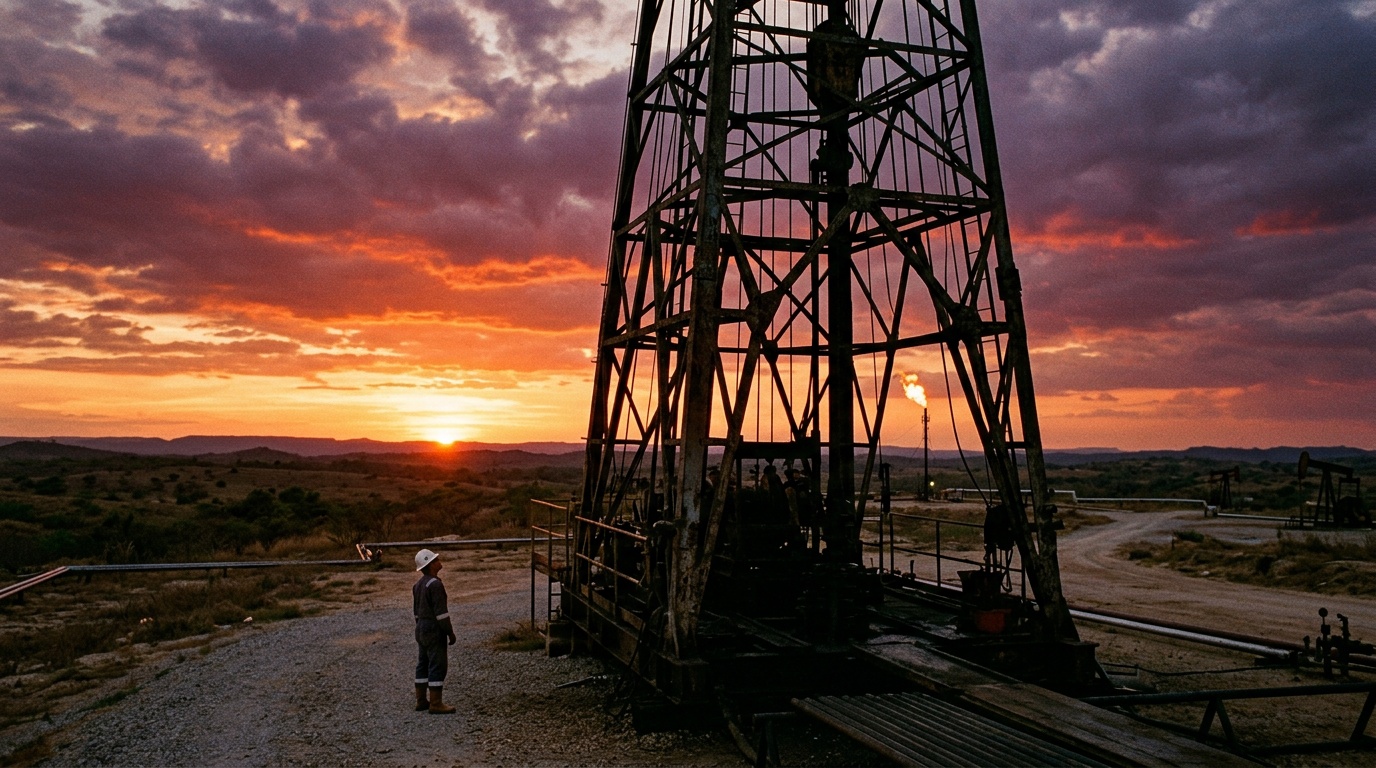
Energy policy is also drawing fresh attention following President Donald Trump's announcement of a sweeping new deal with Venezuela. Trump said Friday the U.S. secured majority control over more than 65 billion barrels of Venezuela's proven oil reserves. He called it "the biggest oil deal in world history." Trump credited Secretary of State Marco Rubio, Secretary of Defense Pete Hegseth, Interim Venezuelan President Delcy Rodriguez, and "a partnership with private business."
Oil from the arrangement is expected to help replenish U.S. strategic petroleum reserves and support military use. Venezuela's Rodriguez said the 25-year agreement targets crude output of 1.5 million barrels per day. The plan spans 17 strategic oilfields, Rodriguez said, stressing that the deal preserves Venezuela's sovereignty.
Chevron Corp. (CVX) is among the companies expected to transition its existing Venezuelan joint ventures into the new framework, two sources close to the negotiations told Reuters. The announcement comes as Trump faces mounting pressure over high gas prices tied to the Iran conflict.
Germany Sets Its Sights On Iran, Tariffs
Not every G20 member arrives with the same priorities. German Finance Minister Lars Klingbeil plans to press for ending tariff disputes and the wars in Iran and Ukraine, according to Bloomberg. "All of this is poison for economic development worldwide," Klingbeil, who is also Germany's vice chancellor, said ahead of Monday's meetings. Reducing "massive global uncertainties" is everyone's responsibility, he said, and the G20 is the right forum to make that clear.
Klingbeil is traveling with reporters to the meeting hosted by U.S. Treasury Secretary Scott Bessent. The U.S. has made growth its central focus, but Germany's presence signals other friction points will surface too.
U.S. G20 Priorities
The U.S. Department of the Treasury has laid out its priorities for the 2026 G20 presidency. It frames the effort as a return to the bloc's "core mission" under President Trump's leadership. The G20 will refocus on driving economic growth, anchored by three themes: cutting regulatory burdens, securing affordable energy supply chains, and advancing AI leadership.
Treasury said the reforms aim to deliver measurable results rather than symbolic gestures. That positions the U.S. as the driving force behind a leaner, growth-oriented G20 agenda. On regulation, the Treasury is pushing for efficient, transparent governance that lets businesses invest and compete globally. Priorities include cutting growth barriers and encouraging practices that boost job creation. On energy, the department is prioritizing affordability, reliability, and security, framing resilient, independent supply chains as central to growth and national security. Treasury's innovation push centers on accelerating AI and technology development.
Russia Set To Attend
Geopolitical tensions will also surface as Russia joins the talks. Russia is expected to take part after signaling high-level participation in the talks, Bloomberg News reported. Asheville is one stop in a series of G20 meetings ahead of December's Miami summit.
Klingbeil said he also plans sideline meetings with counterparts from India, Canada, and the UK. He's seeking closer ties with nations that, "like us, rely on open and rules-based trade, on reliability and cooperation."
The Asheville meeting follows a rocky start to the U.S. G20 presidency. An April gathering under the same leadership failed to produce a joint communiqué amid Middle East disagreements.
U.S., Germany Competing Objectives
Next week's talks could signal whether the group can align before December's Miami summit. The meeting is shaping up as a test of whether Bessent's "back-to-basics" G20 approach can hold together a group split by tariffs, sanctions, and war, analysts said. A repeat of April's failed communiqué could raise fresh doubts about the forum's relevance heading into December's Miami summit.
Any breakthrough on Canada or Iran sanctions compliance could move currency, bond, and energy markets in the days ahead. So, while the setting might be calm, the stakes are anything but.