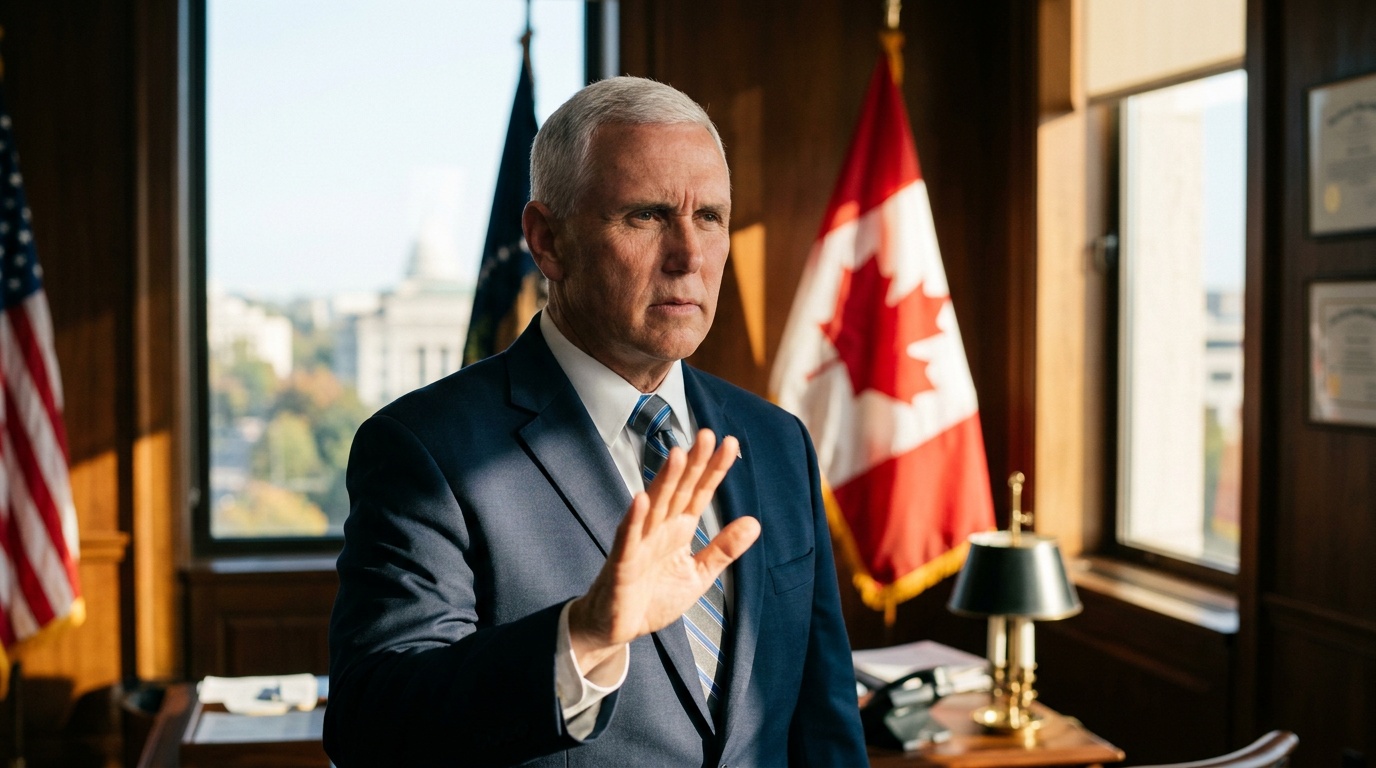
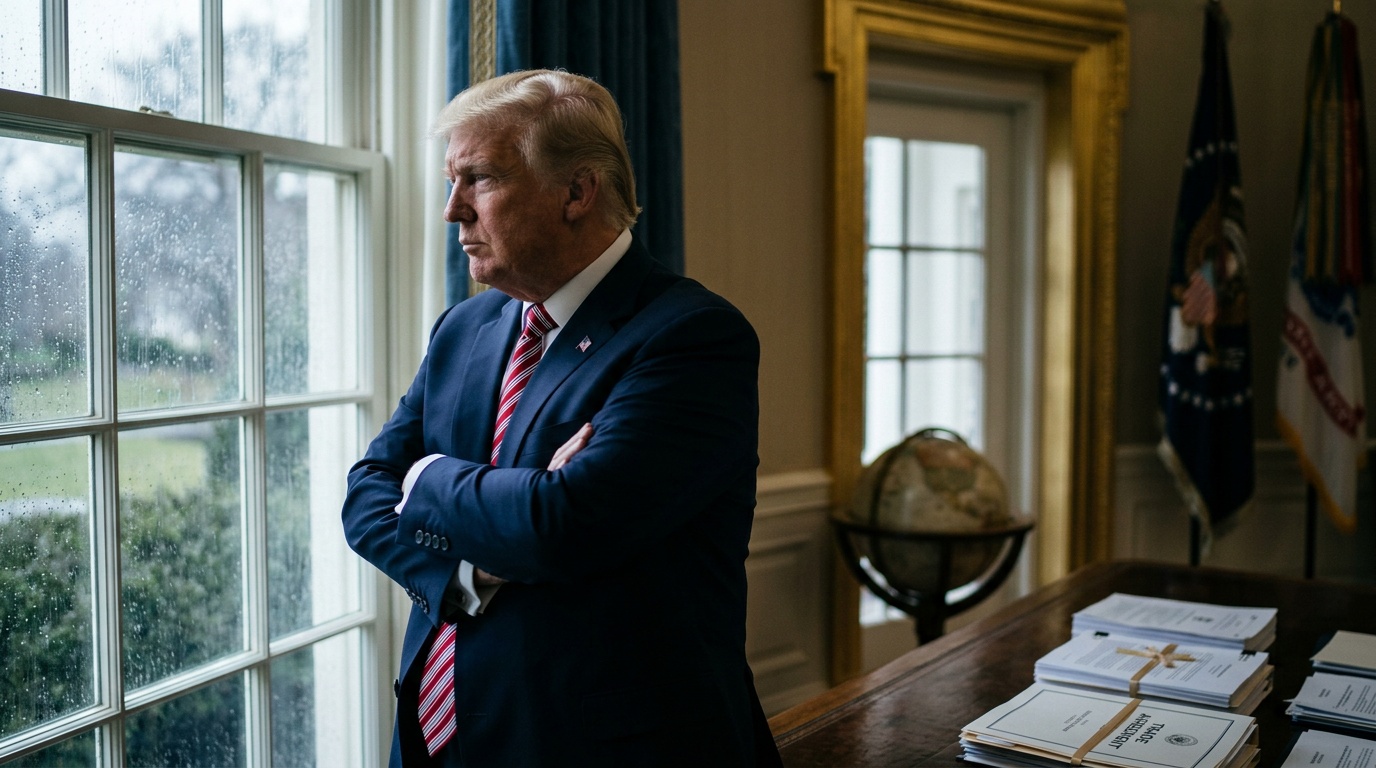
Former Vice President Mike Pence has a message for President Donald Trump: a trade war with Canada is not the way to go. Speaking on CNN's "State of the Union" on Sunday, Pence warned that escalating tariffs between the two neighbors could put more strain on American families and businesses, and he urged Trump to get back to the negotiating table.
"American businesses and American consumers pay American tariffs," Pence said, cutting through the political rhetoric to the economic reality. He added, "I think the last thing we need right now, as our economy is getting back on its feet, is a trade war with Canada."
Pence, who was involved in the negotiations for the U.S.-Mexico-Canada Agreement, acknowledged that Trump's aggressive style is part of his playbook. "I know that the tough line President Trump draws, it usually is accompanied with short-term action and hot rhetoric," he said. But he suggested that this time, the stakes are higher.
Canada, for its part, is matching the tough talk. But Pence hopes both sides can step back from the brink. "My hope is for the sake of American families and for the sake of the American economy that what we're looking at here is negotiation and not confrontation in a trade war," he said.
The Tariff Escalation
The tension has been building for a while. Trump has threatened to raise tariffs on Canadian cars, trucks, auto parts, and steel to 50% starting Jan. 1, 2027, after U.S.-Canada trade talks collapsed. That threat has already moved markets: shares of General Motors General Motors (GM), Ford Motor Ford Motor (F), and Stellantis N.V. Stellantis (STLA) have taken a hit, while U.S. steelmakers like Cleveland-Cliffs Inc. Cleveland-Cliffs (CLF), Nucor Corp. Nucor (NUE), and Steel Dynamics Inc. Steel Dynamics (STLD) have seen a boost.
Trump's logic is simple: companies can avoid the tariffs by moving production to the U.S. But Canadian Prime Minister Mark Carney isn't backing down. He's pledged dollar-for-dollar retaliatory tariffs starting Sept. 8 on U.S. goods, including steel, dairy, appliances, agricultural equipment, pulp and paper, and electronics. Carney dismissed Washington's demands as excessive, saying, "They asked too much and offered too little."
Not everyone thinks this will drag on. Anthony Scaramucci, who knows a thing or two about Trump's negotiating style, predicted the president would reach a deal with Canada within the "next two weeks." His reasoning? Political pressure ahead of the midterm elections could push Trump to back down.
China in the Mix
Meanwhile, Trump is also eyeing a 7.5% tariff on Chinese imports, citing concerns about China's excess industrial capacity and growing exports. But that move is being weighed against efforts to preserve the U.S.-China trade truce and Trump's planned meeting with President Xi Jinping. It's a delicate balancing act, and the outcome could have ripple effects far beyond North America.
For now, the ball is in Trump's court. Will he listen to Pence's warning and negotiate, or will he double down on tariffs? The next few weeks will tell.