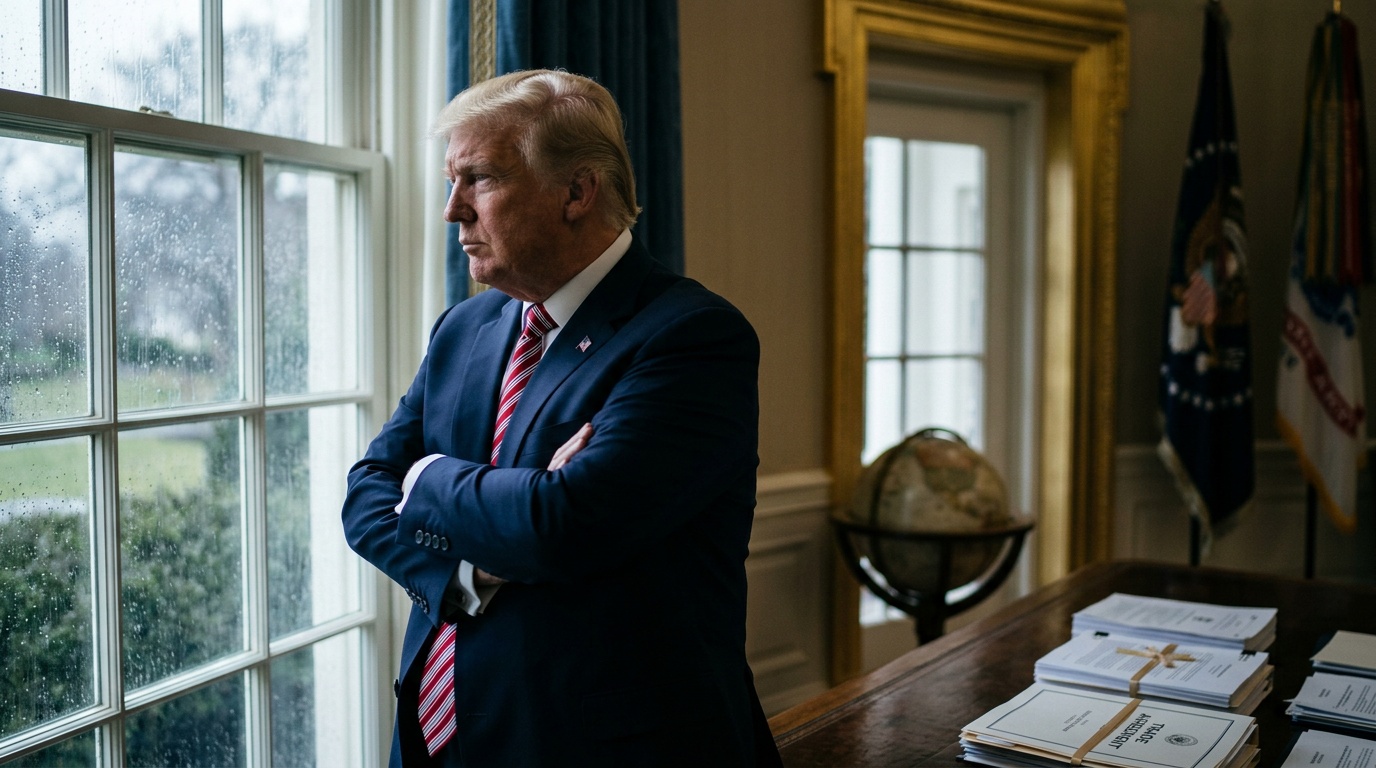
Economist and Echelon Wealth Partners co-founder Peter Schiff is not a fan of President Donald Trump's latest tariff salvo. In a post on X, Schiff warned that the planned 50% tariffs on Canadian autos, trucks, auto parts, and steel will hit American consumers right in the wallet. His reasoning? Americans buy a lot of those goods from Canada, and the tariffs will make them "vastly more expensive" to purchase, intensifying what he calls the "government-created cost of living crisis."
Schiff's tweet, posted on August 24, 2026, didn't mince words: "Trump is hitting Americans hard with 50% tariffs on Canadian autos, trucks, auto parts and steel. Americans purchase a lot of those goods from Canada, and those goods will now be vastly more expensive for Americans to buy, worsening the government-created cost of living crisis."
He's not alone in his criticism. Several Democratic lawmakers have spoken out against the tariffs. Michigan Gov. Gretchen Whitmer said the tariffs would effectively raise taxes on Michiganders and could lead to job losses in the state's auto industry. Abdul El-Sayed, Michigan's Democratic Senate nominee, went further, calling the tariffs a move for "vanity" and noting that Canada's retaliatory tariffs would hurt Michigan residents. California Gov. Gavin Newsom also questioned the wisdom of imposing tariffs on Canada.
But Schiff's concerns don't stop at the border. In a separate post, he turned his attention to the broader implications of the Trump administration's economic policies, specifically the "further weaponization of the U.S. dollar to advance its Iran policy." Schiff argues this will only accelerate the world's move away from the dollar, a process known as de-dollarization. That's when countries reduce their reliance on the U.S. dollar for trade, reserves, and financial transactions, often turning to other currencies or assets like gold.
Schiff's warning came with a sense of urgency: "The Trump administration's further weaponization of the U.S. dollar to advance its Iran policy will only hasten the speed with which the world de-dollarizes. This transition couldn't happen at a worse time, as the last thing we need now is more Treasuries to buy back or monetize."
The timing, in Schiff's view, is particularly bad. With the U.S. already facing a mountain of debt, the last thing the country needs is a situation where foreign buyers are less eager to snap up Treasuries. If de-dollarization picks up pace, the U.S. could find itself having to buy back or monetize its own debt, a scenario that could have serious consequences for the economy.
Iran, for its part, is not taking the U.S. pressure lying down. Parliament Speaker Mohammad Bagher Ghalibaf mocked the U.S.'s plans to buy frozen meat to deal with rising beef prices, questioning the administration's planned bond buybacks. "What's the plan for bonds, import frozen yields?" he quipped.
Iran's Security Chief Mohsen Rezaee went even further, warning countries against participating in U.S. economic restrictions against Tehran. He said participation would be considered an act of war and threatened that there would be no flow of oil through the Strait of Hormuz or the Persian Gulf. That's a significant threat, given that the Strait of Hormuz is a critical chokepoint for global oil shipments.
So, what's the takeaway here? Schiff is painting a picture of a U.S. economy that's being squeezed from both ends. On one side, tariffs on Canada are making everyday goods more expensive for Americans. On the other, the administration's aggressive use of the dollar as a geopolitical weapon could undermine its status as the world's reserve currency. If both trends continue, the cost-of-living crisis could get worse, and the U.S. could find itself in a precarious financial position.
Whether you agree with Schiff's dire predictions or not, his warnings highlight the delicate balance between economic policy and global relations. As the administration pushes forward with tariffs and dollar weaponization, the ripple effects could be felt far beyond the borders of the U.S. and Canada.