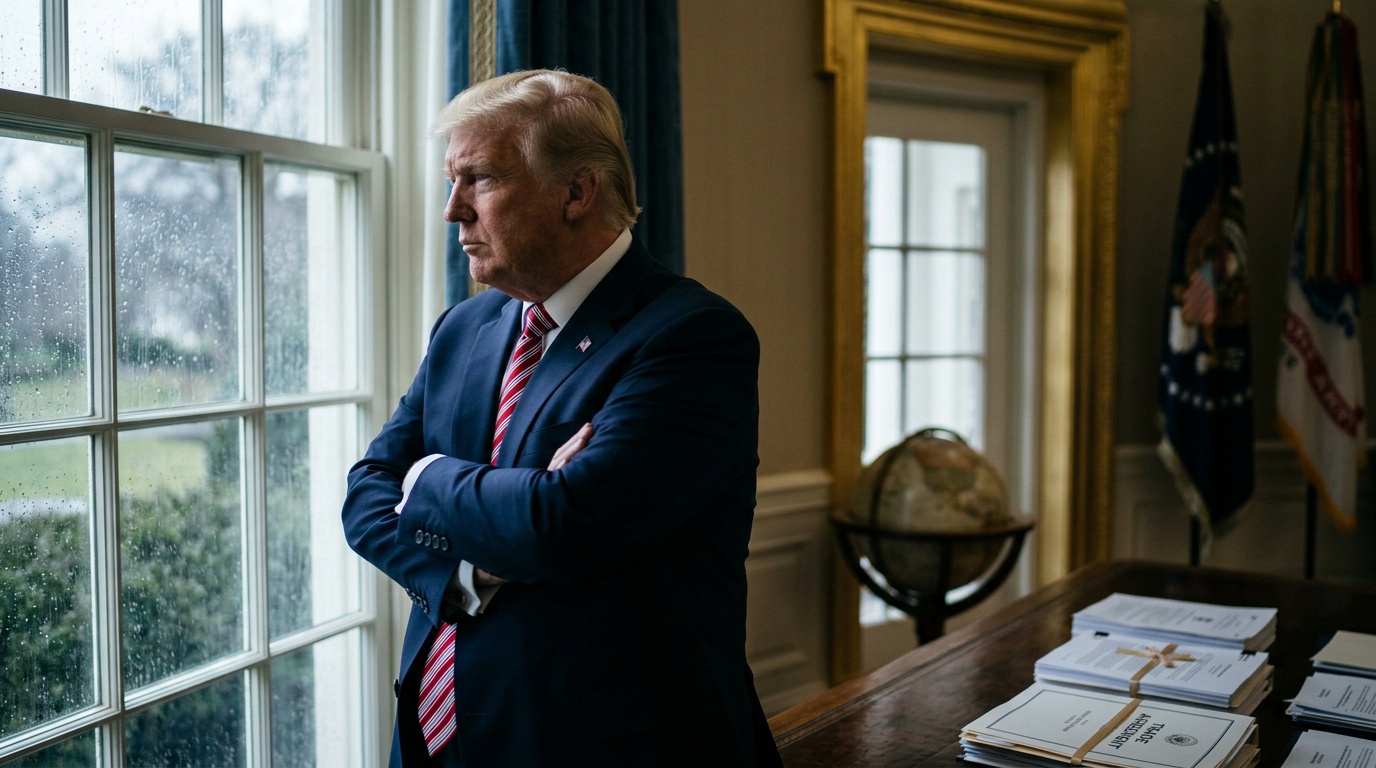
President Donald Trump is weighing a new 7.5% tariff on Chinese goods, a move aimed at curbing Beijing's industrial overcapacity while trying not to blow up the fragile trade truce between the world's two largest economies.
According to people familiar with the deliberations, the tariff would stack on top of existing duties and is being carefully calibrated to avoid derailing the one-year U.S.-China trade truce or the planned meeting between Trump and Chinese President Xi Jinping in late September.
The administration's argument goes like this: China is churning out more stuff than its own economy can absorb, so manufacturers are dumping excess production into global markets at rock-bottom prices. That's a problem for everyone else, the thinking goes.
China's embassy in Washington, unsurprisingly, disagrees. It said economic and trade issues should be resolved through bilateral talks and rejected the claim that China has an overcapacity problem.
Why Now? The Legal and Economic Backdrop
The investigation behind this potential tariff was launched under Section 301 of the Trade Act of 1974, which gives the president authority to slap tariffs on unfair trade practices. This comes on the heels of a Supreme Court ruling that struck down Trump's earlier, more sweeping tariff strategy, so the administration is being more surgical this time.
China's manufacturing muscle in autos, solar panels, steel, and cement has been drawing increasing scrutiny from trading partners. And the numbers are stark: China's trade surplus hit nearly $1.2 trillion last year, as weak domestic demand pushed companies to look overseas for buyers.
The Broader Trade Picture
This isn't happening in a vacuum. Earlier this month, the Trump administration accused China of using third countries to dodge U.S. tariffs, estimating the practice costs Washington between $19 billion and $26 billion annually.
But there's also been a diplomatic push. In May, Trump and Xi set up the U.S.-China Board of Trade and the U.S.-China Board of Investment to strengthen economic ties. China also agreed to buy at least $17 billion in U.S. agricultural products annually through 2028, approved an initial purchase of 200 Boeing aircraft, and restored access for some U.S. beef and poultry products. Both sides have talked about reducing tariffs and easing trade barriers, with Trump and Xi expressing optimism about the relationship.
So the 7.5% tariff is a delicate balancing act: send a message on overcapacity without torpedoing the progress made.
Meanwhile, Canada Heats Up
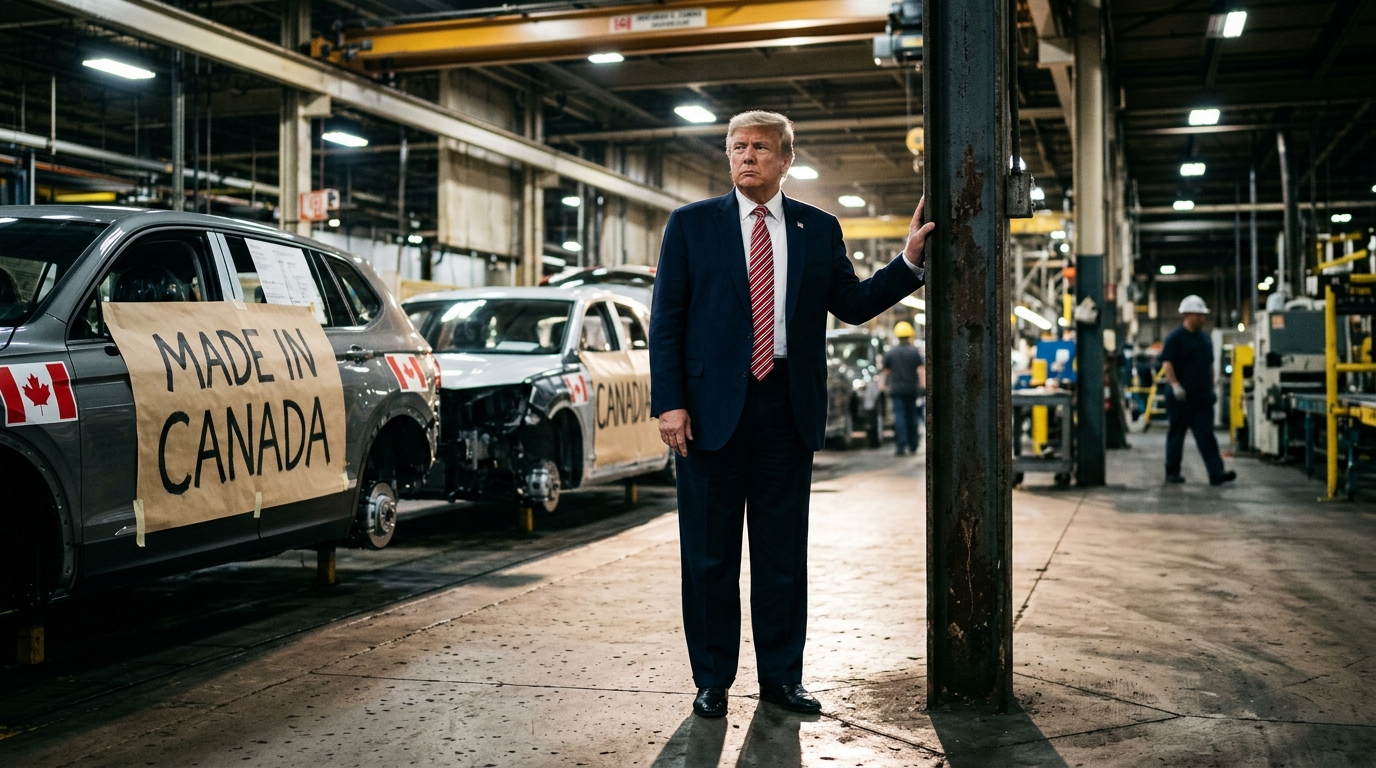
Trump is also playing hardball with Canada, threatening 50% tariffs on Canadian vehicles, auto parts, and steel after negotiations failed. That escalation has ripple effects south of the border, too. U.S. alcohol makers are feeling the pain: exports to Canada have plunged more than 70% after Canadian provinces pulled American spirits from shelves. Brown-Forman Corp. (NYSE: BF) saw its Canadian sales drop 59%.
So while the China tariff is the headline, the administration is juggling multiple trade fronts at once. The question is whether these moves will be seen as tough negotiating or as a recipe for a broader trade war.
Disclaimer: This content was partially produced with the help of AI tools and was reviewed and published by MarketDash editors.
Image via Shutterstock/ noamgalai