Here's a story about a media giant, a government agency, and a talk show that has somehow become a flashpoint for the First Amendment. The Walt Disney Co. (DIS) has filed a lawsuit against the Trump administration, alleging a retaliatory campaign against its ABC television stations that infringes on its First Amendment rights.
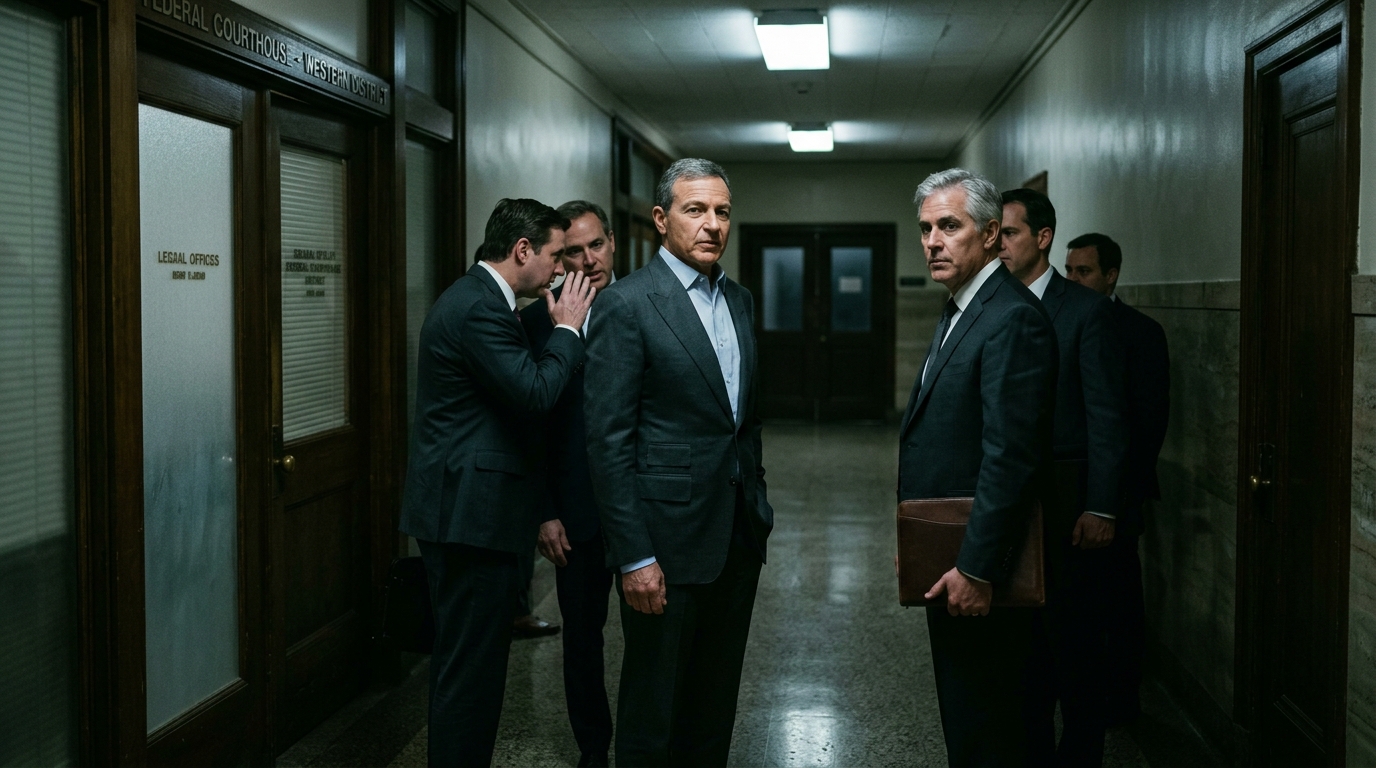
The lawsuit, filed in the DC District Court on Tuesday, centers on the Federal Communications Commission's (FCC) investigation into ABC's talk show "The View" and its challenge to ABC's station licenses. Disney argues this is all because the administration disapproves of what ABC broadcasts.
"The administration has waged a retaliatory campaign against ABC for a single reason: it disapproves of what ABC broadcasts," the lawsuit alleges. It's a pretty direct accusation, and Disney isn't pulling any punches. The company describes the FCC's actions as an "extraordinary assault on free speech."
Disney is seeking a temporary restraining order and a preliminary injunction to halt the FCC's license challenge. But here's the thing: Disney says the damage is already being done. The company claims it has been compelled to modify its programming due to the FCC's pressure. Specifically, "The View" has become more cautious in booking political candidates and has stopped considering several potential candidate bookings. ABC has also refrained from airing certain video clips for fear of further FCC scrutiny. That's self-censorship, and it's exactly what the First Amendment is supposed to prevent.
The FCC did not immediately respond to requests for comment.
FCC Scrutiny Puts ABC Licenses at Risk
Let's back up a bit. The FCC's investigation into "The View" started in February over an alleged breach of equal time requirements. This followed an appearance by Democratic Texas Senate candidate James Talarico. Federal law generally requires broadcasters that give airtime to one political candidate to provide comparable opportunities to opposing candidates, unless an exemption applies. It's a rule designed to keep the airwaves fair, but it's rarely enforced with this kind of vigor.
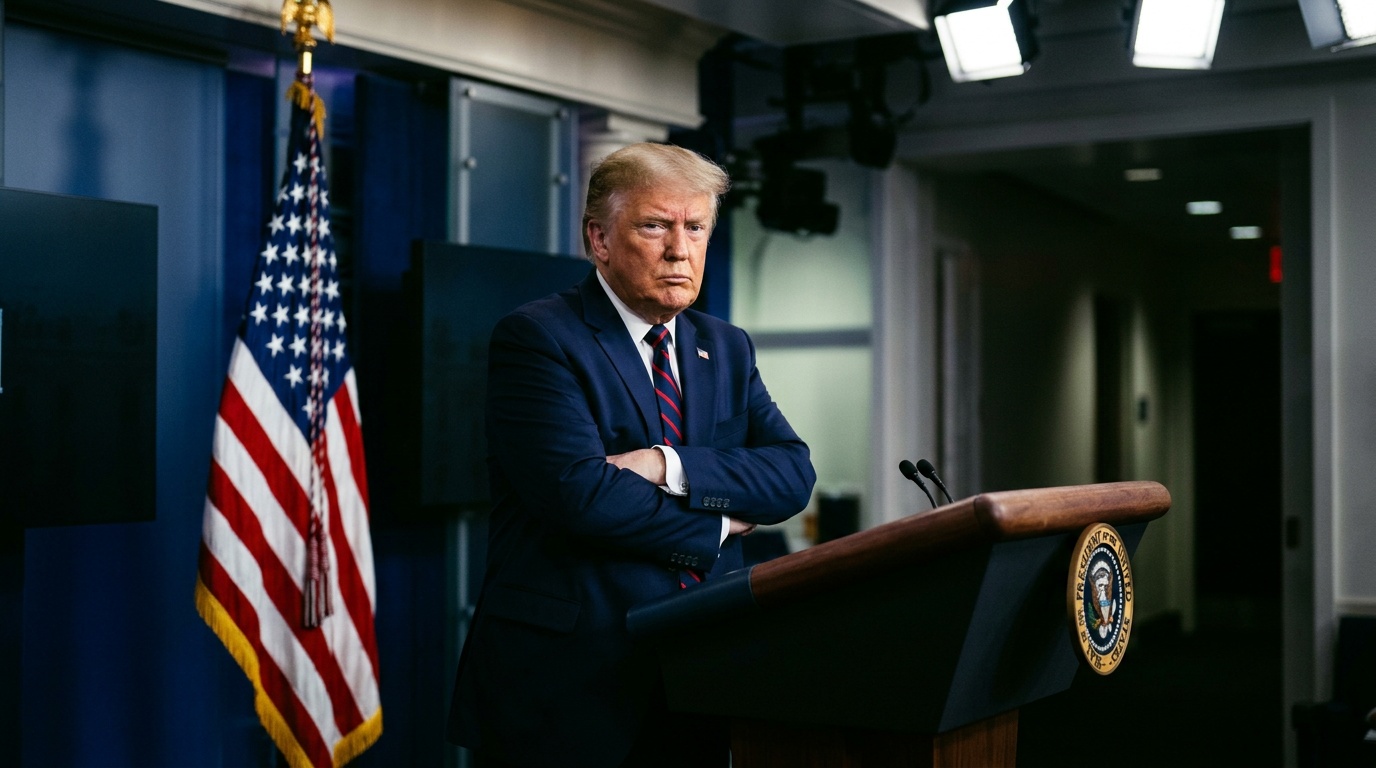
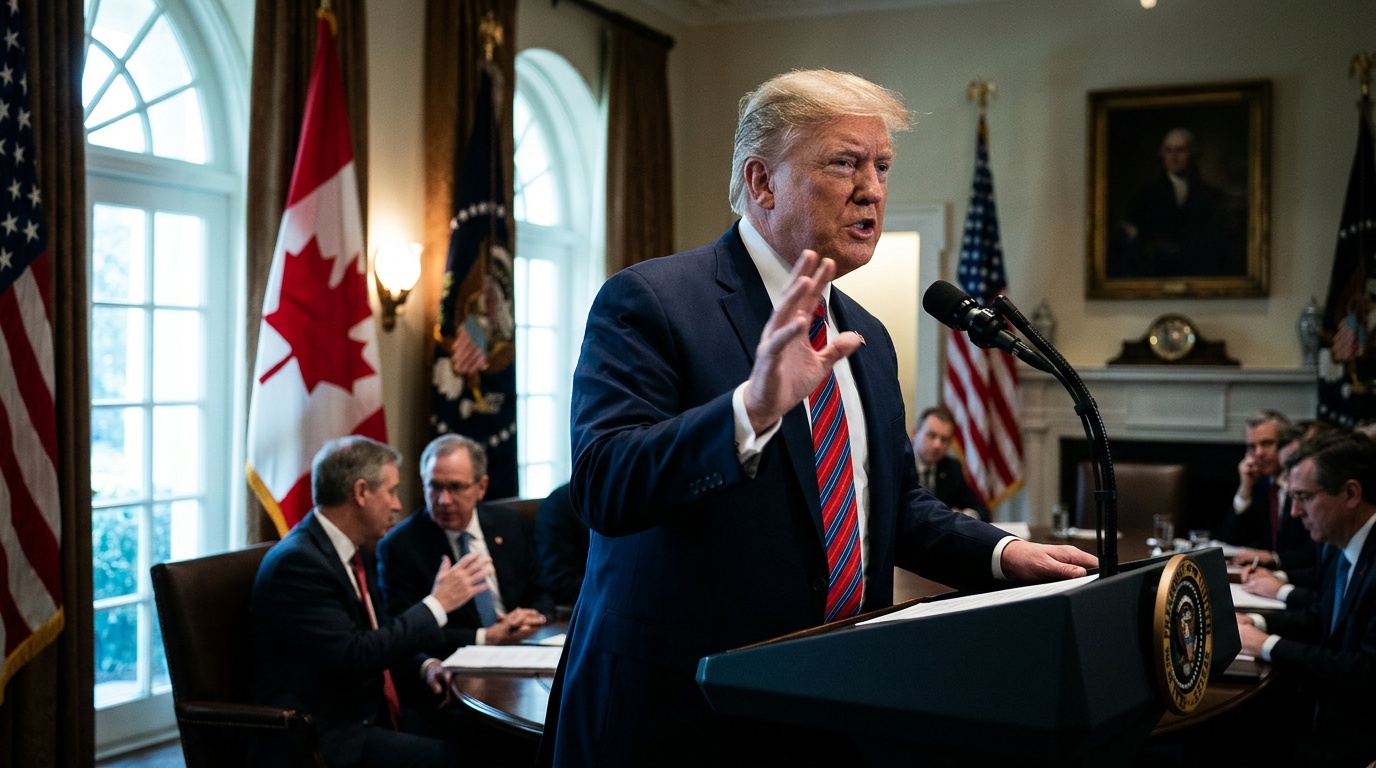
The scrutiny intensified in April when the FCC ordered an early review of licenses for ABC stations. This came amid a growing feud involving President Donald Trump, late-night host Jimmy Kimmel, and Disney. You might remember Kimmel's jokes about Trump; they haven't gone over well at the White House.
On top of that, the FCC has been investigating allegations of illegal DEI-related discrimination at Disney for more than a year. So there's a lot going on.
Here's some context to understand the stakes: ABC has more than 200 affiliated stations nationwide, but Disney directly owns just eight. Those eight are the ones the FCC is targeting. FCC licenses are typically renewed every eight years and are rarely revoked. Before this year, the agency hadn't sought an early renewal in decades. So this is a big deal.
Schiff, Sanders Defend Press Freedom
Disney isn't alone in this fight. Sen. Adam Schiff (D-Calif.) accused the Trump administration of launching "blatant attacks" on the free press, saying its actions are pressuring journalists and media companies to self-censor. He backed ABC and Disney's legal fight, arguing "the harms to the First Amendment are already taking place."
In a tweet, Schiff wrote: "The Trump administration is responsible for the most blatant attacks on the free press in recent American history — retaliating against journalists and media outlets who are simply exercising their First Amendment rights. ABC and Disney are right to fight back against the…"
Sen. Bernie Sanders (I-Vt.) has also weighed in, criticizing the Trump administration's threats against ABC's broadcast licenses. He warned that targeting media outlets for criticism would threaten democratic values and press freedom.
So, what's the takeaway here? This lawsuit is a significant escalation in the ongoing battle between the Trump administration and the media. It's not just about one talk show or one company; it's about whether the government can use its regulatory power to punish outlets for content it doesn't like. The outcome could have big implications for press freedom in the U.S.
For now, Disney is asking the court to step in and stop the FCC in its tracks. Whether the court will agree remains to be seen, but the case is definitely one to watch.