Asian markets took a beating on Wednesday, with South Korea's KOSPI leading the charge downward. The benchmark index fell 5.50% to 6,492.22, and the pain was particularly acute for semiconductor stocks. SK Hynix shares in Seoul dropped 7.82% to 1.532 million Korean won, while Samsung Electronics declined 6.33% to 251,500 won.
The sell-off wasn't confined to Seoul. SK Hynix's American depositary receipts (ADRs) fell 9.20% to $155.62 in Tuesday's U.S. session and slipped another 1.38% to $153.47 in after-hours trading. Japan's Nikkei 225 also took a hit, falling 2.42% to 65,826.62.
KOSPI Triggers Sell-Side Sidecar as Market Plunges 5%
The Korea Exchange had to step in as the market spiraled. A sell-side sidecar was activated after the KOSPI 200 futures index fell sharply, suspending program trading in KOSPI-listed shares for five minutes at 9:06 a.m. local time, according to Yonhap News Agency. This mechanism kicks in when KOSPI 200 futures drop at least 5% for one minute, giving traders a brief pause during extreme volatility.
US Stock Futures Edge Lower as Oil Prices Climb
Across the Pacific, U.S. stock futures were also in the red. Dow futures fell 22.00 points, or 0.04%, to 53,381.00, while S&P 500 futures declined 3.75 points, or 0.05%, to 7,710.25. Nasdaq 100 futures slipped 47.25 points, or 0.16%, to 29,538.75 as of around 9:01 p.m. EDT.
Oil prices continued their upward march. WTI crude rose 0.95% to $85.75 per barrel, and Brent crude gained 0.75% to $91.70 per barrel. Natural gas futures also climbed 0.47% to $2.789 per MMBtu. The U.S. dollar index, which measures the greenback against a basket of currencies, stood at 99.661, up 0.02% on the day.
Trump Rules Out Iran Talks
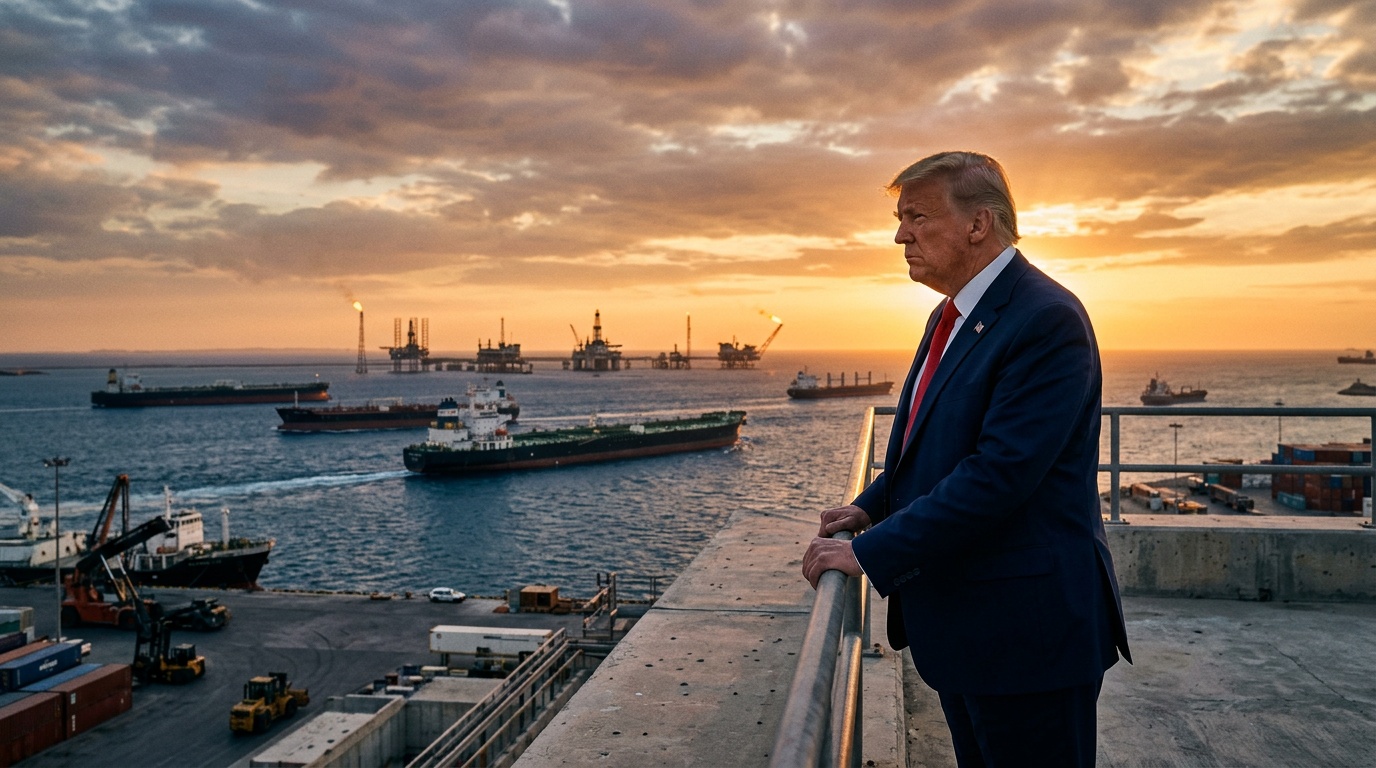
Adding to the market jitters, President Donald Trump on Tuesday dashed hopes for diplomatic progress with Iran. "There are no talks or conversations going on, or scheduled, with the Islamic Republic of Iran," Trump said in a Truth Social post. He also reiterated that the U.S. naval blockade remained in force and insisted the Strait of Hormuz was "open and operating."
US-Iran Tensions Fuel Oil and Inflation Fears
The 60-day U.S.-Iran memorandum expired Monday without a broader peace agreement. An Iranian official reportedly warned that Tehran could shift to a "fully offensive" posture if diplomatic efforts fail. While back-channel diplomacy remains possible, reports suggest the Trump administration has reached out to figures linked to Iran's Islamic Revolutionary Guard Corps despite stalled formal negotiations.
With oil prices climbing and geopolitical tensions simmering, investors are bracing for potential inflation pressures. The combination of a tech-led sell-off and energy price spikes is a recipe for market volatility, and Wednesday's action in Asia is a stark reminder of how quickly sentiment can shift.