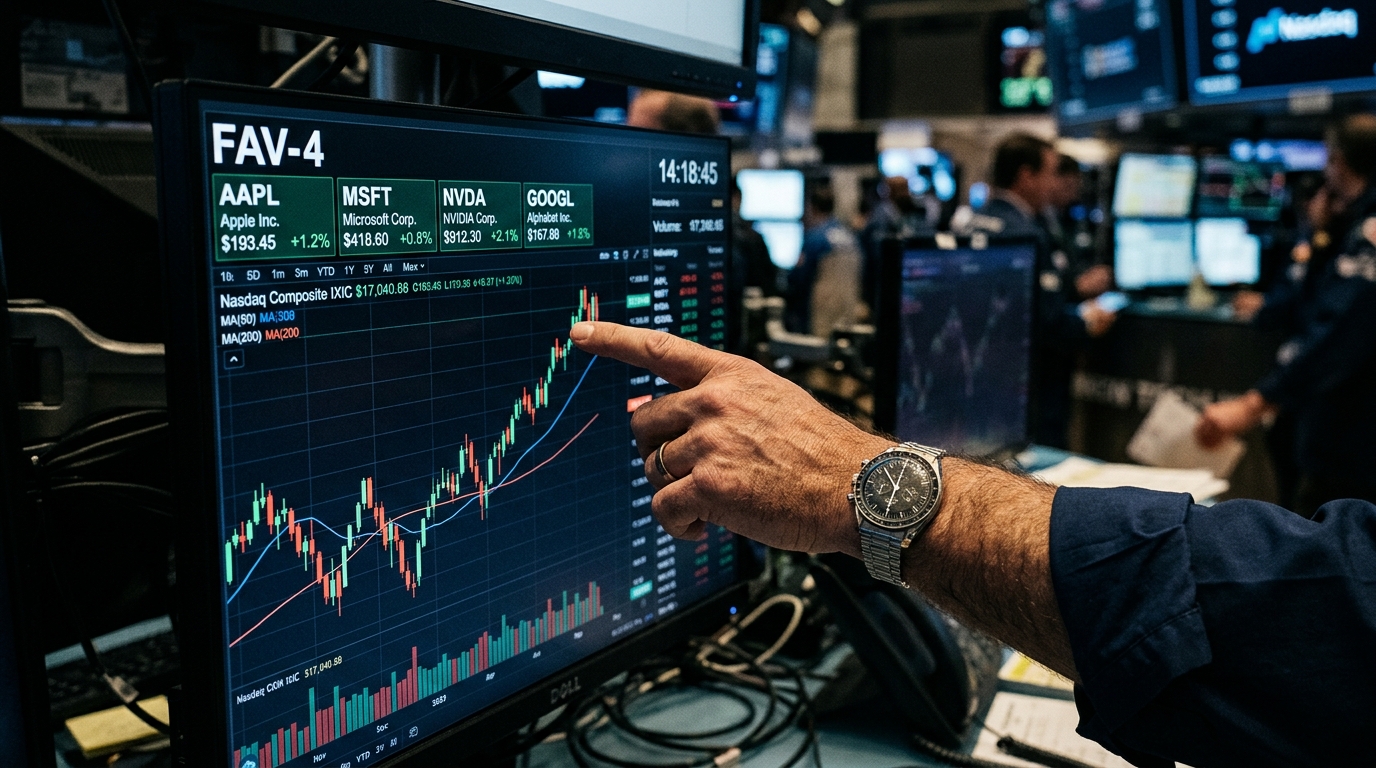
There's something a little unusual happening over at NVIDIA Corp. Nvidia (NVDA). The company at the center of the artificial intelligence boom is now, in a sense, financing parts of the boom itself. It's a bold move, and it's got investors scratching their heads.
Here's the headline number: Nvidia has committed roughly $300 billion to AI ecosystem partners. That includes equity investments, financing guarantees, and other financial backstops. Sounds like a lot, right? Well, it is. But context matters.
Bank of America analyst Vivek Arya crunched the numbers and figures Nvidia could generate about $470 billion in free cash flow over calendar 2026 and 2027. So the question becomes: Is Nvidia taking on too much financial risk, or is Wall Street simply underestimating the value of controlling the entire AI ecosystem?
Bank of America thinks it's the latter. The bank's 12-month price target on Nvidia sits at $350, implying a 55% upside from Monday's close. That's a bold call, and here's the thinking behind it.
Nvidia Is No Longer Just Selling Chips
The market still largely views Nvidia as the dominant supplier of AI processors. And that's true. But its strategy is becoming much broader. Nvidia is now helping secure chips, data center land, electricity, and the physical infrastructure needed to deploy them. This is particularly important for frontier AI companies whose balance sheets can't support their explosive growth.
"NVDA is committed to the transformational nature of AI and to securing every input — chip supply, land, power, shell — especially for disruptive, non-investment-grade customers such as frontier labs and neo-clouds," Bank of America said.
That strategy carries an obvious risk. If AI demand slows, Nvidia could face pressure not only on revenue growth but also on investments tied to customers and infrastructure projects. Yet there's another side to the equation.
The $300 Billion Number Looks Worse Than It Is
Bank of America estimates that roughly $70 billion of Nvidia's commitments are direct equity investments. Another $230 billion consists of residual-value guarantees or financing backstops. These are not equivalent to Nvidia simply handing customers $230 billion in cash. The distinction matters.
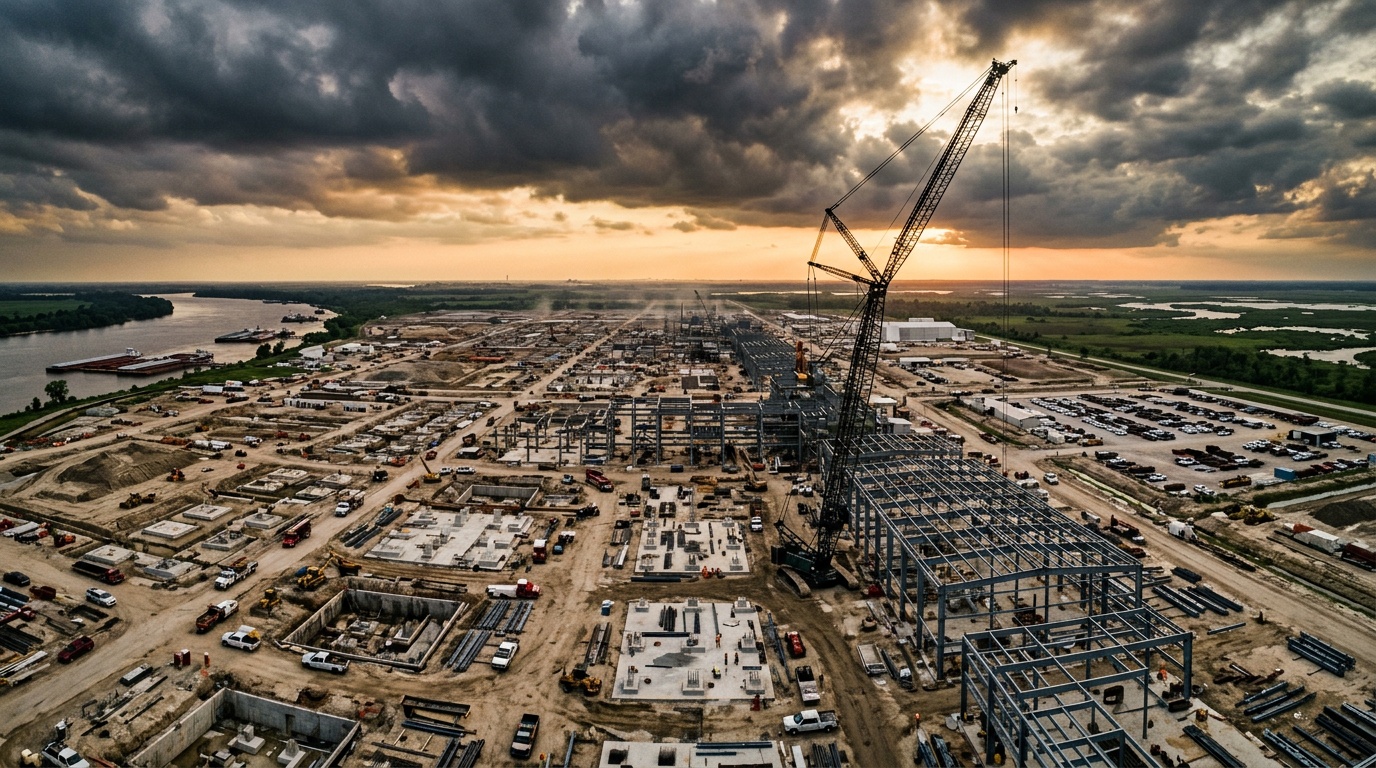
Take the recently announced Ohio data center. Nvidia is backing up to $105 billion of financing for infrastructure leased by OpenAI. Bank of America estimates that the initial 4.25-gigawatt site could represent roughly 1.5 million GPUs and generate $75 billion–$100 billion of free cash flow for Nvidia over the relevant product cycle. The guarantee is capped at $105 billion. That means the potential cash generation from the project could approach the size of the guarantee before considering future upgrades.
"GPU is fungible, protects residual value," BofA said. In plain English, Nvidia's chips can potentially be moved to another customer if a project fails. That makes the financing risk different from a traditional corporate loan.
Wall Street May Be Pricing Nvidia Like a Riskier Company
This is where Bank of America's valuation argument becomes striking. Nvidia trades at about 18 times estimated calendar 2027 free cash flow and 15 times estimated calendar 2028 free cash flow. The average for comparable AI semiconductor companies is roughly 38 times and 25 times, respectively.
Bank of America believes investors are effectively applying a heavy discount because Nvidia is using part of its cash to finance the ecosystem. But even after applying a 50% haircut to that investment-related cash flow, the firm estimates Nvidia could be worth 50% more in calendar 2027 and 34% more in calendar 2028 under its conceptual valuation framework.
The Lever Management Could Pull
Arya's suggested remedy is not a product. It's buybacks. Nvidia currently returns 50% of its free cash flow to shareholders; peers return 75% to 100%. Raising that share, the note said, may be the most forceful answer to the earnings-quality concerns weighing on the multiple.
Bank of America reiterated Buy with a $350 price objective, built on 26 times its 2027 earnings estimate excluding cash.
Where The Street Already Sits on NVDA
According to analyst ratings, Nvidia holds a consensus Buy rating and an average price target of $312.81, about 37% above Monday's $227.72. Nvidia reports second-quarter results Aug. 26, and Bank of America expects revenue of $94 billion to $95 billion against a $91 billion guide.
So, is Nvidia's $300 billion bet a stroke of genius or a risky gambit? Bank of America is betting on the former, and with earnings just around the corner, we'll soon have more clues.