Iran's top security official is not buying President Donald Trump's claim that the Strait of Hormuz is U.S. territory. In fact, he's mocking it.
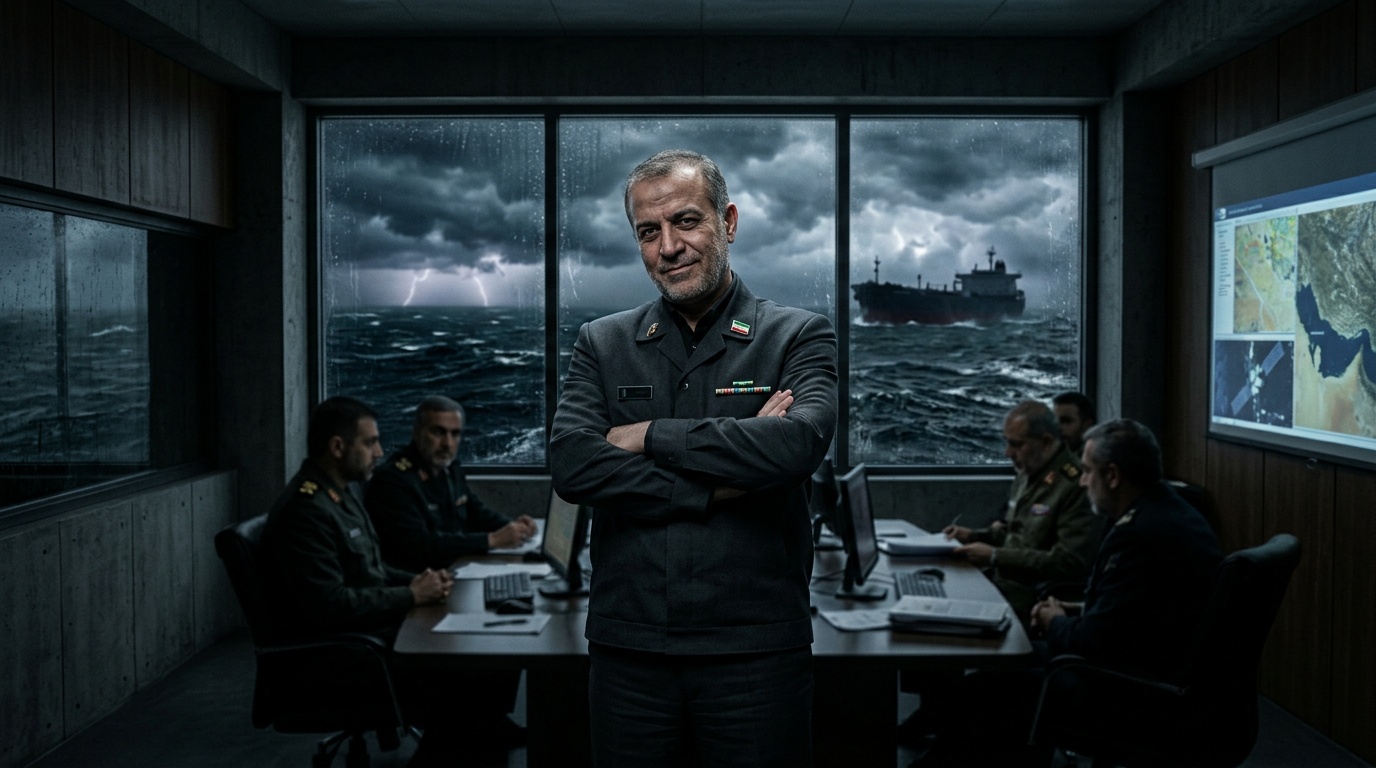
Mohsen Rezaee, Secretary of Iran's Supreme National Security Council, took to X on Tuesday to push back against Trump's assertion, which came amid escalating tensions between Washington and Tehran.
Some Dreams Are Too Far From Reality
Rezaee's post was pointed: "The gap between America's inability to reopen the Strait of Hormuz and its claim to own it is greater than the 7,000-mile distance between Washington and the Strait itself." He then added, "Welcome to the post-American order in the Persian Gulf."
To drive the point home, he shared an image showing the distance between the Strait and Iran as "0 miles," while Washington was thousands of miles away. The caption read: "Some dreams are too far from reality."
It's a sharp retort, but the situation on the water is no joke.
UKMTO Reports Strait of Hormuz Attack
The United Kingdom Maritime Trade Operations Center (UKMTO) reported an incident on Tuesday when a vessel was struck by an unknown projectile in the waterway. "The impact caused damage to the starboard side of the vessel and resulted in a crew casualty," UKMTO said, adding that there were no reports of environmental damage.
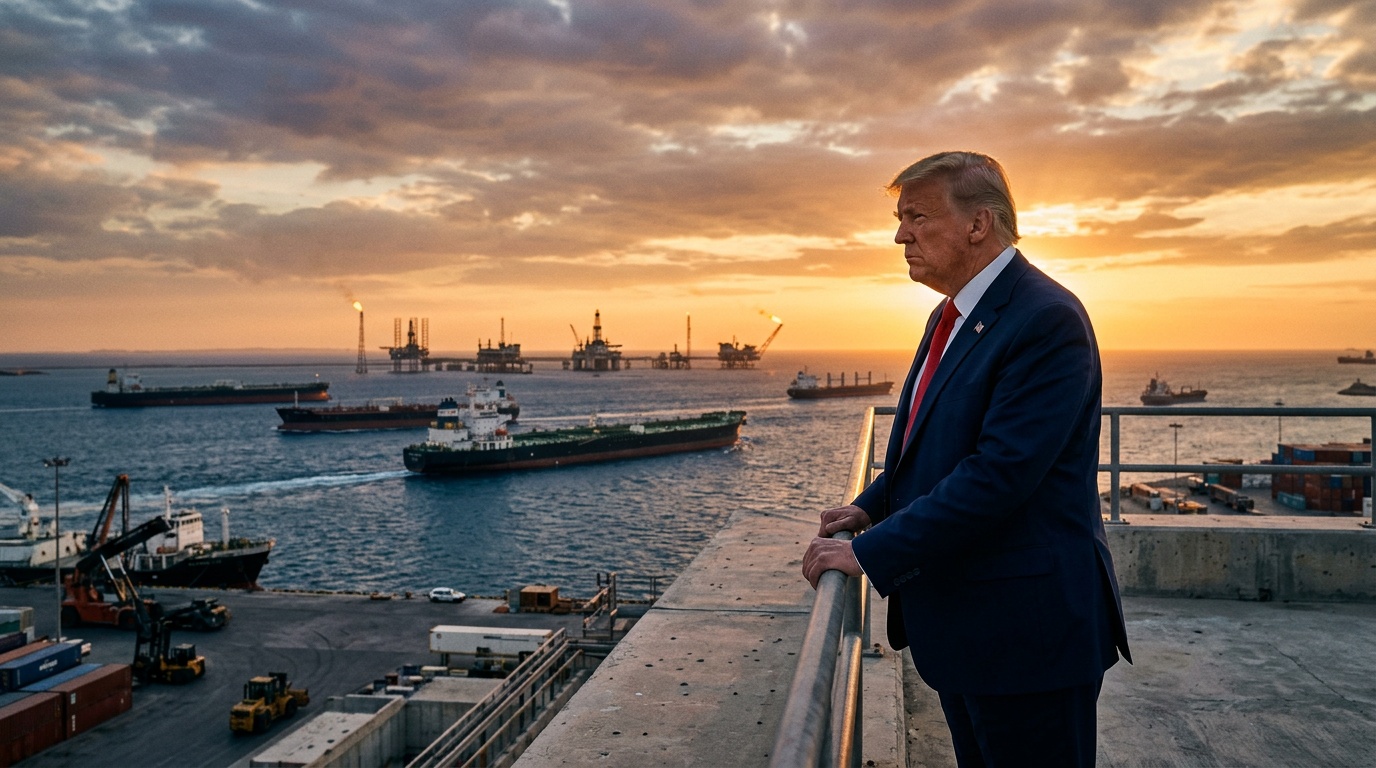
The attack is the latest in a series of incidents that have raised fears about the safety of shipping through one of the world's most critical chokepoints for oil and gas.
Gas, Oil Prices
Those fears are showing up at the pump. On Tuesday, the national average price of gas surged to $4.0654 per gallon, according to the American Automobile Association (AAA). In states like California, Washington, and Hawaii, prices remained above $5 per gallon.
Oil prices are also climbing. West Texas Intermediate (WTI) crude was at $85.58 per barrel at press time, while Brent crude surged past $90 to $91.63 per barrel.
High energy costs are hitting ordinary Americans hard, but Trump's Energy Secretary Chris Wright argues the Iran war isn't the only culprit. He's blaming clean-energy policies implemented under former President Joe Biden for the price spike.
Trump Rejects Iran Ceasefire
The rhetoric comes as Trump rejected extending the 60-day ceasefire that followed the Memorandum of Understanding (MoU) signed by Washington and Tehran. The deal was meant to serve as a bridge toward broader negotiations between the two countries.
Iranian Foreign Minister Seyed Abbas Araghchi, meanwhile, blamed Israeli Prime Minister Benjamin Netanyahu for derailing the negotiations with the U.S.
Even some Republicans are suggesting the White House could communicate better. Rep. Don Bacon (R-NE) acknowledged that Trump could have handled the Iran war communication better, saying the administration should have acknowledged the war's impact on affordability in the U.S.
With the Strait of Hormuz still a flashpoint and prices climbing, the gap between Washington's rhetoric and the reality on the ground seems to be widening by the day.