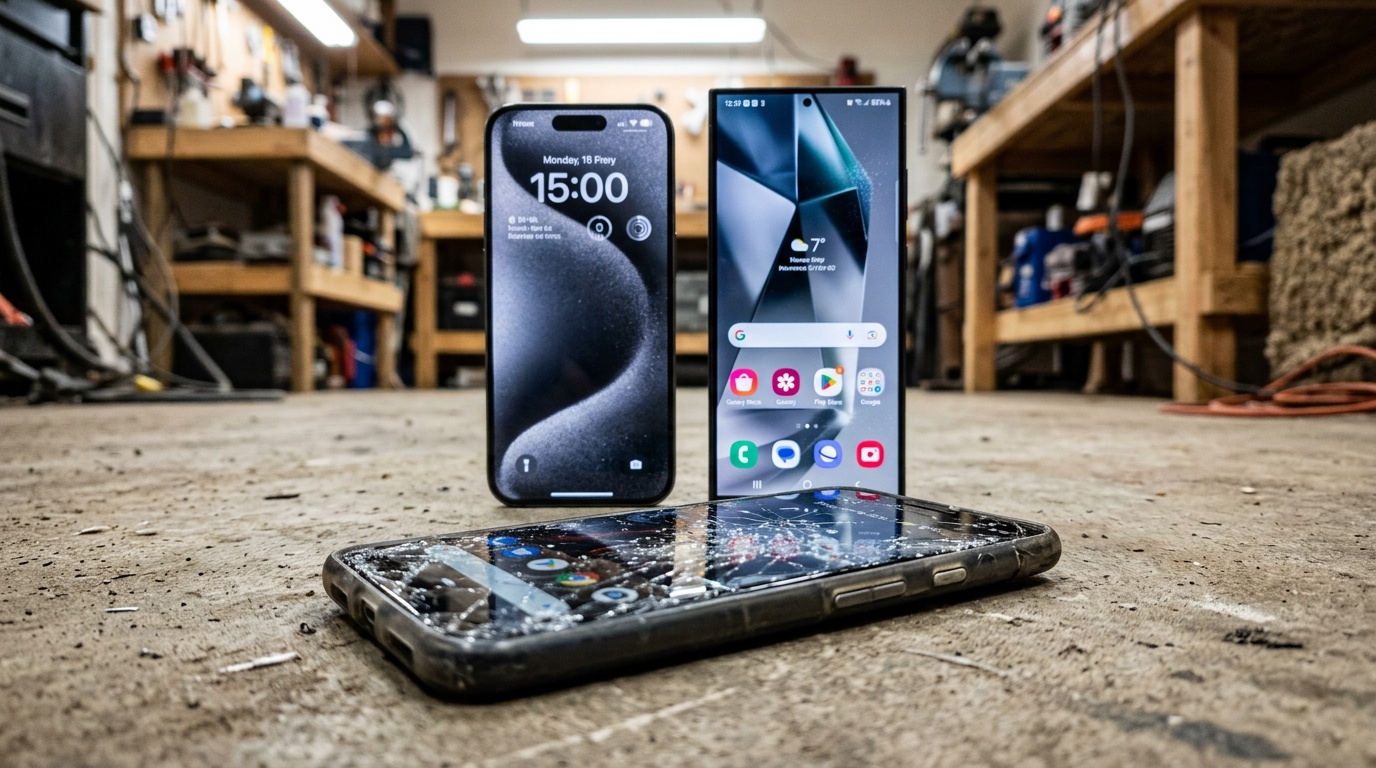
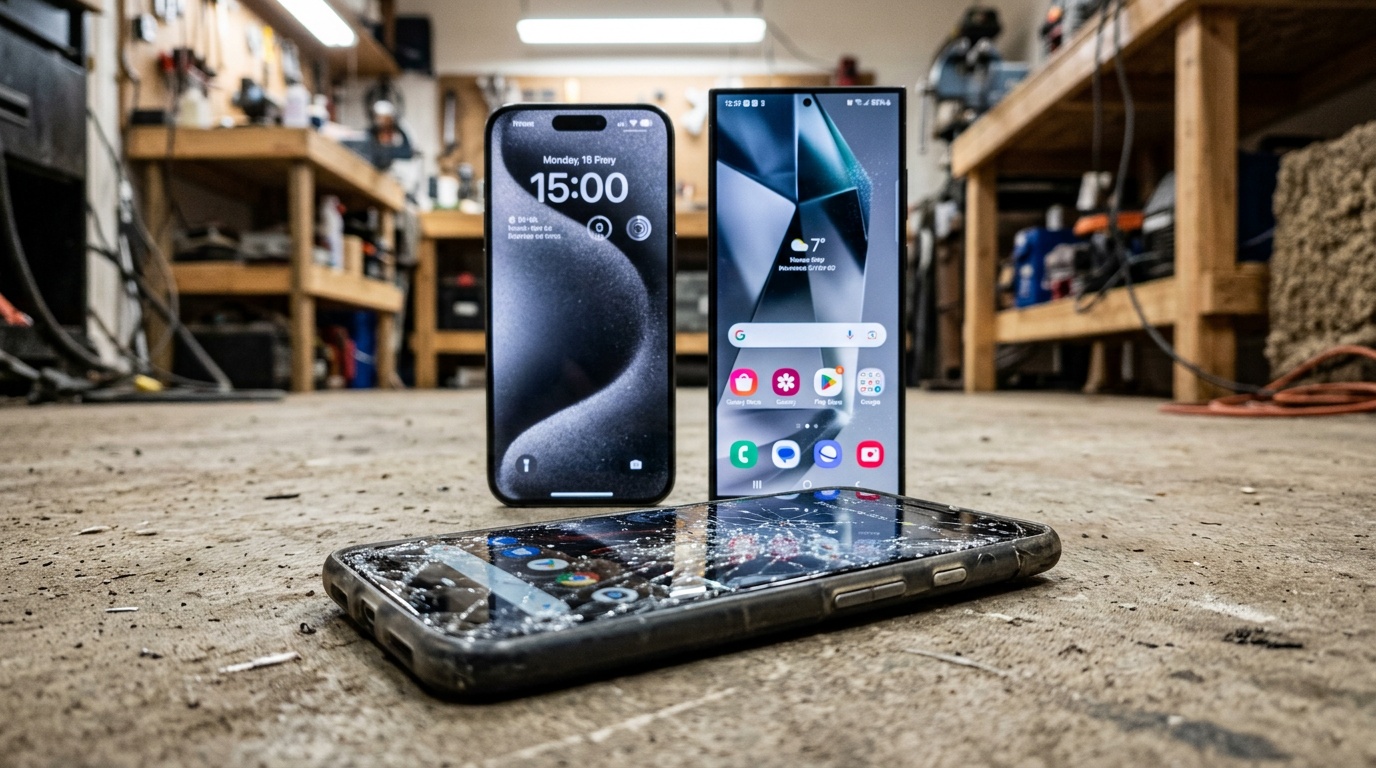
Here's a familiar story in the tech world: the big guys get bigger, and the little guys get squeezed. That's the takeaway from new research by Counterpoint Research, which finds that rising component costs are pushing smartphone prices up in the U.S. and China, and not everyone is equipped to handle it.
Apple Inc. (AAPL), Samsung Electronics Co. Ltd. (SSNLF), and other major players are facing a tougher demand environment as handset prices climb. But their scale gives them a cushion that smaller competitors simply don't have.
U.S. Smartphone Sales Fall 5%
Let's start with the U.S. market. Smartphone sales fell 5% year over year in the second quarter, according to Counterpoint analyst Blake Przesmicki. The culprits? Higher memory prices and broader macroeconomic pressures that have consumers thinking twice before upgrading.
Sales across the four largest manufacturers — Apple, Samsung, Motorola, and Alphabet Inc.'s (GOOGL) Google — declined just 4%. But the rest of the market? That's where it gets ugly. Sales plunged 45% as smaller manufacturers struggled with component costs they couldn't justify. Counterpoint notes that larger companies have used their scale to secure components at prices that smaller rivals simply can't match.
The pain was especially acute at the low end. Sales of smartphones priced below $100 tumbled 64% as manufacturers either stopped shipping certain devices or raised prices to offset higher memory costs. Prepaid smartphone sales fell 11%, though Samsung and Motorola actually gained share as weaker competitors pulled back. Motorola raised prices on several Moto G models during the quarter, while Samsung bumped the Galaxy A17 price by $50 in July.
And the trend isn't reversing anytime soon. Counterpoint expects average selling prices to rise again in the third quarter. Apple is expected to increase prices for its iPhone 18 lineup, and Google is launching its Pixel 11 devices at higher prices than the Pixel 10 series carried at launch.
Still, there's a silver lining for Apple. Counterpoint expects the company to benefit from a strong upgrade cycle as users move from the iPhone 15 series. But carrier subsidies will play a major role in determining whether higher prices actually hurt demand.
China Smartphone Slump Deepens
Across the Pacific, the picture is equally challenging. Smartphone sales in China fell 8.6% year over year during the first 30 weeks of 2026, according to Counterpoint analyst Ivan Lam. The decline returned to double digits after the 618 shopping festival as seasonal weakness combined with continued memory-cost inflation.
Huawei remains the market leader, with its weekly sales share staying above 20% since the second quarter. Demand for the Enjoy 90 Pro Max and stable pricing supported its performance. But Counterpoint expects Huawei to raise prices during the second half to offset higher costs.
Apple's demand weakened significantly after the 618 festival. Its weekly sales ranking fell as low as fifth as the company entered its typical seasonal slowdown ahead of its next iPhone launch. Some demand had also been pulled forward by the shopping festival, Counterpoint said.
Xiaomi Corp. (XIACY) climbed to second place in week 30 following the launch of the REDMI Note 17 series. However, higher pricing and specification cuts hurt sales compared with the previous generation. Xiaomi subsequently introduced another round of price increases ranging from 300 Chinese yuan to 500 Chinese yuan across several product lines.
Memory Inflation Threatens More Price Hikes
Counterpoint expects conditions to become tougher during the second half as rising memory and system-on-chip costs force smartphone manufacturers toward additional price increases.
At the same time, spending on agentic artificial intelligence is becoming a competitive necessity rather than a differentiator. That adds another challenge for manufacturers already dealing with weaker demand and higher hardware costs. Counterpoint warned that companies unable to keep pace risk falling further behind.
AAPL Price Action: Apple shares were up 0.31% at $303.25 during premarket trading on Thursday, according to market data.