If you've filled up your tank recently, you've probably noticed something unusual: gas prices are stubbornly high, and not just for summer. According to GasBuddy analyst Patrick De Haan, the national average price for a gallon of gas is now at its highest level ever this late in the year. In a post on X, De Haan put it bluntly: "The national average has never been above $4/gal after Aug. 12 in any previous year- ever."
That's a striking milestone. The American Automobile Association's data shows the national average crept up to $4.0360 on Wednesday, up from $4.0116 the day before. It's a small daily move, but the bigger picture is that we're stuck above that $4 mark, and that's historically unprecedented for this point in the calendar.
So why are prices so sticky? The short answer is Iran. Tensions over the Strait of Hormuz, a critical chokepoint for global oil shipments, have kept energy markets on edge. Even though crude prices dipped slightly on Wednesday—West Texas Intermediate fell to $83.13 per barrel and Brent to $88.95—the underlying anxiety hasn't gone away. The United States Oil Fund (USO), an ETF that tracks oil prices, also slipped 0.49% to $126.67 in overnight trading.
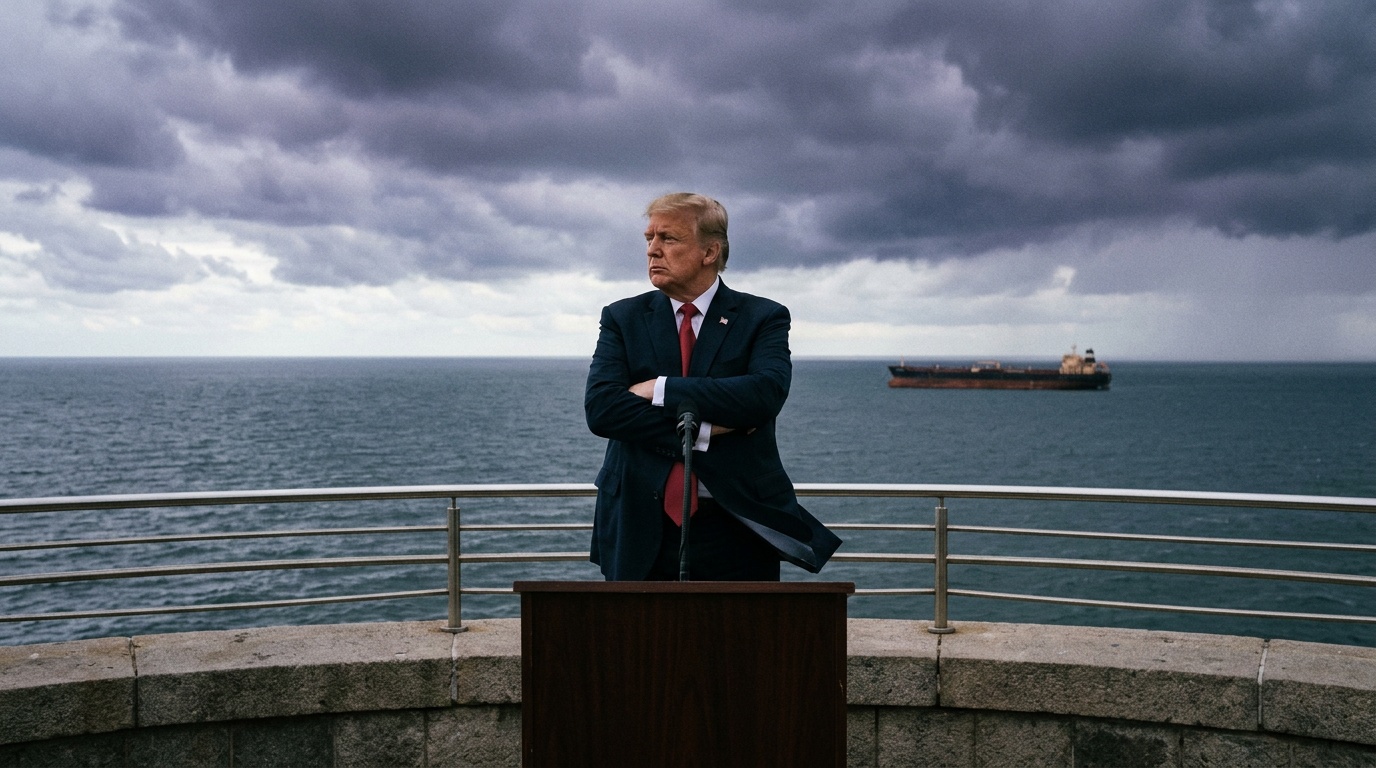
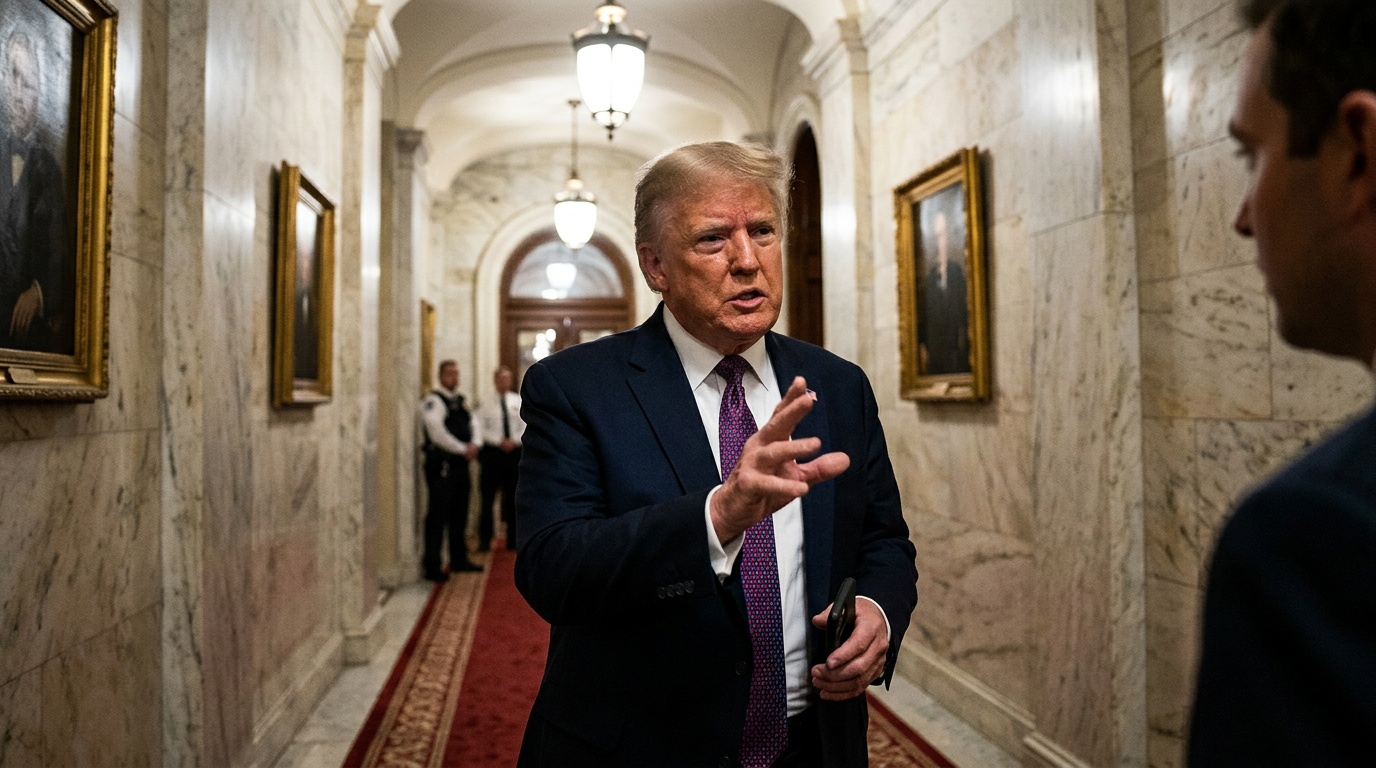
President Donald Trump has been adamant that the U.S. has "100% control" of the Strait of Hormuz, but Iran's Persian Gulf Strait Authority (PGSA) is pushing back, insisting the waterway is closed. Adding to the standoff, Iran's newly appointed Secretary of the Supreme National Security Council, Mohsen Rezaei, has said the Strait will remain closed until the U.S. meets Tehran's demands, which include a ceasefire in Lebanon and Gaza.
For now, drivers are left to deal with the consequences at the pump. The combination of geopolitical risk and seasonal demand is keeping prices elevated, and there's no clear sign of relief on the horizon. As De Haan's data shows, we're in uncharted territory—and that's not a record anyone wanted to see.