Iran is asking a pointed question about the oil staining its shores: who's going to pay for this?
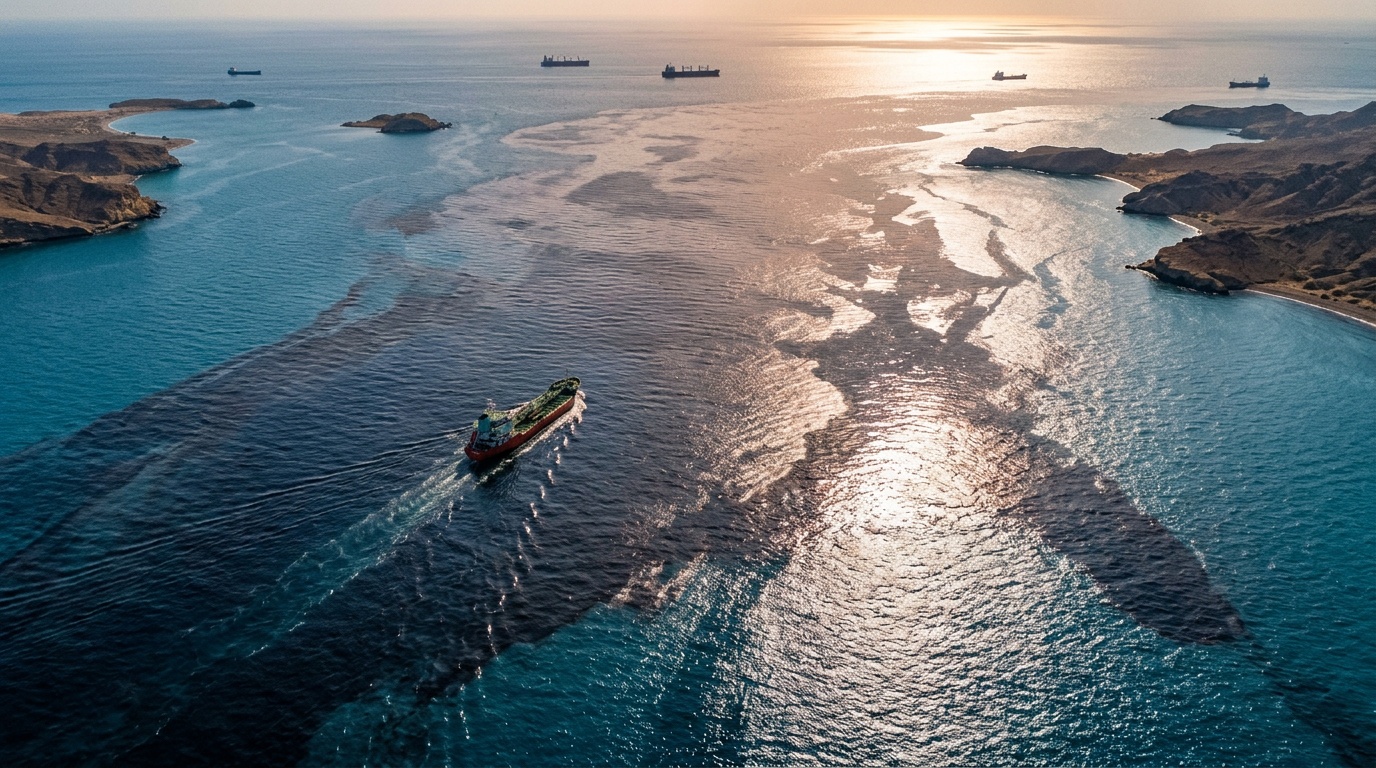
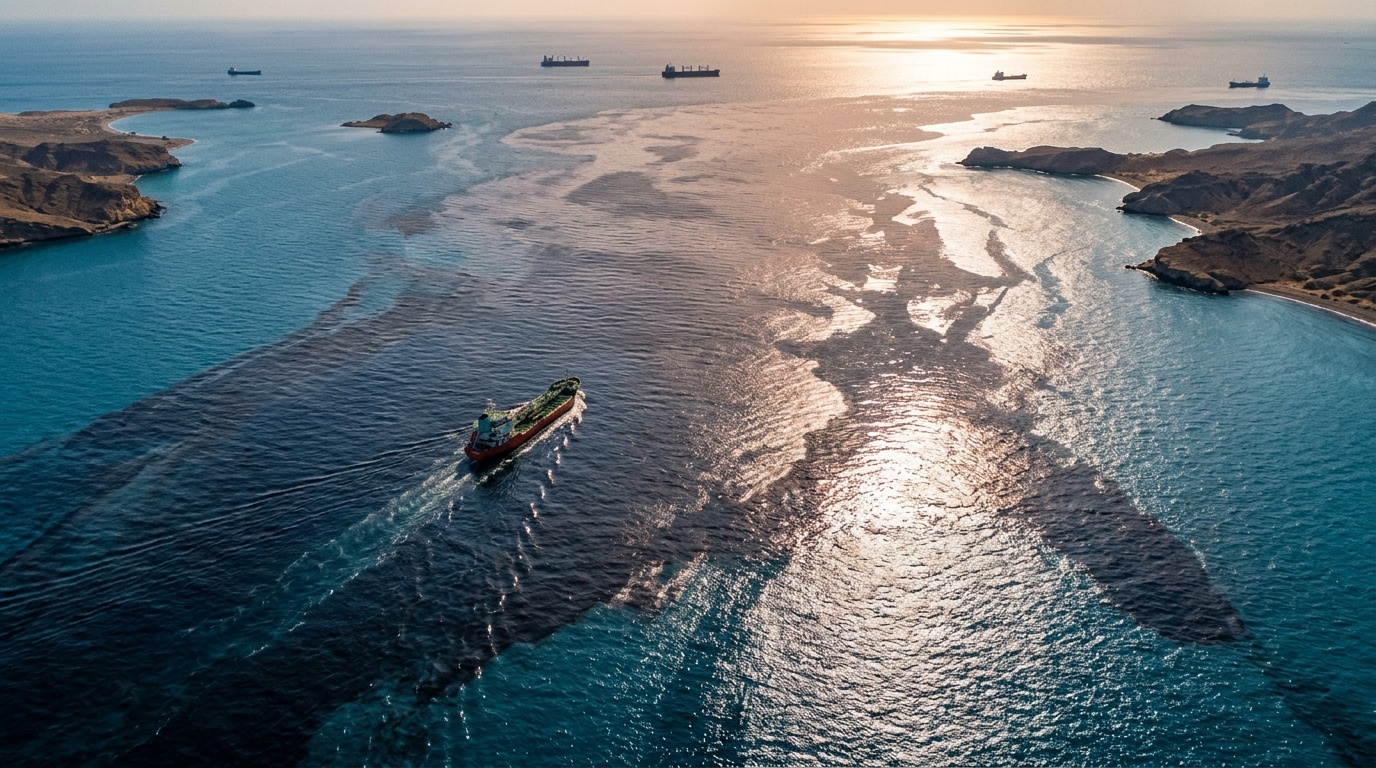
Esmaeil Baqaei, the spokesperson for Iran's Ministry of Foreign Affairs, took to X late Wednesday to call out the environmental damage in the Strait of Hormuz. Videos have been circulating showing oil pollution along the shores of Qeshm Island, and preliminary evidence points to a "foreign bulk carrier" as the culprit.
Baqaei didn't mince words. He noted that contamination has been documented at three coastal sites and across parts of the sea surface. This isn't an isolated incident, either. He pointed out that the Persian Gulf and the Sea of Oman have seen numerous pollution events over the years, causing damage estimated at "trillions of dollars" to Iran's coastal regions.
His argument is straightforward: anyone who benefits from shipping through the Strait of Hormuz shares responsibility for the environmental harm. That includes energy-consuming nations, insurers, and military aggressors. Iran, with the region's longest coastline, "cannot remain indifferent" to the pollution, he said, adding that stakeholders have both a legal and moral duty to help remediate the damage.
Oil Spill Threatens Qeshm and Oman
The immediate concern is the oil slick reaching mangrove forests near Naqasheh on Qeshm Island's southern coast. Authorities are monitoring the situation and have begun cleanup efforts, though the source of the pollution remains unidentified. Officials are assessing how far it has spread and trying to prevent further contamination of the mangroves, according to Iran International.
Maritime intelligence firm TankerTrackers.com has a different take. The firm said the Qeshm pollution likely came from oil spilled after the Minoan Pioneer was attacked off Oman on Aug. 3. In a post on X, TankerTrackers suggested the spill was a "self-inflicted wound by Iran," noting that the oil drifted across the strait back to Iran's shores.
Meanwhile, a separate and potentially larger disaster is unfolding. The sanctioned tanker Caroline Bezengi, carrying around 800,000 barrels of Russian crude, ran aground on June 30 and its oil is now reaching Oman's coastline. Oman's environment agency warned that up to 40 km of coast near Ras Madraka and Masirah Island could be affected, Reuters reported Wednesday.
The Caroline Bezengi had first reported trouble off Yemen on June 8 following a suspected blast and was traveling through two active conflict zones. The response is being complicated by war and sanctions rules. The IOPC Funds' rules exclude compensation for pollution damage caused by an act of war or hostilities, which could make it harder for Oman to recover cleanup costs.
Hormuz Standoff Deepens Oil Supply Crisis
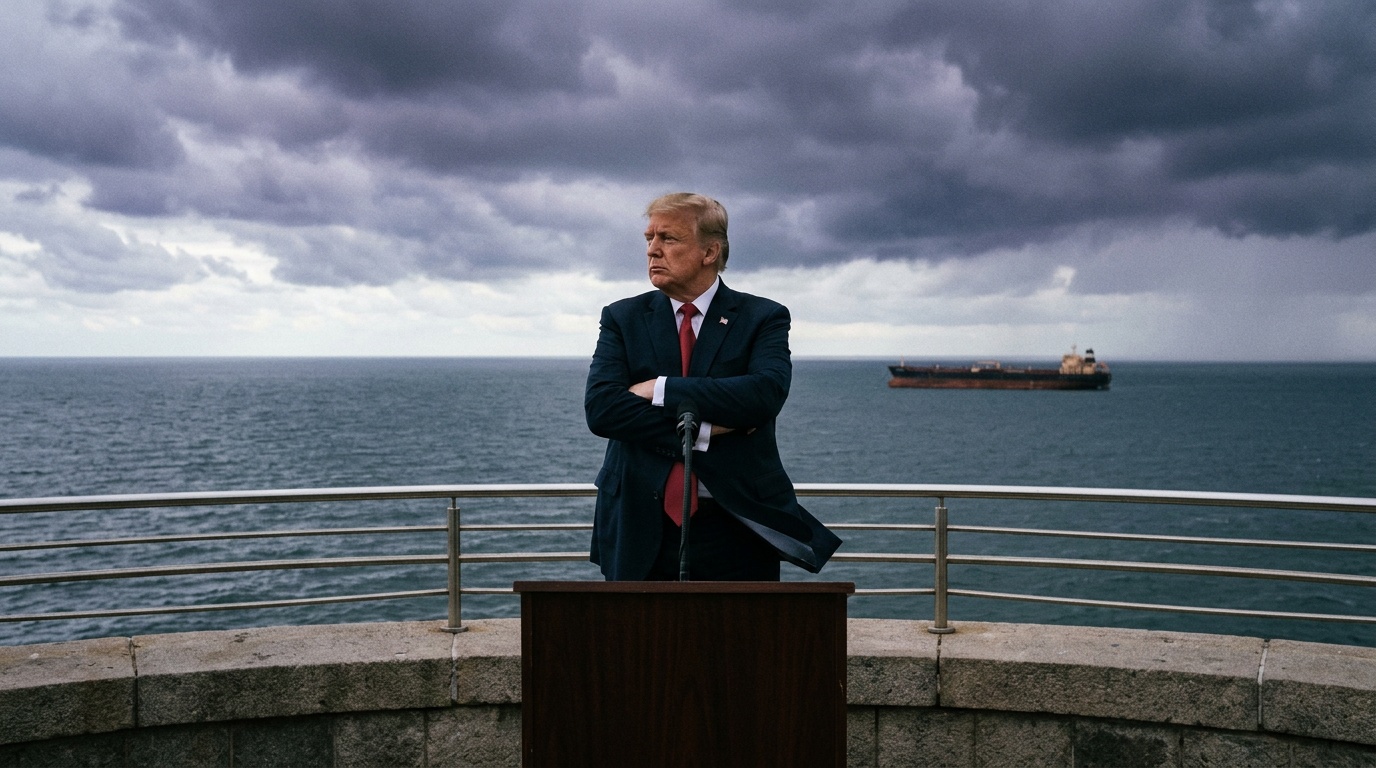
On Wednesday, the Persian Gulf Strait Authority (PGSA) pushed back against President Donald Trump's claims that the U.S. had total control over the Strait of Hormuz. The authority asserted that the waterway remained closed and "will not be reopened until Iran's conditions are accepted."
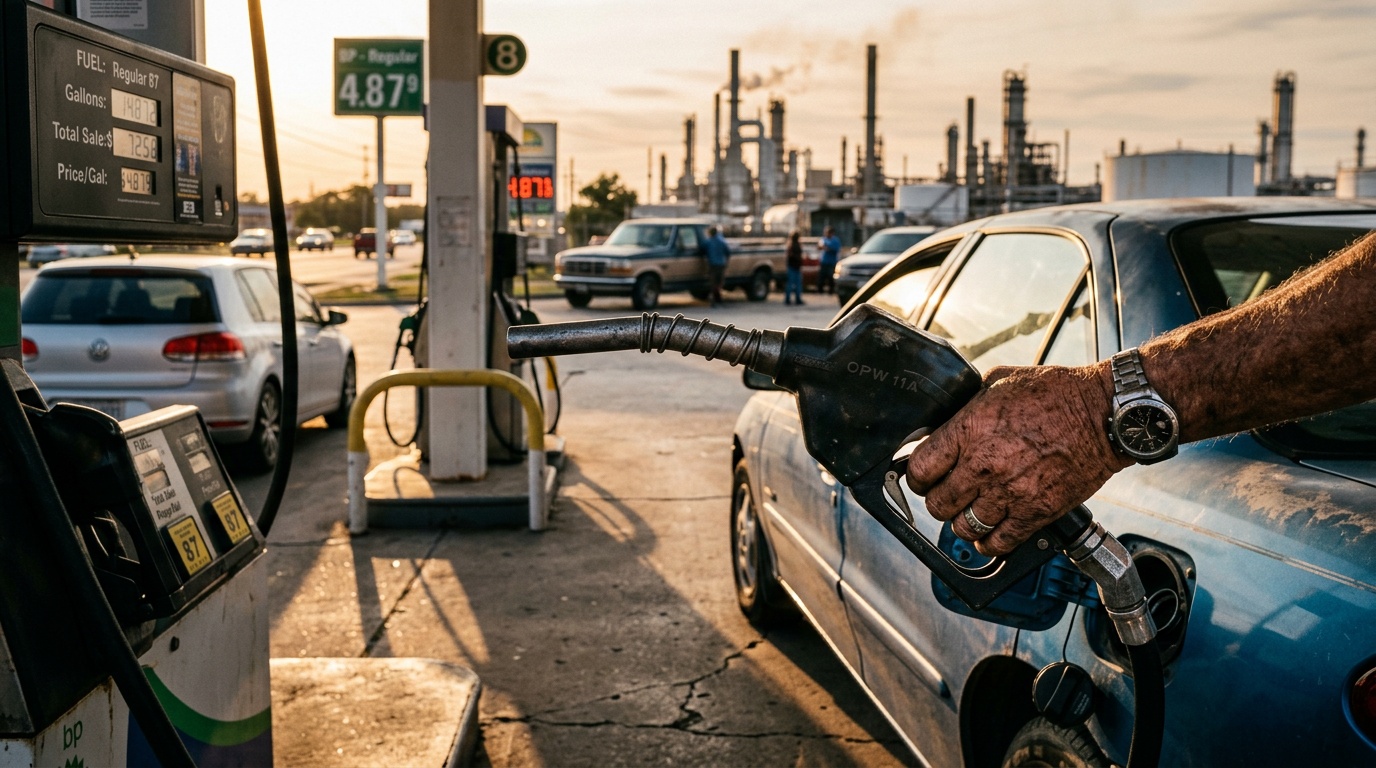
The standoff is having real consequences for global oil markets. The International Energy Agency (IEA) expects global oil supply to fall by 4.3 million barrels per day, or about 4%, this year, as renewed hostilities in the Middle East disrupt production and shipping. This is deepening an oil market deficit, according to Reuters. The renewed fighting after the U.S.-Iran ceasefire has been followed by tanker attacks in the Strait of Hormuz and Houthi attacks in the Red Sea.
At the time of writing, Brent crude oil futures were trading 0.04% lower at $88.93 per barrel, while WTI crude futures were trading 0.17% lower at $83.13 per barrel.
Disclaimer: This content was partially produced with the help of AI tools and was reviewed and published by MarketDash editors.