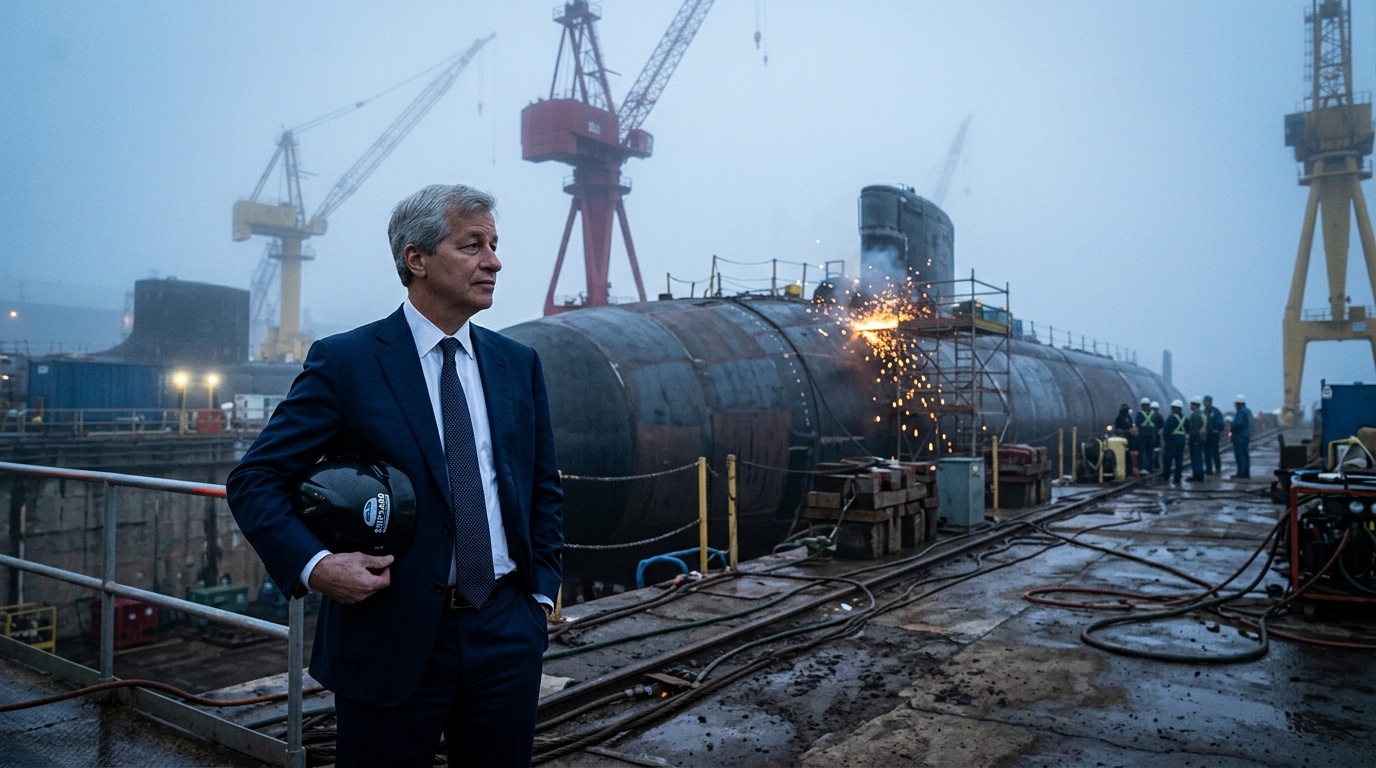
Jamie Dimon, the CEO of JPMorgan Chase (JPM), is putting his money where his mouth is when it comes to American manufacturing. On Thursday, he announced a $24 million initiative aimed at breathing new life into the U.S. shipbuilding industry, with a focus on submarine production and maritime supply chains.
The package includes $18 million in loans and $6 million in grants. The biggest chunk will go toward Rhoads Industries' construction of a new submarine manufacturing facility at the Philadelphia Navy Yard. Some of the money will also be used to expand lending to maritime-related small businesses and strengthen the region's supply chain.
Dimon didn't hold back on the symbolism. "The arsenal of democracy has been reignited," he told CNBC. He also highlighted the role of Hanwha Group, a South Korean conglomerate with a U.S. vessel-making subsidiary, which is already operating at the Philadelphia Navy Yard. "People said it couldn't happen, but here you have Hanwha shipbuilding at the Philadelphia Navy Yard," Dimon said.
This $24 million move is part of JPMorgan's broader $1.5 trillion, 10-year Security and Resiliency Initiative, launched in 2025. That program aims to modernize U.S. infrastructure and strengthen supply chains, with up to $10 billion in direct equity and venture capital investments to help select U.S. companies expand and innovate.
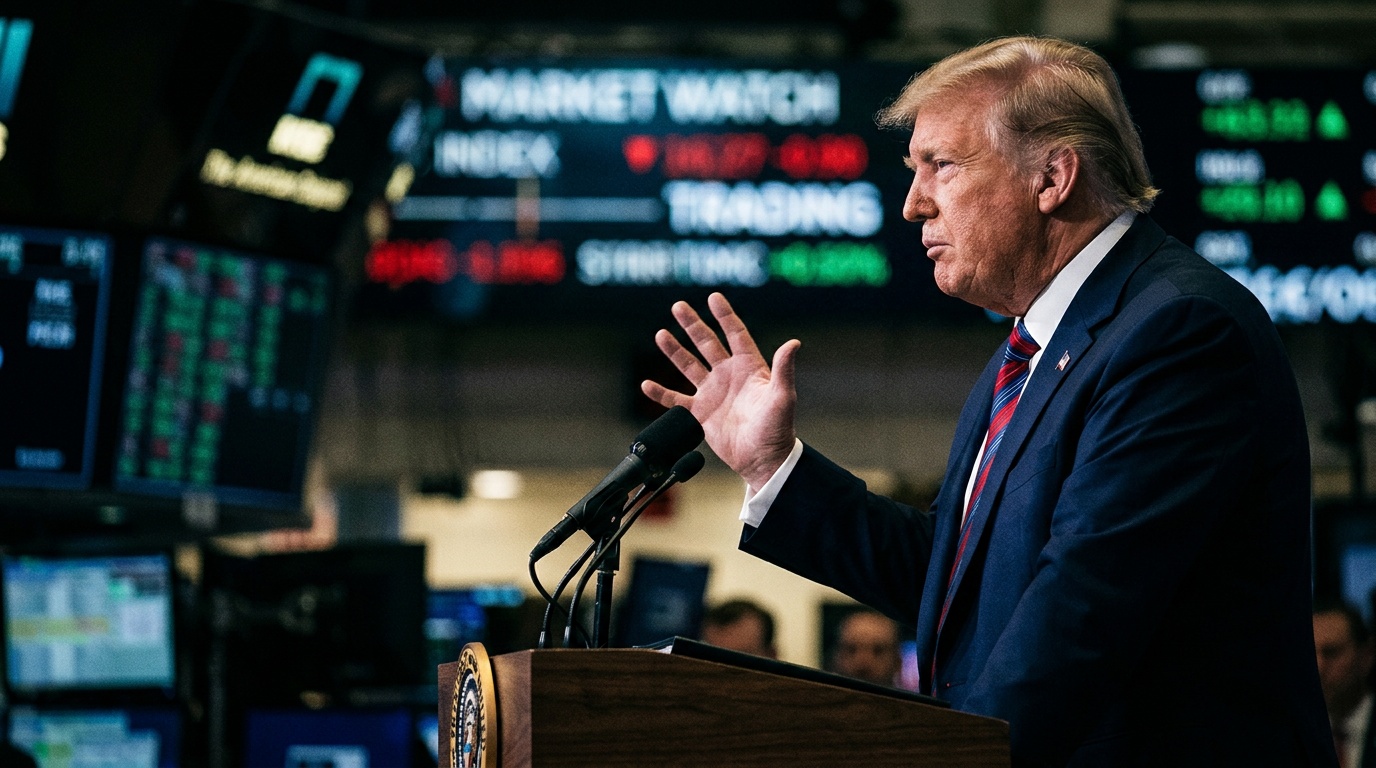
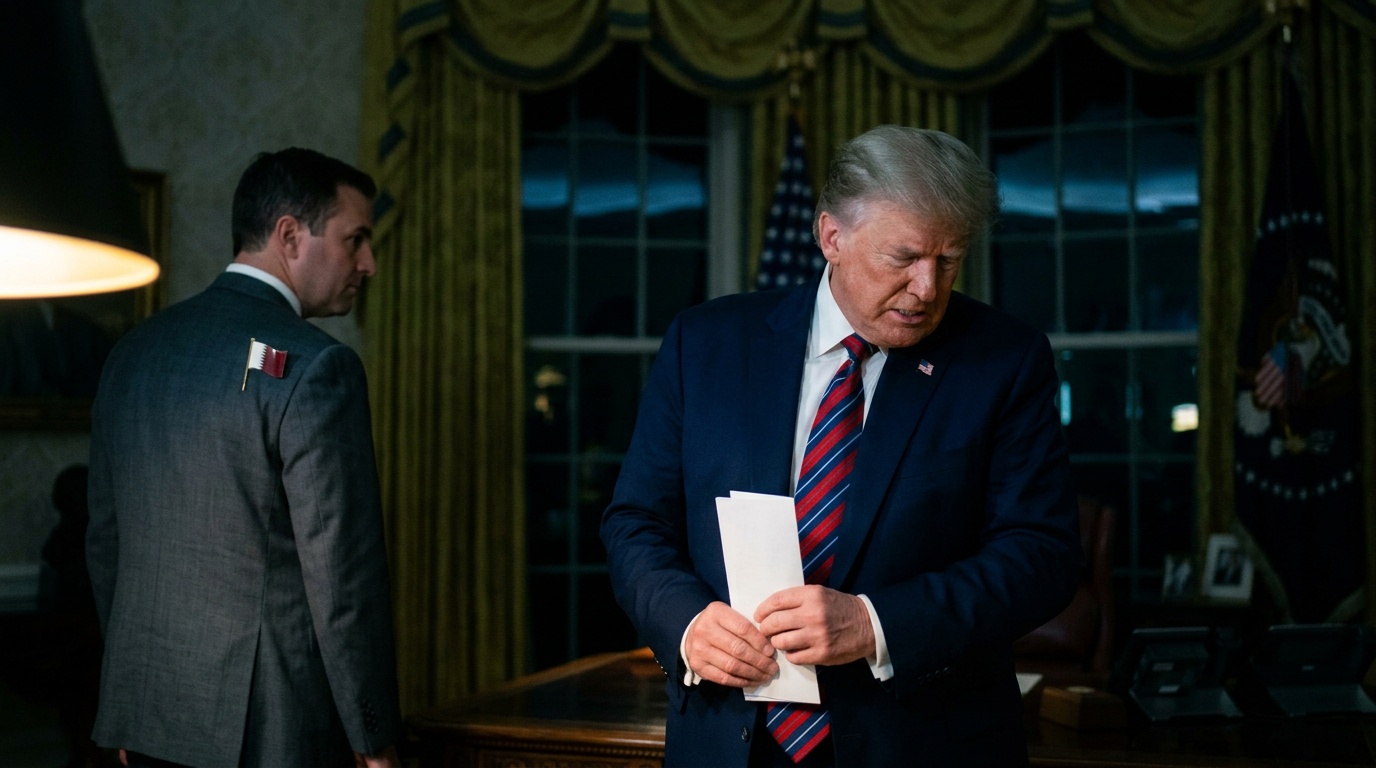
The timing is no coincidence. On Wednesday, President Donald Trump announced nearly $10 billion in new defense investments in Pennsylvania at Senator Dave McCormick's Defense and Innovation Summit. Trump said the projects will create more than 4,000 jobs. The investments include a $2.5 billion agreement between Rhoads Industries and General Dynamics (GD) to support Navy submarine construction, plus $1.5 billion in new National Security Multi-Mission Vessel ship orders.
Trump added that defense spending in Pennsylvania has already risen 20-25% since he returned to office and is expected to hit $19-$20 billion with the latest investments. The backdrop? Rising geopolitical tensions, with conflicts in the Middle East and Ukraine pushing governments to boost defense spending and shore up domestic manufacturing.
This isn't the first time Hanwha has made waves in Philadelphia. In December, Trump announced that Hanwha Ocean would build a new class of U.S. Navy warships at its Philadelphia shipyard as part of a U.S.-South Korea trade deal and a $5 billion investment. Dubbed the "Trump-class battleships," these vessels are expected to pack advanced weaponry, including hypersonic missiles, electronic rail guns, and high-powered lasers.
So, what's the takeaway? Dimon and Trump are both betting big on American shipbuilding, and the Philadelphia Navy Yard is ground zero. For retail investors, it's worth watching how these investments ripple through the defense and manufacturing sectors. If the "arsenal of democracy" is truly being reignited, companies like General Dynamics and Hanwha's U.S. operations could be in for a long-term boost.