Iran is pointing fingers at the United States, accusing Washington of breaking the Islamabad Memorandum just weeks after it was signed. Esmaeil Baghaei, the spokesperson for Iran's Foreign Ministry, said Monday that the U.S. has "dismantled" key parts of the agreement within a month, leaving the memorandum in what he called "a period of crisis."
Speaking at a press conference in Tehran, Baghaei insisted that Iran had always negotiated in good faith and had never been the first to breach its commitments, according to WANA News Iran. He also criticized the U.S. and Israel for trying to portray themselves as victims, arguing that the real aggressors are not being held accountable.
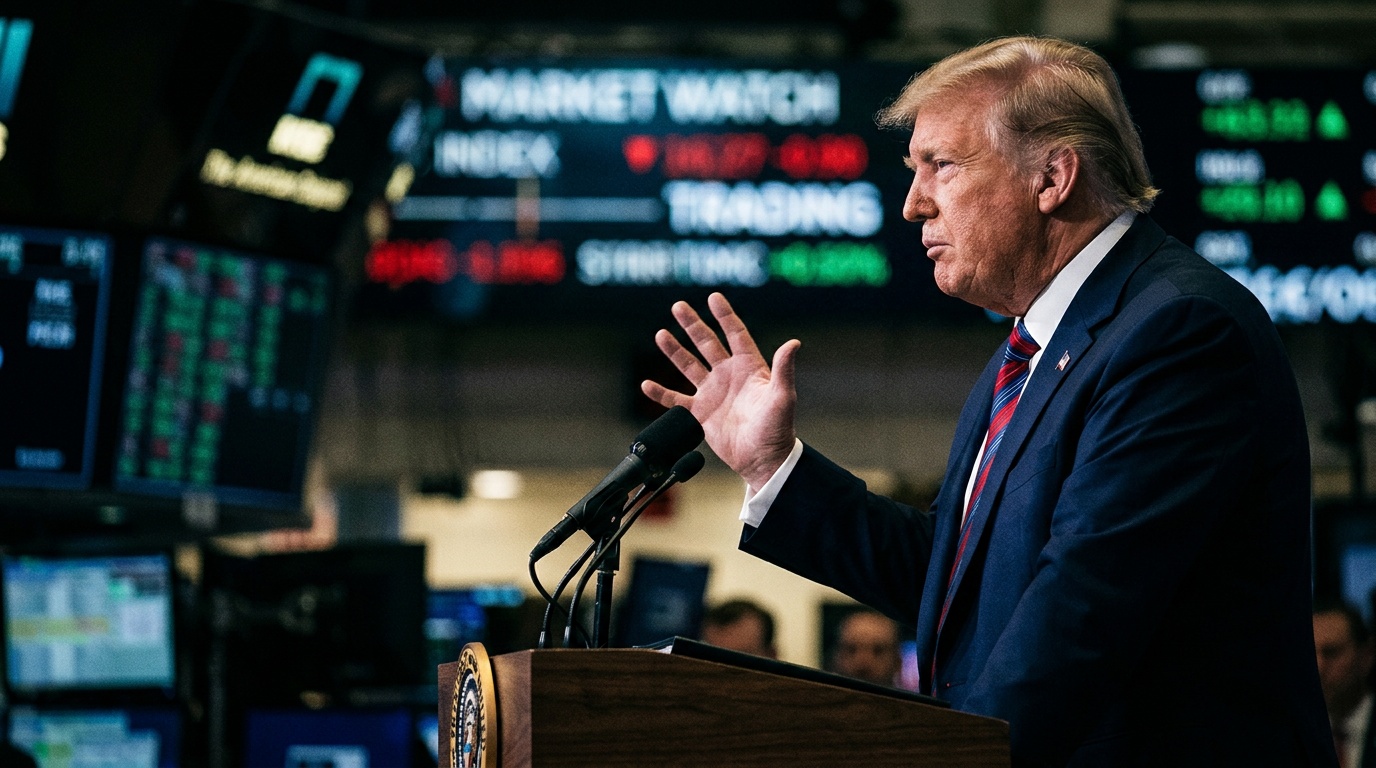
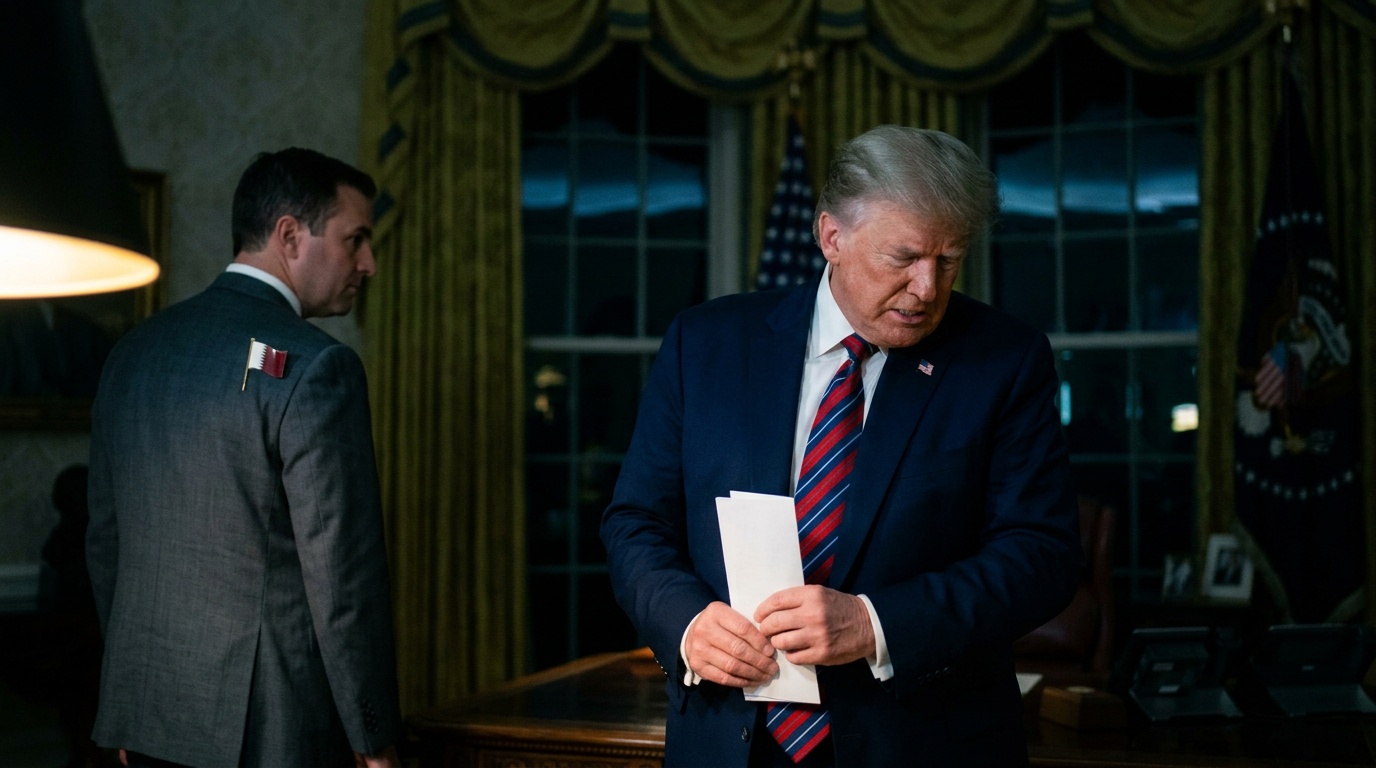
Baghaei specifically pushed back on President Donald Trump's claim that Iran had agreed to all issues in Muscat—including nuclear matters and the Strait of Hormuz—only to allegedly attack ships two hours later. Baghaei called that a lie, clarifying that the Muscat talks were exclusively about the Strait of Hormuz and nothing else.
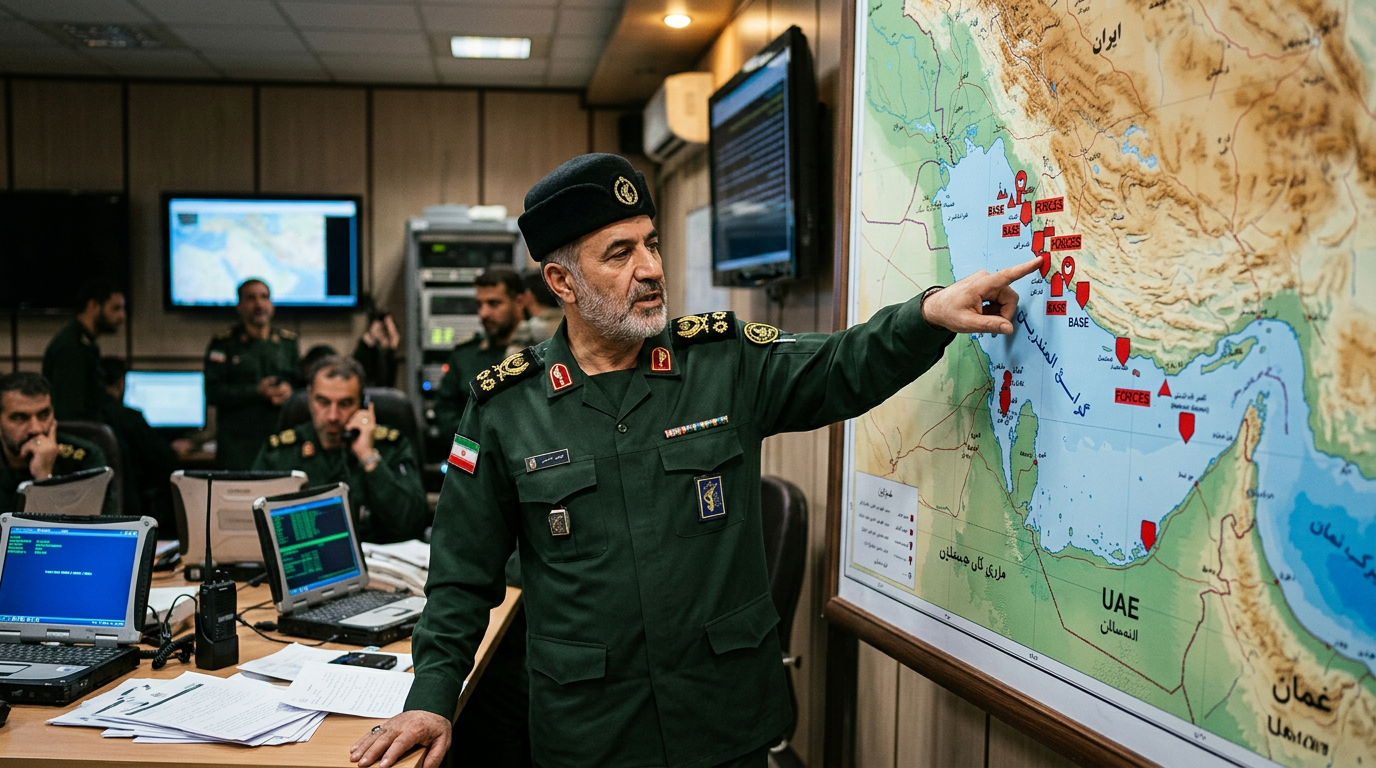
He then dropped a warning: U.S. military bases in the Persian Gulf remain potential targets for airstrikes. He also cautioned that U.S.-led efforts to escort commercial ships through the Strait of Hormuz could actually make things worse, heightening regional insecurity and putting vessels at greater risk.
The rhetoric comes as tensions in the region continue to boil over. The U.S. Central Command (CENTCOM) recently launched a fresh wave of offensive strikes against Iran, hitting air-defense systems, coastal radar sites, missile and drone capabilities, and small boats. Iran, for its part, has reportedly targeted U.S. military assets in Jordan, Oman, Kuwait, and Bahrain. It also claims to have closed the Strait of Hormuz after accusing a vessel of transiting without authorization.
On Sunday, Baghaei urged the United Nations to stop letting the U.S. use its territory for military operations against Iran, arguing that Iran is being unfairly blamed for defending its sovereignty while the actual aggressors walk free.
In a tweet on July 12, Baghaei framed the conflict not as a "military confrontation" but as a continuation of what he called "a blatant and unprovoked act of aggression initiated on 28 February by the United States and Israel." He added that Iran's strikes on U.S. bases are defensive actions under Article 51 of the UN Charter.
So where does this leave things? The Islamabad Memorandum—whatever was left of it—looks shaky, and the Strait of Hormuz remains a flashpoint. For now, both sides are digging in, and the region is bracing for what comes next.