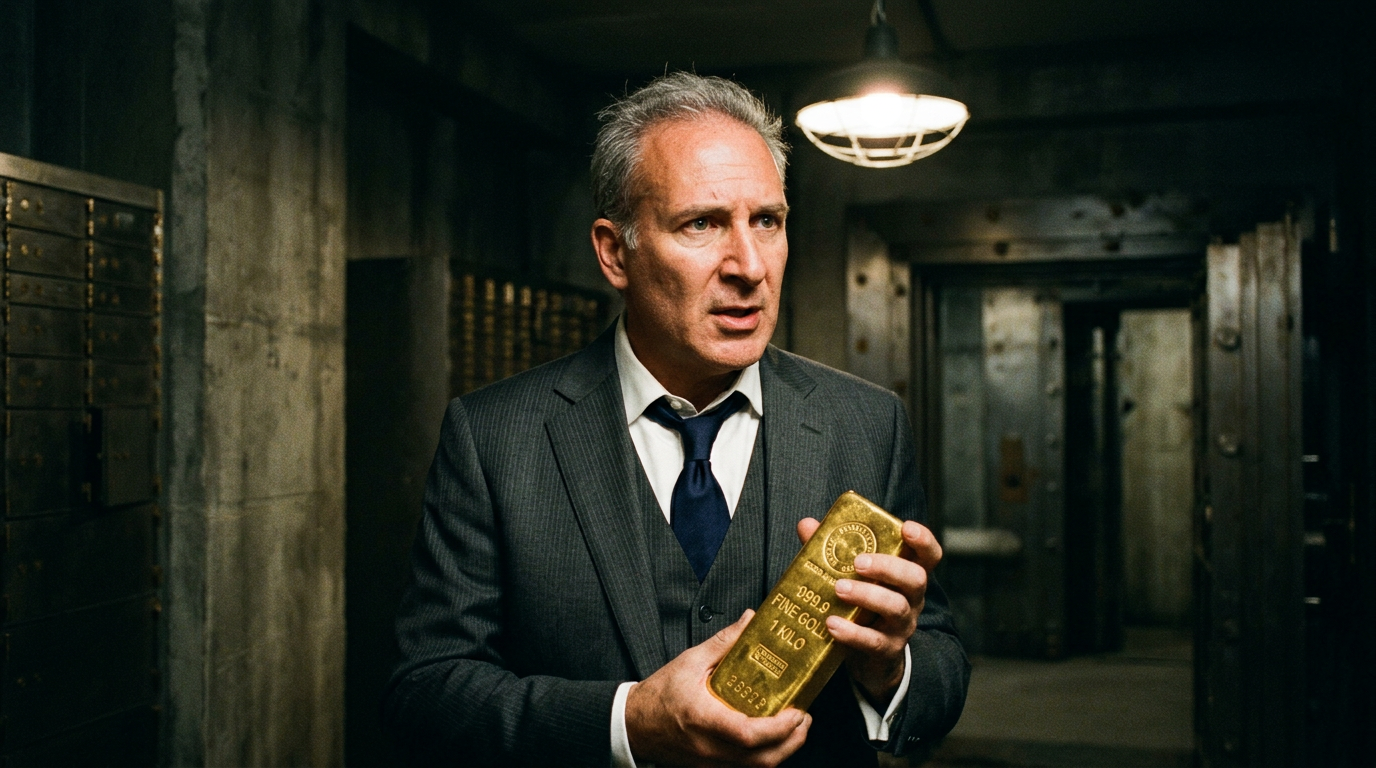
Veteran investor Peter Schiff has a message for anyone betting against gold right now: you might want to rethink that.
In a post on X Sunday, Schiff argued that traders are drawing exactly the wrong lesson from gold's recent decline amid the escalating conflict between the U.S. and Iran. The precious metal has been sliding even as tensions spike — a move that Schiff says is conditioning traders to believe "war is now bearish for gold."
He warned that shorts "will be in for a world of hurt when they are blindsided by the reality that the opposite is true," adding that "conditions are set for a huge rally."
It's a contrarian take, but Schiff has been a longtime gold bull, and he's not backing down now.
Gold ETFs Slip Despite Rising Tensions
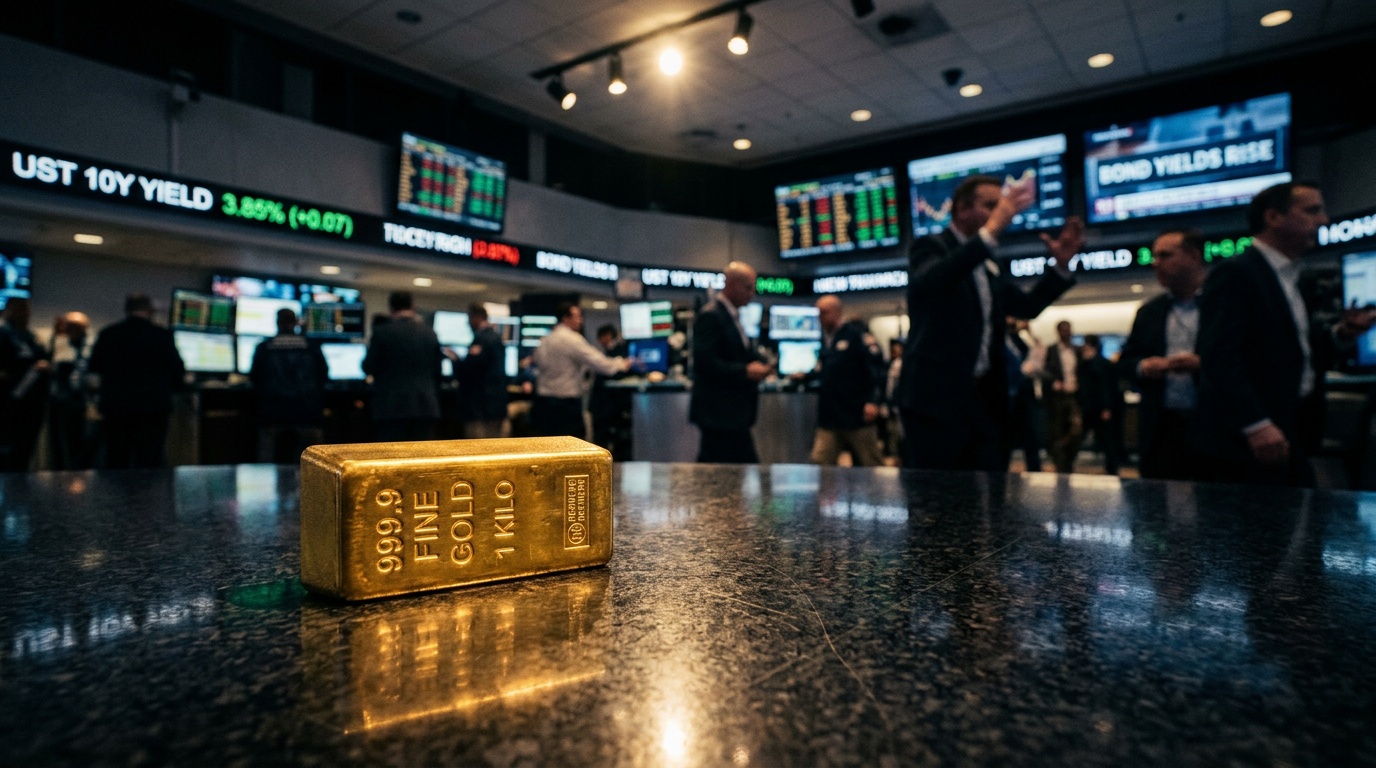
Spot gold was trading at $4,072.62 an ounce at the time of publication, down 5.50% from recent highs but still up 21.83% year-over-year. U.S. gold futures for August delivery fell 0.94% to $4,075.70 an ounce.
The selloff has hit gold ETFs across the board. The SPDR Gold Shares ETF (GLD), which holds $188.10 billion in assets and charges a 0.40% expense ratio, has fallen 5.34% year-to-date, though it's up 22.40% over the past year. The iShares Gold Trust ETF (IAU), with $61.46 billion in assets and a 0.25% expense ratio, is down 5.27% year-to-date but up 22.54% over 52 weeks.
The SPDR Gold MiniShares Trust (GLDM), a lower-cost option with $27.70 billion in assets and a 0.10% expense ratio, has lost 5.19% year-to-date and returned 22.74% over the past year. The abrdn Physical Gold Shares ETF (SGOL) and iShares Gold Trust Micro Shares (IAUM) have each dropped over 5.20% year-to-date while still delivering more than 22% returns over the past year.
Gold has historically been a go-to hedge during geopolitical turmoil, but the current U.S.-Iran conflict has flipped that script — at least for now.
Iran Conflict Keeps Markets on Edge
The latest escalation came after a fourth round of U.S. strikes against Iran in the past week, following Tehran's targeting of a commercial vessel in the Strait of Hormuz. Iran retaliated with attacks on U.S. military facilities in several Gulf countries. U.S. Central Command has stated that the strategic waterway remains open, despite Iranian claims it had been closed.
The Strait of Hormuz is a critical chokepoint, carrying roughly one-fifth of the world's traded oil and natural gas. Any disruption there sends ripples through commodity and financial markets — and that's exactly what's happening.
Higher Oil, Rate Fears Weigh on Gold
So why isn't gold rallying? The answer may lie in oil. Rising crude prices are reinforcing expectations that the Federal Reserve will keep interest rates higher for longer to combat inflation. That dynamic is offsetting gold's traditional safe-haven appeal, as higher rates increase the opportunity cost of holding non-yielding assets like gold.
Schiff, however, sees this as a temporary mispricing. In his view, the market is underestimating the long-term implications of the conflict, and once reality sets in, gold could surge.
Price Action: GLD closed 0.31% lower on Friday at $377.01, but edged up 0.24% in extended trading. MarketDash data shows GLD has a Momentum score in the 33rd percentile, with negative price trends across short, medium, and long-term timeframes.
Whether Schiff's prediction plays out remains to be seen, but for now, gold investors are watching the Middle East — and the Fed — more closely than ever.