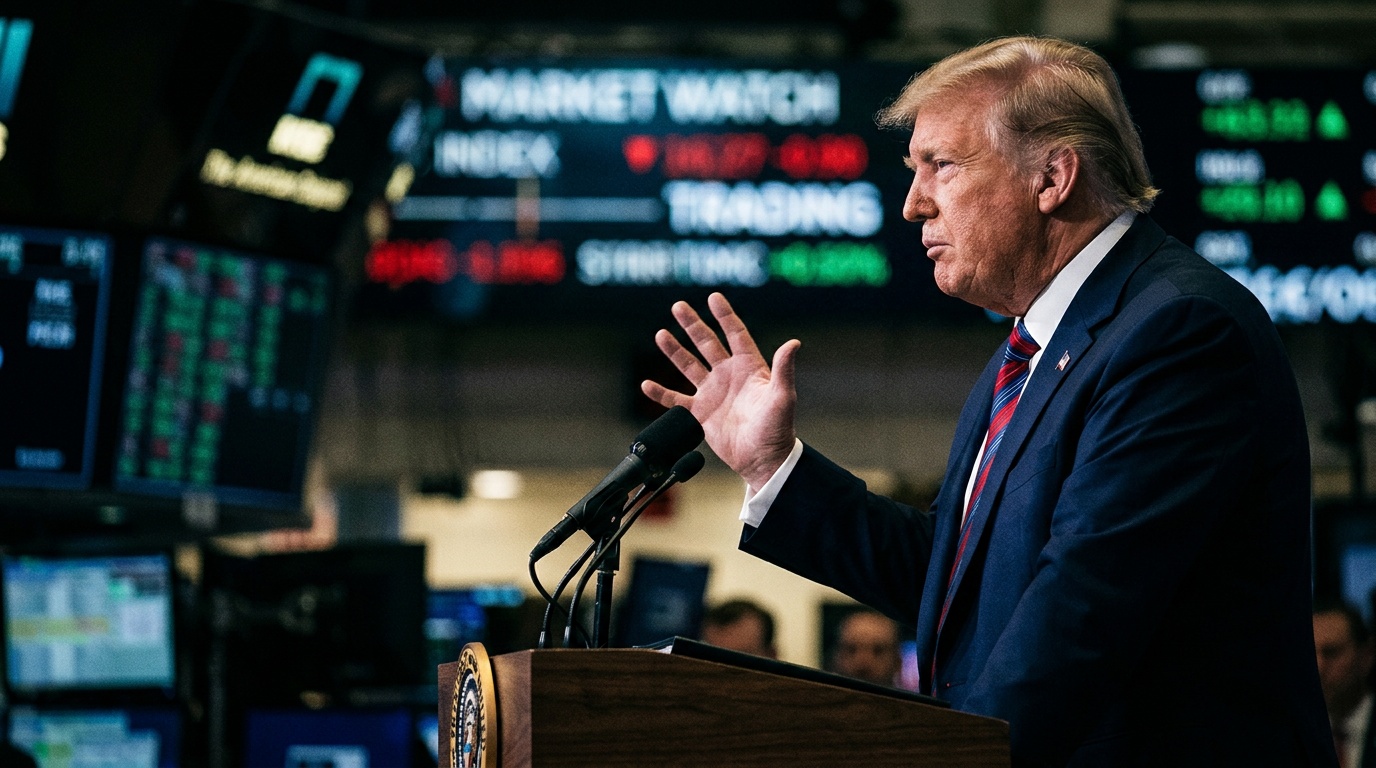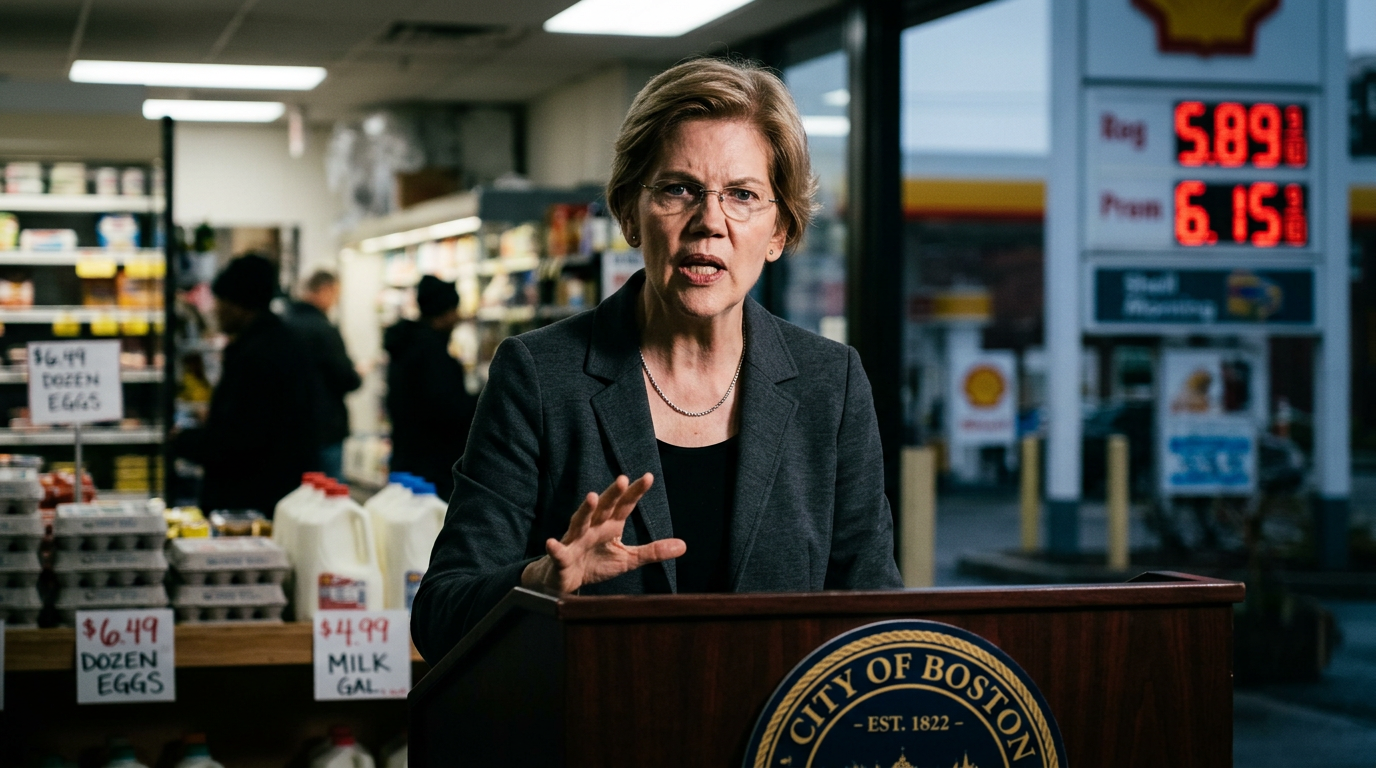
Senator Elizabeth Warren (D-Mass.) is pointing fingers at President Donald Trump's tariffs after new data showed inflation hitting a three-year high. In a Saturday post on X, Warren highlighted that prices for health care, food, gas, and housing all rose in May, and she didn't mince words about who she thinks is responsible.
"Inflation just hit a 3-year high, nearly double what it was before Trump's tariffs," Warren wrote. "Health care, food, gas, and housing—all up in May. Americans deserve lower costs, but Trump is raising them."
Warren isn't alone in her criticism. Other Democratic leaders have also taken to social media to slam the administration's economic policies as inflation continues to climb.
Illinois Governor JB Pritzker noted that inflation has reached 4% and accused Trump of being more concerned with personal vanity projects than with helping Americans cope with rising costs. "What is Donald Trump focused on? His reflecting pool, his ballroom, and his arch," Pritzker said. "Remember, he doesn't care about your financial situation."
House Minority Leader Hakeem Jeffries (D-N.Y.) chimed in, saying inflation is at a three-year high and gas prices are "out of control." He also criticized what he called a "reckless war of choice with Iran." Jeffries concluded, "Republicans have failed the American people. We will not."
Representative Ted Lieu (D-Calif.) pointed to the core PCE inflation rate—the Federal Reserve's preferred measure—which rose to 3.4%, its highest since October 2023. He listed what he called Republican distractions, including "erecting a giant arch to honor Trump" and putting Trump's face on passports, and ended with a warning: "November is coming."
The inflation data comes after a report showing that the overall inflation rate rose to 3.8% in April, the highest since May 2023. Energy prices were a major culprit, with the energy index surging 17.9% annually as gasoline, fuel oil, and electricity all posted sharp gains. Shelter costs also accelerated, adding further pressure.
Treasury Secretary Scott Bessent defended the administration's trade strategy, arguing that inflation is being driven more by domestic services than by tariffs. He said the government had "rebooted the tariff program" under a temporary 10% global baseline while broader supply chain reviews continue.
For now, the debate over who's to blame for rising prices is likely to intensify as the midterm elections approach. But for Americans feeling the pinch at the grocery store, the gas pump, and the pharmacy, the numbers speak for themselves.