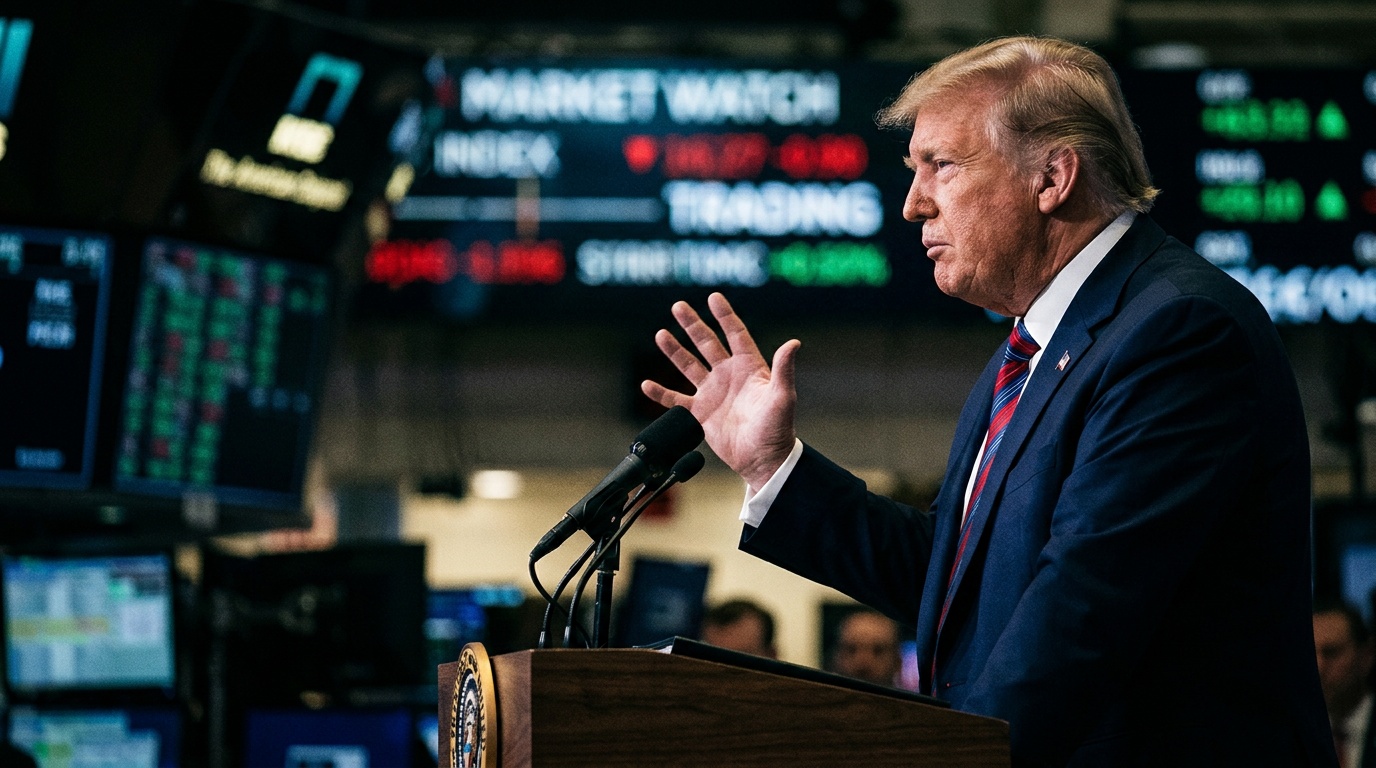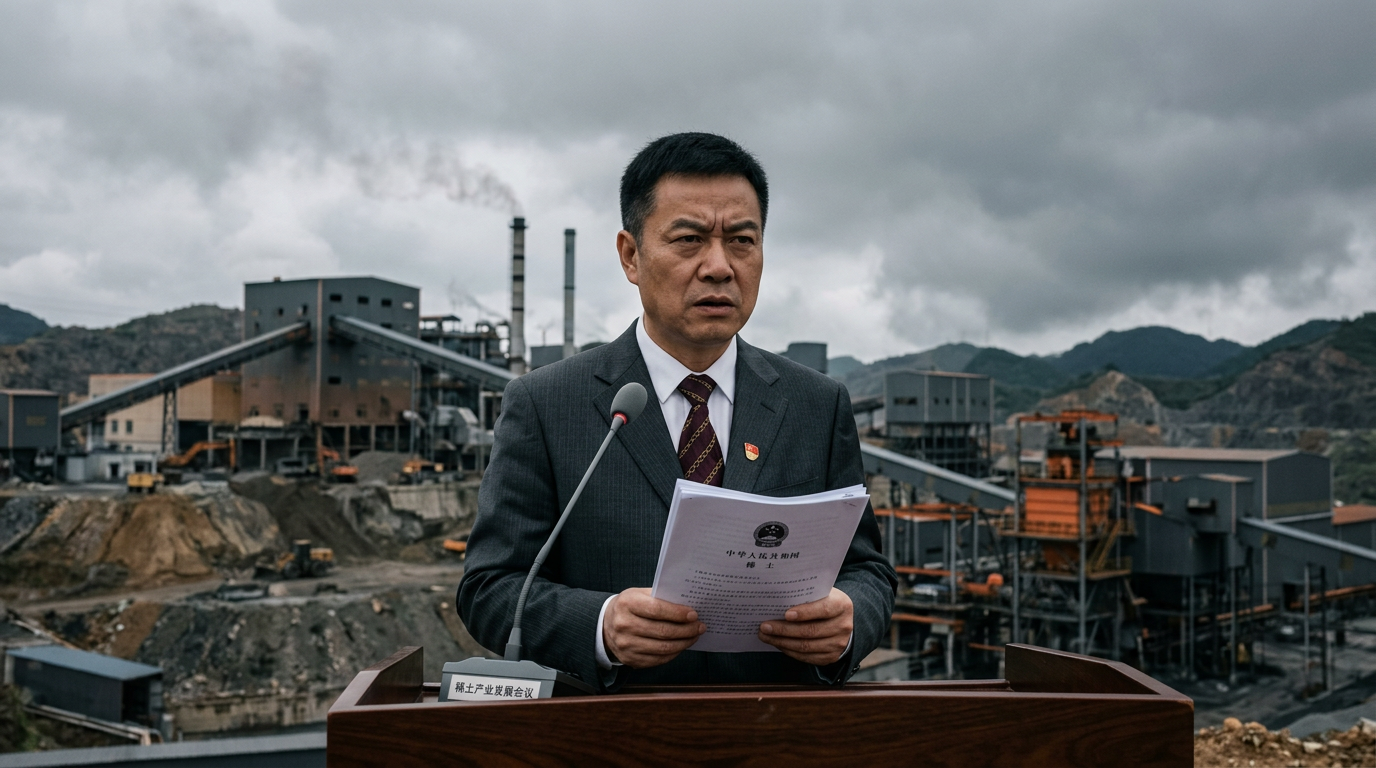
Beijing turned up the heat on Monday by slapping export controls on ten American industrial suppliers, including rare earth miners and drone manufacturers. It's the latest salvo in the ongoing trade war between the world's two largest economies.
China's Ministry of Commerce published a list of targeted U.S. companies that reads like a who's who of critical minerals and defense tech: MP Materials Corp. (MP) and USA Rare Earth Inc. (USAR) are on it, alongside drone makers Teal Drones and Jaia Robotics. Also caught in the net are California-based electronics manufacturer Aveox Inc., Ball Aerospace & Technologies Corp., and military vehicle supplier Oshkosh Defense. The new rules prohibit exports of any dual-use items — goods that can be used for both civilian and military purposes — originating in China to these firms.
The Ministry framed the restrictions as a necessary response to what it called the "U.S. government's malicious practice" and said they are meant to protect national security and fulfill international obligations like non-proliferation.
In a separate move on Monday, China's Finance Ministry announced it has barred 46 U.S. companies — mostly defense contractors — from bidding on Chinese government procurement projects. But there's a notable carve-out: foreign-funded companies that are registered locally in China and their affiliates are exempt from the ban.
These actions come as the U.S. has been tightening its own screws on Chinese tech. Earlier this month, the Pentagon expanded its blacklist of companies suspected of ties to China's military, adding names like Alibaba Group (BABA), Baidu Inc. (BIDU), and BYD Co. Ltd. (BYDDY). That blacklist prevents the Department of Defense from contracting directly with those companies or buying their products through third parties.
At the same time, the Trump administration has reportedly hit the brakes on adding Chinese AI firm DeepSeek, memory chipmaker ChangXin Memory Technologies (CXMT), and over 100 other Chinese companies to the U.S. Commerce Department's Entity List — even though an interagency committee approved the additions last year. According to Reuters, the delay means those companies remain off a blacklist that would severely restrict their access to U.S. goods, software, and technology. The U.S. hasn't announced new Entity List additions since October, marking the longest pause in updates in over a decade.
So how worried should the targeted U.S. companies be? Not very, according to Han Shen Lin, China country director at the consultancy The Asia Group. He told CNBC that Beijing's response appears "largely symbolic" rather than a major escalation, since most of the targeted companies have little to no significant business presence in China. In other words, China is sending a message — but the practical impact may be limited.