Iran's Foreign Minister Seyed Abbas Araghchi announced Sunday that the U.S. will lift its naval blockade of the Strait of Hormuz after the first round of U.S.-Iran talks concluded in Switzerland. The announcement came via a post on X, where Araghchi shared details from a joint statement following the talks in Burgenstock, Switzerland, which also included Vice President JD Vance.
"Tireless Pakistani and Qatari mediation has delivered major progress to end Lebanon War," Araghchi wrote. "Oil and petrochem exports are waived, blockade lifted, some frozen assets released, and major reconstruction & development plan launched for Iran. 1st real test: Lebanon deconfliction cell."
The Memorandum of Understanding (MoU) signed by the U.S. and Iran includes a $300 billion reconstruction fund for Iran following the war that began on February 28 after a joint U.S.-Israeli operation that resulted in the death of Iran's former Supreme Leader Ayatollah Ali Khamenei.
The joint statement says a "high-level" committee will provide "political oversight" on the mediation, and all parties agreed to a "roadmap" to reach a deal within 60 days. It also announces the creation of a "de-confliction cell" for Lebanon to ensure no military operations occur there in line with the MoU's terms. "Talks will continue for the remainder of the week" in Burgenstock, the statement said.
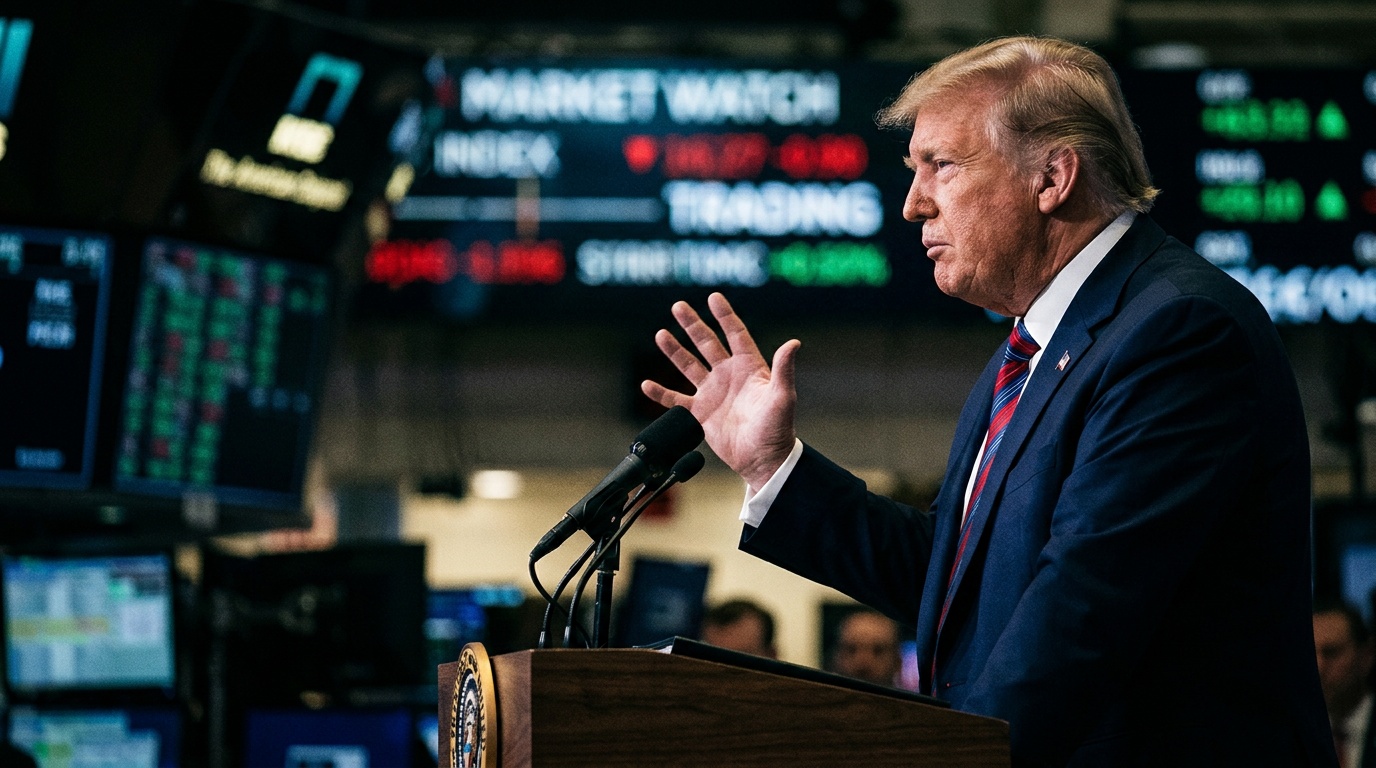
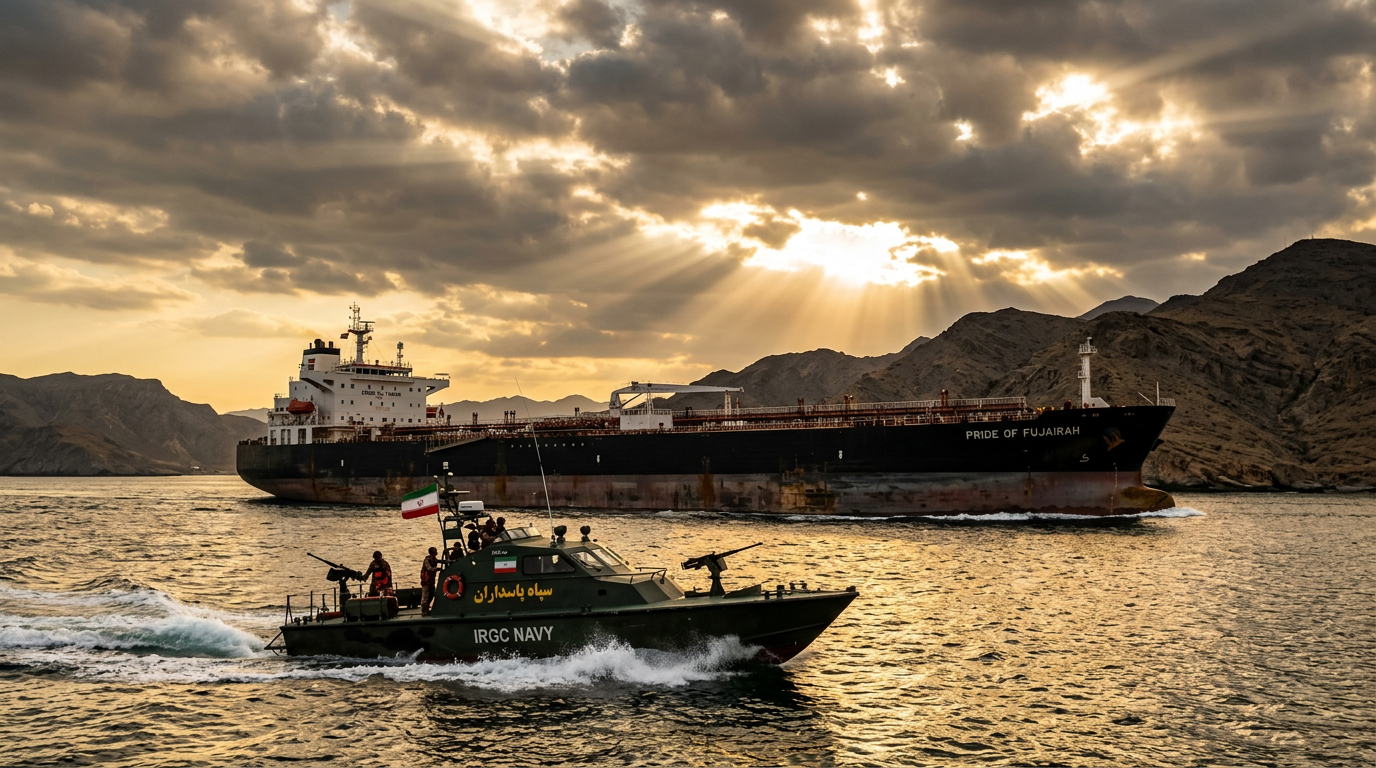
The talks had been under a cloud of uncertainty after President Donald Trump threatened to take control of the Strait of Hormuz and launch fresh strikes against Iran over Hezbollah's actions in Lebanon. Those threats reportedly caused the Iranian delegation to leave the Burgenstock talks in protest. Trump had also said the U.S. would collect tolls at the Strait if no deal was reached. Meanwhile, maritime traffic through the Strait had fallen sharply after Iran announced its closure.
The latest developments suggest a significant de-escalation, with the U.S. apparently backing away from its hardline stance in exchange for Iran's cooperation on Lebanon and other issues. The 60-day roadmap will be closely watched by markets, given the Strait of Hormuz's critical role in global oil shipments.