The U.S. Supreme Court on Monday handed a significant defeat to the pharmaceutical industry by declining to hear challenges to the Medicare drug price negotiation program, a key piece of former President Joe Biden's Inflation Reduction Act. The decision leaves lower-court rulings in place that sided with the federal government, allowing the program to continue without further legal hurdles from the industry.
The justices rejected appeals from a group of drugmakers including Novo Nordisk (NVO), AstraZeneca Plc (AZN), Bristol-Myers Squibb Co. (BMY), Novartis (NVS), and Janssen Pharmaceuticals, a unit of Johnson & Johnson (JNJ). The companies had argued that the program amounted to government-imposed price controls that would stifle innovation and violate constitutional protections for due process, free speech, and property rights.
The Medicare negotiation framework, administered by the Centers for Medicare & Medicaid Services (CMS), allows the agency to negotiate prices directly with manufacturers for certain high-cost medicines covered under Medicare. Companies that refuse to participate face steep excise taxes or the option to withdraw their products from Medicare programs entirely.
Program Expands
The first round of negotiated prices for 10 drugs already took effect this year. Earlier this year, CMS selected 15 additional high-cost drugs for the third cycle of negotiations, including treatments from Eli Lilly And Co. (LLY), Pfizer Inc. (PFE), AbbVie Inc. (ABBV), Gilead Sciences, Inc. (GILD), and Johnson & Johnson. This latest round also marked the first time the program expanded into Medicare Part B, which covers physician-administered drugs.
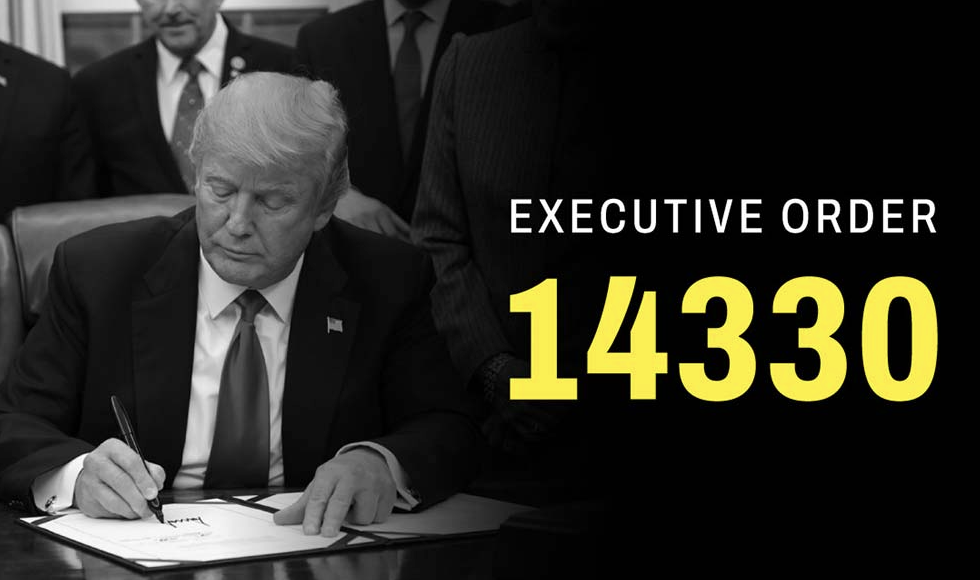
The Trump administration has continued defending the Biden-era pricing mechanism as part of its broader effort to reduce prescription drug costs. CMS previously estimated that negotiated prices from the second cycle could have reduced Medicare spending by roughly $8.5 billion in 2024.
"Under President Trump's leadership, CMS is taking strong action to target the most expensive drugs in Medicare," CMS Administrator Mehmet Oz said in January while announcing the latest negotiation cycle, according to Reuters.
Pricing Debate
White House economists previously estimated that the administration's broader drug-pricing framework could generate roughly $529 billion in savings over the next decade, while Medicaid savings could total approximately $64.3 billion. Sen. Peter Welch (D-Vt.) recently voiced support for the administration's "most favored nation" drug pricing model, calling for Congress to formally advance the proposal.
Reuters noted that Americans pay more for prescription drugs than people in any other country, underscoring the high stakes of the ongoing debate over drug pricing policy.







.jpeg)