If you thought the oil market was just going to bounce back the moment the Strait of Hormuz reopens, think again. GasBuddy analyst Patrick De Haan has a sobering timeline: it will take more than a year and a half to refill global oil inventories after the waterway — currently closed amid the U.S., Israel, and Iran war — finally opens for business.
In a post on X Monday, De Haan laid out a rough rule of thumb: for every day the Strait of Hormuz stays closed, it takes about a week to replenish what was lost. “We’re now at 78 days — so ~78 weeks would put us roughly at November, 2027 to see global oil inventories fully recover,” he said.
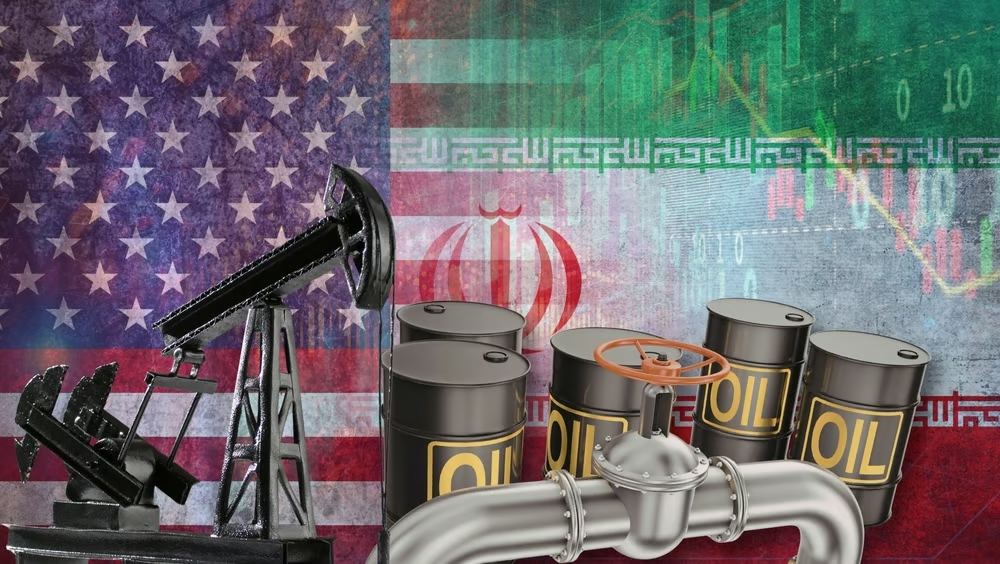
That’s a long time to be running on fumes, literally. The Strait of Hormuz is a critical chokepoint for about 20% of the world’s oil supply, and its closure has sent shockwaves through energy markets. While De Haan’s math is “loose,” as he put it, the message is clear: this isn’t a quick fix.
Gas Prices: Not $6 Yet, But Close
De Haan also weighed in on gas prices, pushing back against fears that U.S. drivers would see $6–7 per gallon by the end of this week. “I definitely don’t see this remotely possible at all,” he said on X. Still, prices are creeping up. The national average for a gallon of regular gas stood at $4.515 on Monday, according to AAA data — a slight uptick from recent days. Diesel averaged $5.631 per gallon, down a bit. And California? Still the outlier, with prices above $6.151 per gallon.
Trump’s Hard Line on Iran
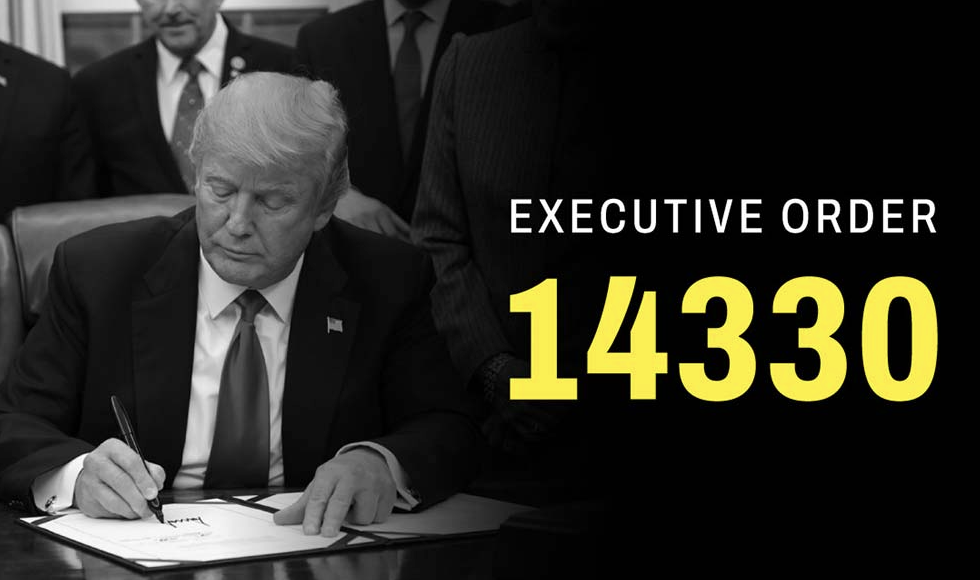
President Donald Trump isn’t softening his stance. After the U.S. rejected a peace proposal from Tehran, Trump posted on Truth Social: “For Iran, the Clock is Ticking, and they better get moving, FAST, or there won't be anything left of them.” He doubled down, saying the conflict would only end when Iran issues “Documents of Surrender” and admits defeat to “the great power and force of the magnificent U.S.A.” Meanwhile, Iranian state media reported that Tehran is seeking a multi-stage truce and a long-term nuclear freeze — but the White House isn’t biting.
U.S. Issues Oil Waiver to Ease Crunch
As the situation escalates, Treasury Secretary Scott Bessent issued a 30-day general license allowing countries facing oil shortages to buy Russian seaborne crude. Bessent called the move a way to “provide additional flexibility” in the supply chain — a pragmatic step even as the U.S. takes a hard line on Iran.
Oil prices themselves have been volatile. West Texas Intermediate crude fell 0.87% to $107.70 per barrel at the time of writing, while Brent crude dropped 2.02% to $109.80. The United States Oil Fund (USO), an ETF tracking WTI, edged up 0.54% to $150.81 in after-hours trading Monday.
So, buckle up. If De Haan’s timeline holds, the oil market won’t fully recover until late 2027 — and that’s assuming the Strait of Hormuz reopens tomorrow. Every day it stays closed adds another week to the clock.






.jpeg)